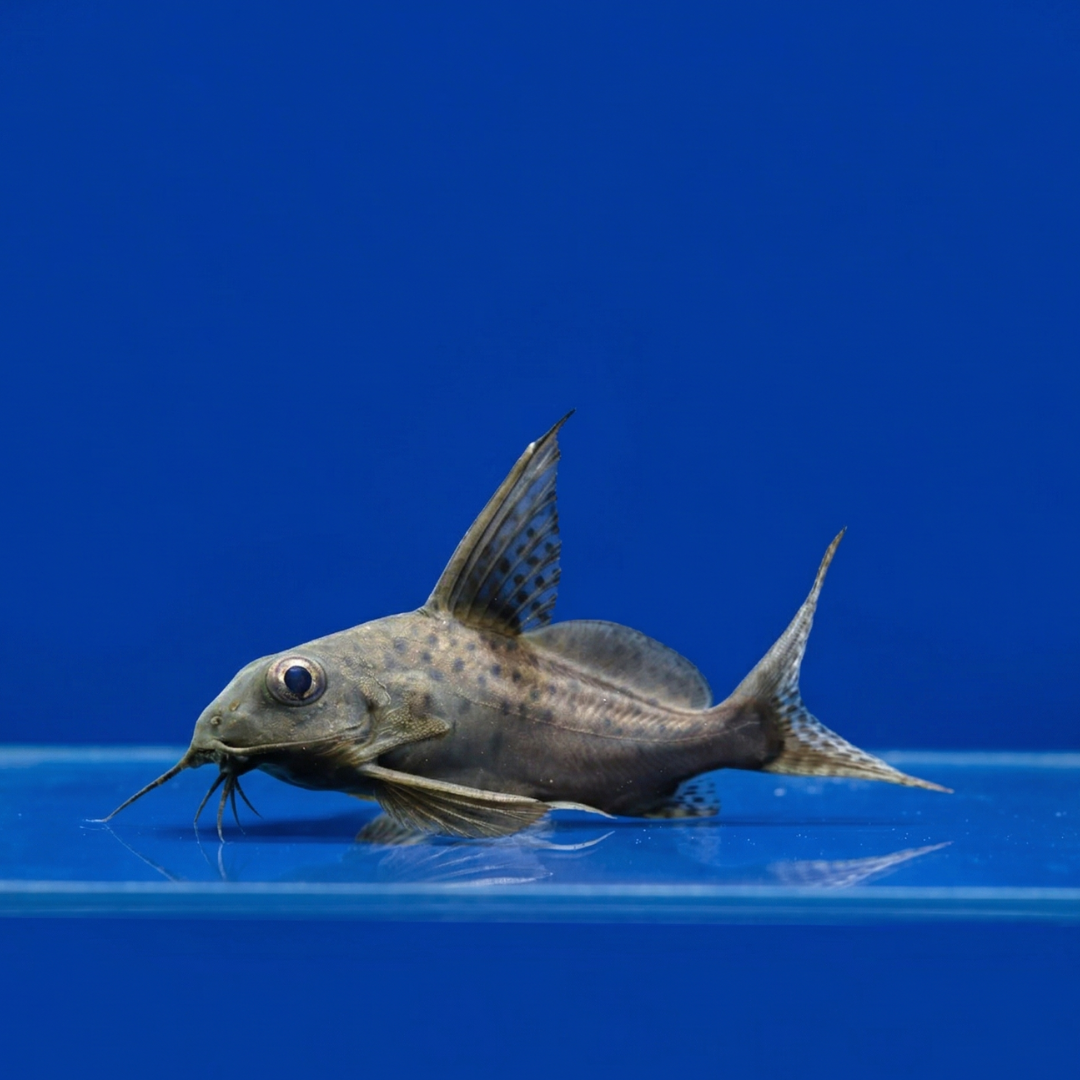
シノドンティス・バテンソーダは、アフリカの大河川に生息するサカサナマズ科の中でも、ひときわ大きく成長する魅力的なナマズです。最大の特徴は、多くの魚とは正反対の「お腹が黒く、背中が明るい」という逆転した色彩。これは彼らが日常的に水面近くで逆さまになって泳ぐという、独自の進化を遂げた証でもあります。かつては独立したブラキノシノドンティス属に分類されていましたが、現在はシノドンティス属の一員として認められています。重厚感のある体躯と、上顎のヒゲに広がる独特の膜が、本種の気品と力強さを演出しています。Synodontis batensoda is a fascinating catfish from the African river systems, known for growing significantly larger than many other members of the Mochokidae family. Its most striking feature is the inverted coloration—a black belly and a lighter-colored back. This unique adaptation reflects their habit of swimming upside-down near the water surface. While formerly classified in the monotypic genus Brachysynodontis, it is now recognized as a member of the genus Synodontis. Its robust body and the characteristic wide membrane on its maxillary barbels give this species a regal and powerful presence.
ナイル川、チャド湖、ニジェール川、セネガル川などアフリカ北半球側の広域Widespread across the northern hemisphere of Africa, including the Nile, Lake Chad, Niger, and Senegal rivers.
最大体長 / Max Size
最大約50cm(飼育下では25cm〜30cm程度)Up to 50 cm (approx. 25-30 cm in captivity).
寿命 / Lifespan
20年以上Over 20 years.
飼育環境 / Aquarium Environment
水槽サイズ / Tank Size
120cm規格水槽(約200L)以上を推奨A 120 cm standard tank (approx. 200 liters) or larger is recommended.
水温 / Temperature
23℃〜28℃23°C to 28°C (73°F to 82°F).
水質 / Water Quality
pH 7.5〜8.5(中性から弱アルカリ性のやや硬水を好む)pH 7.5 to 8.5 (prefers neutral to slightly alkaline, moderately hard water).
レイアウト / Layout
流木や石を用いた強固なシェルターを用意し、底床にはヒゲを傷つけない細かな砂を敷きます。照明は薄暗く設定し、浮き草を導入すると落ち着きやすくなります。Provide sturdy shelters using driftwood or rocks, and use fine sand for the substrate to protect their delicate barbels. Dim lighting and floating plants help create a calm environment.
注意点 / Precautions
成長が早く、最終的に大型化するため、初期から余裕のあるサイズの水槽が必要です。胸鰭や背鰭に鋭い毒棘を持つため、網での移動や素手での接触には十分注意してください。They grow rapidly and reach a large size, so a spacious tank is necessary from the start. Be careful when handling them with nets or bare hands, as they possess sharp, mildly venomous spines in their dorsal and pectoral fins.
餌と給餌 / Feeding
餌の種類 / Diet
雑食性。沈下性のタブレット飼料、冷凍アカムシ、茹でたエンドウ豆やキュウリなどの植物性飼料をバランスよく与えます。Omnivorous. Provide a balanced diet of sinking tablets, frozen bloodworms, and vegetable matter such as boiled peas or cucumber.
給餌のポイント / Feeding Tips
野生下では藻類や水面の昆虫を食べているため、植物質の餌を定期的に与えることが健康維持に不可欠です。夜行性が強いため、消灯前後の給餌が効果的です。In the wild, they consume algae and surface insects. Regularly providing vegetable matter is essential for their health. Since they are primarily nocturnal, feeding around the time the lights go out is most effective.
性格と混泳 / Temperament and Tank Mates
性格 / Temperament
基本的に温和で社会性があり、同種間での小グループ飼育も可能です。Generally peaceful and social. They can be kept in small groups of their own kind.
混泳の相性 / Compatibility
中・大型のシクリッドやカラシンが適しています。ただし、口に入るサイズの小型魚は夜間に捕食される可能性があるため、混泳は避けましょう。攻撃的な他のシノドンティスにはいじめられることがあるので注意が必要です。Medium to large cichlids and characins are suitable tank mates. Avoid small fish that fit in their mouth, as they may be eaten at night. Be cautious when mixing with more aggressive Synodontis species, as they may bully the more peaceful batensoda.
病気と対策 / Diseases and Prevention
かかりやすい病気 / Common Diseases
白点病、水カビ病、不適切な底砂によるヒゲの損傷と二次感染。Ich (White spot disease), water mold, and barbel damage/infection caused by rough substrate.
対策と予防 / Prevention
週に一度の換水で清潔な水質を保ち、水温の急変を避けます。柔らかい砂を使用し、ヒゲの健康状態を日常的に観察することが予防の基本です。Maintain clean water with weekly water changes and avoid sudden temperature shifts. Using soft substrate and monitoring the health of their barbels daily is key to prevention.
増やし方(繁殖) / Breeding
雌雄の判別 / Sexing
外見での判別は非常に困難ですが、成熟したメスはオスに比べて腹部がふっくらと丸みを帯びます。Differentiating between sexes by appearance is very difficult, although mature females tend to have rounder bellies than males.
繁殖形態 / Reproduction
卵生。野生では雨季の氾濫原に移動して産卵を行います。Oviparous. In the wild, they migrate to flooded plains during the rainy season to spawn.
繁殖のポイント / Breeding Tips
一般家庭の水槽での繁殖事例は極めて稀です。広大な遊泳スペースと水位変動、栄養豊富な餌の供給が鍵となりますが、現在は専門的な研究段階にあります。Successful breeding in home aquariums is extremely rare. Key factors include vast swimming space, water level fluctuations, and nutrient-rich feeding, but this remains largely in the realm of professional research.
雑学と豆知識 / Trivia and Fun Facts
1. 古代エジプトと逆転の魔除け / 1. Ancient Egypt and the Inverted Amulet
古代エジプトにおいて、バテンソーダは単なる魚以上の存在でした。彼らの「逆さまに泳ぐ」という習性は、死後の世界(冥界)での罰である「逆さまの姿勢」を自在にコントロールし、正しい姿勢に戻るための魔法の力として解釈されました。そのため、金や銀で作られたバテンソーダの形をした護符(アミュレット)が多数制作され、死者の平穏や水難除けの象徴として大切に身につけられていました。In Ancient Egypt, Synodontis batensoda was more than just a fish. Its habit of swimming upside-down was interpreted as a magical power to control and revert the dreaded “inverted position” in the afterlife (Duat), which was considered a severe punishment. Consequently, numerous amulets shaped like this fish were crafted from gold and silver, worn as symbols to ensure peace for the deceased and protection against drowning.
2. 鳴き声を奏でるメカニズム / 2. The Mechanics of Musical Fish
サカサナマズの仲間は「スィーカー(鳴くもの)」という別名を持ちます。バテンソーダは2つの方法で音を出します。1つは、浮き袋の前端にある特殊な筋肉を高速で振動させる「弾性バネ機構」。これは同種間のコミュニケーションに使われます。もう1つは、胸鰭の棘を肩の骨にこすりつける「摩擦発音」で、こちらは外敵に襲われた際の威嚇音として機能します。水中での豊かな表現力に驚かされますね。Members of the Synodontis genus are often called “squeakers.” Batensoda produces sound in two ways: through the “Elastic Spring Apparatus,” which uses specialized muscles to vibrate the swim bladder for communication, and through “stridulation,” rubbing its pectoral spines against its shoulder bones to intimidate predators. Their acoustic expressiveness underwater is truly remarkable.
3. 学名に刻まれた「黒い腹」の由来 / 3. The Meaning Behind the Name
種小名の「batensoda」は、アラビア語の現地名に由来しています。かつてのカイロ周辺では「Schal baten soda(黒い腹を持つ鳴くナマズ)」と呼ばれていました。1832年にエドゥアルト・リュッペルがこの名を科学的な名称として採用したことで、彼らの最も象徴的な特徴が学名として永遠に刻まれることになったのです。一度聞くと忘れられない、不思議な響きを持つ名前ですね。The species name “batensoda” originates from a local Arabic name. Around old Cairo, it was known as “Schal baten soda,” meaning “the squeaker with a black belly.” When Eduard Rüppell adopted this name scientifically in 1832, he ensured that their most iconic physical trait would be immortalized in their scientific nomenclature. It is a name with a mysterious and memorable resonance.
まとめ / Conclusion
シノドンティス・バテンソーダは、その巨大さとユニークな遊泳スタイル、そして悠久の歴史を感じさせる神秘的な魅力を持った魚です。大型水槽を必要とするため、飼育のハードルは決して低くありませんが、適切に管理された環境では20年以上にわたって私たちの目を楽しませてくれる、素晴らしいパートナーとなります。Synodontis batensoda is a fish of immense proportions, unique swimming style, and mystical charm that evokes ancient history. While the requirement for a large tank means the barrier to entry is not low, in a properly managed environment, they become wonderful partners that entertain us for over 20 years.
アフリカの河川から遥かな時を超えて、私たちの水槽へとやってくるこの「逆さまのナマズ」を育てることは、生命の適応進化の不思議と、人間との長い関わりを学ぶことでもあります。ぜひ、その豊かな個性と歴史に思いを馳せながら、日々の飼育を楽しんでくださいね。Keeping this “upside-down catfish,” which has journeyed through vast African rivers and across ages to our aquariums, is an opportunity to learn about the wonders of evolutionary adaptation and the long-standing relationship between humans and nature. We hope you enjoy your daily life with them, reflecting on their rich personality and history.
Rüppell, E. (1832). Fortsetzung der Beschreibung und Abbildung mehrerer neuer Fische, im Nil entdeckt. Frankfurt am Main: Brönner.
※ 本種の初記載(Synodontis batensoda)における原典資料。
Bleeker, P. (1862). Notices ichthyologiques (I-X). Nederlandsch Tijdschrift voor de Dierkunde, 1, 87-97.
※ 旧属名 Brachysynodontis の設立根拠。
2. 系統解析・生理学(科学論文・書籍)
Pinton, A., et al. (2013). Phylogenetic relationships of the African catfish family Mochokidae (Teleostei: Siluriformes) based on three gene fragments. Zoologica Scripta, 42(2), 163-172.
※ サカサナマズ科の分子系統およびシノニム化(属の再編)の裏付け。
Fine, M. L., & Ladich, F. (2003). Sound production, spine locking, and stridulation in catfishes. In: Arratia, G., et al. (Eds.), Catfishes (pp. 483-529). Enfield, NH: Science Publishers.
※ 弾性バネ機構(ESA)および摩擦発音の生体力学的メカニズム。
3. 歴史・考古学・民族学資料
Brewer, D. J., & Friedman, R. F. (1989). Fish and Fishing in Ancient Egypt. Warminster, England: Aris & Phillips.
※ 古代エジプトにおける本種の利用と芸術表現の対応。
Reisner, G. A. (1905). The Hearst Medical Papyrus: Hieratic Text in 17 Facsimile Plates in Collotype with Introduction and Vocabulary. University of California Publications, Egyptian Archaeology, Vol. 1. Leipzig: J. C. Hinrichs.
※ ナマズの部位を用いた医療処置の記録。
Gamer-Wallert, I. (1970). Fische und Fischkulte im alten Ägypten. Ägyptologische Abhandlungen, Bd. 21. Wiesbaden: Harrassowitz.
※ 本種の習性に由来する逆転の護符(アミュレット)の宗教的意義。
4. オンラインデータベース・流通情報
Froese, R. and D. Pauly. Editors. (2024). FishBase. World Wide Web electronic publication. www.fishbase.org
※ 最大体長、分布、生息環境の基本データ。



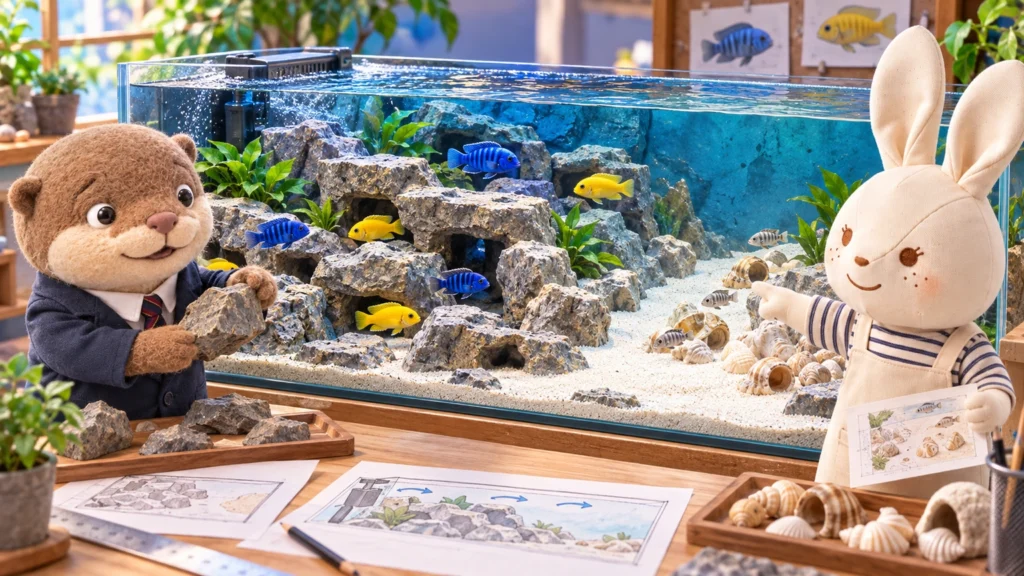 アイのアクアグッズ案内アフリカンシクリッドの飼育用品|水槽・ろ過・底砂・岩組み・餌の選び方道具の特徴や使い方、選ぶときのポイントをアイが紹介します。記事はコチラ →
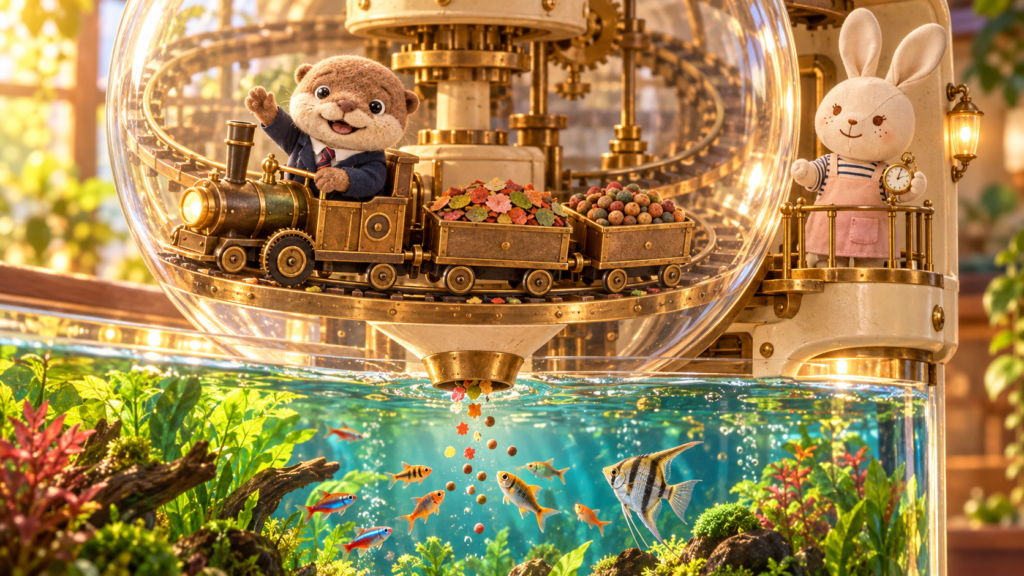 アイのアクアグッズ案内旅行中、お魚のごはんはどうする? 自動給餌器・使える餌・スマート水槽の選び方旅行中の魚の餌やりを助ける自動給餌器を、アイとコタロウが紹介。時間指定、おかわり給餌、対応するフレークや顆粒、設置台、スマホ管理、一体型水槽、留守番フードまで、使いどころと選び方を案内します。記事はコチラ →
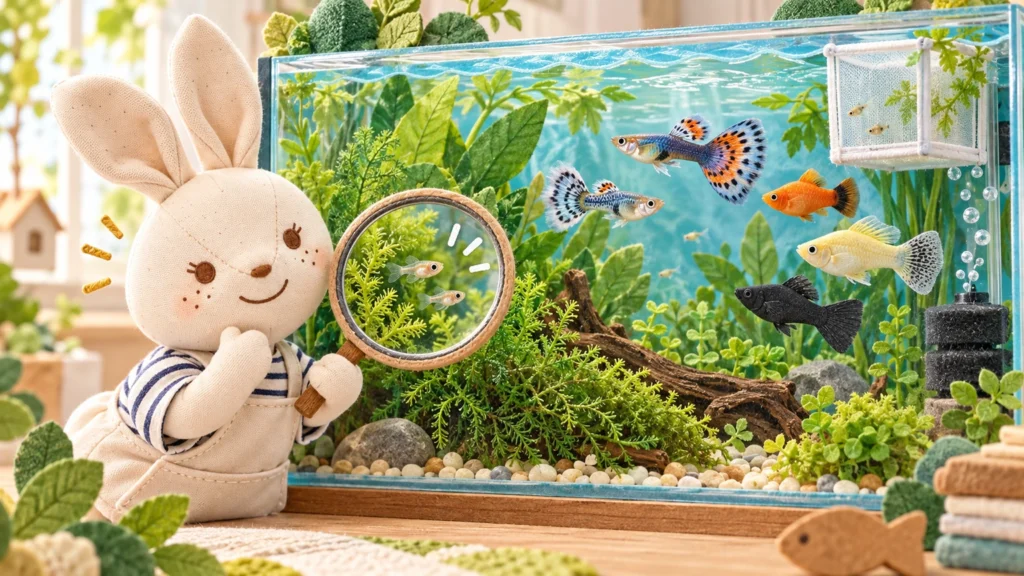 アイのアクアグッズ案内グッピー・プラティ・モーリーを親子で楽しむ飼育用品|水槽・稚魚保護・ろ過・餌・水草道具の特徴や使い方、選ぶときのポイントをアイが紹介します。記事はコチラ →
 アイのアクアグッズ案内金魚を長く楽しむ飼育用品|水槽・フィルター・エアレーション・水換え道具の特徴や使い方、選ぶときのポイントをアイが紹介します。記事はコチラ →




コメント