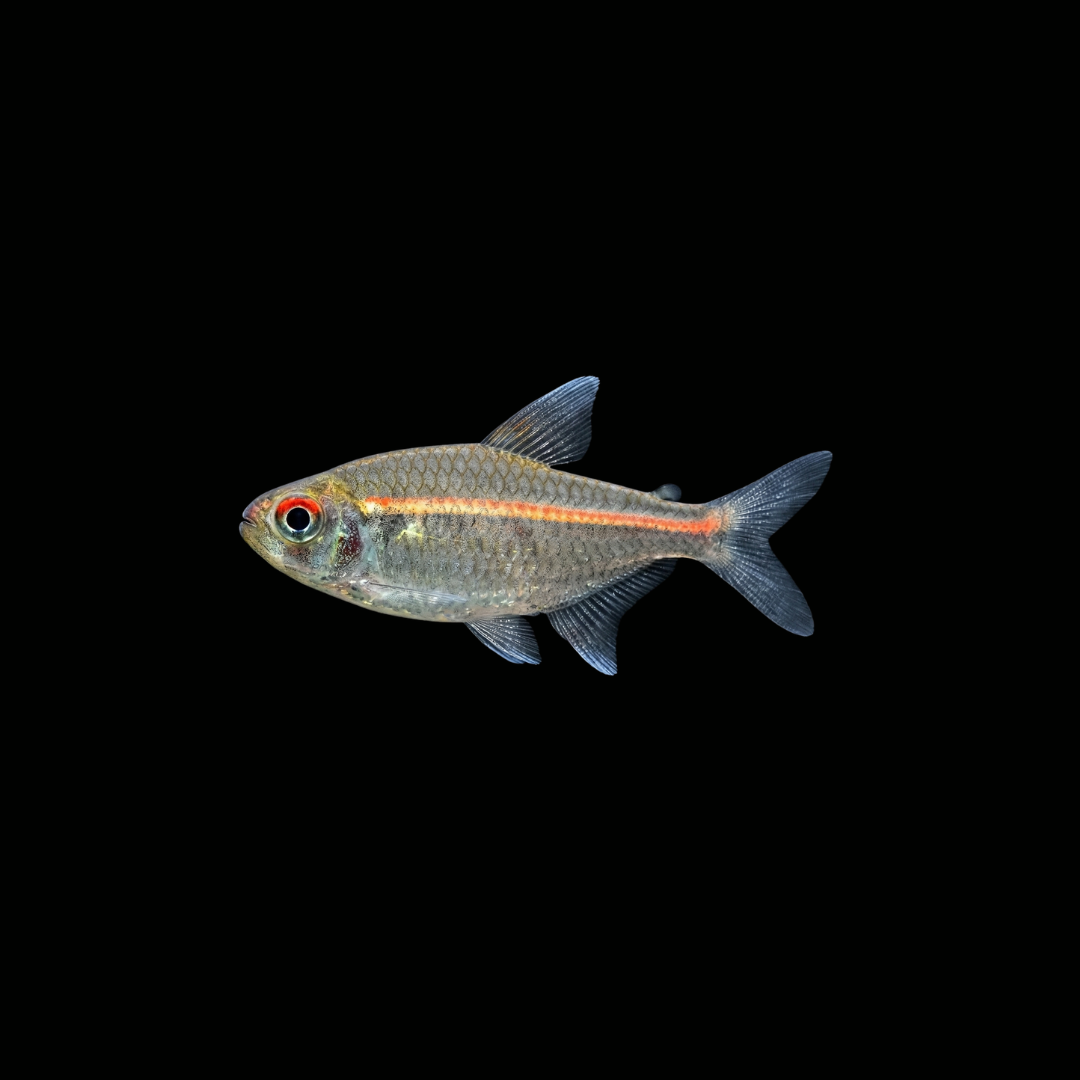
ピンキーテトラは、南米アマゾン川流域のブラックウォーター水系に息づく、非常に美しく奥深い魅力を持った小型カラシンです。日本国内では「珍カラ」の代表格として愛好家の間で高く評価されており、その最大の特徴は、環境や状態によって劇的に変化する体色にあります。平常時は透明感のある上品なピンク色のラインが走る穏やかな姿をしていますが、一度水槽環境に馴染み、発情期を迎えたオスは全身が燃えるような真紅へと染まり上がります。その変貌ぶりから、英語圏ではカメレオン・テトラやレッドレーザー・テトラとも呼ばれ、アクアリストの腕次第でその真の美しさを引き出すことができる、まさに飼い込みの醍醐味を体現した魚といえるでしょう。The Pinky Tetra is a remarkably beautiful and profound small characin inhabiting the blackwater systems of the Amazon River basin. In Japan, it is highly regarded among enthusiasts as a representative of rare characins. Its most striking feature is the dramatic change in body color depending on the environment and its condition. While usually displaying a modest appearance with a translucent body and a sophisticated pink line, males in prime condition during the breeding season transform into a fiery deep red. This metamorphosis has earned them names like Red Chameleon Tetra or Red Laser Tetra in English-speaking regions, making them a species that truly rewards the dedicated aquarist’s efforts.
Pinky Tetra, Watermelon Tetra, Red Laser Tetra, Red Chameleon Tetra
分布 / Distribution
ブラジル(ソリモエンス川、ネグロ川下流域)、ペルー、コロンビア、エクアドルのアマゾン川流域Amazon River basin in Brazil (Solimoes, Lower Negro), Peru, Colombia, and Ecuador.
最大体長 / Max Size
約5.8cmApprox. 5.8cm
寿命 / Lifespan
3年から5年程度(良好な管理下では6年から8年の長寿例も報告されています)Typically 3 to 5 years (though records of 6 to 8 years have been reported under optimal care)
飼育環境 / Aquarium Environment
水槽サイズ / Tank Size
少数であれば30cmキューブ水槽など小型でも飼育可能ですが、水質の安定や群泳を楽しむには60cm規格水槽(約60L)以上が強く推奨されます。多頭飼育や余裕を持った遊泳スペースを確保するには90cmスリム水槽やワイド水槽が理想的です。A small number can be kept in a 30cm cube tank, but a standard 60cm tank (60L) or larger is highly recommended for stability and schooling. For larger groups and more swimming space, a 90cm slim or wide tank is ideal.
水温 / Temperature
22度から28度。安定した水温管理が健康維持には欠かせません。22 to 28 degrees Celsius. Stable temperature management is essential for maintaining health.
水質 / Water Quality
pH 5.5から7.5(理想は6.0から7.0の弱酸性)、超軟水から軟水を好みます。pH 5.5 to 7.5 (ideally 6.0 to 7.0, slightly acidic), preferring very soft to soft water.
レイアウト / Layout
流木や枯れ葉(マジックリーフ等)を用い、タンニンが溶け出したブラックウォーター環境が最適です。細かい砂の底床と、適度な隠れ家を用意しましょう。A blackwater environment with driftwood and leaf litter (such as Indian Almond leaves) rich in tannins is optimal. Use fine sand for the substrate and provide plenty of hiding spots.
注意点 / Precautions
高pHや硬度の高い水では本来の発色が見られません。また、急激な環境変化はストレスとなり、病気の原因になります。In high pH or hard water, their natural coloration will not manifest. Rapid environmental changes can cause stress and trigger diseases.
餌と給餌 / Feeding
餌の種類 / Diet
人工飼料(フレーク、小型ペレット)のほか、冷凍赤虫やブラインシュリンプ、ミジンコなどをバランスよく与えます。A balanced diet of artificial food (flakes, small pellets), frozen bloodworms, brine shrimp, and daphnia.
給餌のポイント / Feeding Tips
特に赤虫への反応が非常に良く、色揚げ効果も期待できます。一日数回、食べ残しが出ない程度の量を与えてください。They respond very well to bloodworms, which can also help enhance their color. Feed several times a day in amounts they can consume quickly.
性格と混泳 / Temperament and Tank Mates
性格 / Temperament
基本的に温和で、群れを作る性質があります。同種間では軽い順位争いが見られることもありますが、深刻な事態にはなりにくいです。Generally peaceful and schooling. Minor squabbles for social standing may occur among the same species but are rarely serious.
混泳の相性 / Compatibility
同じサイズの小型カラシンやコリドラス、アピストグラマなどのドワーフシクリッドと好相性です。大型魚や攻撃的な魚との混泳は厳禁です。Compatible with similar-sized small characins, Corydoras, and dwarf cichlids like Apistogramma. Avoid large or aggressive tank mates.
病気と対策 / Diseases and Prevention
かかりやすい病気 / Common Diseases
白点病、尾腐れ病などの一般的な感染症。Common infections such as Ich (white spot disease) and fin rot.
対策と予防 / Prevention
水温の安定と、ブラックウォーターによる殺菌・粘膜保護効果を活用します。導入時のトリートメントも重要です。Maintain stable temperatures and utilize the antibacterial and mucus-protecting effects of blackwater. Quarantine new arrivals is also key.
増やし方(繁殖) / Breeding
繁殖形態 / Reproduction
水草の茂みに卵を産み落とす「ばら撒き型」の産卵形態です。They are egg scatterers, laying their eggs among dense vegetation or fine-leaved plants.
繁殖のポイント / Breeding Tips
産卵専用水槽を用意し、pH 6.0以下の超軟水に調整します。産卵後は親魚が卵を食べないようすぐに隔離し、稚魚には初期飼料としてインフゾリア(ゾウリムシなど)を与えます。Prepare a dedicated breeding tank with very soft water below pH 6.0. Remove parents immediately after spawning to prevent egg cannibalism. Feed fry with infusoria as their initial food.
雑学と豆知識 / Trivia and Fun Facts
1. 学名の矛盾:なぜ「青色(coeruleus)」なのか?1. The Scientific Contradiction: Why “coeruleus” (Blue)?
ピンキーテトラの種小名である coeruleus はラテン語で「青」を意味します。生体は鮮やかな「赤」に染まるのになぜか。それは1908年の記載時、保存液で固定された標本の側面に、赤色の消失と引き換えに現れた「青いストライプ」に基づいて命名されたという事情があったとされています。死してなお残る構造色の輝きが、この情熱的な魚に「青」という名前を授けたと言われており、魚類学上の興味深いエピソードの一つです。The specific name “coeruleus” means blue in Latin. Despite the fish turning vibrant red, it is said to have been named based on preserved specimens in 1908, where the red pigment had faded, leaving only a structural blue stripe. It’s a fascinating ichthyological irony where the structural glow remaining after death reportedly defined the name of this passionate red fish.
2. 流通の歴史:本格的な注目は2000年代以降2. History of Distribution: Significant Attention since the 2000s
本種は1908年に記載されましたが、本格的にアクアリウム界で注目され始めたのは2000年代以降と言われています。その理由は、彼らが持つ「色彩的擬態」にありました。輸送時のストレス下では非常に地味な色合いになるため、初期の採集業者に商業的な価値を見出されにくかったのです。水槽内で落ち着いたときに見せる真実の姿が広く知れ渡るまで、1世紀近くもその真価が隠されていました。Although described in 1908, this species is said to have gained significant attention in the hobby since the 2000s. This is due to their “color mimicry”—under the stress of transport, they appear very dull, making it difficult for early collectors to see their commercial value. Their true potential remained hidden for nearly a century until their vibrant appearance after settling in a tank became widely known.
3. 日本独自の「珍カラ」文化と産地3. Japan’s Unique “Rare Characin” Culture and Localities
日本のアクアリウム市場は世界でも特異で、本種は「珍カラ」という高級カテゴリーで扱われます。特にネグロ川のサンタイザベル産などは、他地域とは異なる特徴を持つ個体群として高い人気を誇ります。一匹数千円という価格設定は、単なる生体代ではなく、飼い主の管理次第で「宝石」へと変貌する育成プロセスそのものを楽しむ、日本の成熟したホビー文化を象徴しています。Japan’s market is unique, placing this species in the premium “rare characin” category. Specimens from Santa Isabel in the Negro River are particularly popular for having distinct characteristics. The premium cost reflects a mature hobbyist culture in Japan that values the process of nurturing these fish into “living jewels.”
4. 野生下での過酷な生存戦略4. Harsh Survival Strategies in the Wild
小型カラシン類一般において、野外での生残率は非常に低いことが知られており、本種も同様と考えられています。私たちが水槽で見ているあの鮮烈な赤色は、天敵のいない安全な環境で、十分な栄養を得て初めて到達できる「生命の極致」といえるでしょう。飼育下でのみ観察できるこの究極の美しさは、飼い主による適切な環境維持という、ある種の共同作業の結果として現れるものです。It is generally known that small characins have very low survival rates in the wild, and this species is thought to be no exception. The brilliant red observed in aquariums is a “pinnacle of life” achievable only in safe environments with abundant nutrition. Their ultimate beauty is a result of a collaborative effort between the fish and the keeper’s dedicated care.
まとめ / Conclusion
ピンキーテトラは、単に「飼う」だけでなく「仕上げる」楽しみを教えてくれる魚です。導入当初の地味な姿に惑わされず、ブラックウォーターと弱酸性の軟水を維持し、赤虫などの栄養価の高い餌を与え続けてみてください。ある日突然、水槽内に真赤な閃光が走る瞬間、あなたはこの魚の虜になるはずです。The Pinky Tetra is a fish that teaches the joy of not just keeping, but “perfecting” its beauty. Don’t be fooled by their modest appearance upon arrival. Maintain blackwater and soft acidic conditions, provide high-quality food like bloodworms, and one day, the sudden flash of crimson in your tank will captivate you completely.
アマゾンの奥地に眠っていた情熱の赤を、あなたの水槽で再現してみませんか?その挑戦は、あなたのアクアリストとしての経験をより豊かで深いものにしてくれるでしょう。Why not recreate the passionate red hidden deep in the Amazon in your own aquarium? That challenge will undoubtedly enrich and deepen your experience as an aquarist.



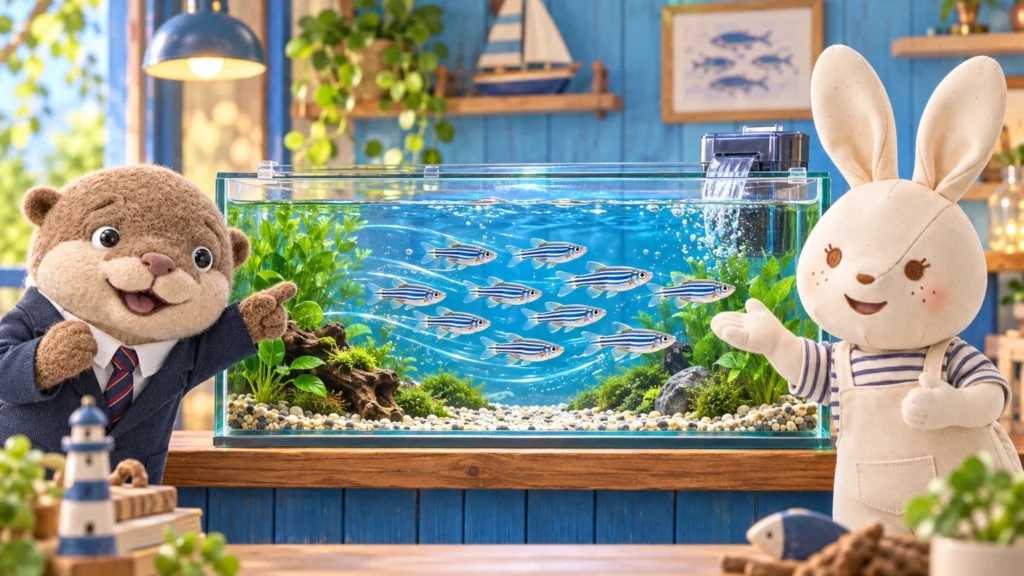 アイのアクアグッズ案内ダニオの仲間に合わせる飼育用品|ゼブラダニオから超小型種まで水槽・ろ過・餌を選ぶ道具の特徴や使い方、選ぶときのポイントをアイが紹介します。記事はコチラ →
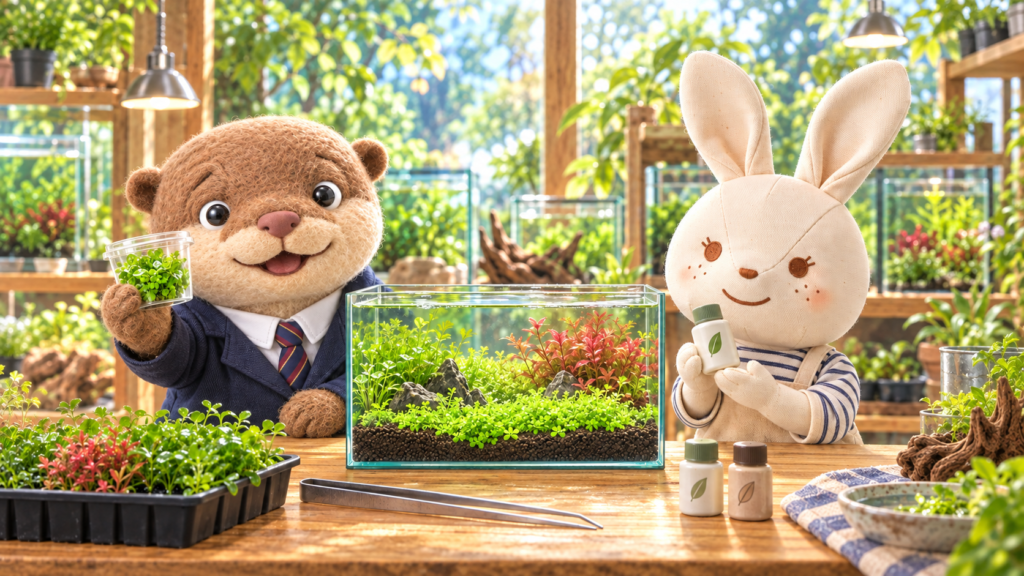 アイのアクアグッズ案内水草の肥料の選び方|底床用・液肥・メネデールの使い分け道具の特徴や使い方、選ぶときのポイントをアイが紹介します。記事はコチラ →
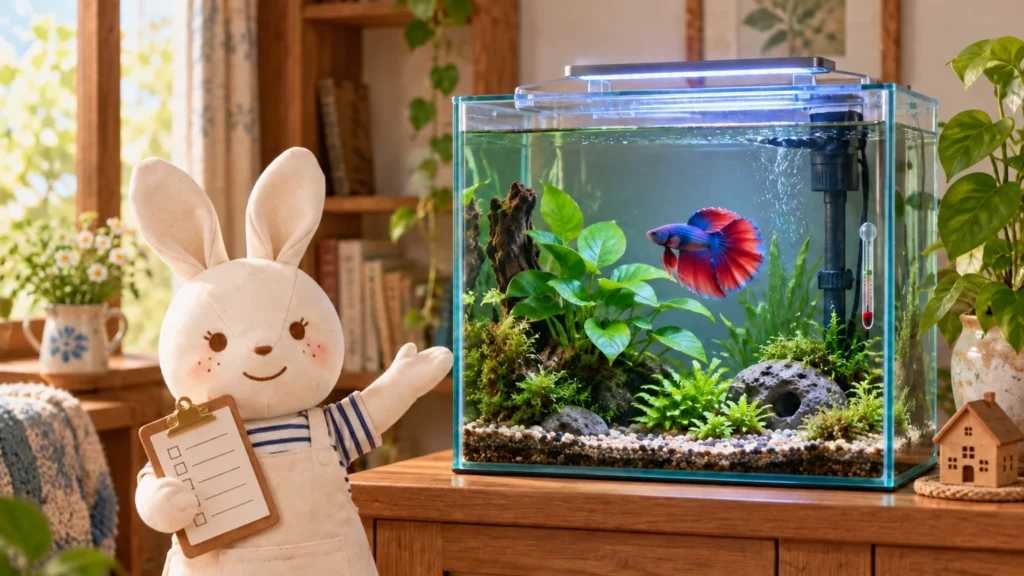 アイのアクアグッズ案内ベタの一匹飼いを楽しむ|水槽・ヒーター・ふた・フィルターの選び方ベタの一匹飼いに向く水槽容量、ふたと空気層、ヒーターと水温計、弱い水流のフィルターを、コタロウとアイの会話で分かりやすく解説します。記事はコチラ →
 アイのアクアグッズ案内水草用ライトの選び方|緑の絨毯と赤い水草を楽しむ照明・植栽用品道具の特徴や使い方、選ぶときのポイントをアイが紹介します。記事はコチラ →



コメント