アジアアロワナは、数千万年前からその姿を大きく変えずに生き続けてきた生きた化石として知られる大型淡水魚です。重厚な鎧を思わせる巨大な鱗と、下顎から伸びる2本の髭が東洋の伝説の龍を彷彿とさせることから、中華圏では龍魚として神聖視され、幸運を呼ぶ魚として絶大な人気を誇ります。かつては野生個体群が乱獲により絶滅の危機に瀕しましたが、現在は国際的な保護体制のもとで、マイクロチップを用いた厳格な個体管理がなされています。その気高き体躯と高い知性、そして物語性に満ちた背景は、アクアリウムにおける最高峰の存在として、今もなお世界中の愛好家を魅了し続けています。The Asian Arowana is a large freshwater fish known as a living fossil that has remained largely unchanged for tens of millions of years. With its massive scales resembling heavy armor and two barbels extending from the lower jaw, it evokes the image of the legendary oriental Dragon. Known as the Dragon Fish in Chinese culture, it is highly revered as a bringer of good luck. Once pushed to the brink of extinction due to overfishing in the wild, it is now strictly managed under international protection using microchips. Its noble appearance, high intelligence, and rich history make it the ultimate centerpiece for aquarium hobbyists worldwide.
東南アジア(マレーシア、インドネシア、ミャンマー、タイなど)Southeast Asia (Malaysia, Indonesia, Myanmar, Thailand, etc.)
最大体長 / Max Size
約90cmApprox. 90 cm
寿命 / Lifespan
10年〜15年以上(適切な環境下では20年を超える場合もあります)10 to 15+ years (can exceed 20 years under optimal conditions)
飼育環境 / Aquarium Environment
水槽サイズ / Tank Size
成長に合わせて最終的には150cm規格水槽(約450L)以上、理想は奥行き・高さも確保した180cmワイド水槽(約600L以上)が必要です。Depending on growth, a 150cm standard tank (approx. 450L) is minimum; an 180cm wide tank (600L+) is ideal to ensure depth and height.
水温 / Temperature
28度〜30度(日本の冬季は気温が下がるため、高出力ヒーターでの安定が必須です)28°C to 30°C (stable temperature with high-output heaters is essential in Japanese winters)
水質 / Water Quality
弱酸性から中性(pH 6.5〜7.5)。強力なろ過設備による清潔な水の維持が不可欠です。Slightly acidic to neutral (pH 6.5–7.5). High-capacity filtration is essential for clean water.
レイアウト / Layout
遊泳スペースを広く確保するため、シンプルな構成が基本です。驚いた時のパニックを防ぐため、水槽蓋には重しを載せ、ボルト等で完全に固定してください。A simple layout provides maximum swimming space. Lids must be weighted or bolted down to prevent injury or escapes during panic jumps.
注意点 / Precautions
極めて神経質なため、生活動線から離れた静かな場所に水槽を設置してください。パニックによる衝突事故が最も多い死因の一つです。Very sensitive to noise and vibrations; place the tank in a quiet area away from heavy foot traffic. Collision injuries are a major risk.
餌と給餌 / Feeding
餌の種類 / Diet
コオロギやミルワーム等の昆虫、イサザアミ、小魚(小赤)、専用の人工飼料。Insects (crickets, mealworms), mysis shrimp, feeder fish, and specialized pellets.
給餌のポイント / Feeding Tips
栄養バランスを整えるため、複数の餌をローテーションで与えます。免疫維持や発色促進のため、餌にビタミン剤を添加するのも効果的です。Rotate diets to ensure nutritional balance. Adding vitamins to food helps maintain immunity and enhances coloration.
性格と混泳 / Temperament and Tank Mates
性格 / Temperament
非常に高い知性を持ち、給餌を通じて飼い主を識別します。一方で縄張り意識が強く、同種間では激しく争います。High intelligence with the ability to recognize owners through feeding. However, they are territorial and aggressive toward conspecifics.
混泳の相性 / Compatibility
基本的には単独飼育を推奨します。底層で生活するエイやポリプテルスとは混泳可能な場合もありますが、十分な水槽容積が前提です。Solitary keeping is recommended. May coexist with bottom-dwellers like rays or Polypterus, provided the tank volume is sufficient.
病気と対策 / Diseases and Prevention
かかりやすい病気 / Common Diseases
エラめくれ、目垂れ、アゴズレ(環境ストレスや水質悪化に起因)、水カビ病。Gill curling, cloudy eyes/droop eye, jaw protrusion (caused by stress or poor water quality), and fungal infections.
対策と予防 / Prevention
定期的な換水とろ過槽のメンテナンスによる清潔な環境の維持、およびストレスを与えない安定した空間づくりが最大の予防策です。Regular water changes and filter maintenance to keep the environment clean, along with a stress-free space, are the best preventions.
増やし方(繁殖) / Breeding
繁殖形態 / Reproduction
オスが受精卵や稚魚を口の中で保護するマウスブリーディング(口内保育)を行います。They practice paternal mouthbrooding, where the male carries eggs and fry in his mouth for protection.
繁殖のポイント / Breeding Tips
一般的な水槽内での自然繁殖は極めて難しく、東南アジアの広大な養殖池での大規模なペアリングが主流です。Natural breeding in home aquaria is extremely difficult; large-scale commercial farming in Southeast Asian ponds is the standard.
雑学と豆知識 / Trivia and Fun Facts
1. 地球の鼓動を刻む太古の旅人 / 1. Ancient Travelers of the Earth
アジアアロワナが南米のシルバーアロワナと袂を分かったのは、実に約5,030万年前。ゴンドワナ大陸が完全に分裂し、大陸の配置が今とは全く異なっていた時代のことです。彼らは地質学的な大変動をその身に刻みながら、今日まで姿をほとんど変えずに生き抜いてきました。アロワナを飼うということは、地球の壮大な歴史の一片を自宅に迎えることと同義なのです。The Asian Arowana split from its South American cousin roughly 50.3 million years ago, when the supercontinent Gondwana was breaking apart. Having survived massive geological shifts without changing their form, keeping an Arowana is like hosting a piece of Earth’s epic history in your home.
2. 美しさという名の呪い:なぜ絶滅の危機に? / 2. The Curse of Beauty: Why Endangered?
1970年代から80年代にかけて、アジアアロワナはかつてない受難の時代を迎えました。東洋の龍を思わせるその神聖な姿が観賞魚として世界中で爆発的な人気を呼び、一獲千金を狙う密猟者によって野生個体が徹底的に乱獲されたのです。特にマレーシアの過背金龍やインドネシアの紅龍は、一時は自然界から姿を消す寸前まで追い込まれました。この悲劇が、現在のようなワシントン条約による厳格な保護管理体制を築くきっかけとなったのです。In the 1970s and 80s, the Arowana faced a dark era. Their dragon-like beauty triggered an explosion in global popularity, leading to relentless poaching for profit. Rare variants like the Malaysian Crossback and Indonesian Super Red were pushed to the brink of extinction. This tragedy led to the strict protection under CITES that we see today.
3. 献身的な父の愛と人間の知恵 / 3. A Father’s Love and Human Wisdom
アロワナはオスが口の中で卵を守るマウスブリーダーですが、この生態が商業繁殖の鍵となりました。かつてのブリーダーは、口の中に稚魚を抱えた父魚を池で捕らえ、その口をこじ開けて稚魚を回収するという驚くべき手法を考案しました。人間が人工的な乳母(ナニー)として稚魚を育てることで、父魚の体力を温存し、次の繁殖サイクルを早めることに成功したのです。この知恵によって、私たちは現在、合法的に美しいアロワナを楽しむことができるようになりました。The male Arowana is a devoted father, protecting eggs in his mouth. Early breeders developed a method of manually retrieving fry from the father’s mouth to serve as artificial “nannies.” This saved the father’s energy and accelerated the breeding cycle, eventually stabilizing the legal supply of these magnificent fish.
現代のアジアアロワナは、そのすべてに固有の識別番号を持つマイクロチップが埋め込まれています。これは単なる管理番号ではなく、その個体が野生からの密猟ではなく、正式なファームで大切に育てられたことの証明書でもあります。ハイテク技術によって、かつての乱獲という悲劇を繰り返さないための強固なバリアが張られているのです。Modern Asian Arowanas are embedded with microchips containing unique ID numbers. This isn’t just for inventory; it’s a digital guarantee that the fish was ethically raised in a farm, serving as a high-tech barrier against the return of poaching tragedies.
アジアアロワナの色彩は、決して金魚のように人工的な交配で作られたものではありません。元々、東南アジアの特定の水域には、過背金龍や紅龍といった鮮やかな変異個体が自然のままに泳いでいました。最も原種に近いと言われるグリーン(青龍)が広く分布する中で、隔離された環境がもたらした奇跡の色彩を、人間が選別という形で長い年月をかけて磨き上げてきたのです。現代の極上の色彩は、大自然が用意した原石を、ブリーダーの情熱がダイヤモンドのようにカットした結果と言えるでしょう。The colors of Asian Arowanas are not artificial creations like goldfish. Originally, vibrant variants like the Crossback Gold and Super Red lived naturally in specific, isolated Southeast Asian waters. While the Green Arowana is the most widespread wild form, humans have carefully “selected” and refined these natural miracles over many years. The stunning colors we see today are the result of breeders’ passion cutting the raw gems provided by nature into brilliant diamonds.
まとめ / Conclusion
アジアアロワナを飼育するということは、単に美しい大型魚を愛でるだけではなく、数千万年の進化の歴史や、かつての絶滅の危機から彼らを守り抜いた人々の情熱、そして現在進行形の国際的な野生生物保護の枠組みに参加することを意味します。その重厚な体躯から放たれる圧倒的な存在感は、日々のお手入れや法的な手続きを厭わない飼い主にとって、他では得られない深い充足感をもたらしてくれることでしょう。Keeping an Asian Arowana is more than just admiring a beautiful fish; it is a commitment to a legacy of evolutionary history and global conservation. The overwhelming presence projected by its massive frame offers a profound sense of satisfaction that rewards the owner’s dedicated care and legal responsibility.
日本の住環境においては、騒音や振動への配慮など繊細な管理が求められますが、それに応えるかのように飼い主を認識し、感情を表現する彼らの知性は、アクアリウムの真の喜びを教えてくれます。生涯を共にするパートナーとして、この生きた化石との対話を楽しんでください。While the Japanese home environment requires delicate management regarding noise and vibration, the Arowana rewards this effort with its intelligence and recognition of its owner. As a lifelong partner, this living fossil will continue to teach you the true joys of the aquarium hobby.
学術論文・系統解析
Pouyaud, L., Sudarto & Teugels, G. G. (2003). The biogeography, genetic differentiation and taxonomy of the golden and red forms of Scleropages formosus (Müller and Schlegel, 1844) (Pisces, Osteoglossidae). Cybium 27(4): 287-305.
国際条約・取引規制
Convention on International Trade in Endangered Species of Wild Fauna and Flora (CITES). Appendices I, II and III. (アジアアロワナ:附属書I掲載)


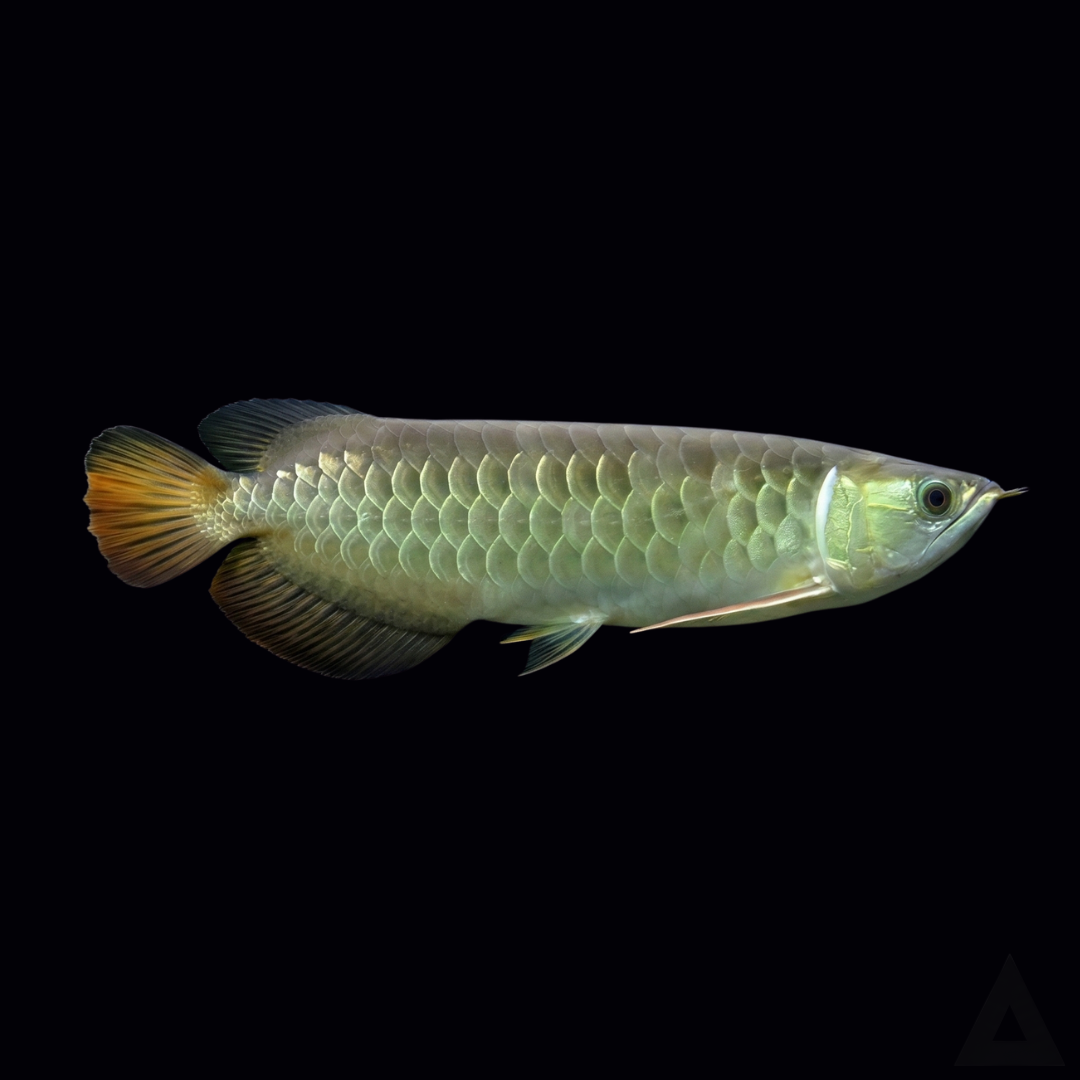

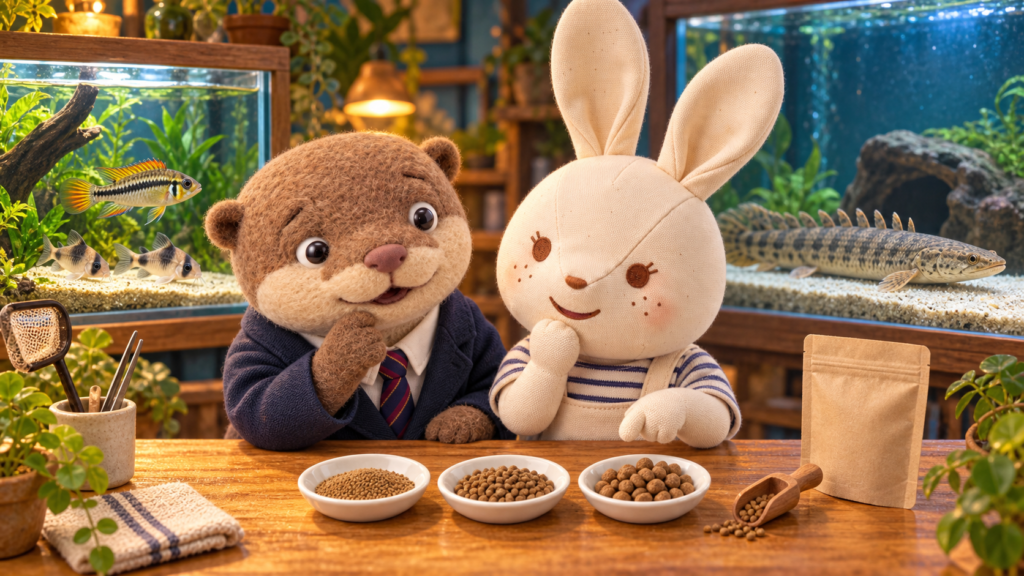 アイのアクアグッズ案内おとひめ物語|養殖生まれの餌を、わが家の魚に合う一粒へ道具の特徴や使い方、選ぶときのポイントをアイが紹介します。記事はコチラ →
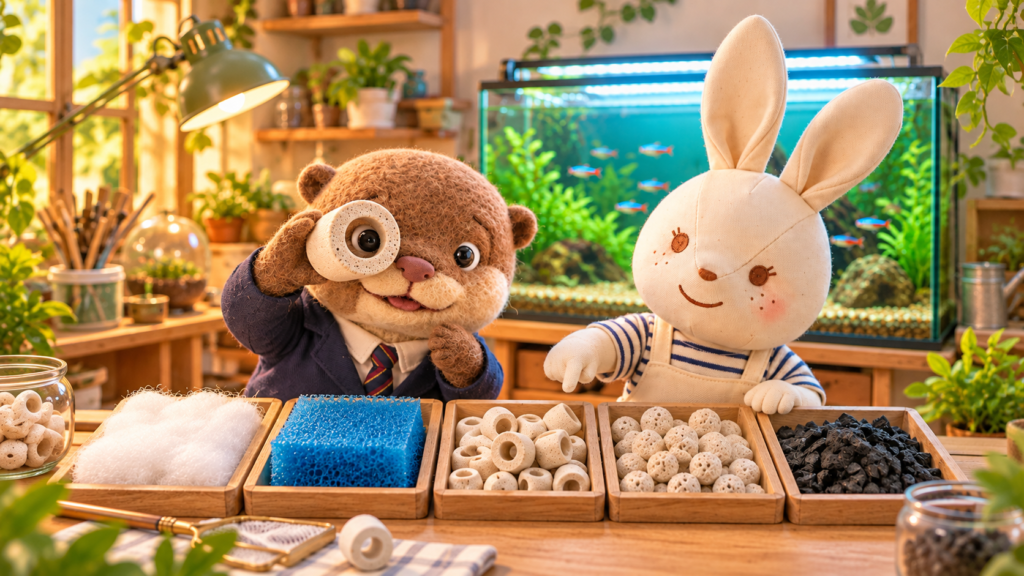 アイのアクアグッズ案内水槽のろ材の選び方|ウール・リング・活性炭の違いとおすすめ商品フィルターの中の綿や石は何をしている? アイとコタロウが、ウール・スポンジ・セラミック・焼結ガラス・活性炭・ゼオライトを比較。機種との相性、入れ方、洗い方と交換まで商品とともに紹介します。記事はコチラ →
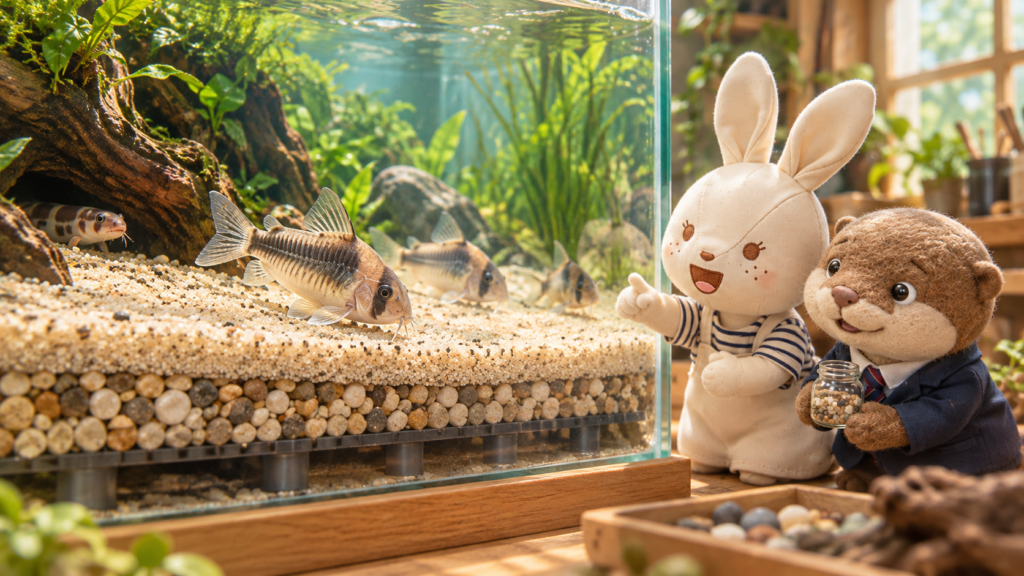 アイのアクアグッズ案内水槽の底砂の選び方|砂・砂利の違いとおすすめ商品道具の特徴や使い方、選ぶときのポイントをアイが紹介します。記事はコチラ →
 アイのアクアグッズ案内コケを食べるコイの仲間に合わせる飼育用品|フライングフォックス・アルジイーター・ガラ道具の特徴や使い方、選ぶときのポイントをアイが紹介します。記事はコチラ →



コメント