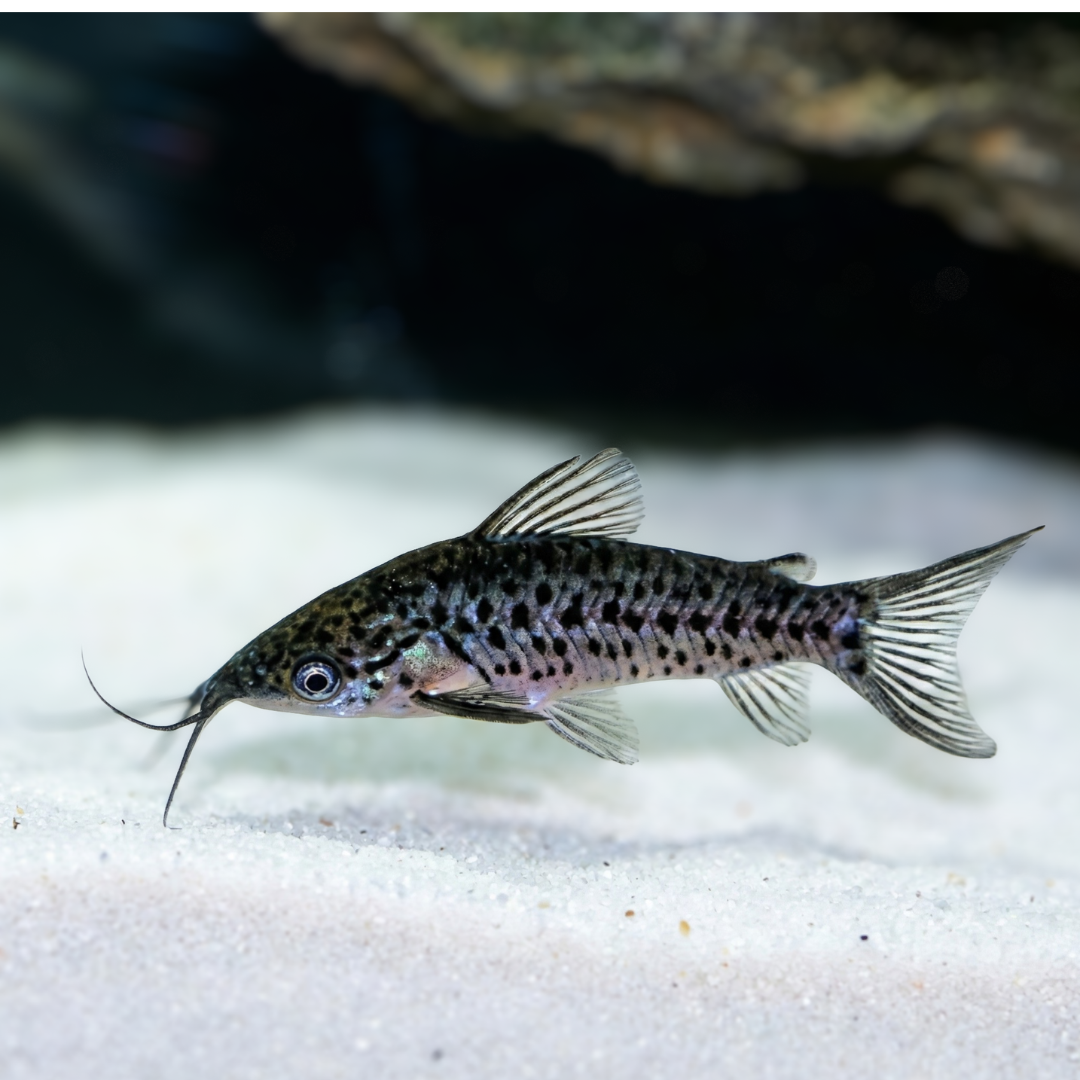
ポートホールキャットの仲間(ディアネマ属)は、南米アマゾン川流域に生息する非常にユニークなナマズです。大人気のコリドラスなどと同じカリキティス科に属しながら、水底に張り付く生活を捨て、水槽の中層を優雅にホバリングするように泳ぐという珍しい進化を遂げました。やや地味な体色に見えるかもしれませんが、複数匹で寄り添って泳ぐ愛らしい姿と、他の魚を一切いじめない極めて平和主義な性格から、水草レイアウト水槽やコミュニティタンクの住人として世界中のアクアリストから深く愛されています。The Porthole Catfish and its relatives (genus Dianema) are highly unique catfishes native to the Amazon River basin in South America. Although they belong to the same Callichthyidae family as the popular Corydoras, they abandoned the typical bottom-dwelling lifestyle to evolve a fascinating behavior of hovering gracefully in the mid-water column. While their coloration may seem understated, their endearing habit of swimming closely together in shoals and their absolute peacefulness make them highly cherished residents for planted aquariums and community tanks worldwide.
南米アマゾン川流域(ブラジル、ペルー、エクアドル、コロンビアなど)の緩やかな支流や氾濫原の湖。Sluggish tributaries and floodplain lakes of the Amazon River basin in South America (Brazil, Peru, Ecuador, Colombia, etc.).
最大体長 / Max Size
約10cm程度。Approximately 10 cm.
寿命 / Lifespan
適切な環境下では10年から15年と非常に長寿です。Very long-lived, reaching 10 to 15 years under proper care.
飼育環境 / Aquarium Environment
水槽サイズ / Tank Size
中層を活発に泳ぐため、最低でも60cm規格水槽(約60リットル)が必要です。本来の群れでの行動を存分に楽しむためには、90cm規格水槽(幅90cm×奥行45cm×高さ45cm、水量約140リットル)以上が理想的です。Since they actively swim in the mid-water, a standard 60cm tank (approx. 60 liters) is the minimum. To fully enjoy their natural shoaling behavior, a 90cm standard tank (approx. 140 liters) or larger is ideal.
水温 / Temperature
24°C〜28°C
水質 / Water Quality
pH 5.5〜8.0の幅広い水質に適応しますが、弱酸性(pH 6.0〜7.0)の軟水環境を最も好みます。日本の一般的な水道水を中和したもので問題なく飼育できます。Adaptable to a wide range of pH (5.5-8.0), but prefers slightly acidic (pH 6.0-7.0) soft water. Dechlorinated typical Japanese tap water works perfectly fine.
レイアウト / Layout
デリケートなヒゲを守るため、底床には角のない滑らかな川砂を使用してください。複雑な流木や水没した木の根で隠れ家を作り、浮き草や水草で薄暗い日陰を作ると落ち着きます。マジックリーフなどの落ち葉を入れるのも効果的です。Use smooth river sand for the substrate to protect their delicate barbels. Provide hiding spots using complex driftwood or submerged roots, and create dimly lit areas with floating plants. Adding dried leaves like Catappa is also highly effective.
注意点 / Precautions
彼らは腸から直接空気を取り込む腸管呼吸を行うため、頻繁に水面へ浮上します。そのため、水面とガラス蓋の間には必ず数センチの空気層を確保してください。また、導入直後は水質変化に弱いため、慎重な水合わせが必須です。They are obligate air-breathers that take in air through their intestines, frequently darting to the surface. Always leave a few centimeters of air space between the water surface and the lid. Careful acclimation is essential upon introduction as they are sensitive to sudden water changes.
餌と給餌 / Feeding
餌の種類 / Diet
雑食性です。底棲魚用の沈下性ペレットやタブレット飼料を主食とし、冷凍の赤虫、ブラインシュリンプ、イトミミズなどをバランス良く与えてください。Omnivorous. Provide sinking pellets or tablets for bottom feeders as a staple, supplemented with a balanced mix of frozen bloodworms, brine shrimp, and tubifex worms.
給餌のポイント / Feeding Tips
とても食欲旺盛でえり好みしません。水槽環境に完全に慣れると、給餌の気配を察知して水面まで一気に浮上し、浮いている餌まで器用に食べる愛らしい姿を見せてくれます。They are unfussy, hearty eaters. Once fully acclimated, they will delightfully dart to the surface at feeding time to skillfully consume floating food.
性格と混泳 / Temperament and Tank Mates
性格 / Temperament
他魚を一切攻撃しない、極めて温和で平和主義な性格です。少し内気で臆病な面があるため、単独で飼育すると物陰に隠れていじけてしまいます。必ず4匹から6匹程度の小規模な群れで飼育してください。Extremely peaceful temperament, never attacking other fish. As they can be somewhat shy and timid, keeping them singly will cause them to sulk in hiding. Always keep them in a small shoal of 4 to 6 individuals.
混泳の相性 / Compatibility
ネオンテトラなどの小型カラシン、ラスボラ、コリドラス、オトシンクルス、アピストグラマなどの温和な魚との混泳に最適です。ただし、口に入るサイズの極小の稚魚や稚エビは誤って食べられてしまう恐れがあります。荒々しい大型魚との混泳は厳禁です。Perfect for community tanks with peaceful fish like small tetras, rasboras, Corydoras, Otocinclus, and Apistogramma. However, extremely small fry or shrimplets that fit in their mouths may be accidentally eaten. Never mix with aggressive large fish.
病気と対策 / Diseases and Prevention
かかりやすい病気 / Common Diseases
流通している個体のほとんどが野生採集個体であるため、輸入直後は輸送ストレスから白点病や細菌感染症にかかりやすくなっています。また、鋭利な砂利でデリケートなヒゲを傷つけると、そこから感染症を起こすことがあります。Since most specimens are wild-caught, they are susceptible to Ich and bacterial infections shortly after importation due to transit stress. Also, delicate barbels can get injured by sharp gravel, leading to secondary infections.
対策と予防 / Prevention
底床には必ず角のない細かい砂を使用してください。購入直後は、別の水槽でしっかりと検疫(トリートメント)を行い、日本の水質にゆっくりと慣らすことが重要です。一度環境に馴染めば、驚くほど強健な魚になります。Always use fine, smooth sand for the substrate. It is crucial to quarantine them upon purchase and slowly acclimate them to the local water quality. Once settled, they become incredibly hardy fish.
増やし方(繁殖) / Breeding
繁殖形態 / Reproduction
水槽内での繁殖例は極めて少なく、難関とされています。オスが水面に浮き草などを集めて泡の巣(泡巣)を作り、そこで卵を守るという説が有力ですが、水底の窪みに産卵するという報告もあり、その生態にはまだ謎が残されています。Breeding in captivity is exceedingly rare and considered highly challenging. It is widely believed that males build bubble nests at the surface using floating plants to guard the eggs, though there are conflicting reports of them spawning in pits on the substrate, leaving their true breeding behavior somewhat of a mystery.
繁殖のポイント / Breeding Tips
アマゾンの自然環境である「乾季と雨季」を人工的に再現することが繁殖の鍵となります。水位を下げて水温を上げ、少し絶食させた後に、冷たい軟水で大量に水換えを行い、栄養価の高い生餌をたっぷりと与えることで産卵を誘発させます。産卵後は親魚が卵を食べてしまうことがあるため、速やかに隔離が必要です。Simulating the natural Amazonian dry and wet seasons is key to triggering spawning. Lower the water level, raise the temperature, and reduce food, followed by a massive water change using cooler soft water and heavy feeding with nutritious live foods. Promptly remove the parents after spawning to prevent them from eating the eggs.
雑学と豆知識 / Trivia and Fun Facts
1. 過酷な環境を生き抜くための「腸管呼吸」 / 1. Intestinal Respiration for Surviving Harsh Environments
アマゾン川の乾季は、水が干上がって腐敗が進み、魚にとって致命的な酸欠状態になることがあります。この過酷な環境を生き延びるため、彼らは水面に急浮上して空気を飲み込み、毛細血管が発達した腸の壁から直接酸素を取り込むという驚異的な能力を進化させました。水槽内で時折見せる素早い水面へのダッシュは、この命をつなぐための野生の息吹なのです。During the Amazon’s dry season, receding waters and decaying matter can create lethally low oxygen conditions. To survive this, they evolved the astonishing ability to gulp air at the surface and absorb oxygen directly through highly vascularized intestinal walls. Their occasional quick dashes to the surface in the aquarium are a living breath of this wild survival instinct.
2. 船の丸窓に例えられた名前の由来 / 2. The Origin of the Name
「ポートホールキャット」というユニークな通称は、体の側面に並ぶ黒い斑点模様が、客船などの船腹に並ぶ丸窓(ポートホール)のように見えることに由来しています。海外の文献では、その控えめな体色から「Plain Jane(地味で平凡な女性)」と形容されることもありますが、温和で愛嬌のある性質から観賞魚としての評価は非常に高いです。The unique common name “Porthole Catfish” comes from the row of dark spots along their flanks, resembling the round windows (portholes) of a ship. In some foreign literature, they are described as “Plain Jane” due to their understated coloration, but their peaceful and endearing nature makes them highly valued as ornamental fish.
3. アマゾン奥地から現れた謎の赤い新顔 / 3. A Mysterious Red Newcomer from the Amazon Depths
ディアネマ属は長い間、上記の2種類だけが存在すると考えられてきました。しかし近年になって、ブラジルの奥深くを流れるイツクシー川から、息を呑むような赤褐色をした小型の個体群が日本にも輸入されるようになりました。「レッドイツクシー」と呼ばれるこの魚は、頭の骨の隙間が外から透けて見えるなど、これまでの種類とは異なる特徴を持っており、まだ学術的な名前がついていない新種の可能性が高いとして、専門家や愛好家たちの熱い視線を集めています。For a long time, it was believed that only two species existed within the Dianema genus. However, in recent years, a small, breathtakingly reddish-brown population has been exported from the remote Ituxi River in Brazil. Known as the “Red Ituxi,” this fish possesses distinct characteristics, such as a clearly visible fontanelle on its head. It is highly probable to be an undescribed new species, garnering enthusiastic attention from experts and hobbyists alike.
まとめ / Conclusion
底生魚であるナマズの常識を覆し、水の中層という新たな世界へと進出したポートホールキャットの仲間たちは、アマゾンの自然が育んだ進化の芸術とも言える存在です。腸管呼吸という特殊能力や、いまだ多くの謎に包まれた繁殖行動など、知れば知るほど深い魅力を持っています。Defying the conventional wisdom of bottom-dwelling catfishes and venturing into the mid-water realm, the Porthole Catfish and its relatives are a true masterpiece of evolution fostered by the Amazonian nature. From their specialized intestinal respiration to their still-mysterious breeding behaviors, they possess a profound charm that deepens the more you learn about them.
決して派手な熱帯魚ではありませんが、水槽の中層を仲間同士で寄り添いながら穏やかにホバリングする姿は、見る者の心を優しく癒やしてくれます。他の魚を傷つけることのないその温和な性質は、多種多様な生き物が暮らす日本のコミュニティタンクに、平和と優雅な動きをもたらしてくれる最高のパートナーとなるでしょう。While they may not be the most flashy tropical fish, the sight of them gently hovering close together in the mid-water offers a soothing and heartwarming presence. Their exceptionally peaceful nature, never harming others, makes them the perfect companions to bring harmony and graceful movement to the diverse community tanks of aquarists.
Cope, E. D. (1872). On the fishes of the Ambyiacu River. Proceedings of the Academy of Natural Sciences of Philadelphia.(ディアネマ属および基準種の記載に関する文献)
Reis, R. E. (1998). Anatomy and phylogenetic analysis of the neotropical callichthyid catfishes (Ostariophysi, Siluriformes). Zoological Journal of the Linnean Society.(カリキティス科の系統分類および中層遊泳行動への進化に関する解剖学的研究)
Juca-Chagas, R. (2004). Air breathing of the neotropical fishes Hoplosternum littorale, Megalechis personata and Dianema longibarbis (Teleostei, Callichthyidae).(腸管呼吸のメカニズムに関する生理学的研究)


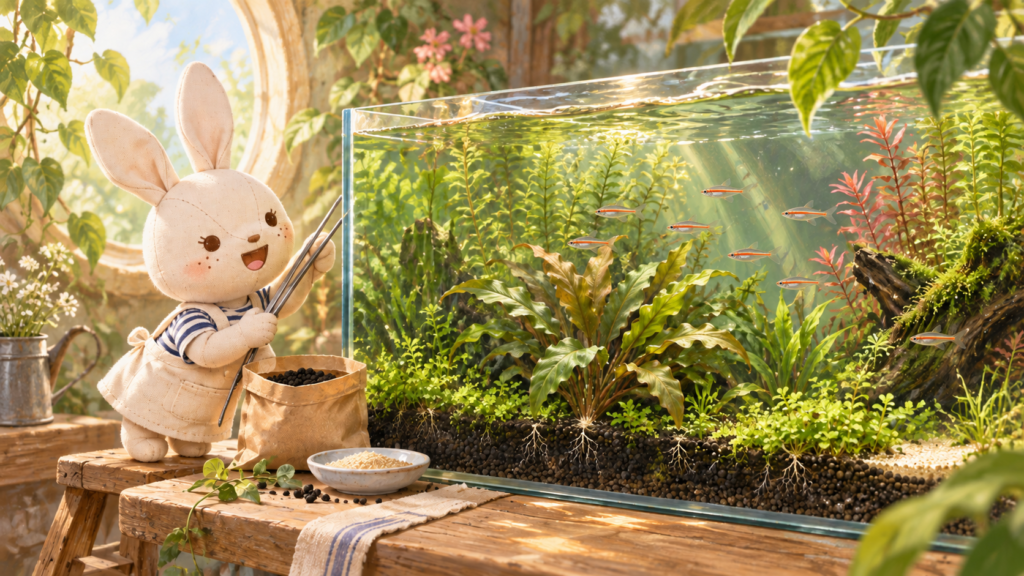 アイのアクアグッズ案内水草用ソイルの選び方|土・砂の違いとおすすめ商品道具の特徴や使い方、選ぶときのポイントをアイが紹介します。記事はコチラ →
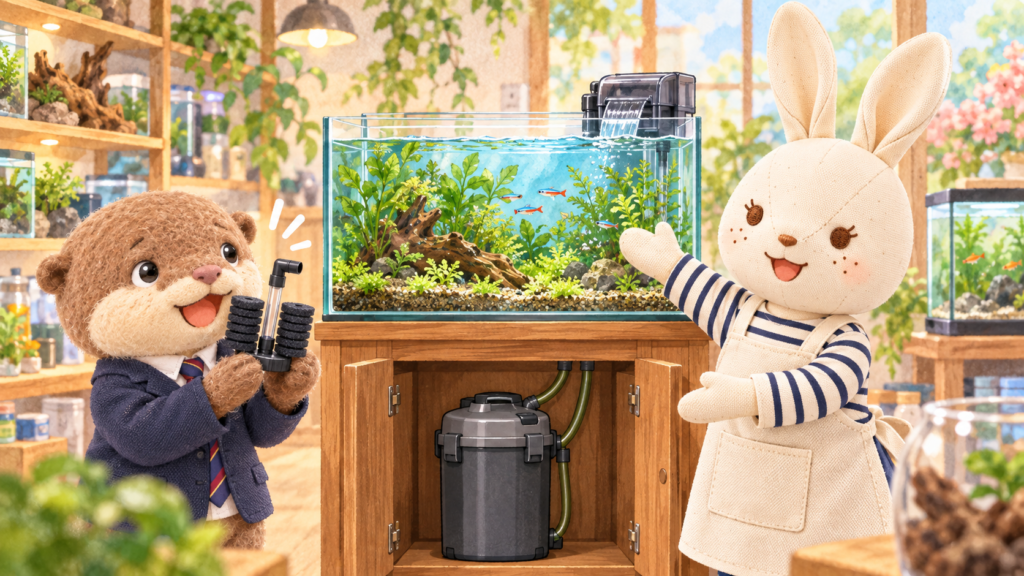 アイのアクアグッズ案内水槽フィルターの選び方|外掛け・外部・上部から小型オーバーフローまで道具の特徴や使い方、選ぶときのポイントをアイが紹介します。記事はコチラ →



コメント