

解説 / Description
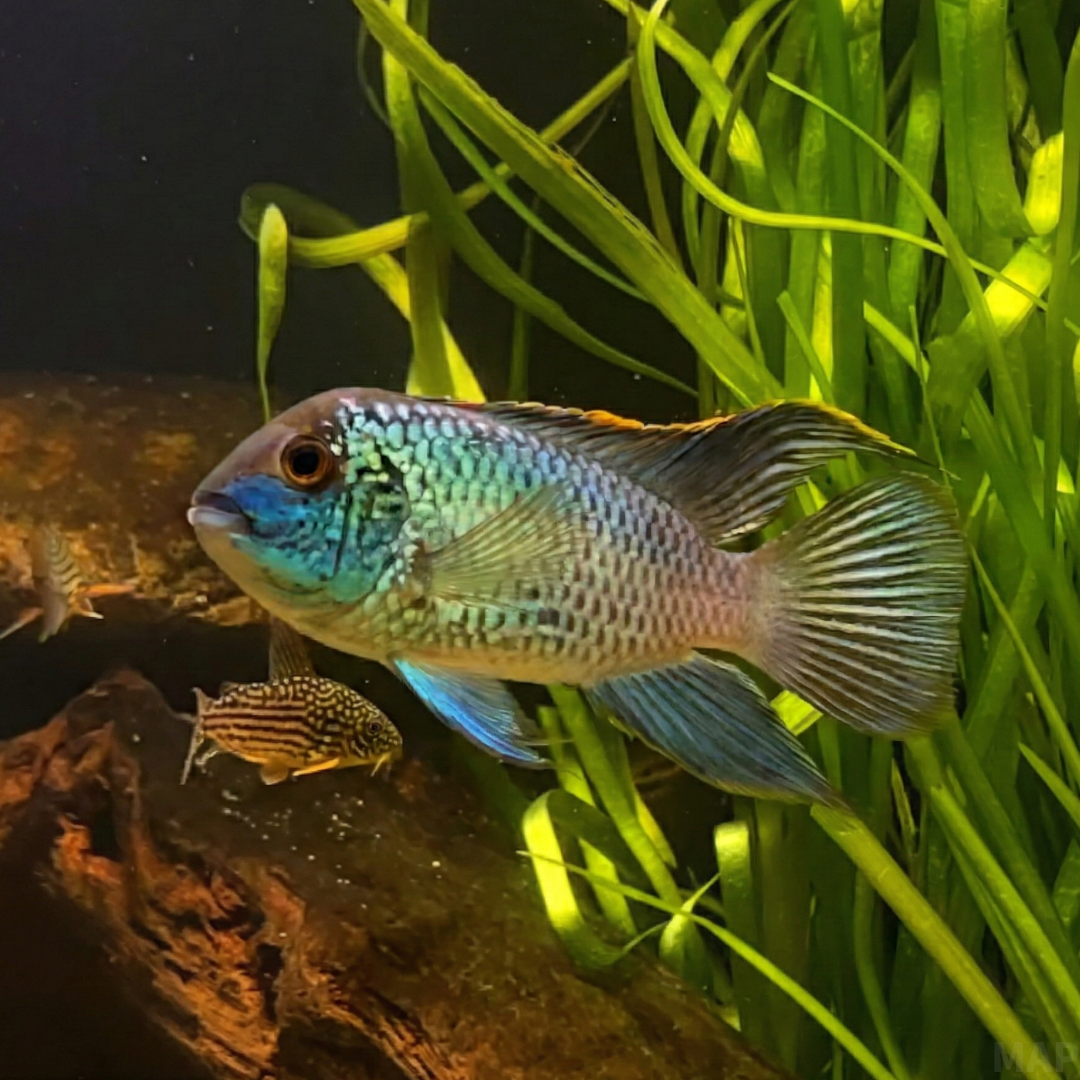
コバルトブルーアカラは、その名の通り、全身が鮮烈なメタリックブルーに輝く非常に美しい中型シクリッドです。まるで発光しているかのような青色は「エレクトリックブルー」とも称され、水槽内で圧倒的な存在感を放ちます。原種である「ブルーアカラ」からの改良品種ですが、その正確な作出過程には多くの謎が残されています。中型シクリッドの中では比較的温和で飼育もしやすく、ペアで仲睦まじく子育てをする姿も観察できるため、シクリッド飼育の入門種としても、またベテランアクアリストの鑑賞魚としても非常に人気があります。 The Electric Blue Acara is a stunning medium-sized cichlid, known for its vibrant, metallic blue coloration covering its entire body. True to its name, this “electric” blue hue gives it a commanding presence in any aquarium. While it is a selectively bred variant of the original Blue Acara, the exact details of its origin remain somewhat mysterious. Relatively peaceful for a cichlid and easy to care for, they are also known for their devoted parenting behavior. This makes them an excellent choice for both beginners looking to keep cichlids and experienced aquarists alike.
基本情報 / Basic Information
| 学名 / Scientific Name | Andinoacara pulcher var. |
|---|---|
| 通称 / Common Name | コバルトブルーアカラ、エレクトリックブルーアカラElectric Blue Acara |
| 分類 / Family | スズキ目 シクリッド科 アンディノアカラ属Cichlidae (Genus: Andinoacara) |
| 英名 / English Name | Electric Blue Acara |
| 分布 / Distribution | 改良品種のため自然界には存在しません(原種は南米のトリニダード・トバゴやベネズエラ)。主に東南アジアやヨーロッパで養殖されています。Does not exist in the wild as it is a tank-bred variant (The original species is from South America). Mainly bred in Southeast Asia and Europe. |
| 最大体長 / Max Size | 約13cm~15cm(最大で20cm近くになることもあります)Approx. 13-15 cm (Can reach up to 20 cm) |
| 寿命 / Lifespan | 5年~10年前後(遺伝的な要因により個体差があります)Around 5-10 years (Varies depending on genetic factors) |
飼育環境 / Aquarium Environment
| 水槽サイズ / Tank Size | 単独またはペア飼育の場合、60cm規格水槽(約60L)が最低ラインです。混泳を楽しむなら90cmスリム水槽や60cmワイド水槽(60×45×45cm)以上が推奨されます。Minimum 60cm standard tank (approx. 60L) for a single fish or a pair. Larger tanks like 90cm slim or 60cm wide are recommended for community tanks. |
|---|---|
| 水温 / Temperature | 22℃~28℃(24℃~26℃が最適) |
| 水質 / Water Quality | pH 6.0~7.5(弱酸性から中性)。日本の水道水(カルキ抜き後)で問題なく飼育可能です。pH 6.0-7.5 (Slightly acidic to neutral). Generally adaptable to dechlorinated tap water. |
| レイアウト / Layout | 底砂を掘り返す習性があるため、角のない細かい砂(田砂やボトムサンド)が適しています。水草を入れる場合は、流木や石に活着するアヌビアスやミクロソリウムなどの丈夫な「陰性水草」がおすすめです。Fine sand is recommended as they like to dig. For plants, sturdy species that attach to driftwood or rocks, such as Anubias or Microsorum, are ideal. |
| 注意点 / Precautions | 夏場の高水温(30℃以上)には弱いため、冷却ファンやクーラーでの対策が必要です。また、驚いた拍子に飛び出すことがあるため、水槽のフタは必須です。Sensitive to high temperatures (over 30°C); cooling measures are necessary in summer. A tight-fitting lid is essential to prevent jumping. |
餌と給餌 / Feeding
| 餌の種類 / Diet | 人工飼料をよく食べます。肉食性の強い雑食なので、シクリッド用フードや熱帯魚用の主食に加え、冷凍アカムシやブラインシュリンプをおやつとして与えると喜びます。色揚げ成分入りの餌を与えると、美しい青色がより際立ちます。Readily accepts artificial food. As omnivores leaning towards carnivory, they enjoy cichlid pellets, frozen bloodworms, and brine shrimp. Color-enhancing food helps maintain their vibrant blue. |
|---|---|
| 給餌のポイント / Feeding Tips | 大食漢ですが、消化不良を防ぐため、1日1~2回、数分で食べきれる量を与えてください。食べ残しは水質悪化の元となるため、こまめに取り除きましょう。Feed 1-2 times a day, only what they can consume in a few minutes to prevent indigestion and water pollution. |
性格と混泳 / Temperament and Tank Mates
| 性格 / Temperament | シクリッドの中では比較的温和な性格をしています。しかし、縄張り意識は持っており、特に繁殖期のペアは気が荒くなることがあります。また、「口に入る魚は餌」と認識するため、小型魚は捕食対象となります。Relatively peaceful for a cichlid, but territorial, especially when breeding. They will view any fish small enough to fit in their mouth as food. |
|---|---|
| 混泳の相性 / Compatibility | 中型カラシン(コンゴテトラなど)、中型シクリッド(セベラムなど)、コリドラスやプレコとの混泳は比較的上手くいきます。ネオンテトラやグッピーなどの小型魚、およびミナミヌマエビなどのエビ類は捕食されるため混泳できません。Compatible with medium-sized characins, other peaceful cichlids, Corydoras, and Plecos. Small fish like Neon Tetras and shrimp should be avoided as they will be eaten. |
病気と対策 / Diseases and Prevention
| かかりやすい病気 / Common Diseases | 水質悪化によるエロモナス感染症(穴あき病など)や、ストレスや栄養の偏りによるヘキサミタ症(頭部の穴あき)、水温変化による白点病にかかることがあります。Susceptible to Aeromonas infections (Hole-in-the-head), Hexamita due to stress or poor diet, and Ich (White Spot Disease) from temperature fluctuations. |
|---|---|
| 対策と予防 / Prevention | 定期的な水換えで清潔な水を保つことが最大の予防です。穴あき病の兆候が見られた場合は、早めの水換えと専用薬による薬浴を行います。ビタミンを含む餌を与えることで免疫力を高めるのも有効です。Maintaining clean water through regular changes is key. Early treatment with medication and immune-boosting vitamin-enriched food is effective for diseases. |
増やし方(繁殖) / Breeding
| 繁殖形態 / Reproduction | 平らな石や流木の上などに卵を産み付ける「基質産卵型」です。幼魚のうちから複数匹を飼育し、自然にペアができるのを待つのが確実です。ペアは協力して卵を守り、胸ビレで新鮮な水を送る「ファンニング」を行います。Substrate spawner; lays eggs on flat rocks or driftwood. It is best to raise a group of juveniles and let them pair off naturally. Parents will guard and fan the eggs. |
|---|---|
| 繁殖のポイント / Breeding Tips | ストレスを感じると親が卵を食べてしまうことがあります。繁殖を目指す場合は、ペアだけの静かな環境を用意しましょう。孵化した稚魚には、孵化させたばかりのブラインシュリンプを与えるのが生存率を高めるコツです。Parents may eat eggs if stressed. Provide a quiet, separate tank for breeding. Feeding freshly hatched brine shrimp to fry increases survival rates. |
雑学と豆知識 / Trivia and Fun Facts
| 1. 謎に包まれた「青」の起源1. The Mysterious Origin of the “Blue” | コバルトブルーアカラの鮮やかな青色がどのようにして生まれたのか、実は完全には解明されていません。現在最も有力な説は、南米の小型シクリッドである「ラミレジィ」のコバルトブルー変異個体と、原種のブルーアカラを人工授精などで交配させた「ハイブリッド(交雑種)」であるというものです。この奇跡的な組み合わせにより、アカラの丈夫な体と、ラミレジィの宝石のような青色が融合したと言われています。The exact origin of their vibrant blue color remains a mystery. The most prevailing theory is that they are hybrids, created by crossing the Electric Blue Ram with the original Blue Acara, combining the hardiness of the Acara with the gem-like color of the Ram. |
|---|---|
| 2. 学名の変更と分類の歴史2. Taxonomic History | かつて本種は Aequidens(エクイデンス)属に分類されていましたが、2009年の研究により、新たに設けられた Andinoacara(アンディノアカラ)属へと移されました。古い文献やベテランのアクアリストの間では、未だに「エクイデンス・プルヘール」という旧名で呼ばれることもあります。学問の世界でも日々研究が進み、名前が変わっていくのもアクアリウムの面白い側面です。Formerly classified under the genus Aequidens, they were reclassified to the new genus Andinoacara in 2009. You might still hear them referred to by their old name by veteran aquarists. |
| 3. 美しさと引き換えの繊細さ3. Beauty and Fragility | 鮮やかな青色を固定化するための品種改良や近親交配の影響により、原種に比べると遺伝的にやや繊細な面があるとも言われています。稀に背骨が短くなった「ショートボディ」の個体や、エラ蓋に変形が見られる個体が生まれることもあります。購入の際は、ヒレが綺麗に伸び、元気に泳ぎ回っている個体を選んであげることが、長く付き合うための第一歩です。Due to selective breeding, they can be genetically more fragile than the wild type. It’s important to select active, healthy individuals with well-formed fins when purchasing to ensure a long companionship. |
まとめ / Conclusion
コバルトブルーアカラは、そのメタリックブルーの美しさと、シクリッドらしい愛嬌のある行動で、水槽の主役になれる魚です。適切な環境を用意すれば、初心者の方でもその魅力を十分に楽しむことができます。 With its stunning metallic blue color and charming cichlid behavior, the Electric Blue Acara is a true centerpiece fish. With the right environment, even beginners can fully enjoy their beauty.
人為的に生み出された品種である彼らは、自然界には存在しません。最後まで責任を持って飼育し、絶対に川や湖に放流しないことが、私たちアクアリストの大切なルールです。この美しい青い宝石を、ぜひあなたの水槽で大切に育ててみてください。 As a man-made variety, they do not exist in the wild. It is our responsibility as aquarists to keep them responsibly and never release them into nature. Please cherish this beautiful blue gem in your aquarium.

気になる道具や飼い方を見つけてみませんか?
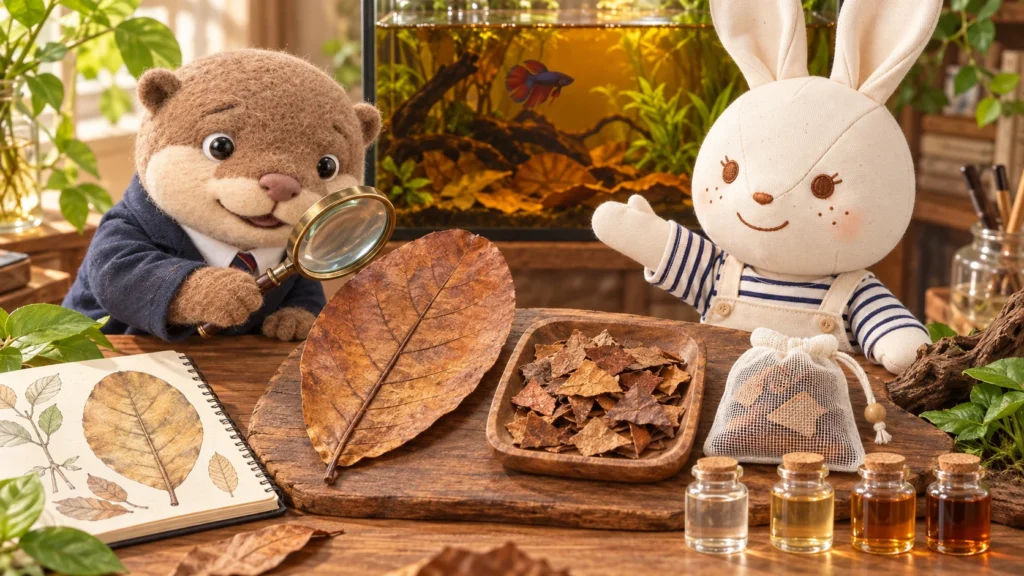 アイのアクアグッズ案内マジックリーフ物語|一枚の葉がアクアリウム用品になるまで道具の特徴や使い方、選ぶときのポイントをアイが紹介します。記事はコチラ →
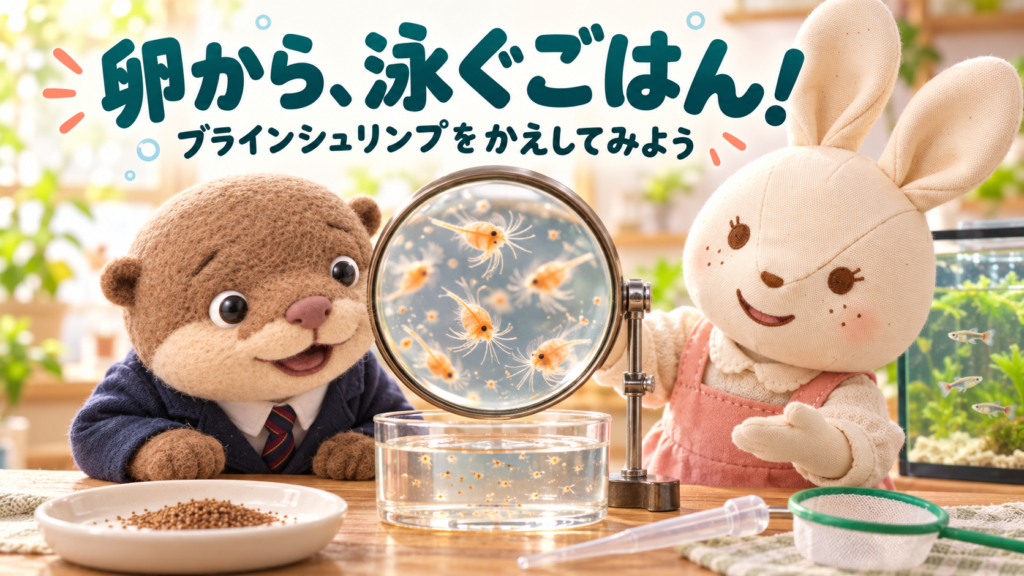 アイのアクアグッズ案内そのごはん、泳いでる! 卵から始めるブラインシュリンプの孵化と道具選び道具の特徴や使い方、選ぶときのポイントをアイが紹介します。記事はコチラ →
さまざまな飼育テーマをご紹介。リンク先の記事には広告・商品紹介が含まれます。
案内・紹介記事一覧へ →分布マップ
コバルトブルーアカラは改良品種のため自然界には存在しません。この地図では、原種の分布として記事内に記載されているトリニダード・トバゴからベネズエラ周辺を、分布イメージ用の概略代表地点として示しています。
※このマーカーは分布イメージ用の概略代表地点です。実際の採集地点や厳密な生息範囲を示すものではありません。コバルトブルーアカラ自体は人為的に作出された改良品種で、自然界には存在しません。
参考文献
この記事の「分類・分布・生息環境・飼育条件・繁殖・病気や注意点」を支える資料として、学術論文、分類データベース、公的・専門機関の疾病資料を中心に選定しました。店舗、通販、個人ブログ、まとめサイトは除外しています。
選定上の注記:コバルトブルーアカラ(Electric Blue Acara)は改良品種として流通する名称のため、分類・分布・野外生態は原種・基準種である Andinoacara pulcher の信頼資料を中心に補強しています。作出過程、ハイブリッド説、具体的な養殖地域、寿命、個別の混泳相手などは、学術論文・公的データベースだけでは十分に確認しにくいため、参考文献の根拠範囲からは外しました。
-
分類・分布・生息環境・水質・最大体長・食性・繁殖行動Froese, R. and Pauly, D. (eds.). FishBase. Andinoacara pulcher (Gill, 1858), Blue acara. 参照日:2026-07-06. FishBase species summary根拠範囲:Cichlidae / Cichlasomatinae、淡水・底中層性、pH、熱帯域、水域タイプ、トリニダードおよびベネズエラの分布、最大体長、ワーム・甲殻類・昆虫を中心とする食性、卵・仔魚を両親が保護する繁殖行動。
-
学名・シノニム・分類上の現在位置Fricke, R., Eschmeyer, W. N. and Van der Laan, R. (eds.). Eschmeyer’s Catalog of Fishes. Cychlasoma pulchrum Gill, 1858 / valid as Andinoacara pulcher (Gill, 1858). California Academy of Sciences. 参照日:2026-07-06. Catalog of Fishes record根拠範囲:原記載、旧学名・シノニム、現在有効名 Andinoacara pulcher、Cichlidae 内での分類、トリニダード・トバゴおよび隣接ベネズエラを中心とする分布。
-
旧属 Aequidens から Andinoacara への分類変更Musilová, Z., Říčan, O. and Novák, J. (2009). Phylogeny of the Neotropical cichlid fish tribe Cichlasomatini (Teleostei: Cichlidae) based on morphological and molecular data, with the description of a new genus. Journal of Zoological Systematics and Evolutionary Research, 47(3), 234–247. doi:10.1111/j.1439-0469.2009.00528.x根拠範囲:形態・分子データに基づく Cichlasomatini の系統解析、新属 Andinoacara の記載、旧 Aequidens 群からの再分類。
-
食性・卵生・基質産卵・親による保護Gomon, M. F. Fishes of Australia. Andinoacara pulcher (Gill 1858). 参照日:2026-07-06. Fishes of Australia species page根拠範囲:雑食性でワーム・甲殻類・昆虫を主に摂食する点、卵生の底生・基質産卵魚である点、約500卵までの産卵、親が卵・仔魚を保護する点。
-
分類確認・シノニム・外来記録の確認補助GBIF Secretariat. Andinoacara pulcher (Gill, 1858). GBIF Backbone Taxonomy / Catalogue of Life. 参照日:2026-07-06. GBIF taxon record根拠範囲:受容名、旧組み合わせ(Aequidens pulcher など)、一般名、導入記録の確認。飼育魚を野外へ放流しないという注意喚起を補強する背景資料。
-
水質悪化・ストレス・栄養・エロモナス感染症・ヘキサミタ/スピロヌクレウスFrancis-Floyd, R. and Petty, B. D. Disorders and Diseases of Fish. MSD Veterinary Manual. Last updated: Apr 2026. 参照日:2026-07-06. MSD Veterinary Manual根拠範囲:魚病の多くがストレス、水質悪化、過密、検疫不足と関係する点、シクリッドで問題となる Spironucleus / Hexamita、淡水観賞魚で一般的な Aeromonas 感染症、食餌・栄養管理の重要性。
-
白点病(Ich)・水温変動・感染拡大・予防Francis-Floyd, R., Yanong, R. P. E. and Pouder, D. B. Ichthyophthirius multifiliis (White Spot) Infections in Fish. University of Florida IFAS Extension, EDIS Publication FA006. 参照日:2026-07-06. UF/IFAS Extension publication根拠範囲:白点病の原因生物、淡水魚全般の感受性、直接生活環による感染拡大、水温変化・過密時の発生リスク、早期発見と治療・検疫の重要性。




コメント