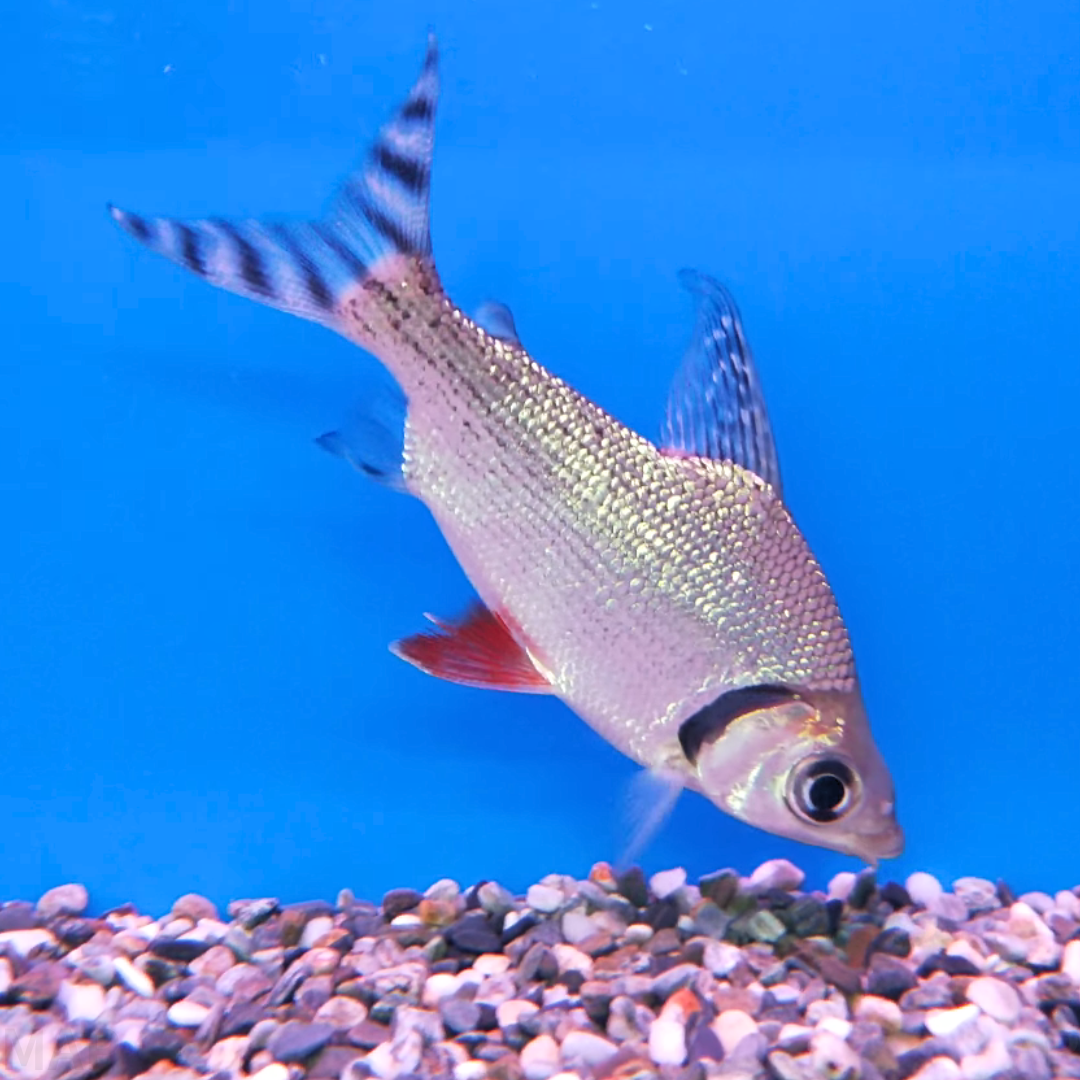
カラープロキロダスは、南米アマゾン川流域を原産とする中型〜大型のカラシンです。現地ブラジルでは「ジャラキ(Jaraqui)」と呼ばれ、マナウス市民の食卓を支える最もポピュラーな食用魚として親しまれていますが、日本のアクアリウム界ではその役割が一変します。銀色に輝くボディに、鮮やかな赤と黒の縞模様が入る尾ビレを持つこの魚は、「コケ取り能力」と「大型魚との混泳適性」において右に出るものがいないほど優秀な「タンクメイト」として重宝されています。アロワナや淡水エイといった主役級の魚たちが泳ぐ水槽で、美しい旗のような尾をなびかせながら懸命に掃除をする姿は、多くの愛好家にとって欠かせない存在となっています。The Flagtail Prochilodus, known locally in Brazil as “Jaraqui,” originates from the Amazon River basin. While it is a staple food fish sustaining the people of Manaus, its role transforms completely in the aquarium hobby. With its shimmering silver body and striking tail fin adorned with red and black stripes, this fish is prized as an exceptional tank mate due to its superior algae-eating abilities and compatibility with large predatory fish. In tanks housing showpiece fish like Arowanas and Stingrays, the sight of this fish diligently cleaning while waving its flag-like tail is indispensable to many enthusiasts.
アマゾン川中央流域(ブラジル、コロンビア、ペルー)Central Amazon River basin (Brazil, Colombia, Peru)
最大体長 / Max Size
約30〜35cm(飼育下ではやや小型化する傾向あり)Approx. 30-35cm (Tends to be slightly smaller in captivity)
寿命 / Lifespan
10年以上(長期飼育例も多い)10+ years (Often exceeds this with good care)
飼育環境 / Aquarium Environment
水槽サイズ / Tank Size
90cm規格水槽(約157L)以上推奨。遊泳力が高く、最終的には120cm以上の水槽が望ましい。90cm standard tank (approx. 157L) or larger recommended. Due to their high swimming ability, a 120cm+ tank is ideal for adults.
水温 / Temperature
24 – 28℃
水質 / Water Quality
pH 6.0 – 7.5(弱酸性〜中性)。軟水を好むが適応範囲は広い。pH 6.0 – 7.5 (Slightly acidic to neutral). Prefers soft water but is adaptable.
レイアウト / Layout
活発に泳ぎ回るため、遊泳スペースを広く確保します。底砂や流木をついばむ習性があるため、角の鋭い装飾物は避けてください。Provide ample swimming space as they are active swimmers. Avoid sharp decorations as they have a habit of pecking at substrates and driftwood.
注意点 / Precautions
驚くと勢いよく飛び跳ねることがあるため、水槽の蓋は隙間なく確実に閉め、重石を乗せるなどの対策が必要です。They are prone to jumping when startled. Ensure the tank lid is tightly secured and weighted down to prevent escape.
餌と給餌 / Feeding
餌の種類 / Diet
植物食性が強い雑食性。プレコ用フードなどの植物質飼料、コケ、デトリタス(有機堆積物)。Omnivorous with a strong preference for vegetation. Pleco wafers, algae, and detritus.
給餌のポイント / Feeding Tips
唇で削ぎ取るように食べるため、タブレット状の沈下性フードが適しています。水槽内のコケもよく食べますが、コケだけでは栄養不足になるため必ず補助的に餌を与えてください。Sinking tablets are suitable as they graze with their lips. While they eat aquarium algae effectively, supplemental feeding is necessary to prevent malnutrition.
性格と混泳 / Temperament and Tank Mates
性格 / Temperament
他種に対しては全く無関心で温和ですが、同種間(カラープロキロダス同士)では非常に激しく争います。Completely peaceful towards other species, but highly aggressive towards their own kind (conspecifics).
混泳の相性 / Compatibility
アロワナ、ポリプテルス、淡水エイなどの大型肉食魚との混泳に最適です。同種を混泳させる場合は、2〜3匹だと喧嘩で死に至ることもあるため、1匹単独にするか、逆に5匹以上入れて攻撃を分散させる必要があります。Ideal for tanks with large predatory fish like Arowanas and Stingrays. Avoid keeping 2-3 of them together; keep either a single specimen or a group of 5+ to disperse aggression.
病気と対策 / Diseases and Prevention
かかりやすい病気 / Common Diseases
基本的に非常に丈夫な魚ですが、水温変化による白点病や、水質悪化時のエロモナス感染症には注意が必要です。Generally very hardy, but susceptible to Ich from temperature fluctuations and bacterial infections from poor water quality.
対策と予防 / Prevention
大型魚の残飯処理役として飼育されることが多いため、水質が悪化しがちです。定期的な水換えと底砂の掃除を行い、清潔な環境を保つことが最大の予防です。As they are often kept as scavengers, water quality can degrade quickly. Regular water changes and substrate cleaning are the best prevention methods.
増やし方(繁殖) / Breeding
繁殖形態 / Reproduction
回遊性産卵(ピラセマ)。雨季に大群で川を遡上し、産卵を行います。Migratory spawning (Piracema). They migrate upstream in large shoals during the rainy season to spawn.
繁殖のポイント / Breeding Tips
自然界での壮大な回遊行動が繁殖のトリガーとなるため、一般的な水槽環境での繁殖は極めて困難であり、成功例はほとんど聞かれません。Breeding in captivity is extremely difficult and rarely successful, as their reproductive cycle is triggered by massive natural migrations.
雑学と豆知識 / Trivia and Fun Facts
1. 学名に込められた「旗」の意味 / 1. The Meaning of the “Flag” Name
学名の属名 Semaprochilodus は、ギリシャ語の「Sema(旗・合図)」に由来しています。これは彼らの背ビレや尾ビレにある鮮やかな模様が、濁ったアマゾンの水中でも仲間同士の視覚的な合図(シグナル)として機能していることを表しています。種小名の taeniurus は「帯状の模様がある尾」を意味し、その名の通り、彼らの尾ビレには美しい黒のストライプが刻まれています。The genus name Semaprochilodus comes from the Greek “Sema” (flag/signal), referring to their fin patterns acting as visual signals in murky waters. The species name taeniurus means “ribbon-tailed,” perfectly describing the beautiful black stripes on their caudal fin.
2. アマゾンの食卓と「チカド」の技 / 2. Amazonian Cuisine and “Ticado”
日本では観賞魚ですが、ブラジル・マナウスでは「庶民の魚」として愛されています。非常に美味ですが小骨が多いため、現地では「チカド(Ticado)」と呼ばれる独特の下処理技術が発達しました。これは魚の体に数ミリ間隔で細かく切れ込みを入れ、Y字型の小骨ごと切断してしまう技法です。これをカリカリに揚げた「ジャラキのフライ」は、現地の定番料理となっています。In Manaus, Brazil, this fish is a beloved staple food. To deal with its many small bones, locals use a technique called “Ticado,” making fine cuts every few millimeters along the body to sever the bones. Deep-fried “Jaraqui” is a classic local dish.
3. 「ジャラキを食べた者は…」 / 3. The Legend of Jaraqui
アマゾン地域には「ジャラキを食べた者は、もうここから去ることはできない」という有名な言い伝えがあります。これは、一度この地の豊かな恵み(ジャラキの味)を知れば、その魅力に取り憑かれ、アマゾンに定住するか、あるいは必ず戻ってくることになるという意味です。この魚は単なる食料を超え、地域の文化や誇りの象徴となっているのです。There is a famous Amazonian saying: “Whoever eats Jaraqui never leaves here.” It implies that once you taste the richness of the land, you will be enchanted and destined to stay or return. The fish is a cultural symbol of local pride.
4. 水中で歌う魚 / 4. The Singing Fish
彼らは「無言の住人」ではありません。実は、浮袋の周囲にある特殊な筋肉を振動させることで、「ググッ」「コッコッ」という音を発することができます。これは繁殖期の求愛や、群れの結束を保つためのコミュニケーション手段として使われています。現地の漁師たちは古くから、カヌーの底に耳を当ててこの音を聞き、魚の群れを探していました。They are not silent. By vibrating muscles around their swim bladder, they produce “grunting” or “knocking” sounds. This acoustic communication is used for courtship and maintaining shoal cohesion. Indigenous fishermen have long listened for these sounds to locate schools of fish.
まとめ / Conclusion
カラープロキロダスは、アマゾンの大自然が生んだ「たくましさ」と「美しさ」を兼ね備えた魚です。現地では人々の命をつなぐ糧として、そしてアクアリウムの世界では、大型魚たちが暮らす水槽の環境を守る頼もしいパートナーとして活躍しています。The Flagtail Prochilodus embodies both the resilience and beauty of the Amazon. It serves as a vital food source for locals and as a reliable partner in the aquarium world, maintaining the environment for large tank inhabitants.
もしあなたがアロワナやエイなどの大型魚を飼育していて、コケ掃除や食べ残しの処理に悩んでいるなら、この魚は最高の解決策となるでしょう。その美しい尾ビレをなびかせながら働く姿を見れば、なぜ彼らが日本のアクアリストたちにこれほど愛されているのか、きっと理解できるはずです。If you keep large fish like Arowanas or Stingrays and struggle with algae or leftovers, this fish is the perfect solution. Watching it work with its beautiful tail waving, you will understand why it is so cherished by aquarists in Japan.
Vari, R. P. (1983).Phylogenetic relationships of the families Curimatidae, Prochilodontidae, Anostomidae, and Chilodontidae (Pisces: Characiformes). Smithsonian Contributions to Zoology, 373, 1-60.
Ribeiro, M. C. L. B. & Petrere Jr., M. (1990).Fisheries ecology and management of the Jaraqui (Semaprochilodus taeniurus, S. insignis) in Central Amazonia. Regulated Rivers: Research & Management, 5(2), 195-215.
Goulding, M. (1980).The Fishes and the Forest: Explorations in Amazonian Natural History. University of California Press, Berkeley.
Araújo-Lima, C. A. R. M. & Ruffino, M. L. (2003).Migratory Fishes of the Brazilian Amazon. In: Carolsfeld, J. et al. (Eds.), Migratory Fishes of South America: Biology, Fisheries and Conservation Status. World Fisheries Trust, 233-302.
Vazzoler, A. E. A. de M. & Amadio, S. A. (1990).Aspectos biológicos de peixes amazônicos. XIII. Estrutura e comportamento de cardumes multiespecíficos de Semaprochilodus. Revista Brasileira de Biologia, 50(3), 537-546.
Yossa, M. I. & Araújo-Lima, C. A. R. M. (1998).Detritivory in two Amazonian fish species. Journal of Fish Biology, 52(6), 1141-1153.
Santos, G. M., Jégu, M. & de Merona, B. (1984).Peixes Comerciais de Manaus. INPA/Amazoniana, Manaus.
Winemiller, K. O. & Jepsen, D. B. (1998).Effects of seasonality and fish movement on tropical river food webs. Journal of Fish Biology, 53(A), 267-296.
Saint-Paul, U. et al. (2000).Fish communities in central Amazonian white- and blackwater floodplains. Environmental Biology of Fishes, 57, 235-250.
Batista, V. S. et al. (1998).Characterization of the commercial fish production landed at Manaus, Amazonas State, Brazil. Acta Amazonica, 28(3), 341-348.
Froese, R. & Pauly, D. (Eds). (2024).FishBase. World Wide Web electronic publication. www.fishbase.org.
Reis, R. E., Kullander, S. O. & Ferraris Jr., C. J. (2003).Check List of the Freshwater Fishes of South and Central America (CLOFFSCA). EDIPUCRS, Porto Alegre.
Castro, R. M. C. & Vari, R. P. (2004).Detritivores of the South American fish family Prochilodontidae. In: Malabarba, L. R. et al. (Eds.), Phylogeny and Classification of Neotropical Fishes. EDIPUCRS, Porto Alegre.
Junk, W. J. (1997).The Central Amazon Floodplain: Ecology of a Pulsing System. Springer-Verlag, Berlin.
Valenciennes, A. (1821).Histoires des poissons. (Original description of Semaprochilodus taeniurus).


 アイのアクアグッズ案内カルキ抜き・水質調整剤の選び方|水換えと水槽の種類に合わせて選ぶ道具の特徴や使い方、選ぶときのポイントをアイが紹介します。記事はコチラ →
 アイのアクアグッズ案内ラスボラ・ボララスの群泳を楽しむ飼育用品|水槽・ろ過・ヒーター・餌・水草道具の特徴や使い方、選ぶときのポイントをアイが紹介します。記事はコチラ →
 アイのアクアグッズ案内水槽用ヒーターの選び方|固定式・温度調節式と、水量に合うW数の考え方水槽の魚は冬に寒くない? アイとコタロウが水温計から固定式・温度調節式・分離式ヒーターまで比較。水量と室温に合うW数、設置場所、水換えや交換の注意点を、国内メーカーの商品とともに紹介します。記事はコチラ →
 アイのアクアグッズ案内テトラミンって、こんなにあるの? アイとコタロウのごはん探究旅道具の特徴や使い方、選ぶときのポイントをアイが紹介します。記事はコチラ →
コメント