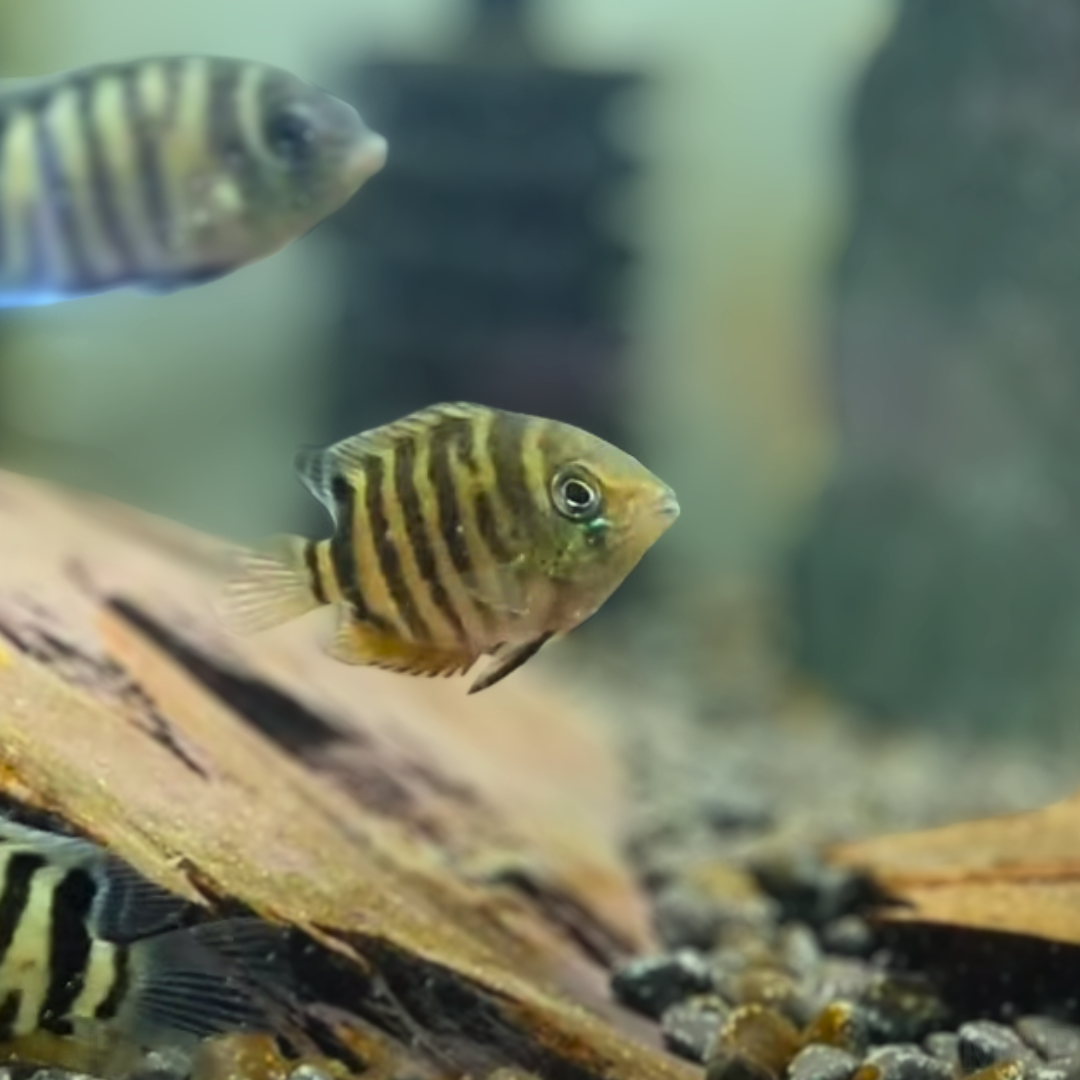
セベラム(ヘロス・エファスキアトゥス)は、南米アマゾン川流域に広く分布する中型のシクリッドです。その側扁した円盤状の美しい体型から、かつてはディスカスの代用として親しまれた歴史もありますが、現在ではその強健さや飼い主になつく高い知能が評価され、独自の地位を確立しています。野生個体は落ち着いたオリーブグリーンを基調としますが、改良品種では鮮やかな黄金色や赤色の斑点を持つ個体も多く、アクアリウムの主役として十分な存在感を放ちます。The Severum (Heros efasciatus) is a medium-sized cichlid widely distributed throughout the Amazon River basin. Due to its beautiful disc-shaped body, it was once known as the “poor man’s discus,” but today it holds a unique status thanks to its hardiness and high intelligence, showing a remarkable ability to recognize its owner. While wild specimens have a calm olive-green base color, captive-bred varieties often feature vibrant golden hues or red spots, making them a prominent centerpiece in any aquarium.
基本情報 / Basic Information
学名 / Scientific Name
Heros efasciatus (Heckel, 1840)
通称 / Common Name
セベラム、グリーン・セベラムSeverum, Green Severum
分類 / Family
キクラ目シクリッド科ヘロス属Cichliformes, Cichlidae, Heros
英名 / English Name
Severum, Banded Cichlid
分布 / Distribution
南米アマゾン川流域(ブラジル、ペルーなど)Amazon River basin (Brazil, Peru, etc.)
最大体長 / Max Size
約20センチメートルから25センチメートルApprox. 20-25 cm
寿命 / Lifespan
10年以上10+ years
飼育環境 / Aquarium Environment
水槽サイズ / Tank Size
90cm規格水槽(約160リットル)以上。複数飼育や混泳の場合は120cmワイド水槽(約250リットル以上)を推奨します。Standard 90cm tank or larger. A 120cm wide tank (250L+) is recommended for multiple specimens or community setups.
水温 / Temperature
24度から28度24-28 degrees Celsius
水質 / Water Quality
pH6.0から7.0(弱酸性から中性)。軟水を好みますが、適応範囲は広いです。pH 6.0-7.0 (Slightly acidic to neutral). Prefers soft water but is highly adaptable.
レイアウト / Layout
流木や岩を配置し、隠れ家を作ります。底砂は角のない細かい砂が適しています。水草は食害されやすいため、アヌビアスなどの強健な種を選びましょう。Provide driftwood and rocks for hiding spots. Fine sand is ideal for the substrate. Choose hardy plants like Anubias, as they may consume softer species.
注意点 / Precautions
大食漢で排泄量も多いため、強力な濾過フィルターと定期的な水換えが必須です。また、底砂を掘り返す習性があります。Strong filtration and regular water changes are essential due to their high waste output. Be aware of their habit of digging in the substrate.
餌と給餌 / Feeding
餌の種類 / Diet
人工飼料(ペレット、フレーク)、冷凍赤虫、茹でた野菜(ほうれん草、ズッキーニなど)。植物性の餌を好む傾向があります。Prepared foods (pellets, flakes), frozen bloodworms, and blanched vegetables (spinach, zucchini). They have a strong herbivorous tendency.
給餌のポイント / Feeding Tips
1日1回から2回、数分で食べきれる量を与えます。健康維持と色彩向上のため、植物性原料の豊富なフードを取り入れるのがコツです。Feed 1-2 times daily, providing only what they can consume in a few minutes. Incorporating vegetable-rich foods is key for health and coloration.
性格と混泳 / Temperament and Tank Mates
性格 / Temperament
シクリッドとしては比較的温和ですが、縄張り意識は持っています。特に繁殖期には攻撃性が増すため注意が必要です。Relatively peaceful for a cichlid but territorial. Caution is needed during breeding, as they become significantly more aggressive.
混泳の相性 / Compatibility
同程度のサイズのシクリッド、古代魚(ポリプテルスなど)、大型のカラシン(シルバーダラーなど)との相性が良いです。口に入るサイズの小魚は捕食されます。Compatible with similar-sized cichlids, ancient fish like Polypterus, and large characins like Silver Dollars. Avoid small fish that can fit in their mouth.
病気と対策 / Diseases and Prevention
かかりやすい病気 / Common Diseases
穴あき病(頭部付近に穴が開く症状)、細菌性感染症(アエロモナスなど)。Hole-in-the-head disease and bacterial infections such as Aeromonas.
対策と予防 / Prevention
硝酸塩の蓄積を防ぐ定期的な換水と、バランスの取れた給餌が最良の予防策です。発症時はグリーンFゴールド顆粒などでの薬浴、重症化すれば隔離と薬餌の投与を検討します。Regular water changes to prevent nitrate buildup and balanced nutrition are the best preventatives. Treat with antibacterial medications like Green F Gold if symptoms appear.
増やし方(繁殖) / Breeding
雌雄の判別 / Sexing
成熟したオスは背ビレと尻ビレが鋭く伸長し、頭部に複雑な模様が入ります。メスは全体的に模様が少なく、ふっくらとした体型になります。Mature males have longer, pointed dorsal and anal fins and intricate markings on the head. Females are generally plumper with fewer facial markings.
繁殖形態 / Reproduction
平らな石や流木に産卵する「基質産卵型」です。Substrate spawners that lay eggs on flat rocks or driftwood.
繁殖のポイント / Breeding Tips
ペアが成立すると産卵床を熱心に清掃します。産卵後は雌雄が協力して卵を扇ぎ、稚魚を守る献身的な子育てを観察できます。ストレスによる食卵を防ぐため、周囲を静かに保ちましょう。Pairs will diligently clean the spawning site. Both parents cooperate in fanning the eggs and protecting the fry. Keep the area quiet to prevent stress-induced egg eating.
雑学と豆知識 / Trivia and Fun Facts
1. ヨハン・ナッテラーが捧げた18年の歳月 / 1. Johann Natterer’s 18-Year Dedication
セベラムの歴史は、19世紀の過酷な探検から始まりました。オーストリアの博物学者ヨハン・ナッテラーは、ブラジルの奥地で実に18年もの歳月を調査に捧げました。多くの仲間が病や気候に倒れる中、彼がただ一人留まり採集した膨大な標本の中に、この魚が含まれていたのです。彼が持ち帰った標本をもとに1840年にヘッケルが記載したことで、私たちは今日、この美しい魚を知ることができています。The history of the Severum begins with the grueling expeditions of the 19th century. Austrian naturalist Johann Natterer spent 18 years exploring the Brazilian interior. While many of his companions succumbed to tropical diseases and harsh climates, Natterer remained alone, collecting vast numbers of specimens, including what we now know as the Severum. Based on these samples, Jakob Heckel scientifically described the species in 1840.
2. 100年以上にわたる「セベラム」の正体 / 2. A Century-Long Identity Crisis
実は、長年「ヘロス・セベルス」という名前で親しまれてきた個体の多くは、近年の研究により「ヘロス・エファスキアトゥス」であることが判明しました。本当の「セベルス」は腹部の縞模様が特徴的な別種であり、観賞魚市場で広く流通しているのは「エファスキアトゥス」なのです。2015年の分類学的再編により、ようやくその正体が科学的に整理されましたが、今でも愛称としての「セベラム」は多くのファンに親しまれています。For over a century, most fish sold as “Heros severus” were actually “Heros efasciatus.” True H. severus is a distinct species with specific abdominal banding patterns. It wasn’t until a major taxonomic review in 2015 that the common “Severum” found in the aquarium trade was correctly identified as H. efasciatus. Despite this clarification, the name “Severum” remains a beloved trade name worldwide.
3. アマゾンの森を育む「果実食者」 / 3. The Seed Dispersers of the Amazon
セベラムは、シクリッドの中でも珍しい「果実食」の傾向が強い魚です。雨季のアマゾンでは水位が上がり、森が水没します。彼らはその水没した森(イガポーやヴァルゼア)の奥深くまで泳ぎ入り、樹上から落ちてくる果実や種子を好んで食べます。食べた種子を別の場所で排泄することで、彼らは森の再生を助ける「種子散布者」としての重要な役割を担っているのです。Severums are unique among cichlids for their strong frugivorous (fruit-eating) tendencies. During the Amazon’s rainy season, the river rises and floods the surrounding forests (Igapó and Várzea). The Severums swim deep into these flooded forests to feast on fallen fruits and seeds. By excreting the seeds in different locations, they play a vital role as seed dispersers, helping the forest regenerate.
4. 飼い主を見分ける「顔認識」の知能 / 4. Intelligence and Facial Recognition
シクリッドは知能が高いことで知られていますが、セベラムも例外ではありません。最新の研究では、魚類には個体の「顔」を識別する能力があることが示唆されています。飼育下のセベラムも、水槽の前に立つのが誰なのかを視覚的に判断していると言われており、特定の飼い主にだけ「餌くれダンス」を見せたり、手から直接餌を食べるほどなつく個体も珍しくありません。まさに「泳ぐペット」と呼ぶにふさわしい存在です。Cichlids are renowned for their intelligence, and the Severum is no exception. Modern research suggests that some fish possess facial recognition capabilities. Captive Severums can visually distinguish their owners from strangers, often performing a “begging dance” or even hand-feeding only with their specific caretakers. They truly deserve the title of a “swimming pet.”
まとめ / Conclusion
ヘロス・エファスキアトゥス(セベラム)は、その美しさ、強健さ、そして何よりも飼い主とのインタラクティブな関係を築ける知性が最大の魅力です。90センチメートル以上のゆとりある水槽環境を用意し、植物質を意識した適切な給餌を行うことで、彼らは10年以上にわたってあなたの良きパートナーとなってくれるでしょう。Heros efasciatus (Severum) captivates aquarists with its beauty, hardiness, and, above all, the intelligence that allows for an interactive relationship with its owner. By providing a spacious aquarium environment of 90cm or larger and ensuring a diet rich in plant matter, they will become your steadfast companion for over a decade.
アマゾンの歴史や生態系に思いを馳せながら、この知性あふれる円盤状のシクリッドを育ててみませんか?きっと、ただの観賞魚を超えた、深い愛着を感じる素晴らしい体験が待っています。Why not welcome this intelligent, disc-shaped cichlid into your home while reflecting on the rich history and ecology of the Amazon? A wonderful experience awaits you, offering a deep bond that goes far beyond simply keeping an ornamental fish.
Heckel, J. J. (1840). Johann Natterer’s neue Flussfische Brasilien’s nach den Beobachtungen und Mittheilungen des Entdeckers beschrieben. Annalen des Wiener Museums der Naturgeschichte.
ヘロス属およびエファスキアトゥスの原記載論文。ヨハン・ナッテラーの探検記録に基づく。
Staeck, W., & Schindler, I. (2015). Description of a new Heros species (Teleostei, Cichlidae) from the Rio Orinoco drainage and notes on Heros severus Heckel, 1840. Bulletin of Fish Biology.
セベラムの分類学的再定義と、真のH. severusを特定した重要な研究資料。
Kohda, M., et al. (2019). If a fish can pass the mark test, what are the implications for consciousness and self-awareness testing? PLOS Biology.
大阪公立大学の研究チームによる魚類の鏡像認知(自己認識)に関する科学的知見。
Satoh, S., et al. (2016). Facial recognition in a cichlid fish. PLOS ONE.
シクリッドが個体の顔を識別する能力を持っていることを証明した行動学的研究。
Goulding, M. (1980). The Fishes and the Forest: Explorations in Amazonian Natural History. University of California Press.
アマゾン川の浸水林における魚類の食性(果実食)と生態系に関する古典的かつ決定的な文献。



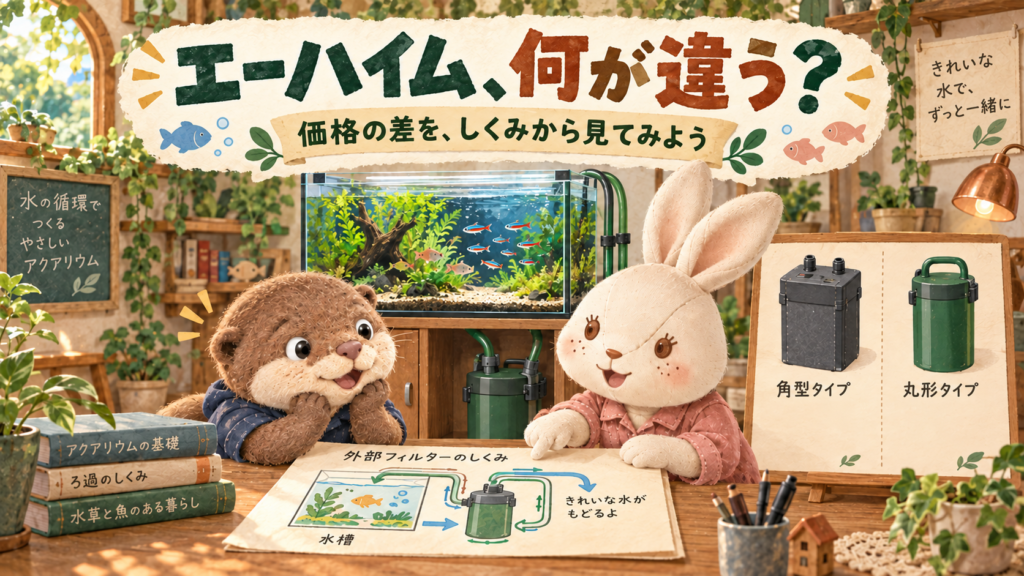 アイのアクアグッズ案内エーハイム、安いのと高いのは何が違う? コタロウと見比べる外部フィルター道具の特徴や使い方、選ぶときのポイントをアイが紹介します。記事はコチラ →
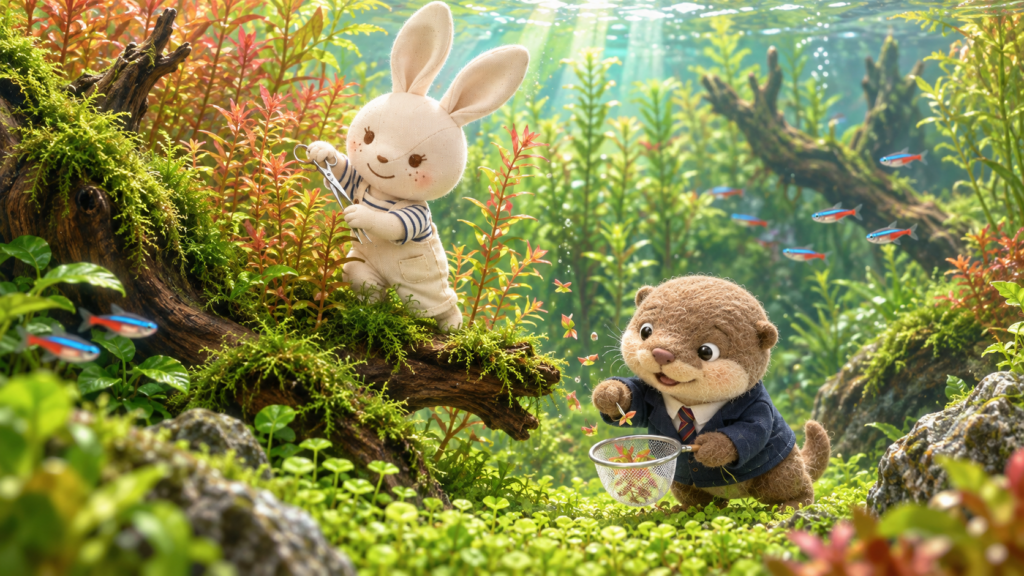 アイのアクアグッズ案内水草トリミングの道具とやり方|ハサミ・ピンセットを水草に合わせて選ぼう伸びすぎた水草は切っていい? 有茎草の差し戻し、前景草の絨毯、流木のモスを整える場面から、水草用ハサミ・ピンセット・ゴミ取りネットの選び方と片付けを紹介します。記事はコチラ →



コメント