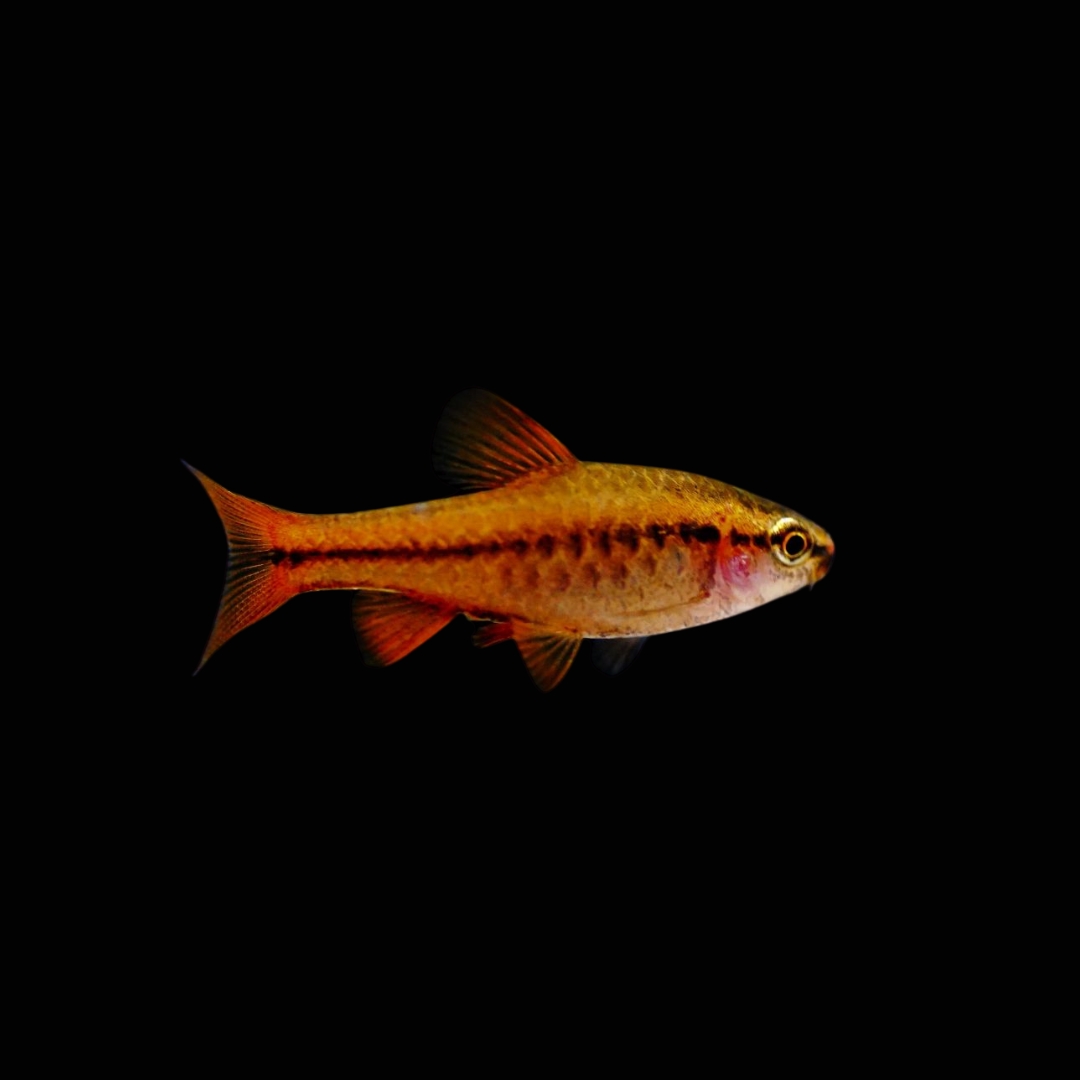
チェリーバーブは、スリランカ南西部の森林に覆われた小川を原産とする小型のコイ科魚類です。成熟したオスは深い赤色に染まり、落ち着いた水草水槽の中でひときわ目を引きます。一方で性格は比較的温和で、群れで飼育すると互いに軽く張り合いながら自然な行動を見せてくれるため、初心者から水草レイアウトを楽しむアクアリストまで幅広く親しまれています。The cherry barb is a small cyprinid fish native to shaded forest streams in southwestern Sri Lanka. Mature males develop a deep red coloration that stands out beautifully in planted aquariums. At the same time, it is generally peaceful and shows more natural behavior when kept in groups, making it popular among both beginners and planted aquarium enthusiasts.
基本情報 / Basic Information
学名 / Scientific Name
Rohanella titteya(旧学名として Puntius titteya が広く用いられてきました) (formerly widely known as Puntius titteya)
通称 / Common Name
チェリーバーブ、チェリーバルブCherry barb
分類 / Family
コイ目 コイ科 スミリオガストリナ亜科Order Cypriniformes, family Cyprinidae, subfamily Smiliogastrinae
英名 / English Name
Cherry Barb
分布 / Distribution
スリランカ南西部の湿潤地帯に固有分布します。主にケラニ川流域からニルワラ川流域にかけての、森林に覆われた浅く緩やかな小川や細流に生息します。Endemic to the wet zone of southwestern Sri Lanka, mainly from the Kelani River basin to the Nilwala River basin, where it inhabits shallow, slow-moving, shaded forest streams and rivulets.
最大体長 / Max Size
約4〜5cm。水槽内では4cm前後で落ち着くことが多い小型種です。About 4–5 cm. In aquariums, many individuals remain around 4 cm.
寿命 / Lifespan
おおむね3〜5年。良好な水質と落ち着いた環境を保てば、より長く楽しめる場合もあります。Generally 3–5 years. With stable water quality and a calm environment, some individuals may live longer.
飼育環境 / Aquarium Environment
水槽サイズ / Tank Size
少数なら45cm規格水槽以上でも飼育できますが、群れの行動や発色を楽しむなら60cm規格水槽以上が扱いやすいです。6匹以上の群れで飼う場合は、遊泳スペースと隠れ場所を両立しやすい60cm規格水槽を基本に考えると安定します。A 45 cm standard tank can work for a small group, but a 60 cm standard tank or larger is easier for observing group behavior and coloration. For groups of six or more, a 60 cm tank provides a better balance of swimming space and cover.
水温 / Temperature
22〜27℃前後。日本の冬季はヒーターで保温します。繁殖を狙う場合は26〜28℃程度にやや高めに整えることがあります。Around 22–27°C. In Japan, a heater is needed during winter. For breeding, temperatures are sometimes raised slightly to about 26–28°C.
水質 / Water Quality
弱酸性〜中性付近を好みますが、東南アジアなどで養殖された流通個体は日本の一般的な水道水にも比較的よく適応します。目安はpH6.0〜7.5前後、軟水〜中程度の硬度です。急変には弱いため、数値を追い込みすぎるよりも安定を優先します。It prefers slightly acidic to neutral water, although farm-bred aquarium strains usually adapt well to typical treated tap water. A practical range is around pH 6.0–7.5 with soft to moderately hard water. Stability is more important than chasing exact numbers.
レイアウト / Layout
暗めの底床、流木、水草、浮き草を組み合わせた落ち着いたレイアウトが向いています。原産地は森林の影が落ちる浅い小川であるため、強すぎる照明だけの開けた水槽よりも、陰影と隠れ場所を作った水草水槽のほうが本来の色が出やすくなります。A calm layout with darker substrate, driftwood, aquatic plants, and floating plants suits this species well. Its native habitat consists of shaded forest streams, so a planted aquarium with shadows and hiding places usually brings out better coloration than a bright, open tank.
注意点 / Precautions
単独や少数すぎる飼育では隠れがちになったり、特定の個体に追尾が集中したりすることがあります。最低でも5〜6匹以上、できればオス1に対してメス2程度の比率を意識すると、追い回しが分散しやすくなります。小型の稚エビや稚魚は捕食される可能性があるため、繁殖目的のシュリンプ水槽には向きません。When kept alone or in very small numbers, cherry barbs may hide more often or direct chasing behavior toward specific individuals. Keep at least five or six, and ideally maintain a ratio of about one male to two females to spread attention. Tiny shrimp and fry may be eaten, so this species is not ideal for shrimp-breeding tanks.
餌と給餌 / Feeding
餌の種類 / Diet
雑食性で、フレークフード、顆粒フード、小型魚用ペレットをよく食べます。色揚げを意識する場合は、アスタキサンチンやカロテノイドを含む色揚げ飼料、冷凍アカムシ、ブラインシュリンプ、ミジンコなどを補助的に与えるとよいでしょう。植物質を含む餌も少量取り入れるとバランスが整います。It is omnivorous and readily accepts flakes, fine granules, and small pellets. To support red coloration, offer color-enhancing foods containing astaxanthin or carotenoids, along with frozen bloodworms, brine shrimp, and daphnia as supplementary foods. A small amount of plant-based food also helps maintain balance.
給餌のポイント / Feeding Tips
1日1〜2回、数分で食べ切れる量を与えます。食欲が強いため与えすぎると肥満や水質悪化につながります。赤みを引き出したい場合でも、色揚げ餌だけに偏らせず、人工飼料を主軸にしながら冷凍餌や微小な生餌を組み合わせることが大切です。Feed once or twice a day, only as much as they can finish within a few minutes. Because they are eager feeders, overfeeding can lead to obesity and deteriorating water quality. Even when enhancing color, avoid relying on color foods alone; use quality prepared foods as the base and add frozen or tiny live foods in moderation.
性格と混泳 / Temperament and Tank Mates
性格 / Temperament
小型バーブの中では温和で、同種同士の小競り合いも多くは見せ合いや追尾の範囲に収まります。オスは発情時や他のオスと張り合うときに赤みが強くなり、フィンスプレッディングのような見応えのある行動を見せます。It is one of the more peaceful small barbs, and interactions within the group are usually limited to displays and chasing. Males become more intensely red when courting or competing with other males and may show attractive fin-spreading displays.
混泳の相性 / Compatibility
ラスボラ、ネオンテトラなどの小型カラシン、コリドラス、オトシンクルス、小型グラミーなど、同程度のサイズで温和な魚と相性がよいです。ヒレの長い魚や極端におとなしい魚では、環境によってはストレスを受ける場合があります。また、稚エビやごく小さな稚魚は餌として認識されることがあるため注意が必要です。Good tank mates include rasboras, small tetras, Corydoras, Otocinclus, and small gouramis of similar size and temperament. Very slow fish or fish with long flowing fins may be stressed in some setups. Tiny shrimp and very small fry may be treated as food.
病気と対策 / Diseases and Prevention
かかりやすい病気 / Common Diseases
比較的丈夫な魚ですが、導入直後や水温の急変、水質悪化があると白点病、尾ぐされ病、口ぐされ病、エロモナス症などを発症することがあります。特に白点病は導入直後のストレスや水温変化で出やすいため注意します。It is generally hardy, but after introduction, sudden temperature changes, or poor water quality, it may develop ich, fin rot, mouth rot, or bacterial infections such as Aeromonas-related disease. Ich is especially common when stress or temperature fluctuation occurs after introduction.
対策と予防 / Prevention
予防の基本は、水合わせを丁寧に行い、過密飼育と過剰給餌を避け、定期的な換水で水質を安定させることです。病気が疑われる場合は早めに隔離し、症状に合った観賞魚用薬品を使用します。薬浴時は水草やエビへの影響が出ることもあるため、混泳水槽では隔離治療が扱いやすいです。Prevention starts with careful acclimation, avoiding overcrowding and overfeeding, and maintaining stable water through regular water changes. If disease is suspected, isolate the fish early and use an appropriate aquarium medication. Because some treatments affect plants or shrimp, separate treatment is often easier in community tanks.
増やし方(繁殖) / Breeding
雌雄の判別 / Sexing
オスは体が比較的細く、成熟すると全身が赤く染まりやすいです。メスは体高があり、腹部がふっくらしやすく、体色は黄褐色から淡い褐色で、側面のラインが目立つ傾向があります。改良品種では雌雄とも赤みが強い場合があるため、体型や腹部の張りも合わせて判断します。Males are generally slimmer and develop stronger overall red coloration when mature. Females are deeper-bodied, often fuller in the belly, and usually show a yellowish to pale brown body with a visible lateral stripe. In selectively bred red strains, both sexes may show strong red, so body shape and belly fullness should also be considered.
繁殖形態 / Reproduction
水草や底床付近に卵をばらまく、ばらまき産卵型です。親魚は卵や稚魚を保護せず、産み落とした卵を食べることもあります。It is an egg-scattering species that releases eggs among plants or near the substrate. The parents do not guard the eggs or fry and may eat their own eggs.
繁殖のポイント / Breeding Tips
繁殖を狙う場合は、ウィローモスや産卵モップ、底面メッシュなどを入れた小型の繁殖水槽を用意します。発色のよいオスと腹部のふくらんだメスを入れ、弱酸性寄りの安定した水質と26〜28℃前後の水温に整えると産卵を誘発しやすくなります。産卵後は親魚を取り出し、孵化後の稚魚にはインフゾリアや稚魚用液体飼料から始め、成長に合わせて孵化直後のブラインシュリンプへ移行します。For breeding, prepare a small spawning tank with Java moss, spawning mops, or a bottom mesh. Introduce a well-colored male and a full-bodied female, and maintain stable slightly acidic water at around 26–28°C to encourage spawning. Remove the adults after spawning. Newly free-swimming fry should first receive infusoria or liquid fry food, then newly hatched brine shrimp as they grow.
雑学と豆知識 / Trivia and Fun Facts
1. 旧プンティウス属からロハネラ属へ / 1. From Puntius to Rohanella
チェリーバーブは長く Puntius titteya として知られてきましたが、近年の分子系統学的研究により、スリランカ産小型バーブ類の分類は大きく見直されています。現在は、スリランカの魚類研究に大きく貢献したRohan Pethiyagoda氏にちなんだ Rohanella 属に置かれる扱いが広がっています。古い図鑑や販売ラベルでは旧学名のPuntius titteyaも使われているため、情報を探すときは両方の名前で調べると見つけやすくなります。The cherry barb was long known as Puntius titteya, but recent molecular studies have reshaped the classification of Sri Lankan small barbs. It is now increasingly treated as the sole species of the genus Rohanella, named in honor of Rohan Pethiyagoda, a major contributor to Sri Lankan ichthyology. Older books and trade labels may still use Puntius titteya, so searching under both names can help you find information.
2. 赤い体色はただの飾りではない / 2. Red Color Is More Than Decoration
チェリーバーブのオスが見せる鮮やかな赤は、アクアリストにとって大きな魅力ですが、魚自身にとっても重要な意味を持つと考えられています。研究では、オスの赤みの強さが繁殖能力や配偶者選択と関係することが示唆されています。つまり水槽内で赤く美しい個体を育てることは、単に鑑賞価値を高めるだけでなく、ストレスの少ない環境、適切な栄養、成熟した社会行動が整っているサインとしても見ることができます。The brilliant red of male cherry barbs is a major attraction for aquarists, but it is also thought to carry biological meaning for the fish. Studies suggest that the intensity of male redness is linked to reproductive traits and mate choice. In an aquarium, raising richly colored males is therefore not only about appearance; it can also reflect low stress, proper nutrition, maturity, and healthy social behavior.
3. 水槽の小さなお掃除役としての一面 / 3. A Small Helper in the Aquarium
チェリーバーブは温和な観賞魚として知られていますが、雑食性で好奇心が強く、カワコザラガイなどの小さなスネールの稚貝、ヒドラ、プラナリアのような微小な生物をついばむことがあります。そのため、水草水槽では増えすぎた小型スネールの抑制に役立つ場合があります。ただし、完全な駆除役として期待しすぎるのは禁物です。大発生した場合は、餌の量、掃除、トラップなどを組み合わせて原因から整える必要があります。Although known as a peaceful ornamental fish, the cherry barb is an inquisitive omnivore and may peck at tiny snails, hydra, planaria, and other small organisms. In planted aquariums, it can sometimes help suppress small pest snails. However, it should not be expected to completely eradicate outbreaks. When pests become numerous, feeding control, cleaning, traps, and general husbandry adjustments are also necessary.
4. シュリンプ水槽では味方にも敵にもなる / 4. A Friend or Foe in Shrimp Tanks
スネールやヒドラをついばむ性質は便利ですが、その同じ性質は稚エビにとってリスクになります。ミナミヌマエビやレッドチェリーシュリンプの成体と混泳できることはありますが、繁殖したばかりの稚エビや脱皮直後の個体は捕食される可能性があります。エビを増やすことを目的にした水槽では、チェリーバーブは避けたほうが安全です。混泳する場合は、ウィローモスや複雑な流木など、エビが完全に隠れられる場所を多めに用意します。The same habit that makes cherry barbs useful against tiny snails or hydra can become a risk for shrimp. Adults of species such as Neocaridina may coexist in some aquariums, but newborn shrimplets and freshly molted shrimp can be eaten. If the goal is to breed shrimp, cherry barbs are best avoided. If they are kept together, provide dense moss, complex driftwood, and hiding places where shrimp can fully escape.
5. 安価に流通する魚ほど、原産地を意識したい / 5. Common Fish Still Deserve Conservation Awareness
日本ではチェリーバーブは入手しやすい小型魚ですが、野生個体群はスリランカの森林伐採、河川改変、汚染、過去の採集圧などの影響を受けてきました。現在流通する個体の多くは人工繁殖個体と考えられますが、原産地では限られた湿潤林の小川に依存する固有種です。身近で丈夫な魚だからこそ、その背景を知って飼育することで、アクアリウムは単なる鑑賞から自然への理解につながっていきます。In Japan, cherry barbs are easy to obtain, but wild populations in Sri Lanka have been affected by deforestation, river modification, pollution, and past collecting pressure. Most aquarium fish in trade are thought to be captive-bred, yet the species remains a Sri Lankan endemic tied to limited wet-zone forest streams. Learning this background turns a familiar aquarium fish into a doorway for understanding nature and conservation.
まとめ / Conclusion
チェリーバーブは、丈夫さ、温和さ、美しい赤色、そして水草水槽との相性のよさを兼ね備えた、非常に扱いやすい小型熱帯魚です。60cm規格水槽を目安に、6匹以上の群れ、暗めの底床、水草や流木による隠れ場所、安定した弱酸性〜中性の水質を整えることで、本来の落ち着いた行動と鮮やかな発色を楽しみやすくなります。The cherry barb is an easy-to-keep small tropical fish that combines hardiness, peacefulness, attractive red coloration, and excellent compatibility with planted aquariums. A group of six or more in a 60 cm standard tank, with darker substrate, plants, driftwood, hiding places, and stable slightly acidic to neutral water, will help bring out its natural behavior and vivid color.
一方で、稚エビや小さな稚魚を捕食する可能性があること、オスの追尾を分散させるために群れと性比を意識すること、そして野生個体群がスリランカの限られた環境に依存していることは覚えておきたいポイントです。身近な入門魚でありながら、分類学、行動生態、保全の物語まで楽しめる、奥行きのある一種です。At the same time, aquarists should remember that it may prey on tiny shrimp or fry, that group size and sex ratio help reduce excessive chasing, and that wild populations depend on limited habitats in Sri Lanka. Although it is a familiar beginner-friendly fish, it also offers a rich story involving taxonomy, behavior, and conservation.
Sudasinghe, H., Rüber, L. & Meegaskumbura, M. (2023). Molecular phylogeny and systematics of the South Asian freshwater-fish genus Puntius (Teleostei: Cyprinidae). Zoologica Scripta, 52(6), 571-587. https://doi.org/10.1111/zsc.12618 旧 Puntius titteya を含む南アジア産小型バーブ類の系統分類を整理し、Rohanella 属の扱いを確認するための主要文献です。
Fricke, R., Eschmeyer, W. N. & Van der Laan, R. (eds.). Eschmeyer’s Catalog of Fishes: Genera, Species, References. California Academy of Sciences. Online version updated 19 May 2026. 学名、記載者、シノニム、タイプ産地、現在の有効名を確認するための魚類分類データベースです。
IUCN Red List. Cherry Barb, Puntius titteya. The IUCN Red List of Threatened Species. 野生個体群の保全状況、危急種評価、減少傾向、生息地への脅威を確認するために参照しています。
Seriously Fish. Puntius titteya Deraniyagala, 1929, Cherry Barb. Seriously Fish species profile. 自然環境、水質、群れでの飼育、混泳、繁殖など、アクアリウム向けの実用情報を確認するために参照しています。
Fukuda, S. & Karino, K. (2014). Male red coloration, female mate preference, and sperm longevity in the cyprinid fish Puntius titteya. Environmental Biology of Fishes. オスの赤い体色とメスの配偶者選択、精子寿命との関係を扱った行動生態学的研究として参照しています。
Mieno, H. & Karino, K. (2019). Female body coloration as a signal of egg quality in the cyprinid fish Puntius titteya. Ichthyological Research. メスの体色と卵サイズ・繁殖投資に関する記述を補強するための行動生態学的文献です。
Ranasinghe, T. (2025). A critical commentary on “The first complete mitochondrial genome of Rohanella titteya (Cypriniformes: Cyprinidae) and its phylogenetic analysis” by Tao et al. (2025). Zootaxa, 5689(2), 392-394. https://doi.org/10.11646/zootaxa.5689.2.9 2025年に発表されたミトコンドリアゲノム研究に対する分類学的・倫理的な論点を確認するための補助文献です。



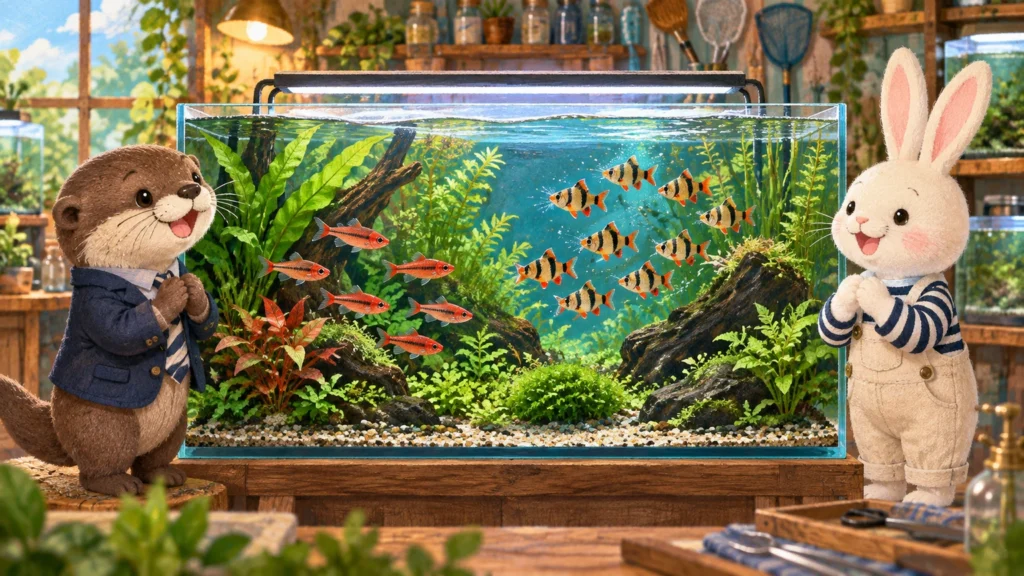 アイのアクアグッズ案内バルブの仲間に合わせる飼育用品|チェリーバルブ・スマトラ・中型種の水槽とろ過道具の特徴や使い方、選ぶときのポイントをアイが紹介します。記事はコチラ →
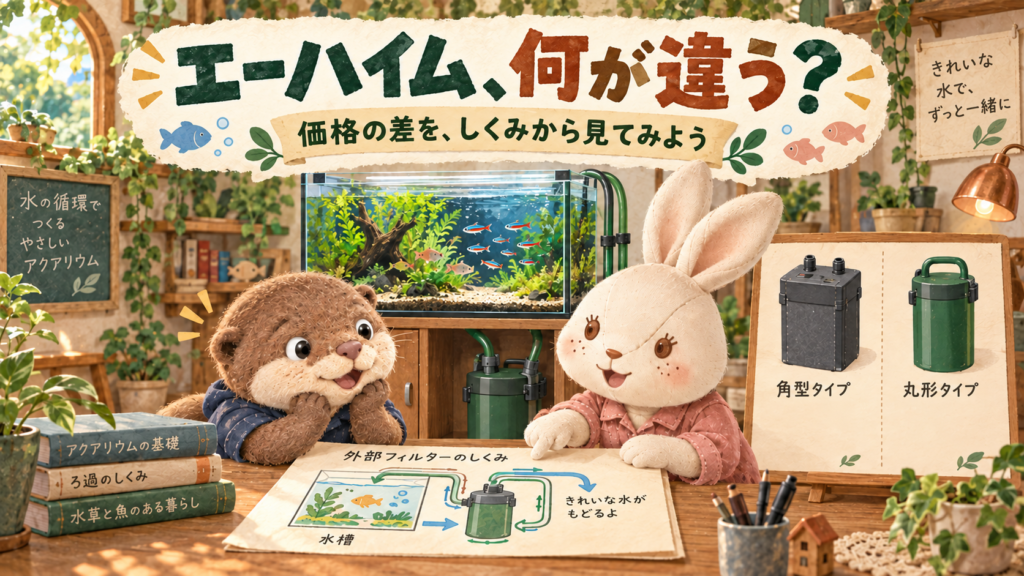 アイのアクアグッズ案内エーハイム、安いのと高いのは何が違う? コタロウと見比べる外部フィルター道具の特徴や使い方、選ぶときのポイントをアイが紹介します。記事はコチラ →



コメント