


解説 / Description
クラウンテール・ベタ(ブラックオーキッド)は、改良ベタの代表種であるベタ・スプレンデンスから作出された観賞用品種です。鰭膜が短く、軟条が王冠の先端のように突出するクラウンテール形質と、黒い体色に青い虹色光沢が重なるブラックオーキッド系の色彩が見どころです。一般的なオスのベタと同じく単独飼育が基本ですが、クラウンテールは鰭先が傷みやすいため、強い水流、急な水質変化、硬度が高すぎる水を避け、安定した小型水槽で丁寧に管理すると魅力を引き出しやすくなります。 The Crowntail Betta Black Orchid is an ornamental strain derived from the domesticated Siamese fighting fish, Betta splendens. Its appeal comes from the crowntail fin form, where reduced webbing makes the fin rays project like the points of a crown, combined with a Black Orchid color pattern of dark body tones and blue iridescent highlights. Like most male bettas, it is best kept alone, but the exposed fin tips need careful protection from strong current, unstable water quality, and overly hard water.
基本情報 / Basic Information
| 学名 / Scientific Name | Betta splendens Regan, 1910 |
|---|---|
| 通称 / Common Name | クラウンテール・ベタ、ブラックオーキッド、ショーベタCrowntail Betta, Black Orchid Betta, Show Betta |
| 分類 / Family | キノボリウオ目、オスフロネムス科、ベタ属。観賞魚店ではゴクラクギョ科、ラビリンスフィッシュの仲間として紹介されることもあります。Order Anabantiformes, family Osphronemidae, genus Betta. In aquarium contexts, it is also commonly introduced as a labyrinth fish or gourami relative. |
| 英名 / English Name | Crowntail Betta Black Orchid |
| 分布 / Distribution | 原種のベタ・スプレンデンスは東南アジアの低地湿地、緩やかな水路、水田周辺に由来します。文献により範囲の扱いに差がありますが、タイを中心にカンボジア、ラオス、ベトナムなどが原産域として挙げられます。クラウンテールやブラックオーキッドは野生採集魚ではなく、主に東南アジアの養殖・改良系統として流通します。Wild Betta splendens is associated with lowland wetlands, slow waterways, and rice-field habitats in Southeast Asia. The exact native range is treated differently among references, but Thailand is central, with Cambodia, Laos, and Vietnam often included. Crowntail and Black Orchid fish are not wild forms; they are domesticated strains circulated mainly through Southeast Asian breeding lines. |
| 最大体長 / Max Size | 体長はおよそ5から7cm。ショーベタでは、鰭を除いた体幹部の大きさや体型の均整も評価されます。Usually about 5 to 7 cm. In show bettas, body size excluding the fins and overall body balance are also evaluated. |
| 寿命 / Lifespan | 一般に2から3年ほど。購入時の月齢や輸送状態にも左右されるため、導入後は低ストレスで清潔な環境を整えることが大切です。Typically about 2 to 3 years. Age at purchase and shipping condition matter, so a clean, low-stress environment after introduction is important. |
飼育環境 / Aquarium Environment
| 水槽サイズ / Tank Size | 単独飼育で10L前後から管理できますが、水温と水質の安定を考えると10から20L程度、または小型の30cm規格水槽が扱いやすいです。小さすぎる容器は温度変化やアンモニア蓄積が起きやすいため、ヒーターと弱いろ過を安全に使えるサイズを選びます。For single keeping, around 10 L can work, but 10 to 20 L or a small 30 cm standard tank is easier to stabilize. Very small containers fluctuate quickly and can accumulate waste, so choose a tank that can safely hold a heater and gentle filtration. |
|---|---|
| 水温 / Temperature | 25から28度が目安です。低温では活動性や免疫が落ちやすく、消化不良や病気の原因になります。日本の冬は室温だけに頼らず、サーモスタット付きヒーターで安定させます。 Aim for 25 to 28°C. Low temperatures can reduce activity and immune function and may contribute to digestive problems or disease. In winter, use a thermostatic heater rather than relying on room temperature alone. |
| 水質 / Water Quality | 弱酸性から中性付近を目安に、pH6.5から7.5前後を安定させると管理しやすいです。極端な軟水化や急激なpH調整は避け、水道水の性質に合わせて少しずつ調整します。クラウンテールでは、硬度が高い環境で鰭先のカールが出やすいと飼育上いわれるため、硬度が高い地域ではRO水や精製水での希釈、マジックリーフ、流木、ヤシャブシの実などを少量使い、急変させずに穏やかな水に近づけます。Stable slightly acidic to neutral water, around pH 6.5 to 7.5, is practical for routine care. Avoid extreme softening or sudden pH adjustment, and adapt gradually to your tap water. Crowntails are often reported by keepers to show more fin-tip curling in hard water, so in hard-water areas, gradual dilution with RO or purified water and small amounts of Indian almond leaves, driftwood, or alder cones may help create gentler water. |
| レイアウト / Layout | 泳ぎが得意な魚ではないため、休める場所を複数作ります。ベタ用リーフ、角の丸い流木、アヌビアスやミクロソリウムなど葉の硬い水草、柔らかい人工シェルターが使いやすいです。浮草を少量入れると落ち着きやすくなりますが、ラビリンス器官で空気呼吸をするため、水面には必ず開いた場所を残します。Because it is not a powerful swimmer, provide several resting spots. Betta leaves, smooth driftwood, Anubias, Java fern, and soft shelters work well. A small amount of floating plants can make the fish feel secure, but always leave open surface space because bettas breathe atmospheric air with a labyrinth organ. |
| 注意点 / Precautions | 最も重要なのは低水流です。クラウンテールは鰭膜が短いため、水流にあおられると疲れやすく、尾かじりや軟条の折れにつながることがあります。スポンジフィルターを弱く使う、外掛け式フィルターの排水を壁面に当てる、吐出口にスポンジを付けるなどして流れを和らげます。鏡を使ったフレアリングは短時間の運動になりますが、長時間続けるとストレスになるため、数日に1回、数分程度にとどめます。Very gentle flow is essential. Because the webbing is reduced, crowntail fins can be pushed around easily, leading to fatigue, tail biting, or broken rays. Use a lightly driven sponge filter, deflect hang-on-back filter output against the tank wall, or baffle the outlet with sponge. Mirror flaring can provide brief exercise, but keep it to a few minutes occasionally to avoid stress. |
餌と給餌 / Feeding
| 餌の種類 / Diet | 主食にはベタ専用の浮上性人工飼料を使います。補助的に冷凍赤虫、乾燥または冷凍ブラインシュリンプ、イトミミズ系の餌などを少量与えると栄養に変化を付けられます。生餌は嗜好性が高い一方で水を汚しやすく、入手元によっては病原体の持ち込みもあり得るため、清潔な製品を選びます。Use a floating betta pellet as the staple food. Small portions of frozen bloodworms, dried or frozen brine shrimp, and worm-based foods can add variety. Live foods are attractive but can foul the water and may introduce pathogens depending on the source, so choose clean, reliable products. |
|---|---|
| 給餌のポイント / Feeding Tips | 1日1から2回、2から3分で食べ切る量を目安にします。腹部が大きく膨らむほど与え続けると、便秘、浮き袋の不調、水質悪化につながります。食べ残しはすぐ取り除き、週に1回程度は給餌量を控えめにして体型を確認すると管理しやすくなります。Feed once or twice a day, only as much as the fish finishes within about 2 to 3 minutes. Overfeeding until the belly swells can contribute to constipation, swim bladder issues, and poor water quality. Remove leftovers promptly and check body condition regularly. |
性格と混泳 / Temperament and Tank Mates
| 性格 / Temperament | オスは縄張り意識が強く、同種のオス同士は激しく争います。人に慣れやすく、給餌者を覚えて寄ってくるような行動も見られますが、個体差があり、環境が単調すぎると尾かじりを起こす個体もいます。Males are strongly territorial and will fight other male bettas. They often become responsive to their keeper and may learn feeding routines, but temperament varies, and some individuals may bite their own fins if stressed or under-stimulated. |
|---|---|
| 混泳の相性 / Compatibility | 基本は単独飼育が最も安全です。長い鰭や派手な色の魚、鰭をつつく魚、動きが速すぎる魚との混泳は避けます。広めの水槽では一部の穏やかな底生魚や貝類が候補になることもありますが、ベタの性格差が大きいため、混泳を前提に購入するより単独飼育を基準に考えます。Single keeping is safest. Avoid long-finned, brightly colored, fin-nipping, or overly active tank mates. In larger tanks, some calm bottom dwellers or snails may work, but individual temperament varies greatly, so plan for single housing as the default. |
病気と対策 / Diseases and Prevention
| かかりやすい病気 / Common Diseases | クラウンテールは鰭先が外へ露出するため、尾腐れ病、鰭溶け、カラムナリス症、水カビ病、コショウ病に注意します。鰭先の白濁、急に欠けるような溶け、綿毛状の付着物、鰭を閉じる行動、体表の細かな黄白色点、食欲低下が見られたら早めに隔離して観察します。Because the fin tips are exposed, crowntails need attention for fin rot, fin erosion, columnaris-like bacterial infections, fungal growth, and velvet disease. Cloudy fin tips, rapid fin loss, cottony growth, clamped fins, fine yellow-white dusting, or loss of appetite should prompt isolation and close observation. |
|---|---|
| 対策と予防 / Prevention | 予防の基本は、安定した水温、定期的な水換え、食べ残しの除去、低水流、鰭を傷つけないレイアウトです。軽い鰭傷みでは水換えと環境改善で回復することがあります。塩水浴や魚病薬を使う場合は、症状を見極め、説明書の用量と期間を守ります。国内製品では、細菌性の鰭トラブルには観パラD、グリーンFゴールド顆粒、エルバージュエースなど、外部寄生虫や水カビにはアグテン、ヒコサンZ、グリーンFリキッドなどが候補になりますが、水草、エビ、貝への影響には注意します。Prevention depends on stable warmth, regular water changes, removal of leftover food, gentle flow, and fin-safe decoration. Minor fin damage may recover with clean water and environmental correction. If using salt baths or medication, identify the likely problem and follow the product label for dose and duration. Choose medications appropriate to bacterial fin problems, external parasites, or fungal growth, and be careful with plants and invertebrates. |
増やし方(繁殖) / Breeding
| 雌雄の判別 / Sexing | オスは鰭が大きく、フレアリング時に鰭と鰓蓋を大きく広げ、体色も強く出る傾向があります。メスは体がやや丸みを帯び、腹部に白い産卵管が見えることがあります。ただし改良ベタではメスもよく発色するため、鰭の長さだけでなく体型、腹部、行動を総合して判断します。Males usually have larger fins, stronger flaring behavior, and more intense color. Females are often rounder and may show a small white ovipositor. In domesticated strains, females can also be colorful, so judge sex by body shape, abdomen, and behavior rather than fin length alone. |
|---|---|
| 繁殖形態 / Reproduction | 泡巣を作るバブルネストビルダーです。オスが水面に泡巣を作り、抱擁産卵後に落ちた卵を拾って泡巣へ戻します。孵化後しばらくはオスが世話をしますが、稚魚が泳ぎ出したらオスを隔離します。It is a bubble-nest builder. The male builds a nest at the surface, collects eggs after spawning embraces, and returns them to the nest. He guards the brood until the fry become free-swimming, after which the male is usually removed. |
| 繁殖のポイント / Breeding Tips | 繁殖水槽は低水位、弱い水流、安定した26から28度、やや軟水寄りの水が扱いやすいです。極端な硬水や強い水流は泡巣を保ちにくくすることがあります。ブラックオーキッドでは、黒色系統やマーブル系統の影響で色の再現性がばらつくことがあるため、親魚の血統、赤みの入り方、青い光沢の出方を確認して選別します。メラノ系の黒では雌の繁殖力に問題が出るとされる系統も知られるため、繁殖目的では経験者やブリーダーから系統情報を確認すると安心です。A breeding tank is easier to manage with shallow water, very gentle flow, stable 26 to 28°C warmth, and slightly soft water. Extremely hard water or strong current can make bubble nests harder to maintain. In Black Orchid lines, black-color and marble-related backgrounds can affect color stability, so select parents by lineage, red wash, and blue iridescence. Some melano-black lines are known among breeders for female fertility issues, so breeding projects benefit from lineage information from experienced keepers or breeders. |
雑学と豆知識 / Trivia and Fun Facts
| 1. クラウンテールは1990年代に広まった新しい鰭形 / 1. A Recent Fin Form from the 1990s | クラウンテールは、改良ベタの長い歴史の中では比較的新しい鰭形です。インドネシアで作出されたとされ、鰭膜が短く軟条が櫛や王冠のように目立つ姿がショーの場で注目されました。伝承的に語られる部分も多いため、個人名や細かな年については資料ごとに揺れがありますが、1990年代後半に国際的に知られるようになった品種という点は、複数のベタ関連資料で共通しています。The crowntail is a relatively recent fin form in the long history of domesticated bettas. It is generally associated with Indonesian breeding and became notable in show circles for its comb-like or crown-like rays. Some details, including personal names and exact dates, vary among hobby sources, but multiple betta references agree that it became internationally recognized in the late 1990s. |
|---|---|
| 2. ブラックオーキッドの魅力は黒と青の重なり / 2. Black Orchid Is a Layering of Black and Blue | ブラックオーキッドの美しさは、単なる黒一色ではありません。黒い地色に、虹色光沢を作る細胞の青い反射が重なることで、暗い体幹部と鰭に走る青いラインの対比が生まれます。流通個体の中にはマーブル系の影響で成長後に色が変わるものもあり、購入時には赤みの混入、青い光沢の広がり方、体の黒さの均一性を観察すると選びやすくなります。The beauty of Black Orchid is not simple solid black. Blue reflection from iridescent cells overlays a dark base color, creating contrast between the dark body and blue highlights along the fins. Some commercial fish may change color with age due to marble-related backgrounds, so it is useful to check for red wash, the distribution of blue sheen, and the evenness of the dark body at purchase. |
| 3. フィンカールは経験則として注意したいサイン / 3. Fin Curl Is a Practical Warning Sign | クラウンテールの鰭先がくるりと曲がるフィンカールは、硬度、加齢、鰭の成長差、水流、輸送時のダメージなど複数の要因が重なって起きると考えられています。硬度だけが原因と断定するのは避けるべきですが、硬い水で出やすいと感じる飼育者は少なくありません。見た目だけの問題で済む場合もありますが、鰭先が傷むと感染の入口にもなるため、低水流、安定した水質、柔らかなレイアウトで予防的に管理します。Fin curl, where the crowntail tips bend or twist, is likely influenced by several factors such as hardness, age, uneven fin growth, current, and shipping damage. Hardness should not be treated as the only proven cause, but many keepers report more issues in harder water. Mild curling may be mostly cosmetic, but damaged tips can become entry points for infection, so gentle flow, stable water, and smooth decor are practical preventive measures. |
| 4. 闘魚からショーフィッシュへ / 4. From Fighting Fish to Show Fish | ベタ・スプレンデンスは、低酸素の浅い水域でも空気呼吸で生きられるラビリンスフィッシュです。東南アジアでは古くから人の暮らしに近い水辺で知られ、強い縄張り性を利用した闘魚として選抜された歴史があります。現在のショーベタは、その歴史を背景にしつつ、闘争性ではなく色、鰭形、体型の美しさを評価する観賞魚文化の中で発展してきました。Betta splendens is a labyrinth fish that can breathe atmospheric air, helping it survive in shallow, low-oxygen waters. In Southeast Asia, it has long been associated with waters close to human life and was historically selected for territorial fighting behavior. Modern show bettas developed from that background into an ornamental culture focused on color, fin form, and body balance rather than fighting. |
まとめ / Conclusion
クラウンテール・ベタ(ブラックオーキッド)は、黒い体色、青い光沢、王冠のように尖る鰭が印象的な改良ベタです。学術的にはベタ・スプレンデンスの改良品種として扱い、分類や原産域は信頼できる魚類データベースと照らし合わせて確認するのが安全です。飼育では、単独飼育、安定した25から28度、清潔な水、弱い水流が基本になります。 The Crowntail Betta Black Orchid is a striking domesticated betta with a dark body, blue iridescence, and crown-like fins. Scientifically, it should be treated as an ornamental strain of Betta splendens, and taxonomy or native-range information is best checked against reliable fish databases. In care, the basics are single housing, stable 25 to 28°C warmth, clean water, and very gentle flow.
初心者にも飼育は可能ですが、コップのような極小容器で気軽に置く魚というより、鰭の状態を見ながら丁寧に仕上げるショーフィッシュとして向き合うと本来の美しさが出ます。硬度やブラックウォーター、フィンカールに関する情報は経験則も含むため、断定的に考えすぎず、自宅の水質と個体の反応を見ながら少しずつ調整してください。 Beginners can keep this fish, but it is better understood as a show fish to be maintained carefully rather than a fish for an extremely tiny cup. Information about hardness, blackwater, and fin curl includes keeper experience as well as practical observation, so avoid making sudden changes and adjust gradually based on your local water and the fish’s response.

気になる道具や飼い方を見つけてみませんか?
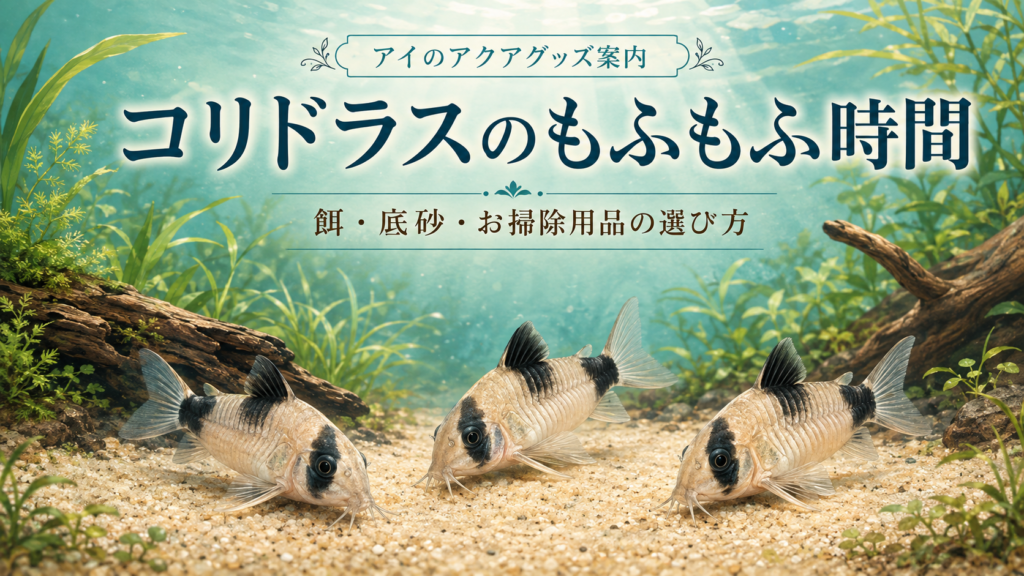 アイのアクアグッズ案内コリドラスのもふもふ時間を楽しむ|餌・底砂・お掃除用品の選び方コリドラスのもふもふする食事風景を楽しむために。沈む餌2種類の違い、口元に配慮した底砂、食べ残しを回収する道具を、アクアグッズナビゲーターのアイが紹介します。記事はコチラ →
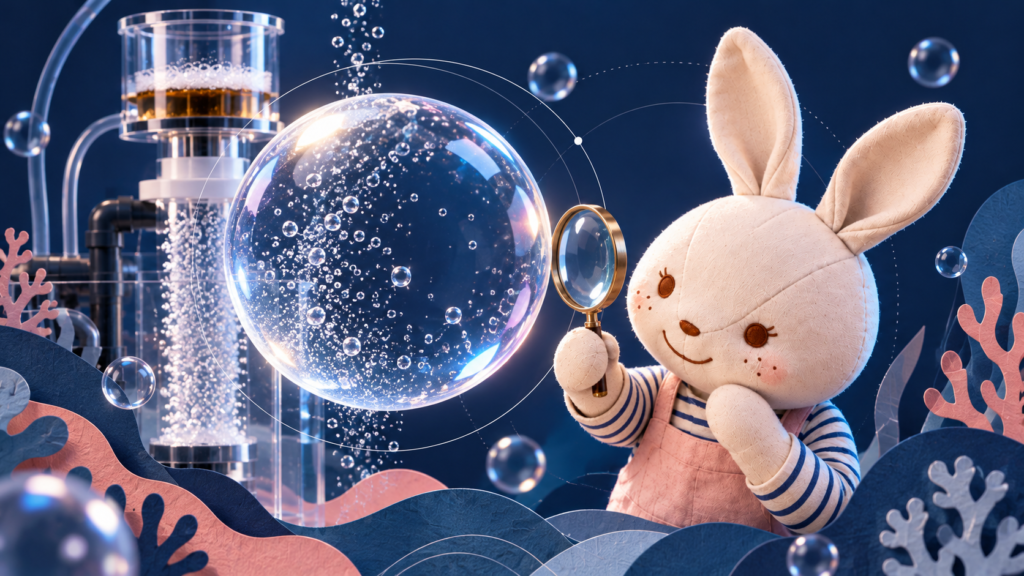 アイのアクアグッズ案内あい先生のアクアグッズ深堀り!|泡で汚れを取り出す? プロテインスキマーの歴史と仕組み道具の特徴や使い方、選ぶときのポイントをアイが紹介します。記事はコチラ →
さまざまな飼育テーマをご紹介。リンク先の記事には広告・商品紹介が含まれます。
案内・紹介記事一覧へ →参考文献・参照資料
この記事では、店舗・通販ページ、個人ブログ、まとめサイトを参考文献から除外し、分類、分布、生息環境、飼育条件、繁殖、病気や注意点の裏付けに使いやすい公的機関、国際データベース、査読論文、獣医学系資料、品評会公式基準を中心に選定しています。
-
FishBase. “Betta splendens, Siamese fighting fish.”
分類・体長・水温・pH・硬度・生息環境・食性・繁殖
ベタ・スプレンデンスの分類、最大体長、淡水性、pH、硬度、水温、止水域・水田・水路などの生息環境、昆虫幼虫などの食性、空気呼吸、泡巣形成、オス同士の闘争性を確認する基礎資料です。
https://www.fishbase.se/summary/Betta-splendens -
GBIF. “Betta splendens Regan, 1910.”
学名・命名者・分類
学名、命名者、分類階級の確認に使用します。分類体系はデータセットによって異なり、観賞魚向けの説明と学術データベースで表記が一致しない場合があります。
https://www.gbif.org/species/2393998 -
U.S. Fish and Wildlife Service. “Betta splendens (Siamese Fighting Fish) Ecological Risk Screening Summary.” 2019.
分布・導入記録・生態リスク
原産域、国外での導入・逸出記録、観賞魚としての流通背景、野外定着リスクを確認する資料です。分布範囲の扱いには資料による違いがあります。
https://www.fws.gov/sites/default/files/documents/Ecological-Risk-Screening-Summary-Siamese-Fighting-Fish.pdf -
IUCN Red List. “Betta splendens.”
保全状況・野生個体群・生息環境
野生型ベタ・スプレンデンスの保全状況、個体群動向、生息環境、脅威を確認するための資料です。改良品種として流通するクラウンテール・ブラックオーキッドと、野生個体群を混同しないために参照します。
https://www.iucnredlist.org/species/22732/50664030 -
CABI Compendium. “Betta splendens (Siamese fighting fish).”
分布・形態・導入情報
侵入生物・導入種の観点から、形態、分布、流通・導入に関する情報を補助的に確認する資料です。
https://www.cabidigitallibrary.org/doi/10.1079/cabicompendium.91346 -
Zhang, W. et al. “The genetic architecture of phenotypic diversity in the Betta fish (Betta splendens).” Science Advances, 2022.
改良品種・色彩・鰭形・遺伝的背景
改良ベタに見られる色彩、体型、鰭形、性決定、攻撃性などの表現型多様性をゲノム解析から扱う査読論文です。ブラックオーキッドやクラウンテールの個別命名史そのものではなく、改良ベタの多様な形質が遺伝的背景を持つことの裏付けとして参照します。
https://www.science.org/doi/10.1126/sciadv.abm4955 -
Wang, L. et al. “Genomic Basis of Striking Fin Shapes and Colors in the Fighting Fish.” Molecular Biology and Evolution, 2021.
鰭形・色彩・品種改良
ベタの鰭形や色彩差に関わる遺伝的基盤を扱う査読論文です。記事中の「改良品種では鰭形・色彩が選抜されてきた」という説明を支える資料として使用します。
https://pmc.ncbi.nlm.nih.gov/articles/PMC8321530/ -
International Betta Congress. “IBC Exhibition Standards Book 1: Show Bettas.”
クラウンテール基準・品評会基準
クラウンテールの鰭膜退縮、軟条、全体バランスなど、ショーベタとしての評価基準を確認する公式資料です。品評会基準は年次更新されるため、公開最新版を確認します。
https://www.ibcbettas.org/memberhome/standards/ -
MSD Veterinary Manual. “Management of Aquarium Fish.” Reviewed/Revised 2022; modified 2024.
飼育管理・水質・ストレス管理
観賞魚の飼育管理、水質、ろ過、ストレス、薬剤利用時の注意を確認する獣医学系資料です。記事中の「安定した水温・水質、過密や急変を避ける」という基本方針の裏付けに使います。
https://www.msdvetmanual.com/exotic-and-laboratory-animals/aquarium-fish/management-of-aquarium-fish -
University of Florida IFAS Extension. “Ammonia in Aquatic Systems.”
アンモニア・pH・水温・水質管理
アンモニア毒性、pHと水温の関係、水質検査の重要性を確認する資料です。小型水槽で水質が急変しやすいこと、定期的な水換えと水質測定が重要であることの補強に適しています。
https://ask.ifas.ufl.edu/publication/FA031 -
University of Florida IFAS Extension. “Fish Health Management Considerations in Recirculating Aquaculture Systems.”
水質測定・硬度・pH・日常管理
アンモニア、亜硝酸、pH、アルカリ度、溶存酸素、水温、硬度、塩分などを記録・管理する重要性を示す資料です。ベタ専用資料ではありませんが、水質管理の一般原則として有用です。
https://ask.ifas.ufl.edu/publication/FA101 -
MSD Veterinary Manual. “Bacterial Diseases of Fish.” Reviewed/Revised 2022; modified 2024.
細菌性疾患・ストレス要因・治療注意
観賞魚の細菌性疾患、悪い水質、有機物負荷、輸送、急な温度変化、低酸素などが発症リスクになることを確認する獣医学系資料です。尾腐れ、鰭傷み、導入直後の注意点を支える資料として使用します。
https://www.merckvetmanual.com/exotic-and-laboratory-animals/aquarium-fish/bacterial-diseases-of-fish -
Declercq, A. M. et al. “Columnaris disease in fish: a review with emphasis on bacterium-host interactions.” Veterinary Research, 2013.
カラムナリス症・原因菌・淡水魚の細菌感染
カラムナリス症の原因菌である Flavobacterium columnare と、淡水魚における病態を確認する査読レビューです。記事中の病気説明を過度に簡略化しすぎないための基礎資料です。
https://pmc.ncbi.nlm.nih.gov/articles/PMC3648355/
注記:ブラックオーキッドという流通名やクラウンテールの詳細な作出史には、愛好家団体・品評会資料・ブリーダー由来の情報が多く含まれます。上記の文献には、分類・生態・飼育管理・疾病予防に関する資料を挙げています。




コメント