
解説 / Description
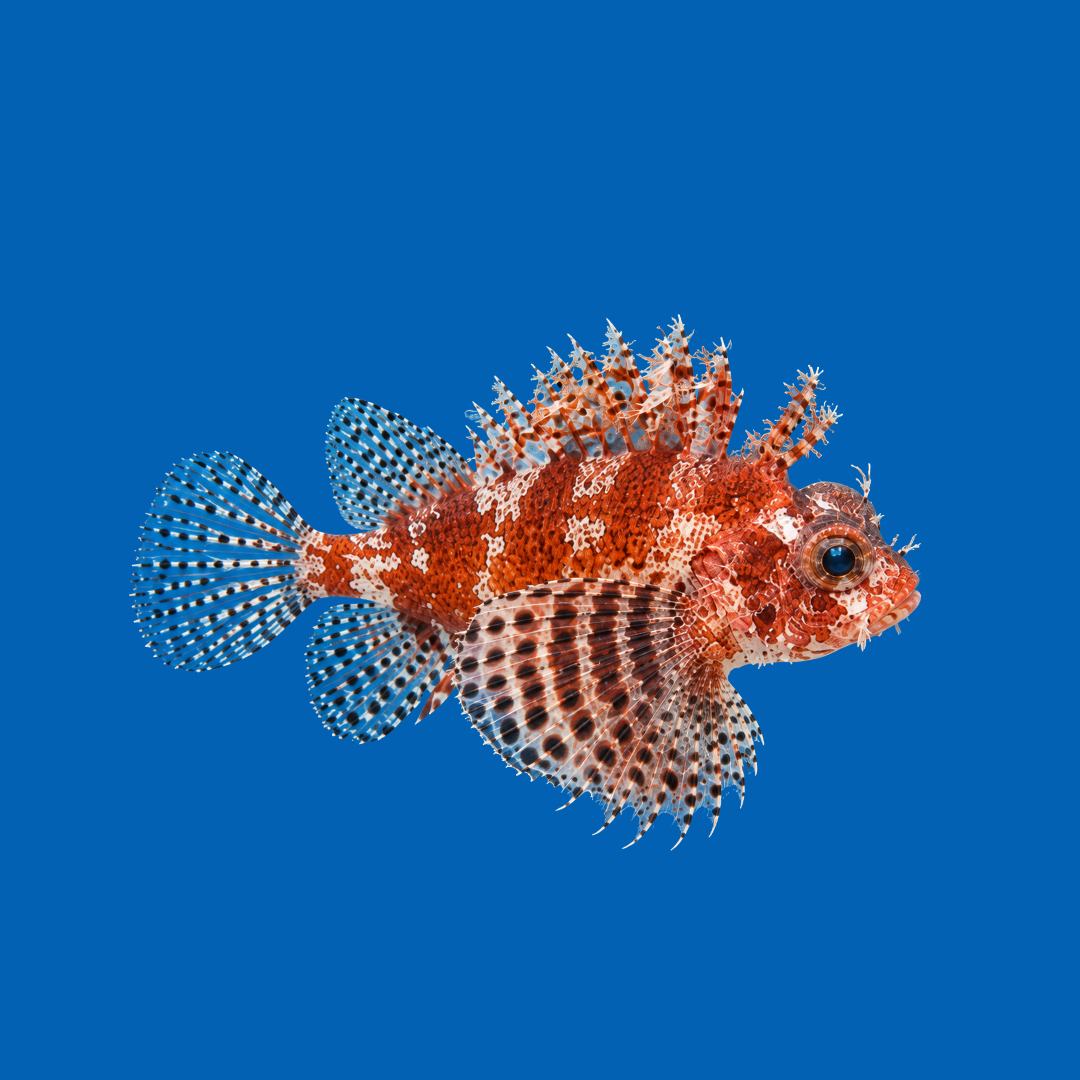
シマヒメヤマノカミは、扇のように広がる胸ビレと、赤褐色から褐色の体に重なる縞模様が印象的な、小型のミノカサゴの仲間です。頭部や体にある皮弁と呼ばれる皮膚の突起も体の輪郭を目立ちにくくし、岩や海藻のある場所では周囲に溶け込むような姿を見せます。日中は岩陰で休み、夜間を中心にエビやカニなどを捕食するため、明るい水槽を泳ぎ続ける魚とは異なる、静かな観察の楽しみがあります。飼育では、落ち着ける隠れ家と確実な餌付けが大切です。小柄でも小魚やエビを丸呑みにする捕食者であり、背ビレなどには毒棘があるため、混泳相手の選択と水槽内の作業には十分な配慮が必要です。 The fuzzy dwarf lionfish is a small lionfish with fan-shaped pectoral fins and bands across a reddish-brown to brown body. Skin appendages help break up its outline, allowing it to blend into rocky, algae-covered surroundings. It rests in shelter during the day and feeds mainly at night on shrimp, crabs, and other prey, offering a quieter kind of observation than constantly swimming aquarium fishes. Secure retreats and reliable feeding are central to its care. Despite its modest size, it can swallow small fishes and shrimp, and its venomous spines demand care when choosing companions or working inside the aquarium.
基本情報 / Basic Information
| 学名 / Scientific Name | Neochirus brachyptera (Cuvier, 1829) |
|---|---|
| 通称 / Common Name | シマヒメヤマノカミ。旧学名の Dendrochirus brachypterus でも知られています。Fuzzy dwarf lionfish; also known under its former scientific name, Dendrochirus brachypterus. |
| 分類 / Family | フサカサゴ科・ミノカサゴ亜科・シマヒメヤマノカミ属。従来はカサゴ目に分類されますが、目など上位の分類の扱いは分類体系によって異なります。Family Scorpaenidae, subfamily Pteroinae, genus Neochirus. Traditionally placed in Scorpaeniformes; the treatment of higher taxonomic ranks varies among classification systems. |
| 英名 / English Name | Fuzzy dwarf lionfish, Dwarf lionfish, Shortfin turkeyfish |
| 分布 / Distribution | インド洋北部・東部から西太平洋に分布し、日本の南部、東南アジア、オーストラリアなどで見られます。沿岸の岩礁やサンゴ礁、海藻の生えた岩が点在する砂底などに生息します。かつて本種として扱われていた紅海・西インド洋の近縁種は、現在では区別されています。Distributed from the northern and eastern Indian Ocean into the western Pacific, including southern Japan, Southeast Asia, and Australia. It inhabits coastal rocky and coral reefs and sandy areas with algae-covered rocks. A related species from the Red Sea and western Indian Ocean, formerly included under this name, is now recognized separately. |
| 最大体長 / Max Size | 最大全長は約17cmとされています。小さな個体を迎える場合も、成魚が胸ビレを広げて向きを変えられる空間を確保します。Reported maximum size is approximately 17 cm total length. Even when acquiring a small specimen, provide enough room for an adult to spread its pectoral fins and turn comfortably. |
| 寿命 / Lifespan | 本種の寿命について、信頼できる年数の目安は十分に確立されていません。長期飼育を前提に迎え、水質と栄養の安定を重視してください。A reliable species-specific lifespan estimate has not been firmly established. Acquire this fish with a long-term commitment and prioritize stable water quality and balanced nutrition. |
飼育環境 / Aquarium Environment
| 水槽サイズ / Tank Size | 単独飼育では60cmワイド水槽(幅60×奥行45×高さ45cm、容量約120L)以上を目安とし、成魚をゆとりをもって飼う場合や混泳を考える場合は、90cm規格水槽(幅90×奥行45×高さ45cm、容量約180L)以上を検討します。実際の水量は、底砂や岩、水位によって少なくなります。混泳時は相手の大きさや匹数に合わせ、さらに広い水槽が必要になることもあります。十分に機能する生物ろ過を整え、必要に応じてプロテインスキマーを併用します。For one specimen, a Japanese 60 cm wide-format aquarium measuring 60 × 45 × 45 cm, with a nominal capacity of about 120 L, is a practical starting point. Consider a Japanese standard 90 cm aquarium measuring 90 × 45 × 45 cm, about 180 L, for more adult space or suitable companions. Actual water volume is lower after allowing for substrate, rocks, and water level. Companions may require a larger aquarium depending on their size and number. Establish effective biological filtration and use a protein skimmer where appropriate. |
|---|---|
| 水温 / Temperature | 飼育水温は24〜26℃を目安に、安定させます。急変や高温の長期化を避け、夏は実際の室温と水温に応じて、水槽用クーラーや室内空調を使用してください。高温時は酸素不足にも注意し、水面が適度に動くように水流を調整します。 Maintain a stable aquarium temperature around 24–26°C. Avoid abrupt changes and prolonged overheating. Use an aquarium chiller or room air conditioning according to measured summer conditions. Maintain adequate surface movement, especially during warm weather when oxygen availability can decline. |
| 水質 / Water Quality | 海水魚です。飼育上の目安は塩分33〜35‰程度、比重では25℃付近でおおむね1.024〜1.026、pH8.0〜8.4です。比重の読み値は測定器と温度条件に左右されるため、器具の説明に従って校正・測定してください。アンモニアと亜硝酸は検出されない状態を保ち、硝酸塩の蓄積を定期的な測定と換水で抑えます。蒸発した分は淡水で補い、換水には温度と塩分を合わせた海水を使います。This is a marine fish. Practical aquarium targets are approximately 33–35 ppt salinity, roughly specific gravity 1.024–1.026 near 25°C, and pH 8.0–8.4. Specific-gravity readings depend on the instrument and temperature, so calibrate and measure according to the manufacturer’s instructions. Keep ammonia and nitrite undetectable, and control nitrate accumulation through regular testing and water changes. Replace evaporated water with freshwater; use temperature- and salinity-matched seawater for water changes. |
| レイアウト / Layout | ライブロックなどを崩れないように組み、体全体を隠せる洞窟や岩棚の下に休める場所を用意します。出入口は胸ビレを傷めずに通れる広さとし、前面には給餌しやすい空間を残しましょう。明るい照明を使う場合も、いつでも退避できる陰を確保します。水流は水槽全体に行き渡らせつつ、休息場所へ強い流れを直接当てないように調整してください。吸水口や水流ポンプにも、魚が巻き込まれないよう配慮します。Arrange live rock or similar materials securely to provide caves and sheltered spaces beneath ledges. Entrances should be wide enough to protect the pectoral fins, with an accessible feeding area at the front. Provide permanent shade even under bright lighting. Maintain circulation throughout the aquarium without directing powerful flow at resting sites. Protect the fish from being drawn into intakes or circulation pumps. |
| 注意点 / Precautions | 背ビレ・腹ビレ・尻ビレの棘には毒があり、刺されると強い痛みや腫れを起こします。素手でつかまず、作業前には居場所を確認し、長い器具を使って距離を保ってください。移動時は棘が絡まりやすい網を避け、十分な大きさの硬い容器へ誘導します。死後も棘には触れないでください。刺された場合は作業を中止し、傷を清潔な流水で洗って、速やかに医療機関へ相談します。やけどしない温度の温水に患部を浸すと痛みが和らぐことがありますが、熱すぎる湯は使わず、受診を遅らせないでください。息苦しさ、意識の異常、急な全身症状があれば119番へ連絡します。Spines in the dorsal, pelvic, and anal fins are venomous and can cause severe pain and swelling. Never handle the fish with bare hands. Locate it before maintenance and keep a safe distance with long tools. For transfers, guide it into a sufficiently large rigid container rather than a net that may entangle its spines. Avoid the spines even after death. If stung, stop work, rinse the wound with clean running water, and promptly seek medical advice. Immersion in non-scalding warm-to-hot water may relieve pain, but avoid excessive heat and do not delay medical evaluation. In Japan, call 119 for breathing difficulty, altered consciousness, or rapidly developing systemic symptoms. |
餌と給餌 / Feeding
| 餌の種類 / Diet | 動物食で、自然下では小型の甲殻類などを捕食します。飼育では、解凍したエビや海産魚の小片などを組み合わせます。配合飼料を受け入れる個体には、海水肉食魚用のものも取り入れられます。導入直後に動かない餌を食べない場合は、口に合う大きさの活きた海産エビを餌付けのきっかけにできます。乾燥クリルや特定の小魚だけに偏らせず、複数の餌を使うことが大切です。A carnivore that naturally consumes small crustaceans and other animal prey. Offer varied thawed foods, such as shrimp and small pieces of marine fish. Formulated marine carnivore foods may also be included if accepted. Appropriately sized live marine shrimp can help initiate feeding in new arrivals that refuse nonliving food. Avoid relying exclusively on dried krill or a single feeder-fish species. |
|---|---|
| 給餌のポイント / Feeding Tips | 購入前に、実際に食べている餌と給餌方法を確認しておくと、導入後の餌付けに役立ちます。薄暗い時間帯に、先端が鋭くない給餌棒や長いピンセットで餌を軽く動かし、少しずつ解凍した餌に慣らします。器具ごと噛ませたり、口へ無理に押し込んだりしないでください。成魚は週2〜3回を目安に、腹部が過度に膨らまない量を与え、体形や食べ残しを見て調整します。幼魚には少量ずつ、成魚よりこまめに与えます。一部の魚介類には、ビタミンB1を分解するチアミナーゼという酵素が含まれます。海産の餌なら必ず安心というわけではないため、金魚など特定の餌への依存を避け、栄養の偏りを防ぎましょう。魚類用の栄養補助剤を使う場合は、製品の用法に従います。残餌は速やかに取り除いてください。Before purchase, confirm which foods the fish accepts and how it is fed. In dim light, gently move food with a blunt feeding stick or long feeding tongs to encourage acceptance of thawed foods. Do not let the fish bite the tool or force food into its mouth. For adults, two or three meals weekly can serve as a starting point; adjust portions to body condition and uneaten food without excessively distending the abdomen. Offer juveniles smaller, more frequent meals. Some fishes and invertebrates contain thiaminase, an enzyme that breaks down vitamin B1. Marine origin alone does not guarantee its absence, so avoid dependence on goldfish or other single food sources. If using fish-specific nutritional supplements, follow the product instructions. Remove uneaten food promptly. |
性格と混泳 / Temperament and Tank Mates
| 性格 / Temperament | 普段は落ち着いており、岩陰でじっとしている時間が長い魚です。ただし、動きが穏やかでも、口に入る相手は捕食します。同種同士でも相性や体格差によって争いが起こることがあるため、初めて飼う場合は1匹での飼育が無難です。Usually quiet and sedentary, spending much of its time in shelter. Its calm movements do not make small companions safe: it will eat animals it can swallow. Compatibility and size differences can also lead to aggression between conspecifics, so keeping one specimen is the simplest starting point for a first-time keeper. |
|---|---|
| 混泳の相性 / Compatibility | 小型のハゼやスズメダイ、観賞用のエビ、小さなカニなどとの混泳は、捕食されるおそれがあるため避けます。相手の全長だけでなく、体の細さにも注意してください。混泳相手は、飲み込まれない体格があり、ヒレをかじらず、餌を独占しない魚から選びます。フグやモンガラカワハギ、一部のヤッコなど、ヒレや皮弁をつつく魚は適さない場合があります。サンゴ自体は通常食べませんが、同居する甲殻類の捕食や、給餌・排泄に伴う水質への負担を考慮する必要があります。Avoid small gobies, damselfishes, ornamental shrimp, and small crabs because they may be eaten. Consider a companion’s body width as well as its total length. Choose fishes too large to swallow that neither nip fins nor monopolize food. Puffers, triggerfishes, and some angelfishes may be unsuitable because they can damage fins or skin appendages. Corals are not normally eaten, but predation on resident crustaceans and the water-quality demands associated with feeding and waste must be considered. |
病気と対策 / Diseases and Prevention
| かかりやすい病気 / Common Diseases | 海水白点病やウーディニウム病などの寄生虫感染、外傷に伴う細菌感染、偏食による栄養障害に注意します。これらは本種だけに特有の病気ではありません。体表の白点だけでなく、呼吸が速い、体をこすりつける、食欲が落ちるといった変化も観察してください。口を開閉できない症状には複数の原因が考えられるため、ビタミン不足と決めつけないことが大切です。Potential problems include marine white spot disease, marine velvet, bacterial infection following injury, and nutritional disorders caused by an unbalanced diet. These are not unique to this species. Watch for rapid breathing, rubbing, and loss of appetite as well as visible spots. Difficulty opening or closing the mouth can have several causes and should not automatically be attributed to vitamin deficiency. |
|---|---|
| 対策と予防 / Prevention | 導入時には、可能であれば別水槽で健康状態と摂餌を確認し、水質の急変、過密、混泳ストレスを避けます。拒食が続く場合は、水温・塩分・アンモニア・亜硝酸を測定し、呼吸の異常、口の外傷、他魚からの妨害がないか確認してください。食べない原因を確かめずに絶食期間を延ばしたり、餌を大量に投入したりすることは避けます。治療は原因に応じて隔離水槽で行い、薬剤が海水魚に使用できるか、適切な濃度はどの程度かを確認します。淡水魚向けの塩水浴を本種に流用せず、淡水浴や急な低塩分処置も自己判断で行わないでください。症状が強い場合や原因が分からない場合は、魚類を診療できる獣医師に相談します。When possible, observe new arrivals and confirm feeding in a separate aquarium. Avoid abrupt changes in water conditions, overcrowding, and harassment. If feeding stops, test temperature, salinity, ammonia, and nitrite, and check for abnormal breathing, mouth injuries, or interference from companions. Do not prolong fasting or add excessive food without investigating the cause. Treat according to the identified problem in a separate tank, checking the medication’s suitability and dosage for marine fishes. Do not apply freshwater-fish salt-bath instructions to this marine species or attempt freshwater dips and sudden salinity reductions without appropriate guidance. Consult a veterinarian experienced with fishes for severe or unexplained symptoms. |
増やし方(繁殖) / Breeding
| 雌雄の判別 / Sexing | 幼魚や単独の個体を、外見だけで確実に見分けるのは困難です。体格や胸ビレの大きさには成長段階や個体差も影響するため、それらの特徴や縞の本数だけで雌雄を断定することは避けてください。Juveniles and isolated individuals are difficult to sex reliably by appearance alone. Body size and pectoral-fin size are also affected by growth stage and individual variation, so these features or band counts alone should not be treated as definitive indicators. |
|---|---|
| 繁殖形態 / Reproduction | 卵生です。この仲間では、水中を漂うゼラチン状の卵塊を放出する繁殖様式が知られています。ただし、旧学名で報告された紅海産個体の詳しい繁殖記録は、現在区別されている近縁種に関わるため、そこで示された産卵数や孵化時間を、そのままシマヒメヤマノカミに当てはめることはできません。An egg-laying fish. The release of buoyant gelatinous egg masses is known in this group. However, detailed historical breeding accounts from the Red Sea under the former species name concern a now-distinguished relative. Egg counts and hatching times from those accounts therefore cannot simply be applied to this species. |
| 繁殖のポイント / Breeding Tips | 家庭水槽での繁殖と仔魚育成について、広く実践できる飼育手順は確立されていません。繁殖を目指す場合も、まずは成熟した個体を健康に維持し、同居させる個体の相性と退避場所の確保を優先します。産卵しても、それだけで稚魚まで育つわけではなく、孵化直後の仔魚に合った微小な餌と専用の育成環境が課題になります。雌雄と思われる個体を、狭い水槽に無理に同居させないでください。No widely established home-aquarium protocol exists for breeding and larval rearing. Begin by maintaining healthy mature specimens and prioritize compatibility and adequate retreats if housing them together. Spawning alone does not ensure successful rearing: suitable microscopic food for newly hatched larvae and a dedicated rearing environment remain important challenges. Do not force suspected male and female specimens together in a cramped aquarium. |
雑学と豆知識 / Trivia and Fun Facts
| 1. 新しい属名に映る進化のつながり / 1. A New Genus Reflects Evolutionary Relationships | シマヒメヤマノカミは1829年に記載され、長く Dendrochirus brachypterus の名で知られてきました。2023年には遺伝子と体の特徴を比較した研究に基づき、新属 Neochirus に移されました。よく似た姿の魚でも、従来考えられていたほど近い関係にないことが分かり、分類が見直されたのです。属名はギリシャ語の「新しい」と「手」を意味する語を組み合わせたもので、種小名には「短い翼・ヒレ」という意味があります。学名の変化には、この魚がどの仲間と進化の道筋を共有してきたのかを、より正確に表そうとする研究の積み重ねが映っています。Described in 1829, this fish was long known as Dendrochirus brachypterus. In 2023, research comparing genes and physical features led to its transfer to the new genus Neochirus. Some similar-looking fishes proved less closely related than the traditional grouping suggested. The genus name combines Greek words meaning “new” and “hand,” while the species name means “short-winged” or “short-finned.” The change reflects efforts to describe more accurately which fishes share its evolutionary history. |
|---|---|
| 2. 似た魚を見分ける小さな手掛かり / 2. Small Clues for Telling Similar Fishes Apart | 縞模様だけを見ると、キリンミノなどの近縁種との違いが分かりにくいかもしれません。見分ける手掛かりの一つが、吻端、つまり口先にある小さなひげです。シマヒメヤマノカミでは通常1対、キリンミノでは3本あり、胸ビレの構造などと合わせて識別に使われます。ただし、小さなひげは姿勢や個体の状態によって見えにくく、数だけで判断するのは避けたいところです。手に取って確かめるのではなく、写真や水槽越しの観察で複数の特徴を比べると、安全に違いを探せます。Stripes alone may not clearly distinguish this fish from relatives such as the zebra lionfish. One clue is the tiny barbels at the tip of the snout: the fuzzy dwarf lionfish usually has a pair, whereas the zebra lionfish has three. These are considered together with features such as pectoral-fin structure. The barbels can be difficult to see depending on posture and condition, so their apparent number should not be used alone. Compare several features in photographs or through the aquarium glass rather than handling the fish. |
| 3. 岩陰の暮らしと、捕食のための扇 / 3. Life in Shelter and a Fan Used for Hunting | 岩棚の下で腹を上に向けて休む姿を見ると、体調を心配するかもしれません。しかし、岩の下面に沿って逆さまの姿勢をとることは、ミノカサゴの仲間に見られる行動です。岩陰で安定して休み、呼吸や摂餌も普段どおりなら、姿勢だけで異常とは判断しません。捕食の場面では、大きな胸ビレにも注目できます。広げた胸ビレで獲物を追い込み、近づいたところで口を素早く開いて吸い込むため、普段のゆったりした動きとは違う一面が現れます。Seeing the fish rest belly-up beneath a ledge can be worrying. However, inverted positioning beneath rocks occurs in lionfishes. If it rests securely and breathes and feeds normally, posture alone does not indicate illness. The large pectoral fins are also worth watching during feeding: they can help corral prey before the fish rapidly opens its mouth and draws the prey inward, revealing a striking contrast to its usual unhurried movements. |
| 4. 古い分布図に隠れていた別の魚 / 4. Another Species Hidden in Older Distribution Maps | かつてシマヒメヤマノカミは、紅海から太平洋まで広く分布すると考えられていました。ところが、各地の標本を詳しく比較すると、西インド洋と紅海のよく似た魚には違いがあり、2017年に別種として記載されました。現在の学名は Neochirus hemprichi です。この区別によって、それまで一つの種の特徴と思われていた分布や生態も、見直す必要が生じました。たとえば紅海で観察された繁殖行動を、日本で見られるシマヒメヤマノカミの行動と同じものとして扱うことはできません。小さな形の違いを調べることが、それぞれの魚の暮らしを理解することにつながっています。This species was once considered to range from the Red Sea into the Pacific. Detailed comparisons of specimens revealed differences in the similar fishes of the western Indian Ocean and Red Sea, leading to the description of a separate species in 2017, now named Neochirus hemprichi. This distinction also requires reassessment of distribution and biological information previously attributed to one species. For example, breeding behavior observed in the Red Sea cannot automatically be assigned to the fuzzy dwarf lionfish found in Japan. Small anatomical differences can therefore change how we understand these fishes’ lives. |
| 5. 体表の膜を更新する暮らし / 5. Renewing the Surface Film | ミノカサゴの仲間では、体表を覆う薄い膜状の層が剥がれることがあります。エビが硬い殻を脱ぐ脱皮とは異なり、体表の付着物を落とす働きがあると考えられています。ただし、この現象があるから寄生虫に感染しないわけではありません。膜が剥がれたという理由だけで病気と決めつけず、食欲や呼吸、体表の状態も合わせて観察します。繰り返し膜が剥がれ、ほかにも不調が見られる場合は、水質や健康状態を確認してください。Lionfishes may shed a thin film-like layer from their body surface. Unlike a shrimp shedding a rigid shell, this is thought to help remove material attached to the skin. It does not make the fish immune to parasites. Rather than diagnosing disease from shedding alone, also assess appetite, breathing, and skin condition. Repeated shedding accompanied by other signs of distress warrants checks of water quality and health. |
| 6. 餌を待つ姿に見える個性 / 6. Individuality at Feeding Time | 飼育環境に慣れると、人が近づいたときや給餌器具を見たときに、岩陰から出てくる個体がいます。こうした反応には、人の動きや器具と餌を結び付ける学習が関わっていると考えられますが、人の顔を個別に見分けているとまでは断定できません。それでも、隠れ家からゆっくり現れ、給餌の動きに合わせて向きを変える姿には、日々観察する楽しみがあります。近寄ってくるたびに餌を追加せず、体形や食べ方を見ながら適量を守ることが、健康を保つうえで大切です。Once accustomed to an aquarium, some individuals emerge when a person approaches or feeding tools appear. Learned associations between these cues and food may explain the response, but it does not establish recognition of individual human faces. Watching the fish slowly emerge and turn toward feeding movements can nevertheless be rewarding. Rather than adding food whenever it approaches, keep portions appropriate to its body condition and feeding response. |
まとめ / Conclusion
シマヒメヤマノカミは、扇状の胸ビレの美しさと、岩陰で静かに過ごす姿が魅力の海水魚です。落ち着ける隠れ家、安定した水質、偏りのない食事を整えることで、休息から捕食までのさまざまな行動をじっくり観察できます。 The fuzzy dwarf lionfish combines beautiful pectoral fans with a quiet life among rocky shelters. Secure retreats, stable water quality, and a varied diet provide opportunities to observe its behavior, from resting to hunting.
飼育では、捕食されない混泳相手を選ぶことと、毒棘に触れない作業習慣が欠かせません。安全な距離を保ちながら日々の様子を見守ると、岩陰からゆっくり現れる一匹の存在が、身近に感じられるようになるでしょう。 Suitable companions that cannot be swallowed and maintenance habits that prevent contact with venomous spines are essential. With safe handling practices and daily observation, the fish slowly emerging from its shelter can become a familiar presence in the aquarium.
気になる道具や飼い方を見つけてみませんか?
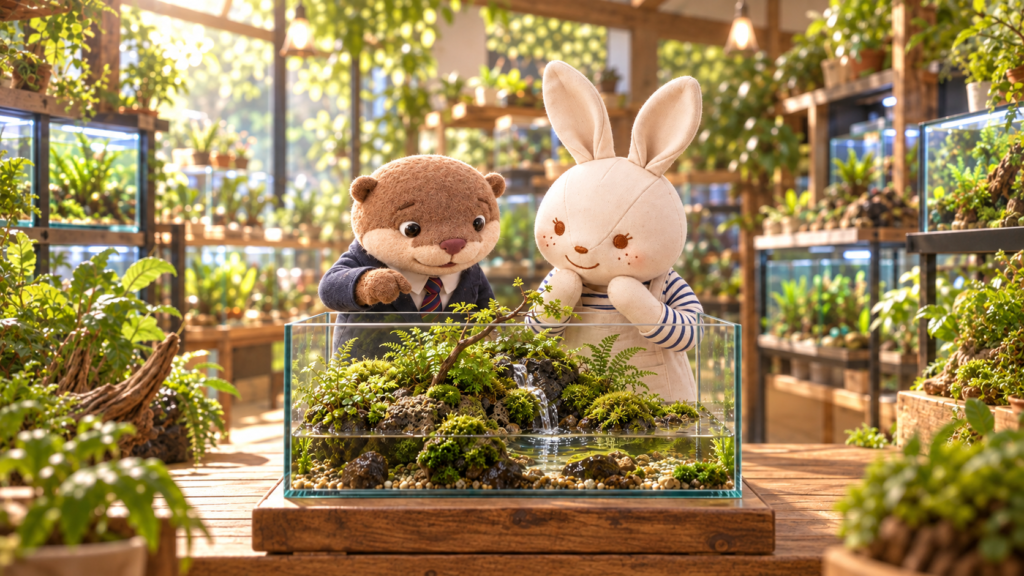 アイのアクアグッズ案内水槽の中に陸地がある!? コタロウと探るアクアテラリウムのメカニズム滝の水はどこから来るの? 白い霧の正体は? アイとコタロウが、水の循環、隠れたポンプ、霧の装置、陸上の植物と水草の葉の変化から、アクアテラリウムのメカニズムを探ります。記事はコチラ →
 アイのアクアグッズ案内お魚を撮ったのに、ボクが写ってる! スマホで楽しむ水槽撮影と便利な道具道具の特徴や使い方、選ぶときのポイントをアイが紹介します。記事はコチラ →
さまざまな飼育テーマをご紹介。リンク先の記事には広告・商品紹介が含まれます。
案内・紹介記事一覧へ →分布マップ
シマヒメヤマノカミ(Neochirus brachyptera)は、インド洋北部・東部から西太平洋に分布し、日本の南部、東南アジア、オーストラリアなどで見られます。かつて本種として扱われていた紅海・西インド洋の近縁種は、現在では区別されています。
地図は分布地域を見渡すための概略表示で、正確な分布境界や、表示範囲全域での生息を示すものではありません。マーカーは位置関係を示す代表地点(北緯5度・東経120度)であり、実際の採集地点や生息確認地点ではありません。Google Earthのリンクも同じ代表地点を開きます。
参考文献
-
World Register of Marine Species(WoRMS):Dendrochirus brachypterus (Cuvier, 1829)
旧学名から現在の有効名 Neochirus brachyptera への対応を確認できる分類データベース。
-
Chou, T.-K., Liu, M.-Y. & Liao, T.-Y.(2023).
Systematics of lionfishes (Scorpaenidae: Pteroini) using molecular and morphological data.
Frontiers in Marine Science, 10, 1109655.
遺伝子と形態に基づく分類再検討、新属 Neochirus の設立、属名の由来、吻端のひげや胸ビレの識別形質。
-
Matsunuma, M., Motomura, H. & Bogorodsky, S. V.(2017).
Review of Indo-Pacific dwarf lionfishes (Scorpaenidae: Pteroinae) in the Dendrochirus brachypterus complex, with description of a new species from the western Indian Ocean.
Ichthyological Research, 64, 369–414.
近縁種の識別と分布の再検討。紅海・西インド洋の個体を別種 Dendrochirus hemprichi(現 Neochirus hemprichi)として区別した研究。
-
Bray, D. J.(2025).
Dwarf Lionfish, Neochirus brachypterus (Cuvier 1829).
Fishes of Australia(Museums Victoria/OzFishNet).
体色や皮弁、オーストラリアでの分布、昼間の隠れ場所、夜行性と甲殻類を中心とする食性、毒棘に関する種別解説。
-
Ornamental Aquatic Trade Association(OATA)(2022).
Tropical Marine Fish: How to care for lionfish & scorpionfish(PDF).
ミノカサゴ類の飼育環境、水温、水質、ろ過、隠れ家、給餌、混泳、健康観察を扱う業界団体の飼育指針。
-
Fishelson, L.(1975).
Ethology and reproduction of pteroid fishes found in the Golf of Aqaba (Red Sea), especially Dendrochirus brachypterus (Cuvier), (Pteroidae, Teleostei).
Pubblicazioni della Stazione Zoologica di Napoli, 39(Suppl. 1), 635–656.
紅海・アカバ湾における行動と繁殖の古典的研究。現在の種区分と照合して読む、近縁種の繁殖に関する歴史的資料。
-
Evolutionary and ecological correlates of thiaminase in fishes(2023).
PubMed Central公開論文.
魚類におけるチアミナーゼの分布と、食物を通じたビタミンB1不足を理解するための栄養学的背景。
-
Yanong, R. P. E.
Cryptocaryon irritans Infections (Marine White Spot Disease) in Fish.
University of Florida, IFAS Extension, FA164.
海水白点病の症状、生活環、診断、治療と予防。白点の有無だけでは判断できない感染や、呼吸・行動の観察についての専門解説。
-
Use of Copper in Marine Aquaculture and Aquarium Systems.
University of Florida, IFAS Extension, FA165.
海水白点虫とウーディニウム病の原因生物を対象とする銅剤の利用、濃度管理、魚や無脊椎動物への影響に関する専門資料。
-
Divers Alert Network(DAN).
Lionfish Awareness.
ミノカサゴ類の毒棘による刺傷と応急処置。洗浄、やけどを避けた温水の使用、医療機関での評価に関する指針。
コメント