
解説 / Description
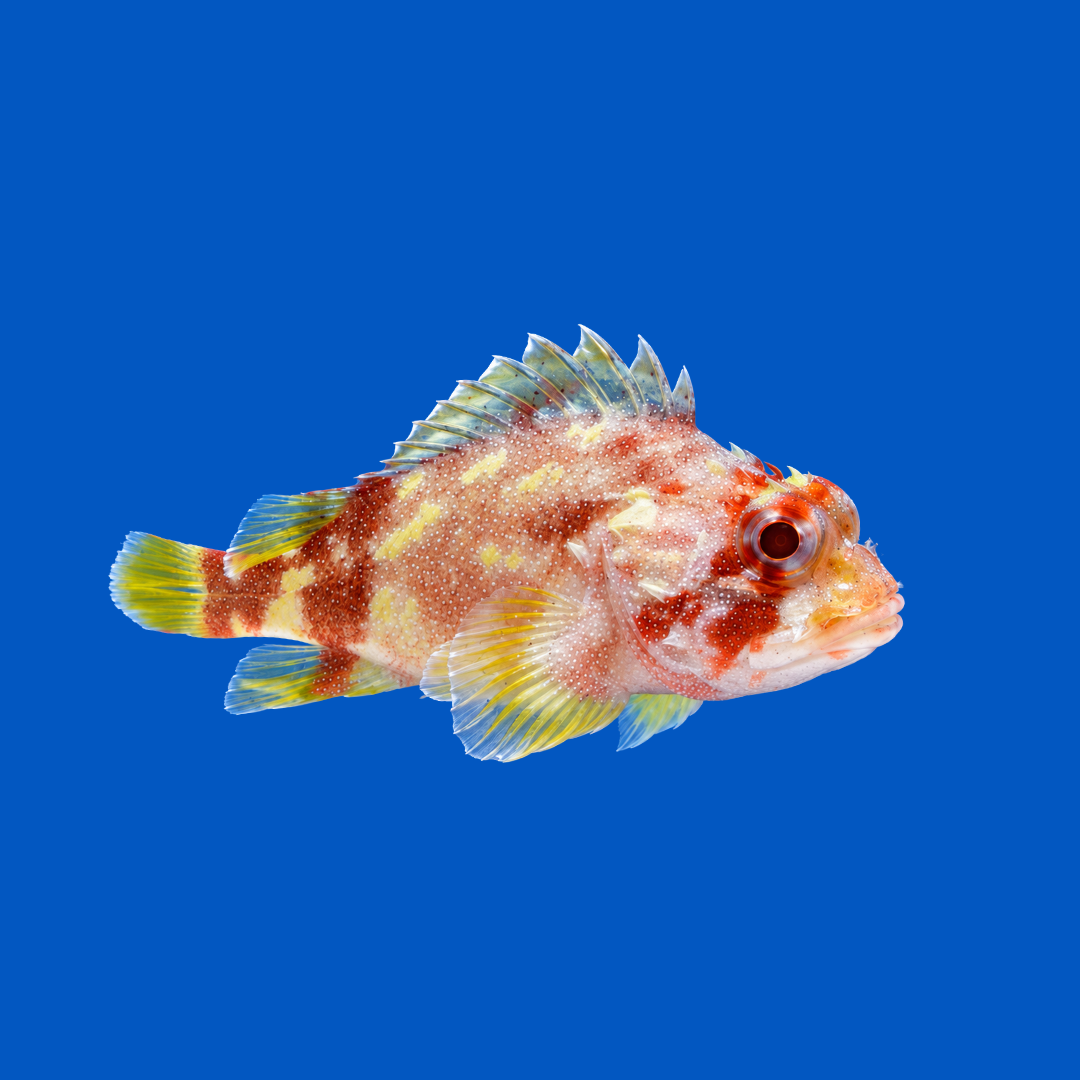
カスリフサカサゴは、枝状サンゴの隙間に身を潜めて暮らす小型の海水魚です。ピンク色から赤褐色の体には細かな白点と黄色い斑紋が散らばり、黄色みを帯びた鰭とともに、サンゴ礁の複雑な色合いに溶け込みます。活発に泳ぎ回る魚ではありませんが、隠れ家から周囲をうかがう姿や、獲物を瞬時に捕らえる動きには、待ち伏せ型の肉食魚ならではの魅力があります。飼育では、落ち着ける隠れ家と確実な餌付けが大切です。口に入る小魚やエビを捕食し、鰭には毒棘もあるため、混泳相手の選択と日々の作業には注意が必要です。 The yellowspotted scorpionfish is a small marine fish that shelters among branching corals. Its pinkish to reddish-brown body bears tiny white spots and yellow blotches, while yellowish fins help it blend into the reef. Although it rarely swims actively, its watchful posture and sudden feeding strikes make it a fascinating ambush predator. Successful care depends on secure shelter and reliable feeding. Small fish and shrimp may be eaten, and its venomous fin spines require care when choosing tank mates and maintaining the aquarium.
基本情報 / Basic Information
| 学名 / Scientific Name | Sebastapistes cyanostigma (Bleeker, 1856) |
|---|---|
| 通称 / Common Name | カスリフサカサゴYellowspotted scorpionfish; coral scorpionfish |
| 分類 / Family | 条鰭綱・フサカサゴ科・マダラフサカサゴ属。目の扱いは分類体系によって異なり、カサゴ目、またはスズキ目のカサゴ亜目に置かれます。Class Actinopterygii, family Scorpaenidae, genus Sebastapistes. Depending on the classification used, it is placed in Scorpaeniformes or in the suborder Scorpaenoidei within Perciformes. |
| 英名 / English Name | Yellowspotted scorpionfish, Coral scorpionfish, Pink and yellow scorpionfish |
| 分布 / Distribution | 紅海・東アフリカ沿岸からインド洋、西部~中部太平洋に広く分布します。日本では琉球列島、小笠原諸島、屋久島などの暖かな海域で確認されています。水深2~30mほどの浅いサンゴ礁で見られます。Widely distributed from the Red Sea and eastern Africa through the Indian Ocean to the western and central Pacific. Japanese records include the Ryukyu Islands, Ogasawara Islands and Yakushima. It occurs on shallow coral reefs at depths of approximately 2–30 m. |
| 最大体長 / Max Size | 最大全長約10cm。小型のカサゴ類ですが、体に対して口が大きいため、混泳の可否は相手の体長だけでは判断できません。Maximum reported total length approximately 10 cm. Despite its small size, its relatively large mouth means that a potential tank mate’s length alone cannot determine whether it is safe. |
| 寿命 / Lifespan | 本種の寿命に関する十分な情報はありません。飼育下での平均寿命や最長寿命も明確ではありません。Insufficient information is available to establish a reliable lifespan. Average and maximum longevity in captivity remain unclear. |
飼育環境 / Aquarium Environment
| 水槽サイズ / Tank Size | 1匹の飼育では、60cmワイド水槽(幅60×奥行45×高さ45cm、満水容量約120L)以上を目安にします。岩や底砂を入れると実際の水量は減るため、十分な水量とろ過能力を確保してください。混泳する場合は、相手の成魚サイズや飼育数に応じて、90cm規格水槽(幅90×奥行45×高さ45cm、満水容量約180L)以上など、さらに余裕のある水槽を選びます。For one specimen, a 60 cm wide aquarium measuring 60 × 45 × 45 cm, with a nominal capacity of about 120 L, is a practical guide. Rock and substrate reduce the actual water volume, so allow adequate water volume and filtration. Community setups may require a standard 90 cm aquarium measuring 90 × 45 × 45 cm, with a nominal capacity of about 180 L, or larger, depending on the adult size and number of the other fish. |
|---|---|
| 水温 / Temperature | 飼育時は24~26℃を目安に、安定した水温を保ちます。本種にとっての厳密な最適水温を示す数値ではなく、日常管理の目安です。夏は必要に応じて水槽用クーラーを使用し、高水温による酸素不足や急な温度変化を避けます。A stable temperature of 24–26°C is a practical aquarium target, rather than a precisely established optimum for this species. Use an aquarium chiller when needed and avoid overheating, associated oxygen depletion and abrupt temperature changes. |
| 水質 / Water Quality | 生物ろ過が十分に機能している海水水槽で飼育します。塩分濃度は約33~35‰、比重は25℃付近でおおむね1.025~1.026、pHは8.0~8.4を管理の目安とし、急変を避けてください。アンモニアと亜硝酸は検出されない状態を維持し、硝酸塩は換水とろ過管理で蓄積を抑えます。比重の表示は温度や測定器の仕様にも左右されるため、使用する機器の基準を確認し、校正して測定します。Use a marine aquarium with established biological filtration. Practical targets are a salinity of approximately 33–35 ppt, specific gravity around 1.025–1.026 near 25°C, and pH 8.0–8.4. Avoid abrupt changes. Ammonia and nitrite should remain undetectable, while nitrate accumulation should be controlled through water changes and filtration maintenance. Specific-gravity readings depend on temperature and instrument specifications, so check the instrument’s reference conditions and calibrate it as directed. |
| レイアウト / Layout | 崩れないように固定したライブロックで洞窟や隙間をつくり、体を隠せる場所を複数用意します。枝状の人工サンゴも利用できますが、鋭い先端や、魚が挟まるほど狭い隙間は避けてください。生きたサンゴは必須ではありません。隠れ家には強い水流を直接当てず、周囲の水がよどまないようにします。給餌時に魚の居場所を確認できる配置にすると、日々の管理がしやすくなります。Secure live rock to create caves and crevices, providing several places where the fish can conceal its body. Artificial branching corals can also be used, provided they have no sharp tips or gaps narrow enough to trap the fish. Living corals are not essential. Avoid directing strong jets into its shelter while maintaining circulation around it. Arranging retreats so that the fish can be located during feeding makes routine care easier. |
| 注意点 / Precautions | 毒棘があるため、素手でつかまないでください。移動には硬い容器を使い、魚を静かに誘導します。網は棘が絡むことがあるため注意が必要です。清掃前には居場所を確認し、魚が隠れている岩を不用意に手で持ち上げないようにします。刺された場合は速やかに医療機関へ相談し、呼吸困難や意識の異常があれば119番に連絡してください。火傷しない温度の湯に患部を浸して痛みを和らげる処置もありますが、受診を遅らせず、医療者の指示に従います。傷を切る、口で吸う、強く絞る処置は避けてください。 導入時には、輸送水と飼育水の水温・塩分を確認します。長時間の輸送で水が汚れている場合、開封後にpHが上がると、毒性の強いアンモニアの割合が増えることがあります。汚れた輸送水の中で長時間の水合わせを続けないようにしてください。塩分差が大きい場合は、水温と塩分を輸送水に合わせた清潔な隔離水槽へ移し、その後、飼育水の塩分へ徐々に調整します。輸送水は本水槽に入れません。Never handle this venomous fish with bare hands. Gently guide it into a rigid container for transfers; nets may entangle its spines. Locate the fish before cleaning and avoid lifting occupied rocks by hand. If stung, promptly seek medical advice; call Japan’s emergency number, 119, for breathing difficulty or altered consciousness. Immersion in nonscalding warm water may help relieve pain, but must not delay medical care; follow medical instructions. Do not cut, suck or forcibly squeeze the wound. Check the temperature and salinity of both shipping water and aquarium water on arrival. In polluted water after prolonged transport, a rise in pH after opening the bag can increase the proportion of more toxic ammonia. Avoid lengthy acclimation in contaminated shipping water. If salinity differs substantially, transfer the fish to clean quarantine water matching the shipping temperature and salinity, then gradually adjust the salinity to the aquarium’s level. Keep shipping water out of the display aquarium. |
餌と給餌 / Feeding
| 餌の種類 / Diet | 肉食性で、小型の甲殻類や魚類などを捕食します。導入直後に冷凍餌を食べない場合は、口に合う大きさの海産の活きエビを餌付けに利用します。慣れてきたら、解凍したイサザアミやオキアミ、小さく切った海産エビや魚肉などを試します。アサリやイカの小片を食べる個体もいます。食べる餌には個体差があるため、反応を確認しながら複数の餌を組み合わせ、乾燥クリルなど一種類だけに偏らせないようにします。人工飼料を食べるとは限らないため、購入時には食べている餌を確認しておくと安心です。A carnivore feeding on small crustaceans and fish. If a newly acquired specimen refuses frozen food, suitably sized live marine shrimp can help establish feeding. Once it settles, try thawed mysid shrimp or krill and small pieces of marine shrimp or fish. Some individuals also accept clam or squid. Food acceptance varies, so offer a varied diet according to the fish’s response rather than relying on a single item such as dried krill. Acceptance of prepared feeds is not guaranteed; check what the fish is eating before purchase. |
|---|---|
| 給餌のポイント / Feeding Tips | 照明を落とした時間帯に、先端の滑らかな給餌棒や長いピンセットで餌を口元の近くへ運び、軽く動かして反応を見ます。口を傷つけないよう、餌を器具に強く固定せず、食いついたら離してください。餌付いた成魚では週3~4回程度を目安に、体形や食欲を見ながら量と間隔を調整します。小さな個体では、一度に大量に与えず、少量ずつ給餌することを優先します。混泳水槽ではほかの魚に餌を奪われやすいため、本種が実際に飲み込んだことを確認し、残餌は回収します。Offer food under dim lighting, using a smooth feeding stick or long forceps to bring it close to the mouth. Move it gently and watch the response. Hold food loosely and release it when taken to avoid injuring the mouth. For an adult feeding reliably, roughly three or four feeding sessions per week can serve as a guide, with portions and intervals adjusted to body condition and appetite. Offer smaller specimens small portions rather than large meals. In community aquariums, confirm that the fish actually swallows its food and remove leftovers. |
性格と混泳 / Temperament and Tank Mates
| 性格 / Temperament | 隠れ家でじっと過ごすことが多い、待ち伏せ型の魚です。ほかの魚を長く追い回すよりも、近づいた獲物を捕らえます。普段の動きが少なくても小魚を捕食するため、おとなしく見えることと混泳の安全性は別に考える必要があります。導入直後は特に隠れやすいので、無理に外へ追い出さず、落ち着ける環境を保ちます。A largely sedentary ambush predator that spends much of its time in shelter. It captures nearby prey rather than pursuing fish over long distances. Its quiet appearance does not make it safe with small tank mates. Newly introduced specimens may be especially secretive; allow them to settle without forcing them out of hiding. |
|---|---|
| 混泳の相性 / Compatibility | 単独飼育が最も管理しやすい方法です。小型のハゼ、テンジクダイ、スズメダイなど、口に入る魚は捕食されるおそれがあります。スカンクシュリンプを含む観賞用エビや小型のカニとの同居も避けてください。魚と混泳させる場合は、飲み込まれない大きさで、本種をつついたり餌を独占したりしない相手を選びます。同種同士も必ず共存できるわけではないため、安易に複数を導入しないようにします。サンゴを餌にする魚ではありませんが、サンゴ水槽にいる小魚や甲殻類まで安全とは限りません。Keeping a single specimen alone is the easiest approach to manage. Small gobies, cardinalfish, damselfish and other swallowable fish are at risk. Avoid housing it with ornamental shrimp, including cleaner shrimp, or small crabs. If keeping other fish, choose companions too large to swallow that will not nip it or monopolize food. Compatibility between specimens of the same species is not guaranteed, so avoid casually adding several. It does not normally eat coral tissue, but small fish and crustaceans in a reef aquarium may still be eaten. |
病気と対策 / Diseases and Prevention
| かかりやすい病気 / Common Diseases | 本種に特に多い病気を示す十分な情報はありません。ほかの海水魚と同様に、海水白点病、ウーディニウム病、体表や鰓の寄生虫、傷からの細菌感染などに注意します。餌付けが進まないことによる痩せや、水質悪化による鰓の障害も見逃せません。もともと細かな白点がある魚なので、白点の有無だけで病気を判断せず、普段との違いに加え、呼吸の速さ、体をこする行動、食欲低下なども確認してください。There is insufficient evidence to identify diseases particularly common in this species. As with other marine fish, watch for marine ich, velvet, skin or gill parasites, and bacterial infections associated with injuries. Weight loss from feeding failure and gill damage from poor water quality are also concerns. Because the fish naturally has small white spots, assess changes from its usual appearance alongside rapid breathing, rubbing and reduced appetite rather than diagnosing disease from spots alone. |
|---|---|
| 対策と予防 / Prevention | 導入個体は隠れ家のある隔離水槽で健康状態と摂餌を確認し、水温・塩分・水質を安定させます。日々の観察では、痩せ、呼吸の変化、体表の傷、餌への反応を確かめてください。体表の膜が剥がれるように見える場合も、それだけで正常な現象とは判断せず、発赤や食欲低下がないか、水質に異常がないかを確認します。治療が必要な場合は原因を見極め、対象魚への適合性と用量を確認した薬剤を隔離水槽で使用します。銅を含む薬剤など、サンゴや無脊椎動物に有害な薬剤を本水槽へ直接入れないでください。Observe new arrivals in a quarantine aquarium with shelter, checking health and food acceptance while keeping temperature, salinity and water quality stable. Monitor body condition, changes in breathing, injuries and feeding response. If a surface film appears to peel away, do not assume that it is normal; check for redness, appetite loss and water-quality problems. If treatment is necessary, identify the likely cause and use an appropriate medication at the correct dose in a separate aquarium. Do not add copper-based products or other medications harmful to corals and invertebrates directly to the display aquarium. |
増やし方(繁殖) / Breeding
| 雌雄の判別 / Sexing | 外見から雌雄を確実に見分けるための、一般的な飼育に利用できる情報は限られています。体の大きさや腹部の膨らみだけで断定しないようにしてください。Information that would allow aquarists to reliably distinguish the sexes from external appearance is limited. Body size or abdominal fullness alone should not be used to assign sex. |
|---|---|
| 繁殖形態 / Reproduction | 卵生で、卵は水に浮くゼリー状の物質に包まれた卵塊として放出されます。生殖器官や卵を調べた研究では、自然下では体外受精すると考えられています。つまり、卵を雌の体外へ出してから受精する方式で、仔魚を産むメバル類とは繁殖の仕組みが異なります。Oviparous, releasing eggs within a floating gelatinous mass. Research on reproductive organs and eggs indicates that fertilization in nature is apparently external: the eggs are fertilized after leaving the female’s body. This differs from the reproductive process of live-bearing rockfishes. |
| 繁殖のポイント / Breeding Tips | 家庭水槽で繰り返し成功できる繁殖・育成方法については、十分な情報がありません。雌雄の確保と個体同士の相性に加え、浮遊する卵や小さな仔魚の管理が課題になります。卵塊が得られた場合は、吸水口への吸い込みや他魚による捕食を避けるため、別の育成環境が必要です。仔魚が最初に食べられる餌の種類や大きさ、給餌条件には不明な点が多く、海産仔魚用の微小な生餌を用意するだけで育成できるとは限りません。Insufficient information is available on a consistently successful home-aquarium breeding and rearing method. Challenges include obtaining both sexes, maintaining compatible adults, and managing floating eggs and tiny larvae. If an egg mass is obtained, a separate rearing environment is needed to protect it from filtration intakes and other fish. Suitable first-food types, sizes and feeding conditions remain poorly established; providing microscopic live foods used for marine larvae does not by itself ensure success. |
雑学と豆知識 / Trivia and Fun Facts
| 1. 黄色い斑紋の魚に「青い斑点」という名前 / 1. A yellow-spotted fish with a blue-spotted name | 英名では黄色い斑紋が主役ですが、種小名の cyanostigma は「青」と「斑点・印」を意味する語からなり、真珠のような白色から淡い青色の点に由来します。同じ魚でも、どの模様に注目するかによって名前の印象が変わるのです。一方、属名 Sebastapistes の命名意図は明示されていません。メバル類に似ていながら分類上は異なることを表した可能性があり、その由来を毒や擬態に結び付けて断定することはできません。The English name highlights yellow blotches, whereas cyanostigma combines roots meaning “blue” and “spot,” referring to pearly or pale-blue markings. Different names draw attention to different parts of the same pattern. The intended meaning of Sebastapistes was not explicitly explained. It may refer to resemblance to, and distinction from, rockfishes; a direct connection to venom or camouflage is not established. |
|---|---|
| 2. 小さな魚に残る、19世紀の分類学の足跡 / 2. A small fish with a nineteenth-century taxonomic history | 本種は1856年、魚類学者ピーター・ブリーカーによって、インドネシアのブル島で採集された標本に基づき Scorpaena cyanostigma として記載されました。現在はマダラフサカサゴ属に置かれています。学名に添えられた「(Bleeker, 1856)」の括弧は、最初に記載されたときとは属が変わったことを示す約束です。水槽の隙間にたたずむ小さな魚の名前にも、似た魚を比較し、分類を見直してきた歴史が残されています。Pieter Bleeker described the species in 1856 as Scorpaena cyanostigma, based on specimens collected at Buru Island, Indonesia. It is now placed in Sebastapistes. The parentheses around “Bleeker, 1856” indicate that its genus differs from the original combination. Even the name of this small aquarium resident preserves a history of comparing similar fishes and revising their classification. |
| 3. サンゴの枝は、隠れ家をつくる立体構造 / 3. Coral branches as three-dimensional shelter | 自然界ではハナヤサイサンゴ類などの枝間を利用し、入り組んだ構造の中に身を隠します。サンゴは餌ではなく、隠れ場所としての役割を果たしているのです。水槽でも、体が収まる隙間と陰を用意することが、落ち着ける環境づくりにつながります。サンゴが白化しても、その時点で骨格まで失われるわけではありません。しかし、サンゴが死に、やがて枝が崩れて立体的な構造が失われると、こうした小魚が利用できる隠れ場所も減ってしまいます。In nature, this fish shelters among branching corals such as Pocillopora. The coral provides a retreat rather than food. Aquarium crevices that fit its body and provide shade can serve a similar purpose. Bleaching does not immediately remove a coral’s skeleton, but if the coral dies and its branches subsequently break down, the loss of structure reduces the shelter available to small fishes. |
| 4. 似た魚を見分ける手がかりは鰭にも / 4. Fin patterns help distinguish similar species | 体の赤みや黄色い斑紋は目を引きますが、近縁種を見分ける際には鰭の模様も役立ちます。カスリフサカサゴは鰭が黄色みを帯び、目立つ褐色の小斑点がないことが特徴の一つです。よく似たニラミカサゴ(Sebastapistes tinkhami)では、各鰭に赤褐色の小斑点が見られます。ただし、照明や魚の姿勢によって模様の見え方は変わります。一か所の色だけで判断せず、体色と鰭の模様などを合わせて確認すると、見分ける手がかりになります。Fin markings can help distinguish this species from similar scorpionfishes. Its yellowish fins lack conspicuous small brown spots, whereas the similar Sebastapistes tinkhami has small reddish-brown spots on its fins. Lighting and posture affect how clearly these markings can be seen, so identification should combine body coloration and fin patterns rather than rely on one patch of color. |
| 5. 動かない時間にも意味がある / 5. Stillness is part of the hunting strategy | 隠れ家からほとんど動かない姿は、活発に泳ぐ魚に慣れた飼育者には少し不思議に映るかもしれません。しかし、待ち伏せ型の捕食者にとって、目立たずに獲物を待つことは暮らしの重要な一部です。獲物が近づくと、大きな口を開き、短い距離を素早く動いて捕らえます。普段の静けさと捕食時の素早さ、その違いが観察の楽しみになります。こうした習性を知ったうえで、呼吸や体形、食欲も併せて見ると、普段どおりに休んでいるのか、体調に変化があるのかを判断しやすくなります。Its long periods of stillness may seem unusual to keepers accustomed to active swimmers. For an ambush predator, remaining inconspicuous is an important part of daily life. When prey approaches, it opens its large mouth and makes a rapid, short strike. The contrast between quiet waiting and sudden movement makes observation rewarding. Watching breathing, body condition and appetite alongside this natural behavior helps distinguish ordinary resting from a possible health change. |
まとめ / Conclusion
カスリフサカサゴは、サンゴ礁の隙間で暮らす姿と繊細な斑紋を楽しめる小さな肉食魚です。安定した海水環境、安心して隠れられる場所、確実に食べられる餌を整えることが、飼育の基本になります。混泳では捕食の危険性や餌の競争を考慮し、日々の作業では毒棘に触れないよう注意してください。 The yellowspotted scorpionfish offers intricate markings and a close view of life within reef crevices. Stable seawater, secure shelter and reliably accepted food form the basis of its care. Consider predation and competition for food when choosing companions, and avoid contact with its venomous spines during maintenance.
静かな時間を見守っていると、隠れ家から顔を出す仕草や、餌を待つ姿にも気づくようになります。岩陰で過ごす小さな一匹の存在が、水槽の景色に奥行きを添えてくれるでしょう。 Patient observation reveals small gestures at the entrance to its shelter and the watchful posture of a fish waiting for food. Its quiet presence among the rocks adds depth and character to the aquarium.
気になる道具や飼い方を見つけてみませんか?
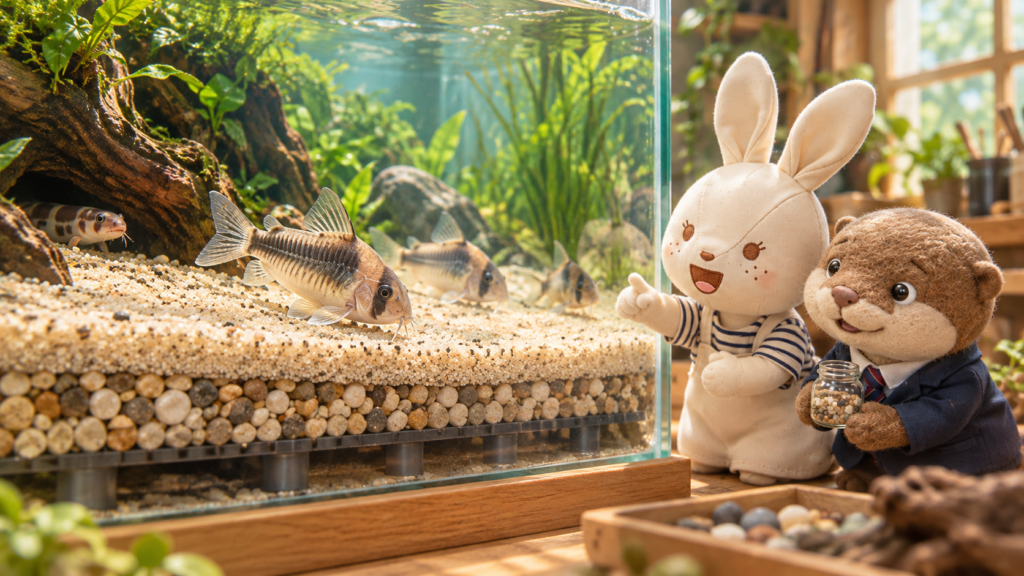 アイのアクアグッズ案内水槽の底砂の選び方|砂・砂利の違いとおすすめ商品道具の特徴や使い方、選ぶときのポイントをアイが紹介します。記事はコチラ →
 アイのアクアグッズ案内そのごはん、泳いでる! 卵から始めるブラインシュリンプの孵化と道具選び道具の特徴や使い方、選ぶときのポイントをアイが紹介します。記事はコチラ →
さまざまな飼育テーマをご紹介。リンク先の記事には広告・商品紹介が含まれます。
案内・紹介記事一覧へ →分布マップ
カスリフサカサゴ(Sebastapistes cyanostigma)は、紅海・東アフリカ沿岸からインド洋、西部~中部太平洋に広く分布します。日本では琉球列島、小笠原諸島、屋久島などで確認されています。
地図は分布地域全体を見渡すための概略表示であり、表示範囲のすべてに生息することや、正確な分布境界を示すものではありません。マーカーは琉球列島周辺に設定した代表地点(北緯26度・東経128度)で、実際の採集地点ではありません。Google Earthのリンクも同じ代表地点を開きます。
参考文献
-
FishBase. Sebastapistes cyanostigma (Bleeker, 1856).
分類、学名、分布、最大全長、生息水深。 -
Bray, D. J.(2020). Sebastapistes cyanostigma. Fishes of Australia, Museums Victoria.
体色と斑紋、分布、枝状サンゴを利用する生息環境、原記載、毒棘。 -
本村浩之・松浦啓一(編)(2014).奄美群島最南端の島―与論島の魚類.鹿児島大学総合研究博物館・国立科学博物館.648 pp.
カスリフサカサゴの形態、国内分布、生息環境、近縁種との識別。 -
Pavlov, D. A. & Emel’yanova, N. G.(2007). Features of reproductive biology in two tropical fish species from the family Scorpaenidae. Journal of Ichthyology, 47: 353–365.
本種の生殖器官、浮遊するゼリー状の卵塊、体外受精と考えられる繁殖様式。 -
Petty, B. D., Francis-Floyd, R. & Yanong, R. P. E. Management of Aquarium Fish. Merck Veterinary Manual.
観賞魚に共通する飼育環境の管理、水質異常、検疫、健康観察と治療の基本。 -
Watson, C., Francis-Floyd, R., Petty, D. & Pouder, D. B. Ammonia in Aquatic Systems. University of Florida, IFAS Extension, FA16/FA031.
アンモニアの毒性とpH・水温の関係、生物ろ過、水質測定、換水による管理。 -
Crosby, T. C., Hill, J. E., Martinez, C. V., Watson, C. A., Pouder, D. B. & Yanong, R. P. E. On-Farm Transport of Ornamental Fish. University of Florida, IFAS Extension, FA119.
観賞魚の輸送時における水温・pH・溶存酸素の管理と、水質差への順化の基本。 -
Yanong, R. P. E. Cryptocaryon irritans Infections (Marine White Spot Disease) in Fish. University of Florida, IFAS Extension, FA164.
海水白点病の症状、寄生虫の生活環、診断、予防と治療。 -
Yanong, R. P. E. Use of Copper in Marine Aquaculture and Aquarium Systems. University of Florida, IFAS Extension, FA165.
海水白点病・ウーディニウム病への銅の作用、魚種による感受性の違い、無脊椎動物への毒性。 -
MedlinePlus, U.S. National Library of Medicine. Scorpion fish sting.
カサゴ類の毒棘による刺傷の症状、医療機関への相談、温水による応急処置。
オンライン資料の閲覧日:2026年10月13日
コメント