

▶ 記事の生体をAMAZONで買う ▶ 記事の生体をYahooで買う
解説 / Description
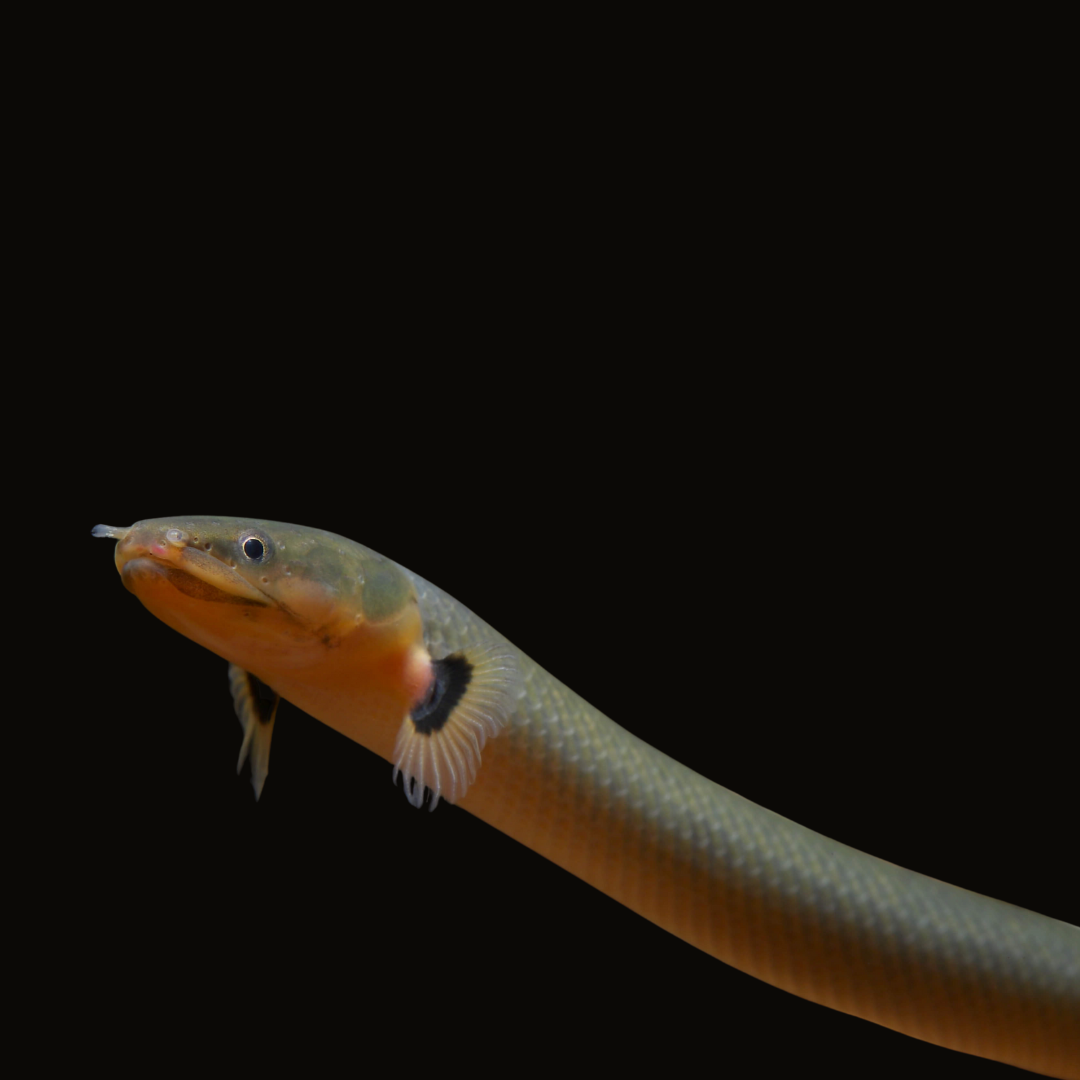
アミメウナギは、西アフリカの河川や湿地に分布するポリプテルス科の古代魚です。ウナギのように細長い体と、硬いガノイン鱗に覆われた独特の姿を持ち、英名ではロープフィッシュやリードフィッシュとも呼ばれます。見た目は細長く繊細に見えますが、空気呼吸を行う能力を備え、低酸素になりやすい沼沢地にも適応した非常に興味深い魚です。 The reedfish is an ancient polypterid fish from rivers and wetlands in West Africa. It has a long, eel-like body covered with hard ganoid scales and is commonly known in English as the reedfish or ropefish. Although its slender appearance may look delicate, it is a highly fascinating fish adapted to low-oxygen swamp habitats through its ability to breathe air.
観賞魚としては温和で愛嬌があり、古代魚の中では比較的親しみやすい存在です。一方で、陸上を這うように移動できる性質があるため、水槽飼育では脱走対策が最重要ポイントになります。水槽の隙間を確実にふさぎ、長期飼育を前提に落ち着いた環境を整えることが大切です。 As an aquarium fish, it is peaceful, charming, and relatively approachable among ancient fish. However, because it can move by wriggling on land, preventing escape is the most important point in aquarium care. A secure lid, sealed gaps, and a calm setup designed for long-term keeping are essential.
基本情報 / Basic Information
| 学名 / Scientific Name | Erpetoichthys calabaricus |
|---|---|
| 通称 / Common Name | アミメウナギ、ロープフィッシュ、リードフィッシュReedfish, Ropefish |
| 分類 / Family | ポリプテルス目 ポリプテルス科 アミメウナギ属Order Polypteriformes, family Polypteridae, genus Erpetoichthys |
| 英名 / English Name | Reedfish / Ropefish |
| 分布 / Distribution | 西アフリカから中部アフリカの沿岸河川域。ベナン、ナイジェリア、カメルーン周辺の河川や湿地に分布します。Coastal river systems of West and Central Africa, including areas around Benin, Nigeria, and Cameroon. |
| 最大体長 / Max Size | 通常は30cm前後、最大で40cm弱程度。飼育下では30〜35cmほどを目安に考えるとよいでしょう。Usually around 30 cm, with large individuals reaching just under 40 cm. In aquariums, about 30–35 cm is a practical expectation. |
| 寿命 / Lifespan | 適切な環境では10年以上の長期飼育が可能で、15年前後生きることもあります。With proper care, it can live for over 10 years, and individuals may reach around 15 years. |
飼育環境 / Aquarium Environment
| 水槽サイズ / Tank Size | 単独または少数飼育でも最低限90cm規格水槽以上を目安にし、長期飼育では120cm以上、余裕を見られる場合は150cm級の水槽も候補になります。体が細いため小さく見えますが、夜間に底層を広く移動するため、奥行きと水量に余裕を持たせることが重要です。A standard 90 cm aquarium should be considered the minimum for a single fish or a small group, while 120 cm or larger is preferable for long-term care, and a 150 cm class aquarium is also worth considering when space allows. Although the body is slender, it actively explores the bottom at night, so ample floor space and water volume are important. |
|---|---|
| 水温 / Temperature | 22〜28℃前後。低温では消化や免疫の低下につながりやすいため、安定した保温が必要です。 Around 22–28°C. Stable heating is necessary because low temperatures may reduce digestion and immunity. |
| 水質 / Water Quality | 弱酸性から弱アルカリ性まで幅広く適応します。目安はpH6.2〜8.0程度で、急激な変化を避けて安定させることが大切です。自然下では汽水域にも見られるため塩分への耐性はありますが、通常飼育では淡水管理で問題ありません。It adapts to a broad range from slightly acidic to slightly alkaline water, roughly pH 6.2–8.0. Stability is more important than chasing a specific value. Although it tolerates some salinity in nature, normal aquarium care is best done in freshwater. |
| レイアウト / Layout | 底床は角の丸い細かな砂、または管理しやすいベアタンクが向いています。腹部を底に擦るように移動するため、角の鋭い砂利は避けた方が無難です。流木、土管、水草などで暗い隠れ家を複数用意し、強すぎる照明を避けると落ち着きやすくなります。Fine, rounded sand or an easy-to-clean bare-bottom setup is suitable. Sharp gravel should be avoided because the fish moves with its underside close to the substrate. Provide several shaded shelters with driftwood, pipes, or plants, and avoid overly bright lighting. |
| 注意点 / Precautions | 最大の注意点は脱走です。フィルター配管、ヒーターコード、ガラス蓋の切り欠きなど、数ミリの隙間でも抜け出す可能性があります。蓋は重しなどで固定し、隙間はスポンジや加工した板で確実にふさぐ必要があります。The greatest concern is escape. Even very small gaps around filter pipes, heater cords, or lid cutouts may be enough for the fish to get out. The lid should be secured, and all openings should be sealed with sponge, plastic panels, or similar materials. |
餌と給餌 / Feeding
| 餌の種類 / Diet | 肉食性が強く、冷凍アカムシ、イトミミズ、刻んだエビ、白身魚、肉食魚用の沈下性ペレットなどが適しています。導入直後は人工飼料に反応しにくいことがあるため、冷凍餌を中心に慣らしていくとよいでしょう。It is strongly carnivorous and accepts foods such as frozen bloodworms, tubifex worms, chopped shrimp, white fish, and sinking pellets for carnivorous fish. Newly introduced individuals may not accept prepared foods at first, so frozen foods are often useful during acclimation. |
|---|---|
| 給餌のポイント / Feeding Tips | 夜行性で視力も強くないため、消灯前後に底へ沈む餌を与えると食べやすくなります。混泳水槽では動きの速い魚に餌を取られやすいため、ピンセットやスポイトで近くに落とすなど、確実に食べているか確認することが重要です。Because it is nocturnal and does not rely heavily on eyesight, sinking foods offered around lights-out are easiest for it to find. In community tanks, faster fish may steal food, so targeted feeding with tongs or a pipette is often important. |
性格と混泳 / Temperament and Tank Mates
| 性格 / Temperament | 性格は非常に温和で、同種同士でも争いにくい魚です。複数飼育ではシェルター内で体を寄せ合うように休むこともあり、攻撃的な古代魚というより、落ち着いた底層性の肉食魚と考えると扱いやすいでしょう。It is generally very peaceful and rarely aggressive toward its own kind. In groups, individuals may rest together inside shelters. It is best regarded as a calm bottom-dwelling carnivorous fish rather than an aggressive ancient fish. |
|---|---|
| 混泳の相性 / Compatibility | 口に入らないサイズで、性格の穏やかな中型魚とは混泳しやすい魚です。一方で、ネオンテトラやグッピーのような小型魚は夜間に捕食される可能性があります。また、大型シクリッドなど気性の荒い魚はアミメウナギを傷つけるおそれがあるため避けるべきです。It can usually be kept with peaceful medium-sized fish that are too large to be swallowed. Small fish such as neon tetras or guppies may be eaten at night. Aggressive fish such as large cichlids should also be avoided because they may injure the reedfish. |
病気と対策 / Diseases and Prevention
| かかりやすい病気 / Common Diseases | 丈夫な魚ですが、底床で腹部を擦ることによる外傷、そこからの細菌感染、水質悪化による肌荒れには注意が必要です。輸入直後の個体では、痩せや寄生虫、餌付きの悪さが見られることもあります。It is a hardy fish, but injuries from rough substrate, secondary bacterial infections, and skin problems caused by poor water quality require attention. Recently imported individuals may also show weight loss, parasites, or poor feeding response. |
|---|---|
| 対策と予防 / Prevention | 角の丸い底床、清潔な水、落ち着ける隠れ家を用意し、導入直後は餌を食べているか丁寧に確認します。薬品に対する反応は魚種や状態によって変わるため、治療時は規定量を守り、古代魚への使用実績がある薬を慎重に選ぶことが大切です。Use smooth substrate, maintain clean water, and provide secure hiding places. After introduction, carefully confirm that the fish is feeding. Medication tolerance can vary, so treatments should be used carefully at proper doses, preferably with products known to be suitable for ancient fish. |
増やし方(繁殖) / Breeding
| 雌雄の判別 / Sexing | 成熟した雄は、雌に比べて臀鰭の基部がやや長く、厚みが出るとされます。ただし外見だけでの判別は簡単ではなく、若い個体では特に判断が難しい魚です。Mature males are said to have a slightly longer and thicker anal fin base than females. However, sexing by appearance alone is not easy, especially in young individuals. |
|---|---|
| 繁殖形態 / Reproduction | 卵生で、体外受精によって繁殖します。野生下では季節変化や雨季への移行が繁殖のきっかけになると考えられています。It is an egg-laying fish that reproduces by external fertilization. In the wild, seasonal changes and the transition toward the rainy season are thought to trigger breeding. |
| 繁殖のポイント / Breeding Tips | 家庭水槽での繁殖は非常に難しく、一般的な観賞魚のように狙って増やす魚ではありません。飼育下での産卵や孵化例は知られていますが、安定した商業繁殖が広く流通している魚とはいえず、雨季を再現するような環境変化、産卵床、卵や仔魚の管理など多くの条件が必要です。国内で見かける個体も、ワイルド由来を前提に丁寧に扱うことが大切です。Breeding in home aquariums is extremely difficult, and this is not a species normally bred intentionally by hobbyists. Spawning and hatching in captivity have been reported, but it is not a species with widely established commercial captive breeding. Many conditions are required, including simulated seasonal changes, suitable spawning media, and careful management of eggs and larvae. Individuals seen in the trade should generally be treated with the assumption that they are wild-derived. |
雑学と豆知識 / Trivia and Fun Facts
| 1. 「ウナギ」ではない古代魚 / 1. An Ancient Fish, Not a True Eel | アミメウナギという名前からウナギの仲間を想像しがちですが、分類上はウナギ目ではなくポリプテルス目に属します。ポリプテルスの仲間でありながら腹鰭を持たず、より細長い体型をしているため、見た目はウナギやヘビに近い印象を与えます。観賞魚としての名前と分類上の位置づけに差がある、いかにも古代魚らしい存在です。Despite the Japanese name suggesting an eel, the reedfish is not a true eel. It belongs to the order Polypteriformes, not Anguilliformes. As a relative of bichirs, it lacks pelvic fins and has a much more elongated body, giving it an eel- or snake-like appearance. |
|---|---|
| 2. 空気を吸うために水面へ上がる / 2. It Rises to the Surface to Breathe Air | アミメウナギはエラ呼吸だけでなく、肺に相当する器官を使って空気呼吸も行います。低酸素になりやすい湿地や泥の多い河川では、この能力が大きな助けになります。水槽内でときどき水面へ上がって空気を飲むような動きを見せるのは異常行動ではなく、本種本来の生理に基づいた行動です。The reedfish breathes not only with its gills but also by using lung-like organs. This ability is highly useful in low-oxygen swamps and muddy river habitats. In aquariums, occasional trips to the surface to gulp air are normal behavior rather than a sign of distress. |
| 3. 最大の飼育トラブルは病気より脱走 / 3. Escape Is Often a Bigger Risk Than Disease | 本種は丈夫な魚ですが、飼育で最も注意したいのは病気よりも脱走です。細長い体をくねらせて、配管の周囲や蓋の小さな切れ込みから外へ出てしまうことがあります。空気呼吸ができるとはいえ、乾燥すれば命に関わるため、飼育開始前に水槽上部のすべての隙間を確認しておくことが重要です。Although this is a hardy fish, escape is often a greater danger than disease. Its long, flexible body can slip through small openings around pipes or lid cutouts. Even though it can breathe air, drying out is life-threatening, so every gap around the top of the aquarium must be checked before keeping it. |
| 4. 幼魚は両生類のような外鰓を持つ / 4. Juveniles Have External Gills | アミメウナギの幼魚は、頭部の両側に房状の外鰓を持ちます。この姿は魚というよりもサンショウウオの幼生を思わせるもので、低酸素環境に適応してきたポリプテルス科らしい特徴です。成長とともに外鰓は退化し、成魚らしい姿へと変化していきます。Juvenile reedfish have feathery external gills on both sides of the head. This appearance resembles salamander larvae more than typical fish and reflects the polypterid adaptation to low-oxygen habitats. As they grow, the external gills gradually disappear. |
まとめ / Conclusion
アミメウナギは、細長い体型、硬いガノイン鱗、空気呼吸能力を備えた、非常に個性的な古代魚です。見た目のインパクトに反して性格は温和で、口に入らないサイズの穏やかな魚とは混泳もしやすい種類といえます。 The reedfish is a highly distinctive ancient fish with a long body, hard ganoid scales, and the ability to breathe air. Despite its striking appearance, it is peaceful and can often be kept with calm fish that are too large to be swallowed.
飼育では最低限90cm規格水槽以上、できれば120cm以上の余裕ある環境、細かな底床、隠れ家、夜間の給餌、そして徹底した脱走対策が重要です。長寿な魚でもあるため、衝動的に迎えるのではなく、10年以上付き合うつもりで設備を整えることが大切です。 For successful care, provide at least a standard 90 cm aquarium, preferably 120 cm or larger, along with smooth substrate, shelters, nighttime feeding, and strict escape prevention. Because it is a long-lived species, it should be kept with a long-term plan rather than purchased on impulse.

気になる道具や飼い方を見つけてみませんか?
 アイのアクアグッズ案内エーハイムはおもちゃから始まった? 小さな噴水から水槽へ、アイとコタロウの探訪道具の特徴や使い方、選ぶときのポイントをアイが紹介します。記事はコチラ →
 アイのアクアグッズ案内プレコ飼育に必要なもの|餌・流木・ろ過・隠れ家・掃除用品道具の特徴や使い方、選ぶときのポイントをアイが紹介します。記事はコチラ →
さまざまな飼育テーマをご紹介。リンク先の記事には広告・商品紹介が含まれます。
案内・紹介記事一覧へ →参考文献・参照資料
本記事は、アミメウナギの分類、分布、形態、生態、飼育管理、繁殖に関する情報を、以下の資料をもとに確認・整理しています。
-
Fricke, R., Eschmeyer, W. N. & van der Laan, R. (eds.). Eschmeyer’s Catalog of Fishes: Erpetoichthys calabaricus. California Academy of Sciences.
学名の有効性、記載年、分類上の位置づけ、分布情報の確認に参照。 -
Froese, R. and Pauly, D. (eds.). FishBase: Erpetoichthys calabaricus, Reedfish. FishBase.
最大体長、鰭条数、脊椎骨数、淡水・汽水環境、水温・pH、夜行性の食性、空気呼吸、外鰓を持つ幼魚などの基礎情報に参照。 -
Seriously Fish. Erpetoichthys calabaricus — Ropefish.
飼育環境、底床、隠れ家、混泳、性差、飼育下での扱いに関する実用情報の確認に参照。 -
Tropical Fish Hobbyist Magazine. Phil Purser. Understanding the Reedfish.
観賞魚としての飼育ポイント、脱走対策、底床、レイアウト、給餌、混泳上の注意点を整理する際に参照。 -
Fishkeeper. Reed Fish / Rope Fish — Erpetoichthys calabaricus.
水温、水質、広めの水槽、よく閉じた蓋、夜間給餌、口に入る小型魚との混泳リスクなど、飼育実務面の確認に参照。 -
Pace, C. M. & Gibb, A. C. (2011). Locomotor behavior across an environmental transition in the ropefish, Erpetoichthys calabaricus. Journal of Experimental Biology, 214(4), 530–537.
アミメウナギの水中・陸上移動、細長い体を使った運動様式に関する学術的背景として参照。 -
Van Wassenbergh, S., Bonte, C. & Michel, K. B. (2017). Terrestrial capture of prey by the reedfish, a model species for stem tetrapods. Ecology and Evolution, 7(11), 3856–3860.
陸上での獲物捕獲行動、初期四肢動物の進化モデルとしての位置づけに関する記述の確認に参照。 -
Practical Fishkeeping. A breeding first: The Reedfish.
飼育下での繁殖例、繁殖の難しさ、学名の歴史的経緯に関する補足情報として参照。




コメント