

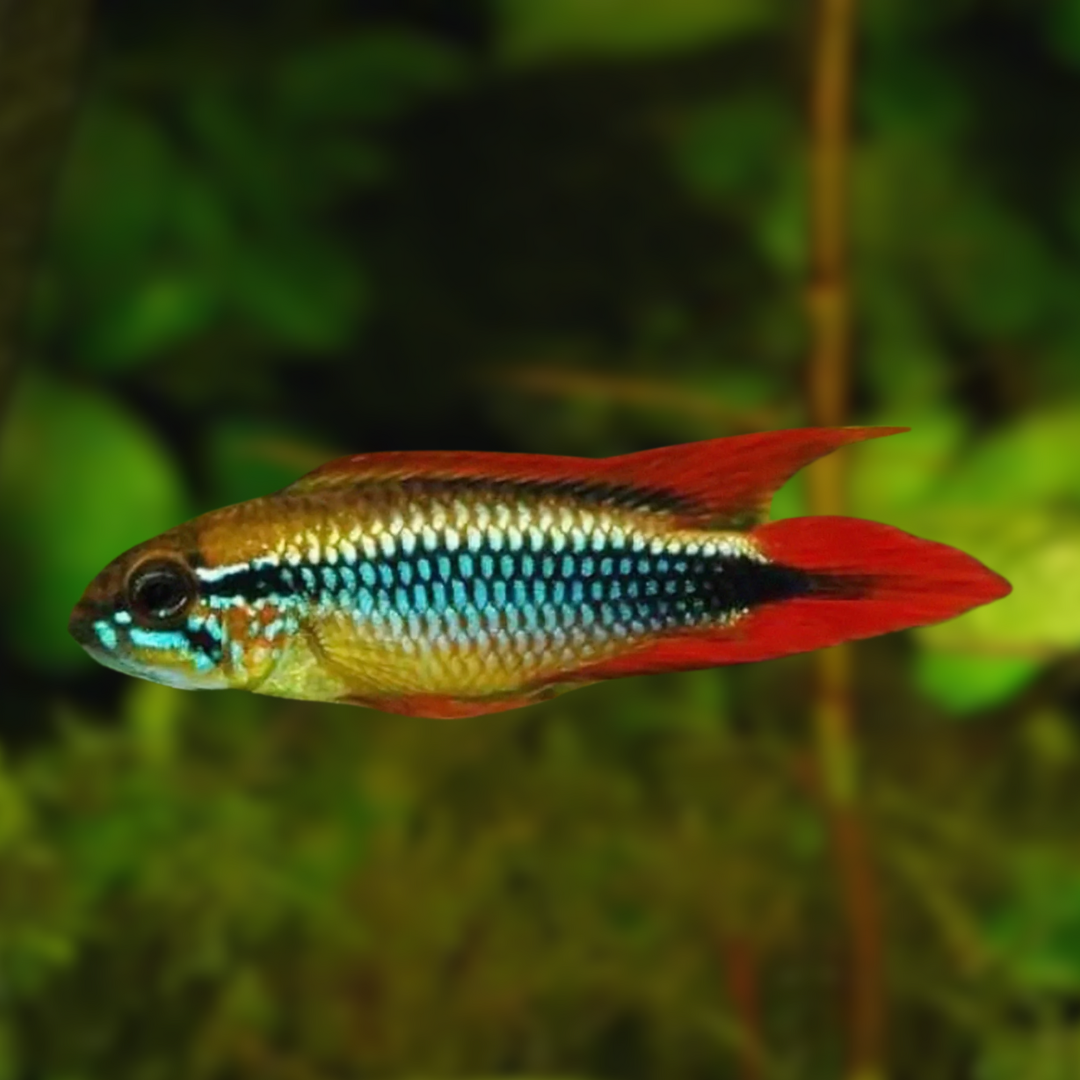
解説 / Description
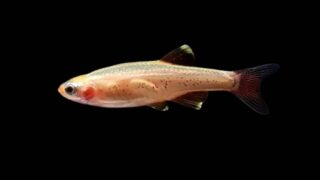
アピストグラマ・アガシジィ・ダブルレッドは、南米アマゾン川流域に分布するアピストグラマ・アガシジィをもとに、背ビレと尾ビレの赤い発色が目立つように選別された観賞魚向けの改良品種です。細長い体型、アガシジィらしい伸びやかな尾ビレ、オスの鮮やかな赤いヒレが大きな魅力で、ドワーフシクリッドの入門種としても、ペア飼育や繁殖をじっくり楽しむ対象としても人気があります。小型ながら縄張り意識や求愛、子育て行動がはっきり見られるため、単に美しいだけでなく、観察するほど奥深さを感じられる魚です。 Apistogramma agassizii Double Red is a selectively bred aquarium form of Apistogramma agassizii, a South American dwarf cichlid from the Amazon basin, selected for conspicuous red coloration on the dorsal and caudal fins. Its slender body, elegant agassizii-type tail, and vivid red fins in males make it popular both as an introduction to dwarf cichlids and as a fish for enjoying pair keeping and breeding. Although small, it shows clear territorial, courtship, and parental behaviors, making it a fish that becomes more fascinating the longer it is observed.
基本情報 / Basic Information
| 学名 / Scientific Name | Apistogramma agassizii |
|---|---|
| 通称 / Common Name | アピストグラマ・アガシジィ・ダブルレッド、アガシジィ・ダブルレッド、アピスト・アガシジィApistogramma agassizii Double Red, Agassiz’s Dwarf Cichlid Double Red |
| 分類 / Family | シクリッド科アピストグラマ属Family Cichlidae, genus Apistogramma |
| 英名 / English Name | Agassiz’s Dwarf Cichlid Double Red |
| 分布 / Distribution | 原種はペルー、ブラジル、コロンビアを含むアマゾン川流域に分布するとされます。ダブルレッドは自然産地を示す名称ではなく、観賞魚として選別・繁殖されてきた改良品種名で、日本国内では東南アジアブリードやヨーロッパブリードの個体が主に流通します。The wild species is considered to occur in the Amazon basin, including Peru, Brazil, and Colombia. Double Red is not a locality name but a selectively bred aquarium strain, and in the Japanese market it is mainly available as Southeast Asian-bred or European-bred stock. |
| 最大体長 / Max Size | オスで約7〜8cm、メスで約4〜5cm程度が目安です。資料によって標準体長と全長の表記が異なるため数値に幅がありますが、飼育下では体格や系統、栄養状態によっても差が出ます。A general guide is about 7–8 cm for males and around 4–5 cm for females. Reported sizes vary because some sources use standard length while others use total length, and aquarium size can also differ depending on strain, nutrition, and condition. |
| 寿命 / Lifespan | おおよそ2〜4年程度。安定した水質、過密を避けた飼育、良質な餌を維持することで、発色や体型を良い状態で保ちやすくなります。Usually around 2–4 years. Stable water quality, low stocking density, and a nutritious diet help maintain good coloration and body condition. |
飼育環境 / Aquarium Environment
| 水槽サイズ / Tank Size | ペア飼育では45cm水槽でも飼育は可能ですが、繁殖やメスの攻撃性を考えると60cm規格水槽、約57L前後を基準にすると安定しやすいです。複数ペアや他魚との混泳を考える場合は、90cm規格水槽以上で視線を遮るレイアウトを十分に作ることが大切です。A pair can be kept in a 45 cm tank, but a standard 60 cm aquarium of about 57 liters is more stable, especially for breeding and managing female aggression. For multiple pairs or community setups, a standard 90 cm tank or larger with many visual barriers is recommended. |
|---|---|
| 水温 / Temperature | 24〜28℃前後が扱いやすい範囲です。原種情報では22〜29℃程度まで幅を持って扱われることがありますが、家庭水槽では急変を避け、やや高めで安定させると調子を維持しやすくなります。 A range of about 24–28°C is suitable for home aquariums. Some species references give a broader range of around 22–29°C, but stable conditions without sudden changes are more important in practice. |
| 水質 / Water Quality | 弱酸性から中性付近の軟水を好み、pHは5.5〜7.0前後を目安にします。ブリード個体は中性付近にも順応しやすい一方、繁殖を狙う場合はpH6.0〜6.8程度の弱酸性、低硬度の水質を意識すると成功しやすくなります。やしゃぶしの実やマジックリーフを使ったブラックウォーターは、落ち着いた環境作りに役立ちます。It prefers soft water from slightly acidic to near neutral, with pH around 5.5–7.0 as a general guide. Captive-bred individuals often adapt to near-neutral water, but for breeding, slightly acidic, low-hardness water around pH 6.0–6.8 is often helpful. Blackwater created with alder cones or Indian almond leaves can help provide a calm environment. |
| レイアウト / Layout | 細かい砂を薄く敷き、流木、落ち葉、石、シェルターを組み合わせて、隠れ家と視線を遮る場所を複数作ります。アピストグラマは底付近を中心に行動するため、産卵筒やココナッツシェルのような狭い洞窟状の場所を用意すると落ち着きやすくなります。クリプトコリネ、ミクロソリウム、アヌビアスなどの陰性水草とも相性が良好です。Use fine sand, driftwood, leaf litter, stones, and shelters to create several hiding places and visual barriers. Since Apistogramma mainly occupy the lower area of the tank, narrow cave-like shelters such as ceramic spawning caves or coconut shells help them settle. Low-light plants such as Cryptocoryne, Microsorum, and Anubias are also suitable. |
| 注意点 / Precautions | 強い水流や過密飼育は避けます。特に繁殖期のメスは攻撃的になることがあり、オスが追い詰められる場合があります。水槽内に逃げ場を作り、産卵後にオスが弱るようなら隔離も検討します。底生魚やエビ類は生活圏が重なりやすく、卵や稚魚の食害、またはエビが捕食されるリスクがあるため慎重な判断が必要です。Avoid strong current and overcrowding. Females can become aggressive during breeding, and males may be harassed. Provide escape routes and consider removing the male if he becomes stressed after spawning. Bottom-dwelling fish and dwarf shrimp require caution, as they may overlap in territory, prey on eggs or fry, or be eaten themselves. |
餌と給餌 / Feeding
| 餌の種類 / Diet | 小型シクリッド用の顆粒フードを主食に、冷凍アカムシ、冷凍ブラインシュリンプ、イトメ、活きブラインシュリンプなどを補助的に与えます。野生下では小さな水生生物や底生生物を中心に食べる傾向があるため、人工飼料だけでなく冷凍餌や活き餌を適度に組み合わせると、コンディションを上げやすくなります。Use small cichlid granules as the staple food, supplemented with frozen bloodworms, frozen brine shrimp, tubifex worms, and live brine shrimp. In nature, it tends to feed on small aquatic and benthic organisms, so a moderate mix of prepared, frozen, and live foods helps maintain condition. |
|---|---|
| 給餌のポイント / Feeding Tips | 一度に多く与えず、数分で食べ切れる量を1日1〜2回与えるのが基本です。繁殖前のコンディショニングでは少量を複数回に分ける方法も有効ですが、食べ残しは水質悪化につながるため、底に溜まった餌は早めに取り除きます。稚魚には孵化直後のベビーブラインシュリンプが定番で、泳ぎ出しを確認したら早めに給餌を始めることが重要です。Feed small portions once or twice a day, only as much as the fish can finish within a few minutes. Before breeding, feeding smaller amounts several times a day can be effective, but leftovers should be removed quickly to prevent water deterioration. Newly hatched brine shrimp are a standard first food for fry, and feeding should begin soon after they become free-swimming. |
性格と混泳 / Temperament and Tank Mates
| 性格 / Temperament | 小型で繊細な印象がありますが、シクリッドらしい縄張り意識を持ちます。通常時は物陰を出入りしながら落ち着いて行動しますが、オス同士や繁殖期のペアでは威嚇や追い払いが見られます。メスは産卵後に卵や稚魚を守るため、体色が黄色く変わり、周囲を強く防衛することがあります。Although small and delicate-looking, it has the territorial nature typical of cichlids. In normal conditions it moves calmly around shelters, but males may display aggression toward each other, and pairs can become defensive during breeding. After spawning, females often turn yellow and may strongly defend eggs and fry. |
|---|---|
| 混泳の相性 / Compatibility | 中層から上層を泳ぐ小型カラシンやペンシルフィッシュとは比較的相性がよく、警戒心を和らげる存在になることがあります。一方で、コリドラスや小型プレコなどの底生魚は生活圏が重なりやすく、繁殖時にはトラブルになりがちです。ミナミヌマエビやビーシュリンプなどの小型エビは捕食対象になる可能性が高いため、混泳には向きません。Small characins and pencilfish that swim in the middle to upper layers are often suitable and may help reduce shyness. In contrast, bottom-dwelling fish such as Corydoras and small plecos overlap in territory and can cause problems during breeding. Small shrimp such as Neocaridina or bee shrimp are likely to be seen as prey and are not recommended as tank mates. |
病気と対策 / Diseases and Prevention
| かかりやすい病気 / Common Diseases | 水質悪化や急な環境変化があると、白点病、尾ぐされ、体表のただれ、痩せ、消化不良などが起こることがあります。輸入直後の個体では、移動ストレスや餌付きの悪さから体力を落とすこともあります。特に弱酸性の軟水に慣れた個体を硬度の高い水へ急に移すと、調子を崩しやすくなります。Poor water quality or sudden environmental changes may lead to ich, fin rot, skin irritation, wasting, or digestive problems. Newly imported fish may lose condition due to transport stress or poor feeding response. Individuals accustomed to soft, acidic water can become stressed if suddenly moved into harder water. |
|---|---|
| 対策と予防 / Prevention | 導入時は水合わせを丁寧に行い、可能であれば隔離水槽で様子を見ます。日常管理では、水温とpHの急変を避け、少量の定期換水で水質を安定させます。細かい砂や落ち葉を使う場合も、汚れが溜まりすぎないように観察し、餌の与えすぎを避けることが大切です。治療が必要な場合は、症状を見極めたうえで薬浴や塩分調整を慎重に行います。Acclimate new fish carefully, and if possible, observe them in a quarantine tank. In daily care, avoid sudden changes in temperature and pH, and maintain stability with small regular water changes. Even when using fine sand and leaf litter, watch for excess waste buildup and avoid overfeeding. If treatment is needed, identify the symptoms carefully before using medication or salt adjustments. |
増やし方(繁殖) / Breeding
| 雌雄の判別 / Sexing | オスはメスより大きくなり、背ビレや尾ビレの赤い発色が強く、尾ビレが伸びやすいです。メスは小柄で、通常時は灰褐色から淡い黄色を帯び、繁殖期には鮮やかな黄色に変化します。若魚では判別が難しいこともあるため、体格差とヒレの伸び、発色の出方を合わせて確認します。Males grow larger, show stronger red coloration on the dorsal and caudal fins, and tend to develop more extended fins. Females are smaller, usually grayish to pale yellow, and turn bright yellow during breeding. Juveniles can be difficult to sex, so size, fin extension, and coloration should be considered together. |
|---|---|
| 繁殖形態 / Reproduction | 洞窟産卵型のシクリッドで、流木の下、石の隙間、産卵筒、ココナッツシェルなどの閉じた空間に産卵します。産卵後は主にメスが卵と稚魚を守り、オスは周辺の縄張りを守る行動を見せることもありますが、水槽が狭い場合はメスに追われることがあります。It is a cave-spawning cichlid that lays eggs in enclosed spaces such as under driftwood, between stones, inside spawning caves, or within coconut shells. After spawning, the female mainly guards the eggs and fry, while the male may defend the surrounding territory, though in small aquariums he may be chased by the female. |
| 繁殖のポイント / Breeding Tips | 繁殖を狙う場合は、弱酸性で低硬度の水質、落ち着いた隠れ家、栄養価の高い餌をそろえることが重要です。冷凍アカムシやブラインシュリンプなどで親魚のコンディションを上げ、やや低めの新しい水で部分換水を行うと、雨季の刺激に似た変化として産卵のきっかけになることがあります。ただし、水質を急に変えすぎると逆にストレスになるため、親魚の様子を見ながら少しずつ調整します。産卵後は覗き込みや大きなレイアウト変更を避け、稚魚が泳ぎ出したらベビーブラインシュリンプをこまめに与えます。For breeding, provide soft, slightly acidic water, secure hiding places, and nutritious food. Conditioning the pair with frozen bloodworms and brine shrimp can help, and a partial water change with slightly cooler fresh water may act as a rain-season-like trigger. However, excessive or sudden water changes can cause stress, so adjustments should be made gradually while observing the fish. After spawning, avoid excessive disturbance, and once the fry become free-swimming, feed newly hatched brine shrimp frequently. |
雑学と豆知識 / Trivia and Fun Facts
| 1. 学名に刻まれたアピストグラマらしさ / 1. The meaning hidden in the scientific name | 属名のアピストグラマは、ギリシャ語に由来する語を組み合わせた名前で、側線が不規則、または途切れがちに見える特徴に関連すると説明されます。種小名のアガシジィは、19世紀の博物学者ルイ・アガシにちなむ献名です。小さな魚の名前の中には、南米の魚類研究史や、当時の研究者たちが魚の形態をどのように見ていたかという背景が残されています。The genus name Apistogramma is derived from Greek-based words and is often explained as referring to the irregular or incomplete lateral line seen in the group. The species name agassizii honors the 19th-century naturalist Louis Agassiz. Even in the name of this small fish, traces of South American ichthyological history and early morphological observation remain. |
|---|---|
| 2. ダブルレッドは産地名ではなく、選別された色彩表現 / 2. Double Red is a selected color form, not a locality name | ダブルレッドという名前は、主にオスの背ビレと尾ビレに赤い発色が強く出ることに由来します。野生個体にも赤やオレンジの要素を持つ個体はいますが、観賞魚として流通するダブルレッドは、そうした色彩を選別繁殖で目立たせた改良品種です。赤の面積や黒いモザイク模様の入り方には個体差があり、同じダブルレッドでも血統や育成環境によって印象が変わります。The name Double Red mainly refers to strong red coloration on the male’s dorsal and caudal fins. While some wild individuals may show red or orange elements, the aquarium strain known as Double Red has been enhanced through selective breeding. The extent of red coloration and the black mosaic pattern vary among individuals, and even within the same strain, appearance can differ depending on lineage and rearing conditions. |
| 3. アガシジィは地域差を楽しめる魚 / 3. Agassizii is a fish with interesting regional variation | アピストグラマ・アガシジィは広いアマゾン流域に分布するとされ、地域ごとに色彩や体型の違いが知られています。近年は、広域に分布するアピストグラマ類の中で遺伝的な地域差や近縁種との関係が注目されることもありますが、観賞魚として扱う際は、確定していない分類を断定せず、産地名や系統名を大切にしながら楽しむ姿勢が現実的です。アクアリウムで産地名を大切にする文化は、自然界の多様性を水槽の中で意識する楽しみともつながっています。Apistogramma agassizii is considered to occur across a wide area of the Amazon basin, and regional differences in color and body shape are well known. In recent years, genetic regional variation and relationships among related Apistogramma have attracted attention, but in the aquarium hobby it is best to avoid overstating unresolved taxonomy and to value locality or strain names carefully. The aquarium culture of valuing locality names is also a way to appreciate natural diversity within the tank. |
| 4. ブラックウォーターは雰囲気作りだけではない / 4. Blackwater is more than just an aesthetic choice | やしゃぶしの実やマジックリーフで作る茶色がかった水は、単に南米らしい雰囲気を演出するためだけのものではありません。タンニンや腐植酸を含む水は、光を和らげ、魚を落ち着かせ、弱酸性寄りの環境作りを助けることがあります。また、落ち葉がゆっくり分解される過程では微生物が増え、稚魚にとって補助的な餌場になることもあります。透明な水だけが美しい水ではない、ということを教えてくれる存在です。The brownish water created with alder cones or Indian almond leaves is not merely for creating a South American atmosphere. Water containing tannins and humic substances can soften light, help fish feel secure, and support a mildly acidic environment. As leaves slowly decompose, microorganisms may develop and provide supplemental grazing opportunities for fry. It reminds aquarists that clear water is not the only form of beautiful water. |
| 5. 繁殖期のメスは水槽の主役になる / 5. During breeding, the female becomes the center of the tank | アピストグラマは派手なオスに注目が集まりやすい魚ですが、繁殖が始まると印象は大きく変わります。メスは鮮やかな黄色に染まり、卵や稚魚を守るために周囲の魚を追い払います。その姿は小さな体からは想像できないほど力強く、ドワーフシクリッドの魅力が色彩だけでなく、行動そのものにあることを実感させてくれます。Apistogramma often draw attention because of their colorful males, but once breeding begins, the impression changes dramatically. The female turns bright yellow and drives away fish that approach her eggs or fry. Her behavior is surprisingly powerful for such a small fish and shows that the charm of dwarf cichlids lies not only in color, but also in behavior. |
まとめ / Conclusion
アピストグラマ・アガシジィ・ダブルレッドは、赤く染まるヒレの美しさと、シクリッドらしい豊かな行動をあわせ持つ魅力的な改良品種です。流通個体には育成地や血統による違いがあり、丈夫さ、発色、体型などのバランスを見ながら選ぶ楽しみがあります。まずは安定した水質、落ち着ける隠れ家、過密を避けたペア飼育を意識することが大切です。 Apistogramma agassizii Double Red is an attractive selectively bred form that combines vivid red fins with the rich behavior typical of cichlids. Available fish may differ by breeding origin and lineage, giving aquarists the enjoyment of choosing based on hardiness, coloration, and body form. The first priorities are stable water quality, secure hiding places, and uncrowded pair keeping.
繁殖まで楽しむ場合は、弱酸性の軟水、洞窟状の産卵場所、栄養価の高い餌、そして産卵後のメスの行動を見越したレイアウトが重要になります。小さな水槽の中で、求愛、産卵、子育てまで観察できる本種は、アクアリウムの奥深さを実感させてくれる存在です。美しさだけでなく、生態を理解しながら向き合うことで、より長く楽しめる魚です。 For breeding, soft acidic water, cave-like spawning sites, nutritious food, and a layout designed with the female’s post-spawning behavior in mind are important. This species allows aquarists to observe courtship, spawning, and parental care even in a small aquarium, making it a fish that reveals the depth of the aquarium hobby. It is best enjoyed not only for its beauty, but also through an understanding of its ecology.
気になる道具や飼い方を見つけてみませんか?
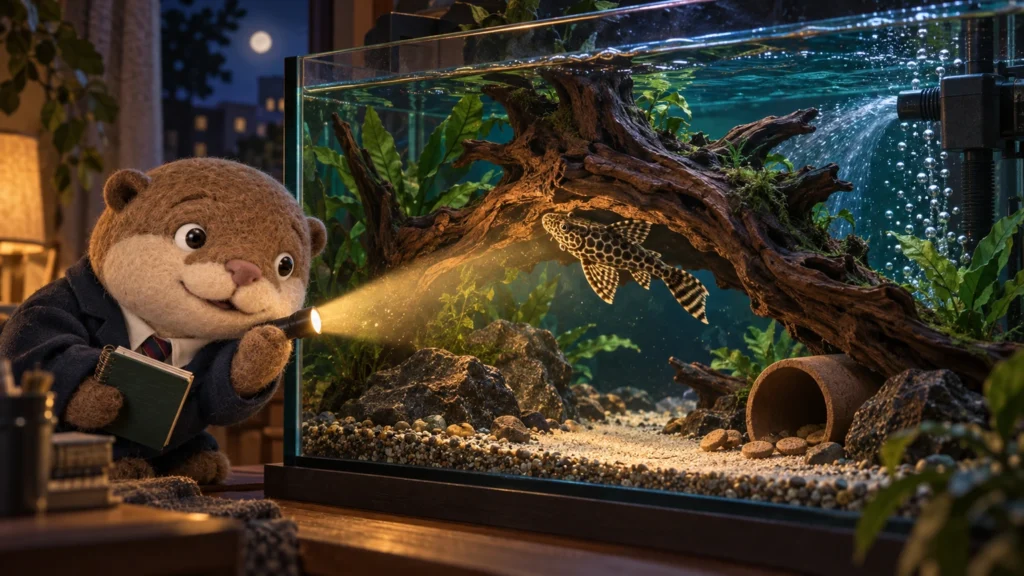 アイのアクアグッズ案内プレコ飼育に必要なもの|餌・流木・ろ過・隠れ家・掃除用品道具の特徴や使い方、選ぶときのポイントをアイが紹介します。記事はコチラ →
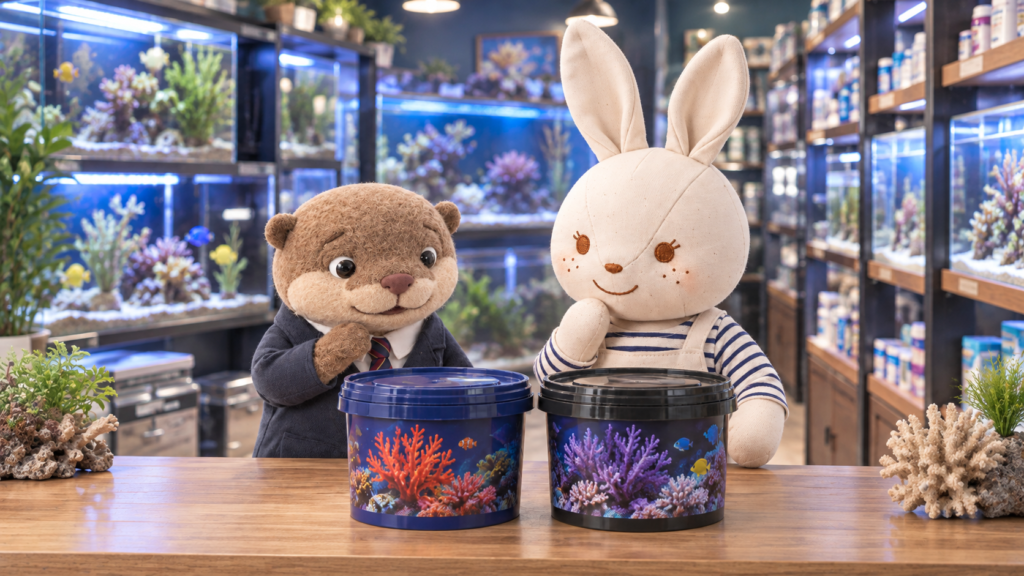 アイのアクアグッズ案内ショップで見かけるカラフルなバケツ。いったい何が入ってる?道具の特徴や使い方、選ぶときのポイントをアイが紹介します。記事はコチラ →
さまざまな飼育テーマをご紹介。リンク先の記事には広告・商品紹介が含まれます。
案内・紹介記事一覧へ →参考文献
本記事では、アピストグラマ・アガシジィの分類、分布、飼育環境、繁殖行動、アピストグラマ属全般の飼育傾向を確認するため、以下の資料を参考にしました。
-
Fricke, R., Eschmeyer, W. N. & Van der Laan, R. (eds.). Eschmeyer’s Catalog of Fishes: Apistogramma agassizii (Steindachner, 1875). California Academy of Sciences.
Eschmeyer’s Catalog of Fishesで確認する -
Froese, R. & Pauly, D. (eds.). FishBase: Apistogramma agassizii, Agassiz’s dwarf cichlid. FishBase.
FishBaseで確認する - Kullander, S. O. (1986). Cichlid fishes of the Amazon River drainage of Peru. Swedish Museum of Natural History, Stockholm.
-
Estivals, G., et al. (2020). The Amazonian dwarf cichlid Apistogramma agassizii (Steindachner, 1875) is a geographic mosaic of potentially tens of species: Conservation implications.
論文PDFで確認する -
Silva, H. J., et al. (2022). Reproductive aspects of the dwarf cichlid Apistogramma agassizii under captive conditions. Boletim do Instituto de Pesca, 48, e705.
論文PDFで確認する -
Seriously Fish. Apistogramma agassizii species profile. Seriously Fish.
Seriously Fishで確認する -
Plazak, K. The Apistogramma Aquarium. Tropical Fish Hobbyist Magazine.
Tropical Fish Hobbyist Magazineで確認する
注:ダブルレッドは自然産地を示す分類名ではなく、観賞魚として流通する改良品種名です。そのため、分類・分布・原種の生態については主にApistogramma agassiziiの資料を参照し、改良品種としての色彩表現や飼育上の扱いはアピストグラマ属全般の飼育知見と照合して整理しています。




コメント