


解説 / Description
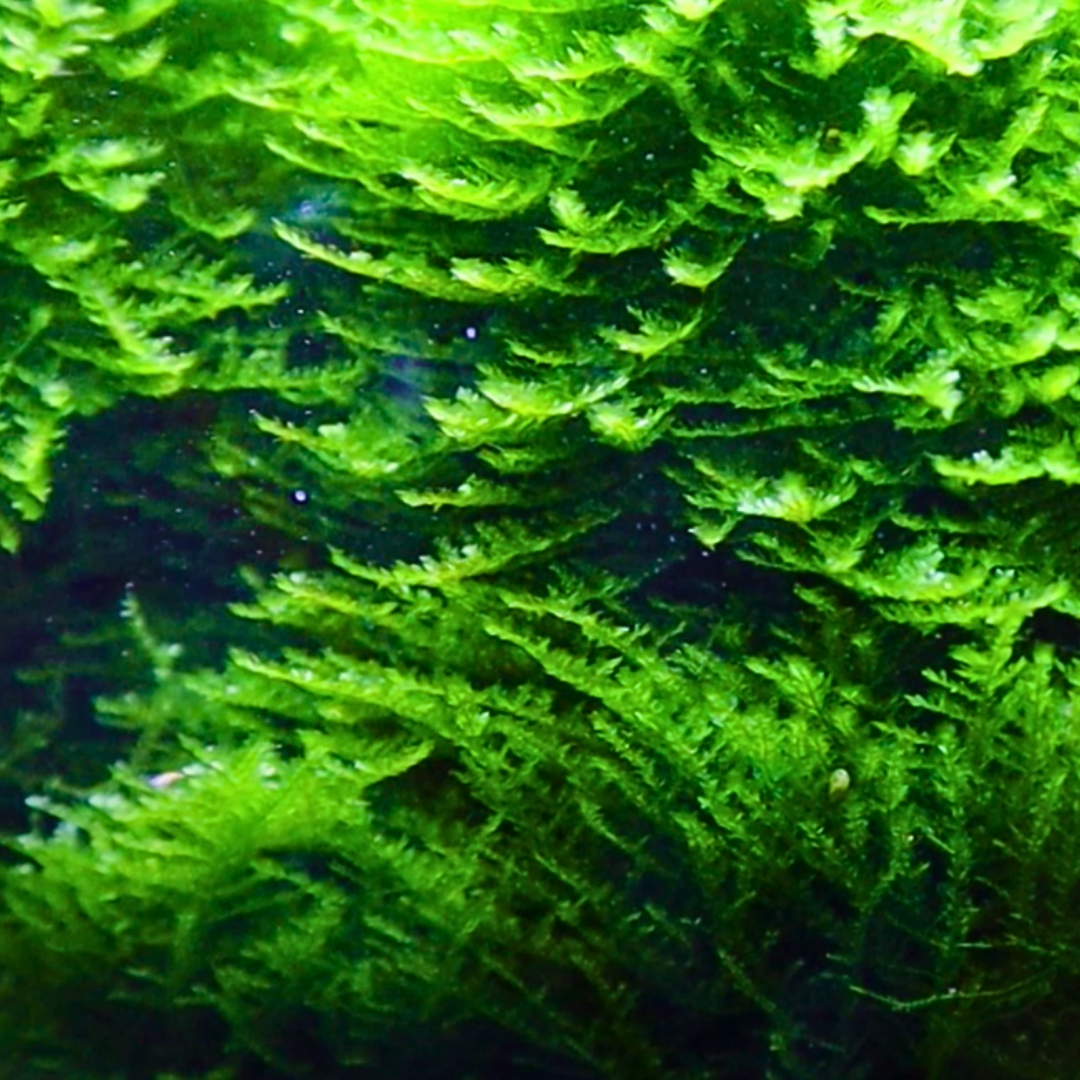
クリスマスモスは、細かな側枝が左右に広がり、モミの木の枝を思わせる三角形の輪郭をつくる水生コケです。小さな葉をまとった枝が重なる姿には、繊細さと落ち着いた存在感があります。流木に添えれば苔むした森のように、石に広げれば年月を経た岩肌のように、水景にやわらかな表情を加えてくれます。 Christmas moss is an aquatic moss whose fine side branches spread into triangular outlines reminiscent of fir branches. Its overlapping, tiny-leaved shoots combine delicate detail with a calm presence. Attached to driftwood, it suggests a mossy woodland; spread over stone, it gives the surface a gently weathered appearance.
CO2を添加しない水槽でも育成できますが、整った枝ぶりを楽しむには、適度な明るさと安定した環境が大切です。枝の伸び方や見え方は育成条件によって変わり、いつも同じ三角形になるとは限りません。最初は薄く固定し、成長に合わせて少しずつ整えると、このモスらしい細やかな枝分かれを楽しみやすくなります。 It can grow without injected CO2, though moderate light and stable conditions help it develop attractive branching. The growth and appearance of its shoots vary with conditions, so they will not always form identical triangles. Starting with a thin attached layer and shaping it gradually makes its intricate branching easier to appreciate.
基本情報 / Basic Information
| 学名 / Scientific Name | Vesicularia montagnei クリスマスモスとして流通する代表的な学名です。古い販売名には「Vesicularia dubyana ‘Christmas’」も見られますが、これは正式な同物異名とは区別されます。販売名だけで種を確定することはできません。This is the scientific name commonly associated with Christmas moss. Older trade labels include “Vesicularia dubyana ‘Christmas’,” which should be distinguished from a formal taxonomic synonym. A trade name alone does not establish species identity. |
|---|---|
| 通称 / Common Name | クリスマスモス、クリスマスツリーモス。「南米ウィローモス」「ミニクリスマスモス」などの名称で売られるモスを、すべて本種と同じものと考えないようにしましょう。Christmas moss, Christmas tree moss. Mosses sold under Japanese names such as “South American willow moss” or “mini Christmas moss” should not automatically be assumed to be this species. |
| 分類 / Family | ハイゴケ科・ヴェシクラリア属の蘚類。水槽では水草として扱われますが、花を咲かせる植物とは異なるコケ植物です。A moss in the family Hypnaceae, genus Vesicularia. Although kept as an aquarium plant, it is a bryophyte rather than a flowering plant. |
| 分布 / Distribution | タイなどのアジア地域に生育記録があります。一方、園芸流通ではブラジル由来と紹介される株もあり、流通株の由来と種としての自然分布は分けて考える必要があります。Recorded from Asian localities, including Thailand. Some commercial stocks are described as originating from Brazil, so the origin of a traded stock should be distinguished from the species’ natural distribution. |
| 育成難易度 / Difficulty | 普通。美しい枝ぶりを保つには、適度な光と定期的な手入れが必要です。夏の高水温、藻類の絡み付き、茂み内部の汚れに気を配ります。Moderate. Attractive branching requires adequate light and regular maintenance. Pay attention to summer heat, tangled algae, and debris trapped inside dense patches. |
育成環境 / Cultivation Environment
| 光量 / Light | 中程度の光を目安に、茂み全体へ光が届く場所に配置します。弱い光でも育つことはありますが、枝ぶりや密度が変わる場合があります。照明時間はまず1日6〜8時間を管理の目安とし、成長や藻類の発生を見て調整しましょう。光を強くすれば、それだけ形が整うわけではありません。Aim for moderate light reaching the whole patch. It may grow under lower light, but branching and density can differ. As an initial maintenance guideline, use roughly six to eight hours of light daily, then adjust according to growth and algae. More intense light does not necessarily produce better-shaped growth. |
|---|---|
| CO2添加 / CO2 Injection | 必須ではありません。添加は成長を助けますが、光や栄養とのバランスが大切です。モスの成長を促そうと添加量を増やしすぎず、魚やエビの状態も確認しながら、安定した供給を心がけます。Not essential. Injection can support growth, provided it is balanced with light and nutrients. Avoid excessive dosing in an attempt to accelerate growth, and maintain a stable supply while observing fish and shrimp. |
| 水質 / Water Quality | 淡水で育成します。水温20〜26℃程度、弱酸性〜中性付近の軟水を、日常管理の目安にできます。ただし、これらは厳密な生育限界や最適値を示すものではありません。数値を合わせるために水質を急変させず、同居する魚やエビに適した環境も考慮しましょう。夏に高水温が続く場合は冷却を検討し、茂みの周囲には穏やかな水流を通します。Grow it in freshwater. Around 20–26°C, mildly acidic to near-neutral conditions, and soft water can serve as practical maintenance guidelines, rather than proven optimum values or strict biological limits. Avoid abrupt changes made simply to match a number, and consider the needs of fish and shrimp. Consider cooling during sustained summer heat and provide gentle circulation around the moss. |
| 底床 / Substrate | 底床は必須ではなく、流木や石に固定して育てます。ソイル、砂、砂利のいずれとも組み合わせられますが、モス自体は埋め込まないでください。栄養は主に体の表面から取り込むため、不足が疑われる場合は水草用液体肥料を少量ずつ補います。魚のいる水槽では、給餌などに由来する栄養で足りることもあります。No substrate is required; attach it to wood or stone. It can be combined with aquasoil, sand, or gravel, but should not be buried. Nutrients are absorbed mainly through its surfaces, so use small amounts of aquarium plant liquid fertilizer when a shortage is suspected. In stocked tanks, nutrients from feeding may already be sufficient. |
レイアウト / Layout
| 配置 / Positioning | 前景の小石、中景の流木、枝先のアクセントなどに向きます。枝の輪郭を見せたいときは、周囲に少し余白を残すと効果的です。メッシュに固定すれば、モスマットや背景のモスウォールにも使えます。細かな茂みは、稚エビや小さな魚の隠れ場所にもなります。Use it on foreground stones, midground driftwood, or as an accent on branch tips. Leave some open space around it to reveal the branching outline. Attached to mesh, it can form mats or a moss wall. Fine patches also provide shelter for young shrimp and small fish. |
|---|---|
| 注意点 / Precautions | 最初は薄く広げ、木綿糸やテグスで、モスが動かない程度に固定します。活着の速さには差があり、木綿糸が先に切れることもあるため、ときどき固定状態を確認しましょう。水草用のジェル状接着剤を使う場合は、ごく少量を点付けします。厚く重ねると内側が傷みやすくなり、成長した茂みが塊ごとはがれる原因になります。メッシュや糸の端は、生体が引っかからないよう処理してください。Spread a thin layer and secure it with cotton thread or fishing line so it cannot shift. Attachment speed varies, and cotton may break down before the moss is firmly attached, so check occasionally. If using aquarium plant gel adhesive, apply only tiny dots. Thick layers can deteriorate underneath and eventually detach as a clump. Finish mesh edges and thread ends so livestock cannot become caught. |
増やし方(トリミング) / Propagation & Trimming
| 増やし方 / Propagation | 健康な茂みを分けたり、トリミングで得た緑の枝を別の流木や石に固定したりして増やします。小さな断片からも成長することがあるため、増やしたい場所に固定し、不要な切れ端は回収すると管理しやすくなります。Divide healthy patches or attach green trimmings to another piece of wood or stone. Small fragments may also grow, so secure them where growth is wanted and remove unwanted scraps. |
|---|---|
| トリミング / Trimming | 茂みが厚くなる前に、外へ伸びた枝を短く切り、混み合った部分を少しずつ間引きます。三角形の枝ぶりを残したいときは、表面を一律に刈るより、長い枝を選んで切ると自然な輪郭を保ちやすいでしょう。内側に傷んだ茶色い部分があれば、必要に応じて取り除きます。切れ端はホースで吸い出し、周囲の水草に入り込むのを防ぎます。Shorten outward-growing shoots and thin crowded areas before the patch becomes thick. To preserve triangular branching, selectively trim longer shoots rather than shearing the whole surface evenly. Remove deteriorated brown material inside as needed, and siphon out fragments before they lodge in nearby plants. |
病気と対策(コケなど) / Pests & Algae
| かかりやすい病気 / Common Issues | よく見られるトラブルは、アオミドロなどの糸状藻類や黒ヒゲゴケの付着、茂み内部の褐変、先端の黄化です。必ずしも病気とは限らず、高水温、光不足、栄養の不足や偏り、汚れの蓄積などが関係する場合があります。黄化だけで鉄不足と判断せず、水槽全体の状態を見直しましょう。Common problems include filamentous algae, black beard algae, browning inside dense patches, and yellowing tips. These are not necessarily diseases; heat, inadequate light, nutrient shortages or imbalances, and accumulated debris may contribute. Yellowing alone does not establish iron deficiency, so assess the tank as a whole. |
|---|---|
| 対策と予防 / Prevention | 換水時にスポイトなどで茂みへ穏やかに水を送り、浮いた汚れを吸い出します。藻類が強く絡んだ部分は、無理に引っ張るより枝ごと取り除く方が、周囲のモスを傷めずに済みます。照明、給餌、施肥を見直し、強い水流を直撃させない範囲で通水を改善してください。導入前には異物や巻貝などを確認し、組織培養品は培地をやさしく洗い落とします。エビ水槽では、農薬使用の有無を確認できる株を選びましょう。洗浄や除去剤だけで残留農薬を完全に除けるとは限らず、薬剤処理はモス自体を傷める場合もあります。During water changes, gently flush the patch with a pipette or similar tool and siphon away loosened debris. Remove heavily tangled shoots rather than pulling algae through the surrounding moss. Review lighting, feeding, and fertilization, and improve circulation without directing a strong jet at the plant. Inspect new stock for debris and snails; gently rinse the medium from tissue-cultured moss. For shrimp tanks, choose stock with a verifiable pesticide history. Washing or removal treatments cannot be assumed to eliminate every residue, and chemical treatments may damage the moss. |
雑学と豆知識 / Trivia and Fun Facts
| 1. クリスマスツリーに見えるのは「枝」 / 1. A Christmas Tree Made of Branches | 名前の由来は、左右に伸びる側枝がモミの木の枝を思わせること。一枚の葉が大きな三角形をしているのではなく、小さな葉をつけた枝全体が、その輪郭をつくっています。少量を白い器に取って眺めると、緑の塊として見ていたモスの中に、細やかな枝分かれが見えてきます。Its name refers to side branches that resemble those of a fir tree. The triangle is formed by an entire leafy shoot, rather than by a single large triangular leaf. Viewed against a white dish, a small piece reveals the delicate branching hidden within what first appears to be a simple green clump. |
|---|---|
| 2. 根を張らずに、水辺で暮らすしくみ / 2. Life Without True Roots | クリスマスモスには、一般的な水草のような真の根がありません。流木や石につかまる役割は「仮根」が担い、水分や栄養は主に体の表面から取り込みます。そのため、育成では根元へ肥料を埋めるより、水中の栄養と茂みの周囲の水の流れに目を向けます。細かな枝葉が集まる茂みは、エビが歩き回り、表面の微生物などをついばむ場所にもなります。Christmas moss lacks the true roots found in many other aquarium plants. Rhizoids help it hold onto wood or stone, while water and nutrients are absorbed mainly through its surfaces. Its care therefore focuses on dissolved nutrients and circulation around the patch rather than fertilizer buried beneath it. The fine leafy shoots also give shrimp a surface to explore and graze for microorganisms. |
| 3. 名前や枝ぶりだけでは見分けきれない / 3. Names and Shapes Do Not Tell the Whole Story | 水槽で育てるモスには、外見のよく似た種類がいくつもあります。同じ「クリスマスモス」という名前でも、流通する株が一様とは限りません。さらに、枝の伸び方は育成条件でも変わるため、三角形の姿だけで種を確定するのは難しいものです。正確な識別には、葉の形や細胞を顕微鏡で調べる必要がある場合もあります。流通名と植物学上の種名を分けて考えると、似たモスの違いにも目を向けやすくなります。Several aquarium mosses look remarkably similar, and stocks sold as “Christmas moss” are not necessarily uniform. Growing conditions also affect branching, so a triangular appearance alone cannot reliably establish species identity. Accurate identification may require microscopic examination of leaves and cells. Distinguishing trade names from botanical species names makes it easier to appreciate differences between similar mosses. |
| 4. 水面の上にも広がる緑 / 4. Greenery Above the Waterline | 湿り気を保てる環境なら、水上でも育成を楽しめます。パルダリウムでは、水際の流木や湿った壁面を緑でつなぐ素材として魅力的です。水中から移した直後は乾燥を避け、表面の湿り気を保ちながら新しい環境に慣らします。密閉した容器では高温や蒸れに注意し、乾燥しすぎない範囲で通気を確保しましょう。霧吹きの回数を固定するより、モスの乾き方と容器内の温度を見て調整する方が、環境に合った管理につながります。It can also be grown above water when sufficient moisture is maintained. In a paludarium, it can visually connect waterside driftwood with damp walls. After moving submerged moss into air, keep its surface moist while it acclimates. In enclosed containers, watch for heat and stagnant humid conditions, and provide ventilation without allowing excessive drying. Adjust misting to actual drying and temperature rather than following a fixed schedule. |
| 5. 小さなモスが環境研究の対象に / 5. A Small Moss in Environmental Research | クリスマスモスは、金属を体内に蓄積する性質についても研究されています。2024年に公表された研究では、亜鉛やカドミウムを加えた培養液で育て、金属の蓄積、成長、葉緑素の変化を調べました。これは、植物に汚染物質を取り込ませ、回収に利用できるかを探る研究です。身近な水槽植物にも、こうした可能性があるのは興味深いところでしょう。ただし、特定の実験条件で得られた結果であり、観賞用水槽での安全な浄化効果を示すものではありません。吸収された金属はモスの中に残るため、育てるだけで汚染物質が消えるわけでもありません。Christmas moss has also been studied for its ability to accumulate metals. A study published in 2024 grew it in nutrient solutions containing zinc, cadmium, or both, and examined metal accumulation, growth, and chlorophyll changes. The aim was to explore whether plants could capture contaminants for removal. It is intriguing that a familiar aquarium plant may have such potential. However, the findings apply to specific experimental conditions and do not demonstrate safe purification in ornamental aquariums. Absorbed metals remain in the moss; growing it does not make contaminants disappear. |
まとめ / Conclusion
クリスマスモスの魅力は、細かな枝が重なり、流木や石に緑の奥行きを添えることにあります。小さな一片から育てても、成長とともに枝ぶりが現れ、水槽の中に苔むした景色が広がっていきます。 Christmas moss brings depth to wood and stone through layers of finely branched greenery. Even a small starting piece can gradually reveal its branching and grow into a moss-covered scene within the aquarium.
薄く固定し、厚くなる前に整え、茂みに汚れをためないことが、美しく保つ基本です。適度な光と安定した水温のもとで育つ枝先を眺めながら、繊細な緑が水景になじんでいく過程を楽しめます。 Attach it thinly, trim before it becomes crowded, and keep debris from accumulating inside. With moderate light and stable temperatures, its growing tips offer the quiet pleasure of watching delicate greenery become part of the aquascape.

気になる道具や飼い方を見つけてみませんか?
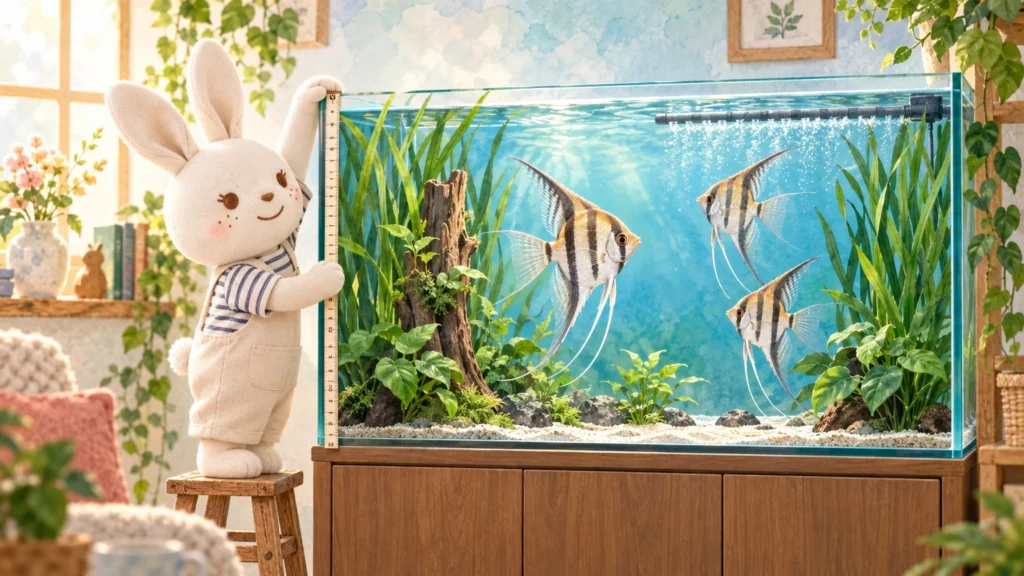 アイのアクアグッズ案内エンゼルフィッシュの飼育用品|高さのある水槽・ろ過・水草・餌の選び方道具の特徴や使い方、選ぶときのポイントをアイが紹介します。記事はコチラ →
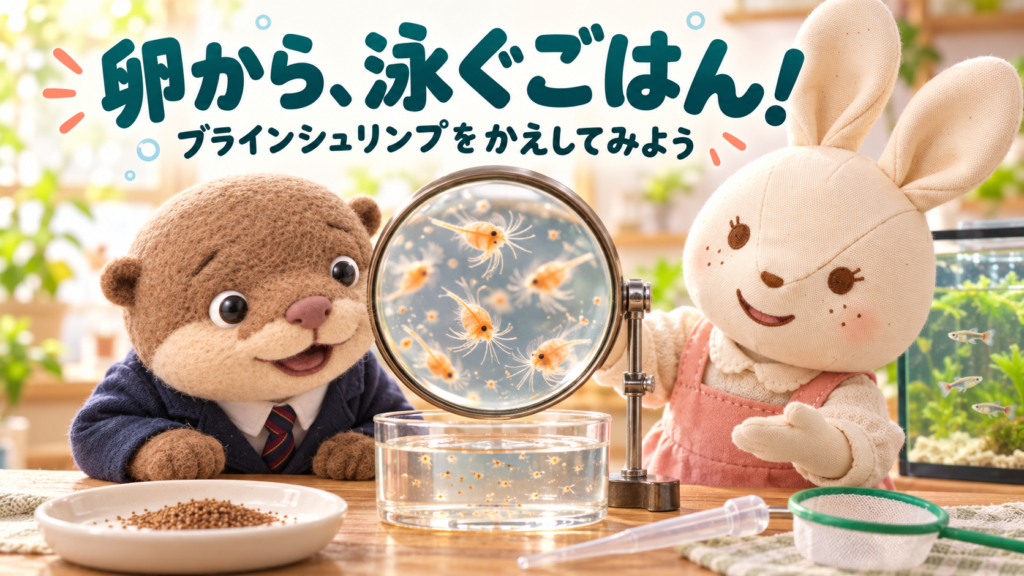 アイのアクアグッズ案内そのごはん、泳いでる! 卵から始めるブラインシュリンプの孵化と道具選び道具の特徴や使い方、選ぶときのポイントをアイが紹介します。記事はコチラ →
さまざまな飼育テーマをご紹介。リンク先の記事には広告・商品紹介が含まれます。
案内・紹介記事一覧へ →分布マップ
クリスマスモス(Vesicularia montagnei)は、タイなどのアジア地域に生育記録があります。地図はタイを中心に、周辺のアジア地域を見渡せる範囲で表示しています。
この地図は地域の位置関係を示す概略表示です。表示範囲全体に分布することや、正確な分布境界を示すものではありません。マーカーはタイ国内に便宜上設定した代表地点(北緯15度、東経101度)で、実際の採集地点ではありません。
参考文献
-
Hu, Y. et al.(2023).
Axenic in vitro cultivation and genome diploidization of the moss Vesicularia montagnei for horticulture utilization.
Frontiers in Plant Science, 14, 1137214.
アジアでの分布、仮根、無菌培養と増殖に関する研究。 -
Anglana, C. et al.(2024).
Characterization of three species of aquatic mosses in axenic culture for biomonitoring and biotechnological applications.
Aquatic Botany, 193, 103762.
本種を含む水生コケ3種の培養、成長、茎の先端部分を用いた増殖に関する比較研究。 -
Taeprayoon, P., Pongphontong, K., Somtrakoon, K., Phusantisampan, T. & Meeinkuirt, W.(2024).
Synergistic effects of zinc and cadmium on phytoremediation potential of Christmas moss (Vesicularia montagnei).
Scientific Reports, 14, 17754.
ハイゴケ科としての分類、タイでの採集記録と生育場所、実験条件下での金属蓄積・成長・葉緑素の変化。 -
Tropica Aquarium Plants.
Vesicularia montagnei ‘Christmas Moss’.
生産者による本種の公式解説。名称の由来、光量、CO2要求度、活着と剪定。ブラジル由来という流通上の紹介も掲載。 -
AQUA DESIGN AMANO・WEBアクア・ジャーナル編集部(2022年4月15日).
知りたい、モスのこと「モス図鑑」.
国内で流通するモスの形態と活着方法。クリスマスモスの三角形の枝ぶり、同名で流通する株の多様さ、水上での利用。 -
AQUA DESIGN AMANO.
ゼロからはじめるネイチャーアクアリウム.
水草水槽の一般的な管理資料。モスの巻き付け、照明・CO2・栄養の管理、換水、藻類と汚れの除去。 -
Tropica Aquarium Plants.
Tropica Products.
生産者による組織培養品の説明と、農薬の安全性を保証できない束売り水草をエビ水槽へ導入する際の注意事項。
ウェブ資料の閲覧日:2026年10月8日




コメント