

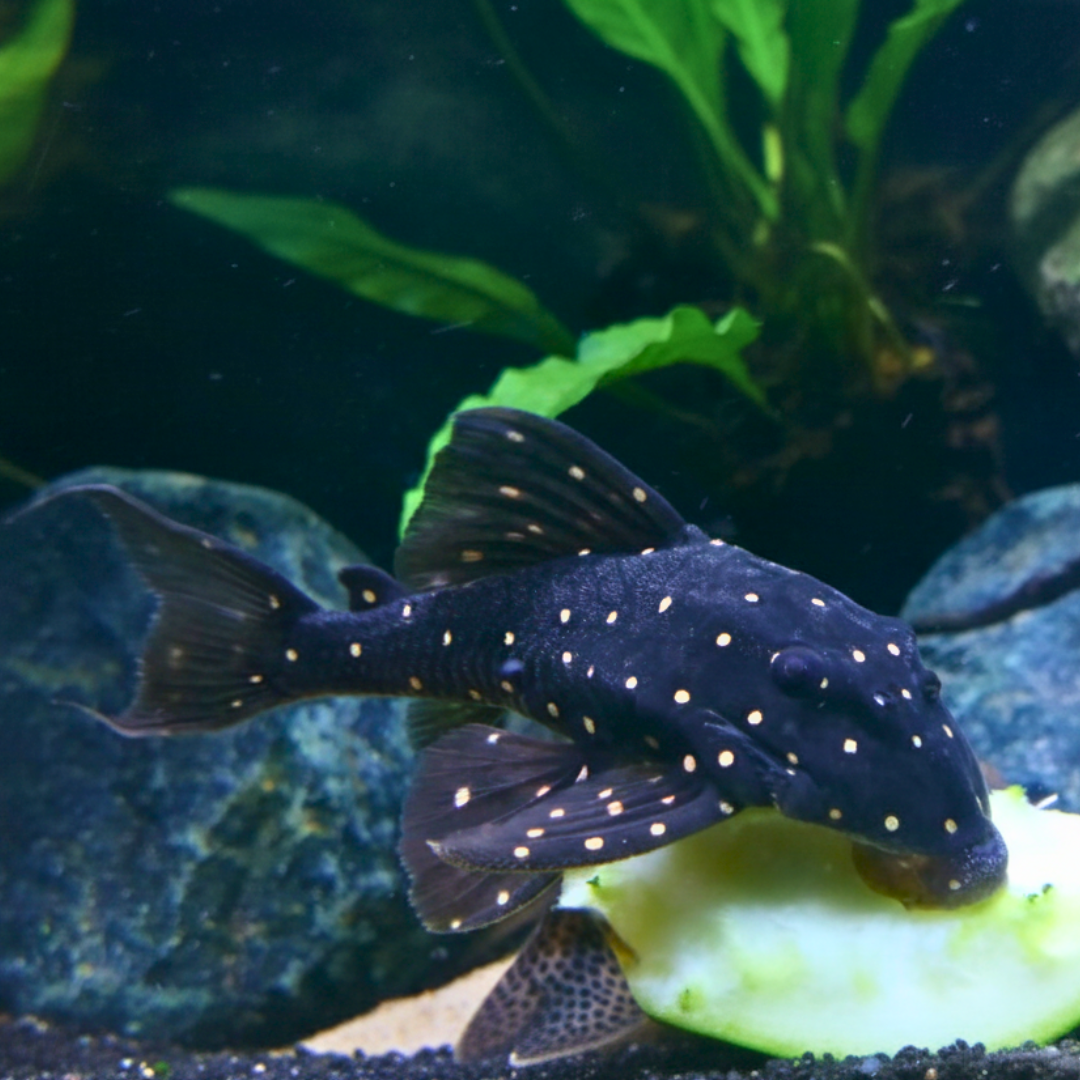
解説 / Description
マスタードファントムプレコは、南米アマゾン川やオリノコ川流域を原産とする、ロリカリア科の中型プレコです。その名の通り、マスタードをまぶしたような美しい黄色の斑点(スポット)が黒褐色の体色に映える非常に魅力的な魚です。プレコの中でも活動的な性質を持ち、水槽環境に慣れると日中でも活発に動き回る姿を観察できるため、観賞価値が極めて高いことで知られています。Lナンバーによって複数の地域変異が存在しますが、いずれも美しく、丈夫で飼育しやすいことから、日本のアクアリストの間でも古くから愛され続けている「星屑のプレコ」です。 The Mustard Phantom Pleco is a medium-sized Loricariid catfish native to the Amazon and Orinoco River basins in South America. As its name suggests, it features beautiful mustard-yellow spots scattered across a dark brown body, making it a highly attractive species. Known for its active temperament, once acclimated to the aquarium, it can be seen moving energetically even during the day. While several regional variants exist under different L-numbers, they are all prized by Japanese aquarists as a “Star-dusted Pleco” for their beauty, hardiness, and ease of care.
基本情報 / Basic Information
| 学名 / Scientific Name | Peckoltia sabaji (or Ancistomus sabaji) |
|---|---|
| 通称 / Common Name | マスタードファントムプレコ、ギャラクシーペコルティア、パラプレコ(L075)Mustard Phantom Pleco, Galaxy Peckoltia |
| 分類 / Family | ナマズ目ロリカリア科アンキストルス族Siluriformes, Loricariidae, Ancistrini |
| 英名 / English Name | Mustard Phantom Pleco |
| 分布 / Distribution | ブラジル(タパジョス川、トカンチンス川)、ベネズエラ・コロンビア(オリノコ川)、ガイアナ(ルプヌニ川)などBrazil (Tapajos, Tocantins), Venezuela/Colombia (Orinoco), Guyana (Rupununi), and more. |
| 最大体長 / Max Size | 約20cm〜25cmApprox. 20cm to 25cm (8 to 10 inches) |
| 寿命 / Lifespan | 約10年〜15年(飼育環境による)Approx. 10 to 15 years (depending on the environment) |
飼育環境 / Aquarium Environment
| 水槽サイズ / Tank Size | 幼魚期は60cm規格水槽でも可能ですが、成魚では底面積の広い90cm規格水槽(約160L以上)、複数飼育や混泳の場合は120cmワイド水槽以上の大型水槽が推奨されます。A standard 60cm tank is fine for juveniles, but a standard 90cm tank (approx. 160L) is recommended for adults. For multiple specimens or community tanks, a 120cm wide tank or larger is ideal. |
|---|---|
| 水温 / Temperature | 26℃ 〜 30℃。一般的な熱帯魚よりもやや高めの水温を好みます。 26°C to 30°C. They prefer slightly warmer water than typical tropical fish. |
| 水質 / Water Quality | pH 5.0 〜 7.5。弱酸性から中性の軟水を好みます。急激な変化を避け、清浄な状態を維持してください。pH 5.0 to 7.5. They prefer soft water ranging from slightly acidic to neutral. Maintain clean water and avoid sudden fluctuations. |
| レイアウト / Layout | 急流を好むため強い水流と高い溶存酸素量を確保します。流木を多めに配置し、スレート板や石を組み合わせて「一方向のみが開いた洞窟状の隠れ家」を複数用意してください。Ensure strong water flow and high dissolved oxygen as they prefer rapid streams. Provide plenty of driftwood and multiple cave-like shelters made of slate or stones with only one opening. |
| 注意点 / Precautions | 酸欠に非常に弱いため、高レベルのエアレーションが不可欠です。また、導入時の水合わせは慎重に行い、アンモニア中毒のリスクを避けるために温度合わせを優先する手法が推奨されます。They are very sensitive to oxygen depletion, so high-level aeration is essential. Acclimatization should be done carefully, prioritizing temperature matching to avoid ammonia toxicity risks during introduction. |
餌と給餌 / Feeding
| 餌の種類 / Diet | 機会主義的な雑食性です。プレコ用タブレットを主食に、冷凍赤虫やブラインシュリンプなどの動物性飼料、茹でたズッキーニやキュウリなどの野菜をバランスよく与えてください。Opportunistic omnivores. Use pleco tablets as a staple, supplemented with animal-based foods like frozen bloodworms or brine shrimp, and vegetables like boiled zucchini or cucumber. |
|---|---|
| 給餌のポイント / Feeding Tips | 基本的には夜行性ですが、慣れると日中でも餌を食べに来ます。消灯前後の給餌が効果的ですが、流木に付着する微生物も重要な副食となるため、水槽内には常に流木を入れておくことが大切です。While naturally nocturnal, they will learn to feed during the day. Feeding around lights-out is effective, but always keep driftwood in the tank as the biofilm on it serves as an important secondary food source. |
性格と混泳 / Temperament and Tank Mates
| 性格 / Temperament | プレコの中では比較的温和ですが、同種間や似た体型の底生魚に対しては縄張り意識を持ち、小競り合いをすることがあります。Relatively peaceful for a pleco, but they can be territorial and skirmish with conspecifics or bottom-dwellers of similar shape. |
|---|---|
| 混泳の相性 / Compatibility | 中層や上層を泳ぐ魚(テトラ、ラスボラ、ディスカスなど)とは非常に相性が良いです。底生魚と混泳させる場合は、十分なスペースと個体数以上の隠れ家を用意することでトラブルを回避できます。Excellent compatibility with middle- and upper-layer swimmers like tetras, rasboras, or discus. If kept with other bottom-dwellers, provide ample space and more hiding spots than the number of fish to avoid conflict. |
病気と対策 / Diseases and Prevention
| かかりやすい病気 / Common Diseases | 白点病、エラ病、および導入初期の消化不良。Ich (white spot disease), gill flukes, and indigestion during the initial introduction period. |
|---|---|
| 対策と予防 / Prevention | 高めの水温を維持し、水質の悪化を防ぐことが最大の予防です。新しく導入する際は必ずトリートメントタンクで観察を行い、異常があれば早めの薬浴や昇温(30℃程度)で対応してください。Maintaining high water temperatures and preventing water quality degradation is the best prevention. Always observe new arrivals in a treatment tank and respond early with medication or temperature increases (around 30°C) if abnormalities occur. |
増やし方(繁殖) / Breeding
| 繁殖形態 / Reproduction | 洞窟産卵型(ケープスポーナー)です。オスが選んだ産卵筒などのシェルター内にメスが卵を産み付け、孵化までオスが献身的に保護します。Cave spawners. The female lays eggs inside a shelter chosen by the male, such as a breeding tube, and the male devotedly protects them until they hatch. |
|---|---|
| 繁殖のポイント / Breeding Tips | 成熟したペアを準備し、雨季を再現する大量換水や水温・水流の変化が産卵の刺激となります。一度に50個から250個ほどの卵を産みます。稚魚にはスピルリナ粉末や細かく砕いたタブレットを与えてください。Prepare a mature pair; stimulation comes from large water changes and shifts in temperature/flow to mimic the rainy season. They lay 50 to 250 eggs. Feed fry spirulina powder or finely crushed tablets. |
雑学と豆知識 / Trivia and Fun Facts
| 1. 学名の由来とSabaj氏への献名 / 1. Origin of the Scientific Name and Dedication to Mr. Sabaj | 種小名の「sabaji」は、南米の魚類調査に多大な貢献をしたMark Henry Sabaj Pérez博士に敬意を表して名付けられました。分類学的にはPeckoltia属とAncistomus属の間で議論が続いており、通常のペコルティアよりも体が長く伸びる独特のプロポーションが、研究者たちを悩ませる魅力的な謎となっています。The specific epithet “sabaji” honors Dr. Mark Henry Sabaj Pérez for his immense contributions to South American fish surveys. Taxonomically, there is ongoing debate between its placement in Peckoltia or Ancistomus, as its elongated body compared to typical Peckoltia remains a fascinating puzzle for researchers. |
|---|---|
| 2. 「マスタード」と「ファントム」の語源的背景 / 2. Etymological Background of “Mustard” and “Phantom” | 「マスタード」の語源は古代ローマの「mustum ardens(燃えるような果汁)」に遡ります。この魚の黄色い斑紋は、まさに歴史ある調味料の色彩そのものです。また「ファントム(幻影)」という名は、1990年代に正体不明の美しいプレコが次々と発見された際、その神秘的な姿を形容するために定着した、プレコ界の「ブランドネーム」と言えるでしょう。The word “mustard” traces back to the Ancient Roman “mustum ardens” (burning must). The yellow spots on this fish perfectly mirror the color of this historic condiment. “Phantom” became a prestigious brand name in the 1990s to describe the mysterious and beautiful plecos being discovered at the time. |
| 3. 日本独自の呼称「ギャラクシーペコルティア」 / 3. Japan’s Unique Name: “Galaxy Peckoltia” | 日本では「ギャラクシー(銀河)」という詩的な名で呼ばれることもあります。暗い体色に散りばめられた無数のスポットを、夜空に輝く星々や宇宙の星屑に見立てたこのネーミングは、日本のアクアリストがいかにこの魚に美しさを見出しているかを物語っています。In Japan, it is poetically called the “Galaxy Peckoltia.” This naming, likening the countless spots on its dark body to stars in the night sky or cosmic stardust, reflects the deep aesthetic appreciation Japanese aquarists have for this fish. |
| 4. Lナンバーによる地域変異の楽しみ / 4. Enjoying Regional Variations via L-Numbers | L075(ブラジル・パラ産)、L124(ベネズエラ・オリノコ産)、L301(ガイアナ・ルプヌニ産)と、採集される水系によって異なるLナンバーが割り振られています。スポットの密度や地色の明るさが微妙に異なるため、産地にこだわってコレクションするのも本種を飼育する大きな醍醐味の一つです。Assigned different L-numbers like L075 (Para, Brazil), L124 (Orinoco, Venezuela), and L301 (Rupununi, Guyana) based on their river systems. The subtle differences in spot density and base color make collecting by origin one of the great joys of keeping this species. |
まとめ / Conclusion
マスタードファントムプレコは、その圧倒的な色彩美と活発な性質で、アクアリウムの中に南米の大河のダイナミズムを運んできてくれる存在です。適切な環境と愛情をもって接すれば、10年以上にわたって私たちの目を楽しませてくれる素晴らしいパートナーとなります。 With its overwhelming color and active nature, the Mustard Phantom Pleco brings the dynamism of South America’s great rivers into your aquarium. With the right environment and care, it becomes a wonderful partner that graces our eyes for over a decade.
近年、野生個体の輸出規制が厳しくなる中で、日本国内での繁殖技術の確立は大きな意味を持ちます。この美しい「星屑のプレコ」が、次世代のアクアリストたちにも引き継がれていくことを願ってやみません。 As export regulations on wild specimens tighten, establishing breeding techniques within Japan gains significant importance. We hope this beautiful “Star-dusted Pleco” continues to inspire generations of aquarists to come.
気になる道具や飼い方を見つけてみませんか?
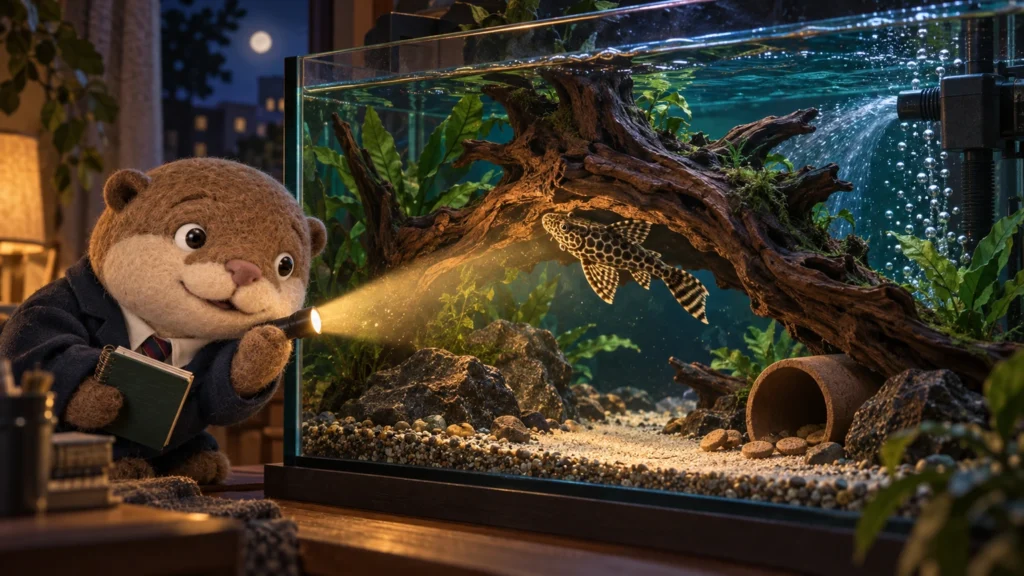 アイのアクアグッズ案内プレコ飼育に必要なもの|餌・流木・ろ過・隠れ家・掃除用品道具の特徴や使い方、選ぶときのポイントをアイが紹介します。記事はコチラ →
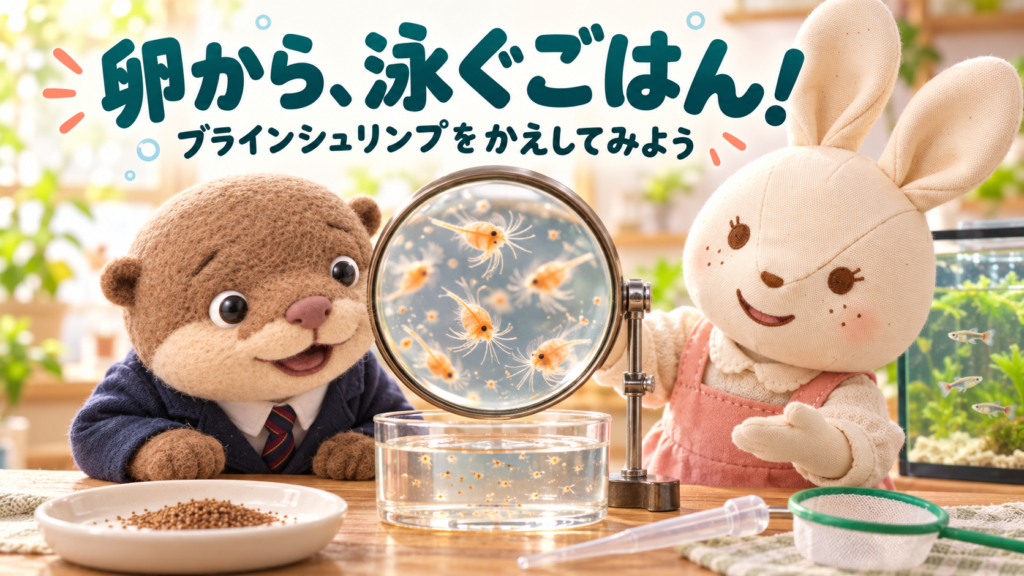 アイのアクアグッズ案内そのごはん、泳いでる! 卵から始めるブラインシュリンプの孵化と道具選び道具の特徴や使い方、選ぶときのポイントをアイが紹介します。記事はコチラ →
 アイのアクアグッズ案内旅行中、お魚のごはんはどうする? 自動給餌器・使える餌・スマート水槽の選び方旅行中の魚の餌やりを助ける自動給餌器を、アイとコタロウが紹介。時間指定、おかわり給餌、対応するフレークや顆粒、設置台、スマホ管理、一体型水槽、留守番フードまで、使いどころと選び方を案内します。記事はコチラ →
 アイのアクアグッズ案内グッピー・プラティ・モーリーを親子で楽しむ飼育用品|水槽・稚魚保護・ろ過・餌・水草道具の特徴や使い方、選ぶときのポイントをアイが紹介します。記事はコチラ →
さまざまな飼育テーマをご紹介。リンク先の記事には広告・商品紹介が含まれます。
案内・紹介記事一覧へ →▶ 記事の生体をAMAZONで買う
参考文献および関連資料
本図鑑の作成にあたり、以下の学術論文、データベース、および歴史的資料を参照しています。
- Armbruster, J.W. (2003). Peckoltia sabaji, a new species from the Guyana Shield (Siluriformes: Loricariidae). Zootaxa, 344, 1-12. (新種記載時の基本論文)
- Armbruster, J.W. (2008). The genus Peckoltia with the description of two new species and a reanalysis of the phylogeny of the genera of the Hypostominae (Siluriformes: Loricariidae). Zootaxa, 1822, 1-76. (系統分類の再評価)
- PlanetCatfish.com. Species Profile: Peckoltia sabaji (L075, L124, L301). (世界最大級のナマズデータベース)
- FishBase (Electronic publication). Species summary for Peckoltia sabaji. (魚類学の標準的なオンラインデータベース)
- DATZ (Die Aquarien- und Terrarienzeitschrift). L-number System Archives. (Lナンバー制度の提唱誌)
- Apicius. De Re Coquinaria (On the Subject of Cooking). 4th Century AD. (マスタードの語源に関する歴史的文献)
- IBAMA (Instituto Brasileiro do Meio Ambiente e dos Recursos Naturais Renováveis). Normative Instructions on Ornamental Fish Exports. (ブラジルの輸出規制に関する公文書)
※記載内容は最新の研究成果に基づき随時更新される場合があります。




コメント