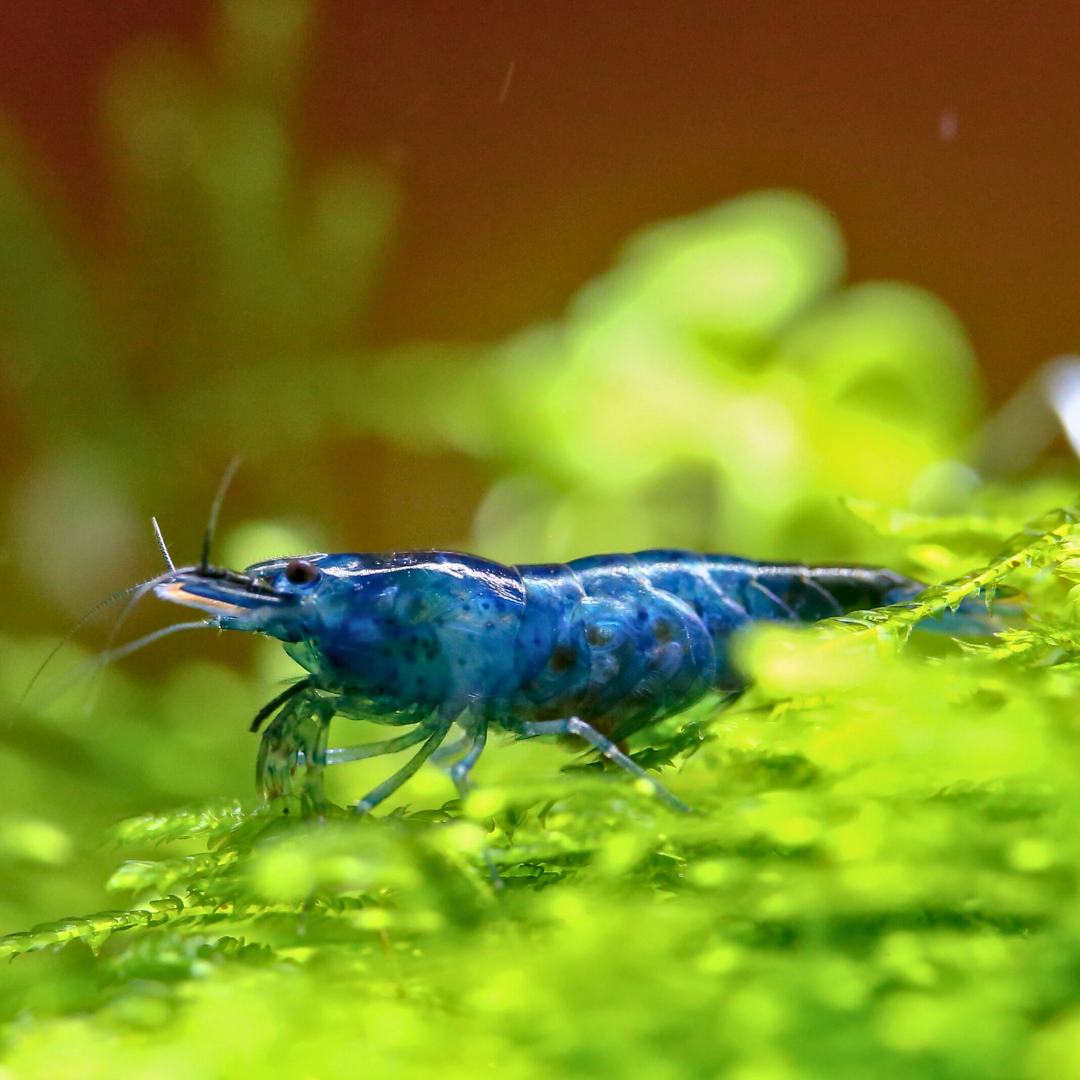
ベルベットブルーシュリンプは、台湾で作出されたヌマエビの色彩変異系統で、その名の通りビロードのような深く鮮やかな青色が最大の特徴です。野生のヌマエビが持つ環境適応能力を受け継ぎつつ、何世代にもわたる選択交配によってこの芸術的な体色が固定されました。水草の緑に非常によく映えるため、ネイチャーアクアリウムのアクセントとしてだけでなく、クリーニングクルー(お掃除役)としても極めて優秀な存在です。初心者の方でも飼育しやすく、繁殖も容易なため、カラーシュリンプの世界への入り口として最適な種類といえるでしょう。The Blue Velvet Shrimp is a color morph of the freshwater shrimp Neocaridina davidi, originally developed in Taiwan. As the name suggests, its most striking feature is a deep, vivid blue coloration reminiscent of velvet. While inheriting the robust adaptability of wild shrimp, this artistic color has been stabilized through generations of selective breeding. They contrast beautifully against green aquatic plants, making them not only a visual highlight in nature aquariums but also excellent members of the cleaning crew. Because they are easy to keep and breed, they are an ideal choice for beginners entering the world of ornamental shrimp.
基本情報 / Basic Information
学名 / Scientific Name
Neocaridina davidi var. Blue Velvet
通称 / Common Name
ベルベットブルーシュリンプ、ブルージェリーBlue Velvet Shrimp, Blue Jelly Shrimp
分類 / Family
十脚目 ヌマエビ科 カワリヌマエビ属Order Decapoda, Family Atyidae, Genus Neocaridina
英名 / English Name
Blue Velvet Shrimp
分布 / Distribution
改良品種(原種は台湾、中国、朝鮮半島などに分布)Captive-bred morph (Original species distributed in Taiwan, China, Korea, etc.)
最大体長 / Max Size
約2.5センチメートルから3センチメートルApproximately 2.5 to 3 cm
寿命 / Lifespan
約1年から2年About 1 to 2 years
飼育環境 / Aquarium Environment
水槽サイズ / Tank Size
30センチメートル規格水槽(約12リットル)以上推奨。水質安定のためには45センチメートルから60センチメートル水槽が理想的です。Recommended 30cm standard tank (approx. 12L) or larger. 45-60cm tanks are ideal for water stability.
水温 / Temperature
22度から26度が最適です。18度から27度まで耐えられますが、急激な変化は避けてください。Optimal 22 to 26 degrees Celsius. Can tolerate 18 to 27 degrees, but avoid sudden changes.
水質 / Water Quality
pH 6.8から7.5(弱酸性から弱アルカリ性)。硬度はGH 6から8、KH 1から4程度を維持します。pH 6.8 to 7.5. Maintain GH 6-8 and KH 1-4.
レイアウト / Layout
ウィローモスなどの水草を豊富に配し、隠れ家を作ります。底砂は黒色系のソイルや砂利を使うと、青色がより鮮やかに引き立ちます。Provide plenty of moss and plants for hiding. Using black substrate enhances their blue coloration.
注意点 / Precautions
アンモニアや亜硝酸塩、特に銅イオンに対して極めて敏感です。魚病薬や一部の肥料の使用には細心の注意が必要です。Extremely sensitive to ammonia, nitrites, and especially copper ions. Be careful with medications and fertilizers.
餌と給餌 / Feeding
餌の種類 / Diet
雑食性。藻類、バイオフィルム、エビ専用の人工飼料、茹でた無農薬ほうれん草など。Omnivorous. Algae, biofilm, specialized shrimp food, and blanched organic spinach.
給餌のポイント / Feeding Tips
与えすぎは水質悪化に直結します。数時間で食べきる量を与え、残った場合は取り除いてください。稚エビにはバイオフィルムが重要です。Overfeeding leads to poor water quality. Provide small amounts and remove leftovers. Biofilm is vital for babies.
性格と混泳 / Temperament and Tank Mates
性格 / Temperament
非常に温和で、他の生体を攻撃することはありません。Very peaceful; they do not bother other tank mates.
混泳の相性 / Compatibility
オトシンクルスなどのお掃除役の魚とは相性が良いです。口に入るサイズの魚とは混泳を避け、単独飼育が繁殖にはベストです。Good with herbivores like Otocinclus. Avoid fish large enough to eat them. Species-only tanks are best for breeding.
病気と対策 / Diseases and Prevention
かかりやすい病気 / Common Diseases
脱皮不全、筋肉壊死、寄生虫(エビヤドリモなど)。Molting failures, muscular necrosis, and parasites like Scutariella japonica.
対策と予防 / Prevention
定期的な少量ずつの換水と、ミネラル補給が重要です。導入時の水合わせは点滴法で慎重に行ってください。Regular small water changes and mineral supplementation are key. Use drip acclimation when introducing new shrimp.
増やし方(繁殖) / Breeding
雌雄の判別 / Sexing
メスはオスよりも体が大きく、腹部の甲羅が丸みを帯びて深く、背中に「サドル」と呼ばれる卵巣が見えることがあります。Females are larger with deeper abdominal plates and may show a “saddle” (ovaries) on their backs.
繁殖形態 / Reproduction
淡水で完結する直達発生。メスが腹肢に卵を抱え、約1ヶ月で親と同じ形の稚エビが誕生します。Direct development in freshwater. Females carry eggs for about a month until tiny shrimp hatch.
繁殖のポイント / Breeding Tips
稚エビがフィルターに吸い込まれないよう、吸水口にスポンジを取り付けてください。また、親エビの選別を行うことで美しい色を維持できます。Use sponge pre-filters to protect babies. Selective culling helps maintain high color quality in the colony.
雑学と豆知識 / Trivia and Fun Facts
1. 青色の魔法:クルスタシアニンの秘密 / 1. The Magic of Blue: Secrets of Crustacyanin
エビの青色は、実は赤色色素のアスタキサンチンとクルスタシアニンというタンパク質が結びつくことで生まれます。この結合により、光の吸収波長が変化し、私たちの目には鮮やかな青として映るのです。茹でると赤くなるのは、熱でタンパク質が壊れ、アスタキサンチンが本来の赤色に戻るためなんですよ。The blue color of shrimp is actually created when the red pigment astaxanthin binds with a protein called crustacyanin. This bond shifts the light absorption wavelength, making the shrimp appear blue to our eyes. When cooked, they turn red because heat destroys the protein, releasing the red astaxanthin.
2. 最新科学:SCARB1遺伝子の発見 / 2. Modern Science: Discovery of the SCARB1 Gene
近年の研究では、このエビたちの体色決定にSCARB1という遺伝子が深く関わっていることが解明されました。驚くべきことに、アミノ酸を変えないはずのわずかな変異が、タンパク質を作る速度に影響を与え、結果として色合いを変化させていることが分かったのです。エビの色一つにも、生命の神秘が詰まっているのですね。Recent studies have identified that the SCARB1 gene plays a crucial role in determining shrimp coloration. Surprisingly, even silent mutations that don’t change amino acids can affect the speed of protein translation, leading to differences in hue. Even a single color reveals the profound mysteries of life.
3. カモフラージュ:底砂の色が色揚げの鍵 / 3. Camouflage: Substrate Color is the Key
エビには背景に合わせて色を変える能力があります。明るい底砂では、外敵に見つからないよう色を薄くしてしまいます。逆に、黒や濃い茶色の底砂を使うと、自分の身を守るために色素を拡散させ、より深く濃厚なベルベットブルーへと発色してくれるのです。Shrimp have the ability to change color based on their surroundings. On light substrates, they fade to avoid predators. Conversely, using black or dark brown substrates encourages them to spread their pigments, resulting in a deeper and richer velvet blue.
4. 日本の法律:水産資源を守るための検疫 / 4. Japanese Law: Quarantine to Protect Aquatic Resources
日本でエビを輸入する際は、農林水産省の厳しい検疫を受ける必要があります。これは、日本の養殖業に被害を及ぼすウイルスなどが海外から入るのを防ぐためです。私たちがショップで健康なエビに出会える裏側には、こうした厳格な法規制と、それに応えるブリーダーさんたちの努力があるのです。Importing shrimp into Japan requires strict quarantine by the Ministry of Agriculture, Forestry and Fisheries. This prevents overseas viruses from threatening local aquaculture. Behind every healthy shrimp in a shop lies rigorous legal compliance and the hard work of dedicated breeders.
まとめ / Conclusion
ベルベットブルーシュリンプは、その圧倒的な美しさだけでなく、飼育の楽しさと生命の奥深さを教えてくれる存在です。適切な水質管理と愛情を注げば、水槽の中に小さな青い楽園を築いてくれることでしょう。初心者の方も、この機会にカラーシュリンプの魅力に触れてみてはいかがでしょうか。The Blue Velvet Shrimp is not only stunningly beautiful but also teaches us the joy of fishkeeping and the complexity of life. With proper water management and care, they will create a small blue paradise in your aquarium. For beginners, this is a perfect opportunity to experience the charm of ornamental shrimp.
最後に、彼らは一度日本の自然界に放たれると、在来種に影響を与える外来種となってしまう可能性があります。最後まで責任を持って飼育し、素晴らしいアクアリウムライフを楽しんでくださいね。Lastly, remember that if released into the wild in Japan, they can become an invasive species impacting native ecosystems. Please keep them responsibly and enjoy your wonderful aquarium journey to the end.
Liang, X., et al. (2021). Transcriptome analysis of skin coloration in Neocaridina denticulata sinensis. Molecular Biology Reports, 48(7), 5143-5154. (Neocaridina davidi の色彩形成に関する分子生物学的研究)
Chayen, N. E., et al. (2003). The molecular basis of the coloration mechanism in lobster shell: alpha-crustacyanin at 3.2-A resolution. Proceedings of the National Academy of Sciences (PNAS), 100(25), 14541-14546. (甲殻類の青色発色メカニズムに関する基礎文献)
World Register of Marine Species (WoRMS). Neocaridina davidi (Kemp, 1918). 入手先: https://www.marinespecies.org/ (分類学上の有効名の確認)
Pantaleão, J. A., et al. (2015). The roles of thermal pollution and humidity in the establishment of the invasive freshwater shrimp Neocaridina davidi (Decapoda, Atyidae). Journal of Thermal Biology, 49, 112-118.
Yu, H. P. (2003). The freshwater prawns and shrimps of Taiwan. National Museum of Marine Biology and Aquarium. (台湾におけるヌマエビ類の分布と歴史に関する基本図書)
Wang, H. W., et al. (2010). Molecular phylogeny of freshwater prawns and shrimps in Taiwan. Asian Fisheries Science, 23, 144-154. (Neocaridina 属の系統分類に関する研究)



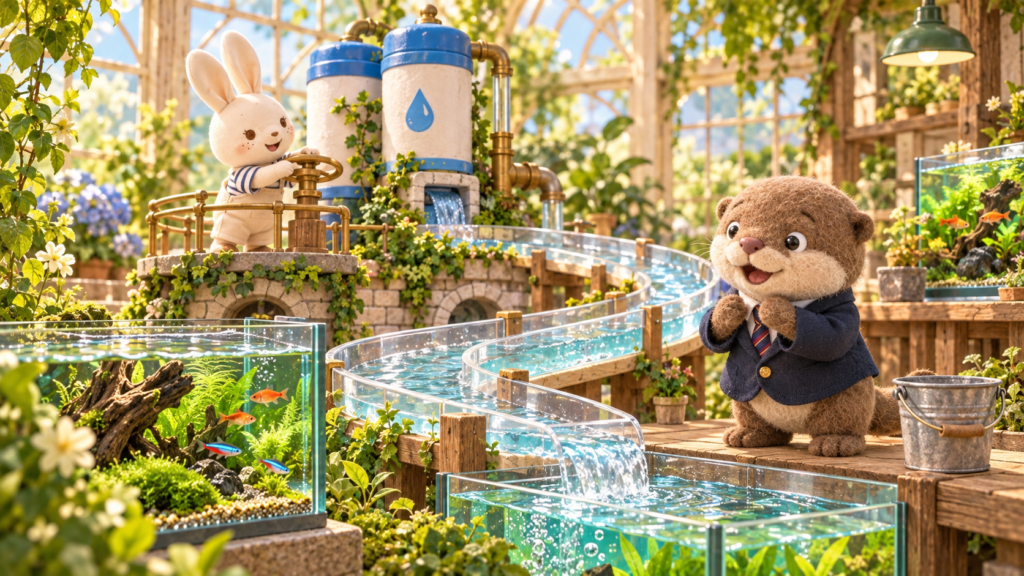 アイのアクアグッズ案内水槽用浄水器の選び方|水換えを楽にするタイプとROの違い道具の特徴や使い方、選ぶときのポイントをアイが紹介します。記事はコチラ →
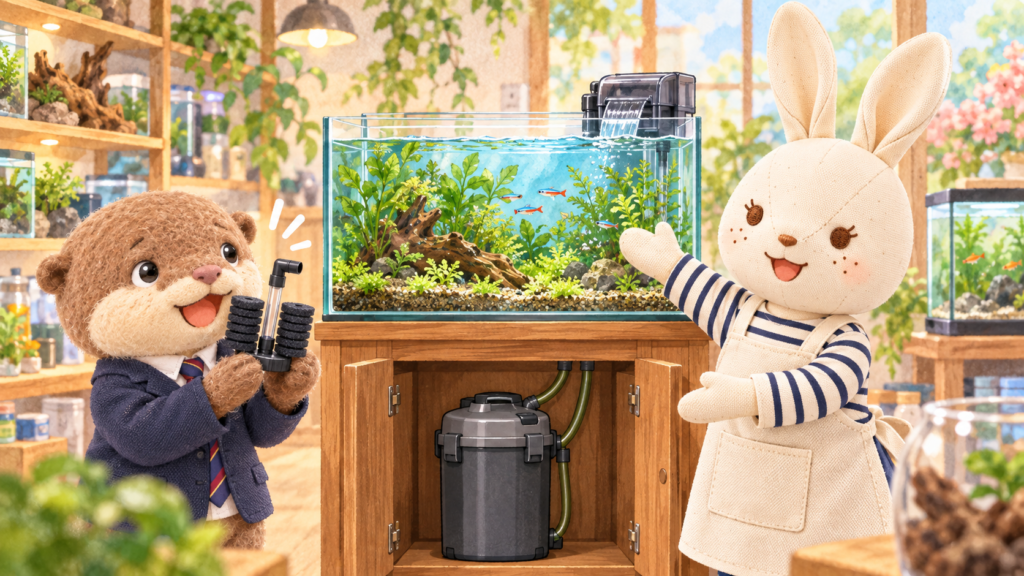 アイのアクアグッズ案内水槽フィルターの選び方|外掛け・外部・上部から小型オーバーフローまで道具の特徴や使い方、選ぶときのポイントをアイが紹介します。記事はコチラ →
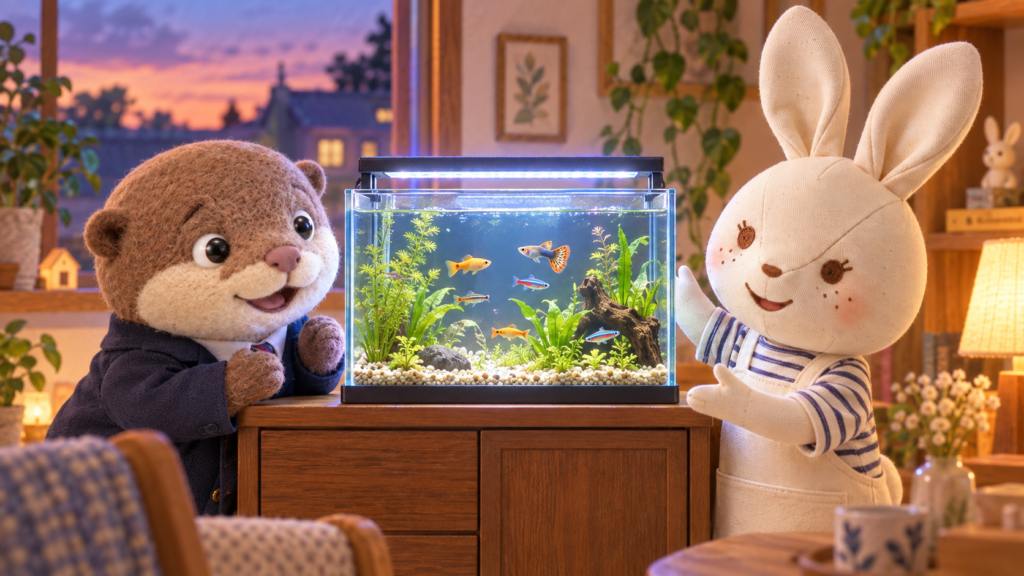 アイのアクアグッズ案内水槽ライトの選び方|魚の見え方・水草・海水で選ぶおすすめ照明道具の特徴や使い方、選ぶときのポイントをアイが紹介します。記事はコチラ →
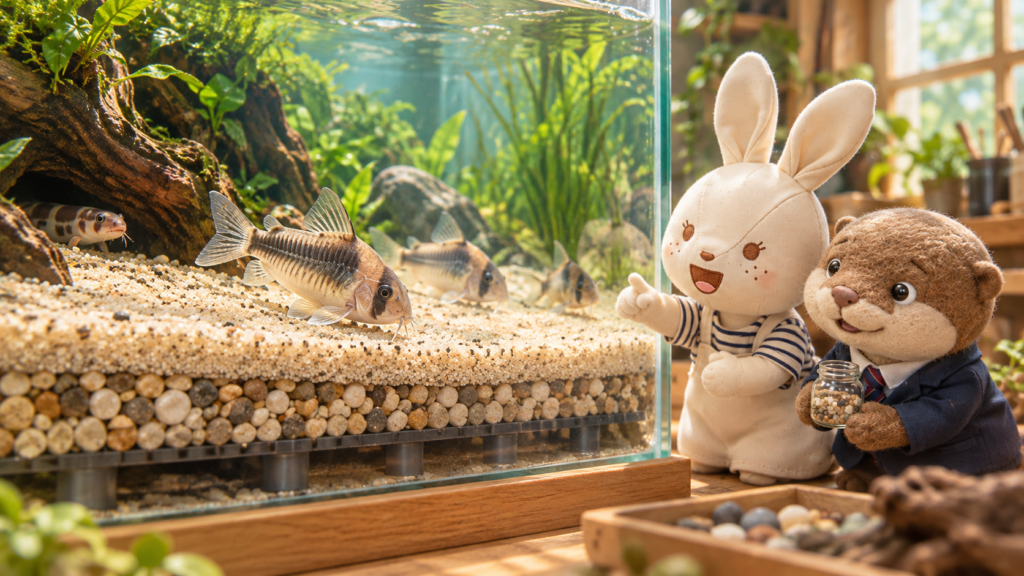 アイのアクアグッズ案内水槽の底砂の選び方|砂・砂利の違いとおすすめ商品道具の特徴や使い方、選ぶときのポイントをアイが紹介します。記事はコチラ →



コメント