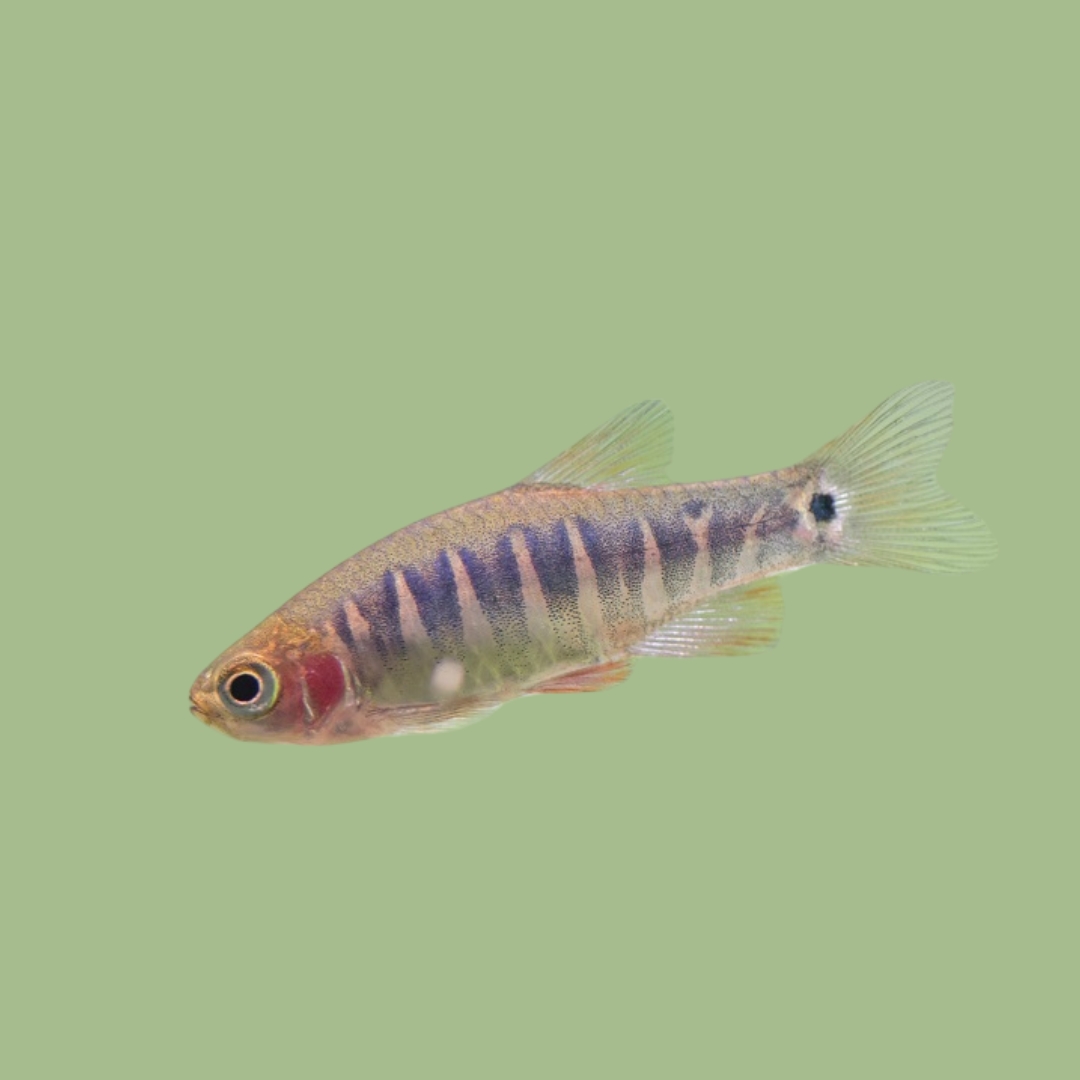
ダニオ・エリスロミクロンは、ミャンマー東部のインレー湖周辺に分布する小型のダニオです。かつてはミクロラスボラ・エリスロミクロンの名で広く知られ、現在でも日本のアクアリウム流通では旧名で紹介されることがあります。淡いピンクからオレンジを帯びた体に青緑色の縦帯が並び、尾柄部には黒いスポットが入るため、小さな体ながら非常に印象的な存在感を持ちます。性質は温和ですが警戒心が強く、明るすぎる水槽や隠れ家の少ない環境では本来の姿を見せにくい魚です。中性から弱アルカリ性寄りの安定した水、水草の茂み、そして落ち着ける群れの環境を整えることで、繊細な魅力をじっくり楽しむことができます。Danio erythromicron is a small danionin fish from the Inle Lake region of eastern Myanmar. It was long known in the aquarium trade as Microrasbora erythromicron, and this older name is still sometimes used. Its pale pinkish to orange body, blue-green vertical bars, and distinct black spot at the base of the caudal fin give it a striking appearance despite its tiny size. It is peaceful but cautious, and it may not show its natural behavior in overly bright or sparsely decorated aquariums. Stable neutral to slightly alkaline water, dense aquatic plants, and a calm group setting help bring out the delicate beauty of this species.
コイ目 ダニオ科 ダニオ属。記載時はMicrorasbora属として扱われ、その後Celestichthys属として扱われた文献もありますが、現在はDanio erythromicronとして扱われます。Order Cypriniformes, family Danionidae, genus Danio. It was originally described in Microrasbora and has also appeared under Celestichthys in some literature, but it is currently treated as Danio erythromicron.
英名 / English Name
Emerald Dwarf Danio / Emerald Dwarf Rasbora
分布 / Distribution
ミャンマー東部のインレー湖周辺、および中部サルウィン川流域に関連する水域から知られています。分布域が限られる魚であり、原産地の水質変化や生息環境の変化に影響を受けやすい種です。It is known from the Inle Lake region of eastern Myanmar and waters associated with the middle Salween River basin. Its restricted range makes it vulnerable to changes in water quality and habitat conditions in its native area.
最大体長 / Max Size
約3cm。メスはややふっくらし、オスより大きく見えることがあります。Around 3 cm. Females are often rounder and may appear slightly larger than males.
寿命 / Lifespan
おおむね3年前後が目安です。飼育資料では3〜5年程度とされることもありますが、実際には水温、水質、餌付き、導入時の状態に左右されます。About three years is a practical guideline. Some care references give a range of around 3–5 years, but actual lifespan depends on temperature, water stability, feeding, and the condition of the fish at introduction.
飼育環境 / Aquarium Environment
水槽サイズ / Tank Size
最低でも30cmキューブ水槽程度、できれば45cm規格水槽から60cm規格水槽での複数飼育がおすすめです。体は小さいものの、複数で落ち着かせることと、水量を確保して水質変化を緩やかにすることが重要です。A 30 cm cube aquarium is the practical minimum, while a standard 45–60 cm aquarium is preferable for keeping a group. Although the fish is small, group security and water stability are very important.
水温 / Temperature
21〜25℃前後が扱いやすい範囲です。20〜26℃程度まで対応できますが、高水温にはあまり強くないため、日本の夏場は冷却ファンや水槽用クーラーを用いて、30℃近い高温を避けることが大切です。Around 21–25°C is a comfortable range. It can tolerate approximately 20–26°C, but it does not handle high temperatures well, so cooling fans or an aquarium chiller may be needed during hot Japanese summers to avoid temperatures approaching 30°C.
水質 / Water Quality
中性から弱アルカリ性寄りを目安にします。原産地は石灰岩質の地形の影響を受ける水域として知られ、極端な軟水やpHの急落は避けたい魚です。日本の水道水がかなり軟らかい地域では、少量のサンゴ砂、カキ殻、ミネラル添加剤などで硬度やpHの安定を補助する方法があります。ただし、急激な調整はかえって負担になるため、変化は必ずゆっくり行います。Neutral to slightly alkaline water is recommended. Its native waters are associated with limestone geology, so extremely soft water or a sudden pH drop should be avoided. In areas with very soft tap water, small amounts of coral sand, oyster shell, or mineral supplements can help stabilize hardness and pH. Any adjustment should be gradual.
レイアウト / Layout
有茎草、マツモ、ウィローモス、流木などを使い、身を隠せる場所を多く作ります。開けた遊泳スペースも少し残しつつ、後景から中景にかけて水草を茂らせると落ち着きやすくなります。底床は暗めの色を選ぶと、体色が引き締まって見えやすくなります。Use stem plants, hornwort, mosses, and driftwood to create many hiding places. Leave some open swimming space, but provide dense planting in the middle and background to help the fish feel secure. A darker substrate can also enhance the appearance of its colors.
注意点 / Precautions
強い水流、急な水質変化、高水温、餌不足に注意します。非常に小さく警戒心が強いため、導入直後は物陰に隠れて餌を取りにくいことがあります。混泳水槽では餌が行き渡っているかを必ず確認してください。Avoid strong currents, sudden water-parameter changes, high temperatures, and underfeeding. Because this species is tiny and cautious, newly introduced individuals may hide and fail to feed well. In community aquariums, make sure every individual is actually getting food.
餌と給餌 / Feeding
餌の種類 / Diet
極小粒の人工飼料、細かく砕いたフレークフード、ブラインシュリンプの孵化幼生、冷凍ベビーブラインシュリンプ、細かい冷凍赤虫などを与えます。自然下では小型の昆虫やその幼虫、動物プランクトン、藻類などを食べる雑食性の小型魚と考えられます。Offer very fine granules, crushed flakes, newly hatched brine shrimp, frozen baby brine shrimp, and finely chopped frozen bloodworms. In nature, it is considered an omnivorous small fish that feeds on tiny insects and larvae, zooplankton, and some algae.
給餌のポイント / Feeding Tips
口が小さく、餌を取る動きも控えめなため、餌は細かくして少量ずつ与えます。活発な魚との混泳では餌負けしやすいので、中層にゆっくり漂う餌を使ったり、スポイトで群れの近くへ届けたりすると安心です。1日1〜2回、食べ残しが出ない範囲で、痩せていないかを確認しながら給餌します。Because the mouth is small and feeding behavior is cautious, food should be tiny and offered in modest amounts. In community tanks, it may lose out to more active fish, so slow-sinking foods or target feeding near the group can be helpful. Feed once or twice daily, avoiding leftovers while watching for signs of weight loss.
性格と混泳 / Temperament and Tank Mates
性格 / Temperament
温和ですが、警戒心の強い魚です。オス同士で軽い追い合いや見せ合いをすることはありますが、激しく攻撃するタイプではありません。少数飼育では隠れがちになるため、できれば5〜10匹以上、余裕があればさらに多めの数で飼育すると落ち着きやすくなります。It is peaceful but cautious. Males may show mild chasing or display behavior, but it is not a strongly aggressive species. In very small numbers it often hides, so a group of at least 5–10 individuals, or more when space allows, usually helps it settle.
混泳の相性 / Compatibility
同じくらい小型で温和な魚、オトシンクルス、小型コリドラス、小型エビ類などと相性が良いです。一方で、泳ぎが速く餌を独占する魚、大型魚、口に入るサイズの小魚や稚エビを捕食する魚との混泳は避けます。近縁のハナビとは交雑の可能性が語られることがあるため、純系での繁殖を意識する場合は別水槽での飼育が無難です。It is compatible with similarly small and peaceful fish, Otocinclus, small Corydoras, and dwarf shrimp. Avoid larger fish, very fast feeders, and species that may prey on tiny fish or shrimp. Because hybridization with the closely related Celestial Pearl Danio is discussed in the hobby, keeping them separately is the safer choice when pure breeding is intended.
病気と対策 / Diseases and Prevention
かかりやすい病気 / Common Diseases
導入直後や水質が安定しない環境では、白点病、コショウ病、痩せ、体表の荒れなどに注意が必要です。特定の病気だけに極端に弱いというより、輸送後の疲れ、急な水温変化、水質の不安定さ、餌不足が重なることで調子を崩しやすくなります。After introduction or in unstable water conditions, watch for ich, velvet disease, wasting, and skin irritation. Rather than being uniquely vulnerable to a single disease, this fish can decline when shipping stress, sudden temperature changes, unstable water, and poor feeding overlap.
対策と予防 / Prevention
購入後は急いで本水槽へ入れず、水温合わせと水合わせを丁寧に行います。必要に応じてトリートメント水槽で様子を見て、餌付きや体表の異常を確認してから合流させると安全です。日常管理では、水温の急変を避け、硝酸塩をためすぎないように定期的な水換えを行い、中性から弱アルカリ性寄りの安定した水質を維持することが予防につながります。After purchase, acclimate temperature and water parameters carefully rather than moving the fish directly into the main tank. When possible, observe new arrivals in a quarantine tank to confirm feeding response and check for skin problems. For daily care, avoid sudden temperature changes, prevent nitrate buildup with regular water changes, and maintain stable neutral to slightly alkaline water.
増やし方(繁殖) / Breeding
雌雄の判別 / Sexing
オスは体がやや細く、青緑色の縦帯やヒレの赤みが強く出やすい傾向があります。メスは体がふっくらしており、特に抱卵時には腹部の丸みが目立ちます。成熟した個体であれば、体形と発色の違いから比較的見分けやすい魚です。Males tend to be slimmer, with stronger blue-green bars and more reddish fins. Females are rounder, especially when carrying eggs. Mature individuals are usually fairly easy to distinguish by body shape and coloration.
繁殖形態 / Reproduction
水草や産卵モップなどに卵をばら撒くタイプの産卵を行います。親は卵や稚魚を保護せず、卵を食べることがあるため、繁殖を狙う場合は産卵後に親を取り出すか、卵が落ち込む構造を用意します。It is an egg-scattering species that deposits eggs among plants or spawning mops. The parents do not guard the eggs or fry and may eat them, so breeders should remove the adults after spawning or use a setup that allows eggs to fall out of reach.
繁殖のポイント / Breeding Tips
繁殖水槽にはウィローモスや産卵モップを多めに入れ、強すぎる照明と水流を避けます。親魚にはブラインシュリンプなどの栄養価の高い餌を与えてコンディションを整えます。卵はおよそ数日で孵化し、稚魚はヨークサックを吸収してから泳ぎ始めます。初期の稚魚は非常に小さいため、最初はインフゾリアや微細な稚魚用飼料を与え、成長に合わせてブラインシュリンプの孵化幼生へ移行します。Provide plenty of moss or spawning mops in a quiet breeding tank with gentle light and minimal current. Condition the adults with nutritious foods such as brine shrimp. Eggs hatch after several days, and the fry become free-swimming after absorbing the yolk sac. Because the fry are extremely small at first, start with infusoria or very fine fry foods, then gradually move to newly hatched brine shrimp as they grow.
雑学と豆知識 / Trivia and Fun Facts
1. 「小さな赤」を思わせる名前 / 1. A name suggesting “small red”
種小名のerythromicronは、「赤い」を意味する語と「小さい」を意味する語を組み合わせた名前として解釈されます。実際の本種は真っ赤な魚というより、淡いピンクからオレンジを帯びた地色に、青緑色の縦帯が入る繊細な色彩の魚です。小さな体に複数の色が凝縮されているところに、この名前の面白さがあります。The species name erythromicron can be interpreted as a combination of words meaning “red” and “small.” In life, the fish is not simply red; it shows a delicate pinkish to orange base color crossed by blue-green vertical bars. The charm of the name lies in how several colors are packed into such a tiny body.
2. 旧名が今も親しまれる理由 / 2. Why the old name remains familiar
本種は長くミクロラスボラ・エリスロミクロンとして紹介され、日本のショップや愛好家の間でもその名前が定着しました。その後の分類研究によってDanio属として扱われるようになりましたが、流通名は一度広まるとすぐには消えません。ショップでは旧名で見かけることもあるので、ダニオとミクロラスボラの両方の名前を知っておくと探しやすくなります。This fish was long introduced as Microrasbora erythromicron, and the name became familiar among shops and hobbyists. Later taxonomic studies placed it in the genus Danio, but trade names do not disappear immediately. Knowing both the Danio and Microrasbora names makes it easier to recognize this fish on shop labels.
3. インレー湖の水が飼育のヒントになる / 3. Inle Lake offers clues for aquarium care
インレー湖はミャンマーの高地にある浅い湖で、石灰岩質の地形の影響を受ける水域として知られます。多くの東南アジア産小型魚のイメージだけで弱酸性の軟水を用意すると、本種には合わないことがあります。水草が茂った穏やかな水域に暮らす魚でありながら、水質は中性から弱アルカリ性寄りを意識した方が安定しやすいという点が、エリスロミクロン飼育の大切な分岐点になります。Inle Lake is a shallow highland lake in Myanmar influenced by limestone geology. If this species is treated like a typical soft, acidic-water Southeast Asian fish, it may not do well. The key point is that it comes from calm, plant-rich habitats, yet it often does better when neutral to slightly alkaline conditions are considered.
4. 隠れ家があるほど姿を見せやすい / 4. More hiding places can mean more visibility
臆病な魚をよく見たいと思うと、つい隠れ家を少なくしたくなります。しかしエリスロミクロンの場合は逆で、隠れられる場所が十分にあるほど安心し、水槽前面にも出てきやすくなります。水草の茂みや流木の陰は、単なる装飾ではなく、この魚にとって「逃げ込める場所がある」という心理的な土台です。When keeping a shy fish, it can be tempting to reduce hiding places so it remains visible. With Danio erythromicron, the opposite is often true. When it has plenty of cover, it feels secure and is more likely to venture into the open. Dense plants and shaded areas are not just decoration; they form the psychological foundation of a safe aquarium.
5. ハナビとの同居は目的を決めて考える / 5. Keeping it with Celestial Pearl Danios depends on the goal
近縁種のダニオ・マルガリタートゥス、いわゆるハナビとは近い関係にあり、体格や好む環境にも共通点があります。そのため観賞目的の混泳候補として語られることがありますが、繁殖まで考える場合は注意が必要です。純系を維持したい場合は、似た仲間を一緒にする楽しさだけでなく、血統を混ぜない配慮も大切になります。The closely related Danio margaritatus, the Celestial Pearl Danio, shares a similar size and some environmental preferences. It may be discussed as a possible tank mate for display purposes, but care is needed if breeding is intended. When maintaining pure lines is the goal, aquarists should consider not only visual compatibility but also the responsibility of keeping lineages separate.
6. 絶滅危惧種としての一面 / 6. A threatened species in the wild
ダニオ・エリスロミクロンは、原産地での分布が限られる魚で、国際的な保全評価では絶滅危惧種として扱われています。現在の観賞魚流通ではブリード個体も見られるため、購入時には状態だけでなく、できるだけ養殖由来の個体を選ぶ意識も持ちたいところです。美しい魚を楽しむことと、原産地の自然に負担をかけにくい選択をすることは、これからのアクアリウムでは両立させたい考え方です。Danio erythromicron has a restricted native range and is treated as an endangered species in international conservation assessments. Captive-bred individuals are available in the aquarium trade, so choosing farm-bred stock when possible is a responsible approach. Enjoying a beautiful fish and reducing pressure on wild populations are goals that modern aquarium keeping should try to balance.
まとめ / Conclusion
ダニオ・エリスロミクロンは、小型で美しく、複数で飼育すると独特の魅力を見せてくれる熱帯魚です。一方で、ただ小さいだけの丈夫な入門魚として扱うよりも、インレー湖周辺に由来する水質傾向、警戒心の強さ、口の小ささを理解して飼育することが大切です。Danio erythromicron is a tiny and beautiful fish that shows a unique charm when kept in a proper group. However, it should not be treated simply as a small beginner fish; its Inle Lake origin, cautious temperament, and very small mouth all need to be understood.
水質は中性から弱アルカリ性寄りを意識し、強い水流や高水温を避け、水草の多い落ち着いた環境を用意しましょう。餌が行き渡るように観察しながら複数匹で飼育すれば、旧ミクロラスボラの名で親しまれてきたこの魚の、繊細で宝石のような美しさを長く楽しむことができます。Maintain neutral to slightly alkaline water, avoid strong current and high temperatures, and provide a calm, densely planted aquarium. When kept in a group and fed with care, this fish, long loved under its former Microrasbora name, can reveal its delicate, jewel-like beauty for a long time.



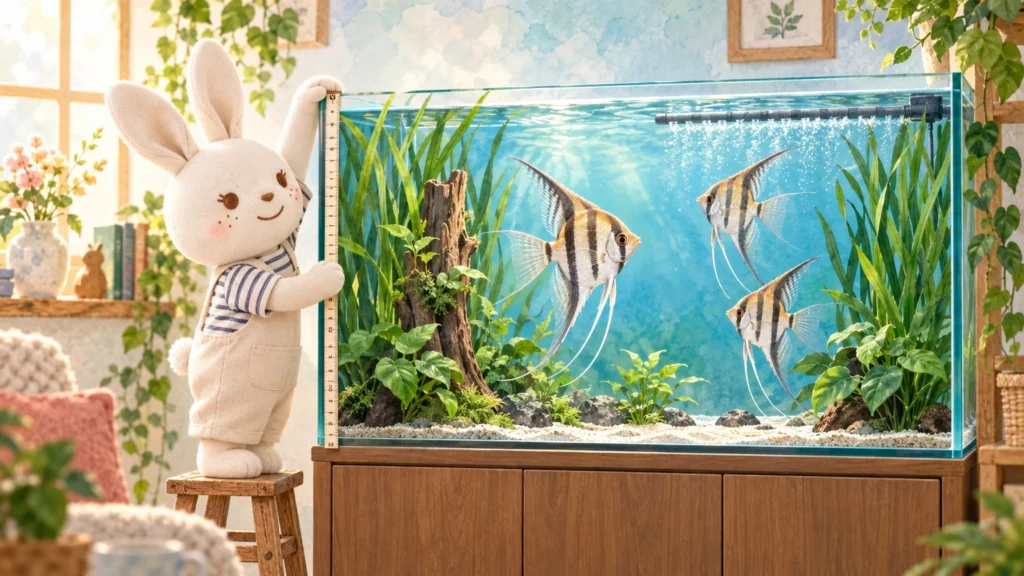 アイのアクアグッズ案内エンゼルフィッシュの飼育用品|高さのある水槽・ろ過・水草・餌の選び方道具の特徴や使い方、選ぶときのポイントをアイが紹介します。記事はコチラ →
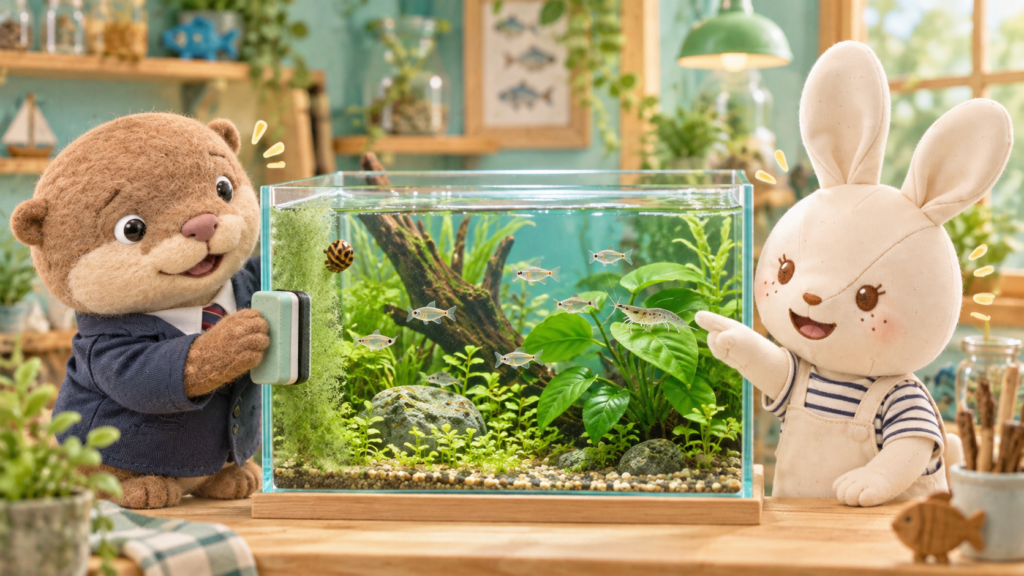 アイのアクアグッズ案内水槽のコケ掃除|道具の選び方とお掃除生体の得意・不得意道具の特徴や使い方、選ぶときのポイントをアイが紹介します。記事はコチラ →
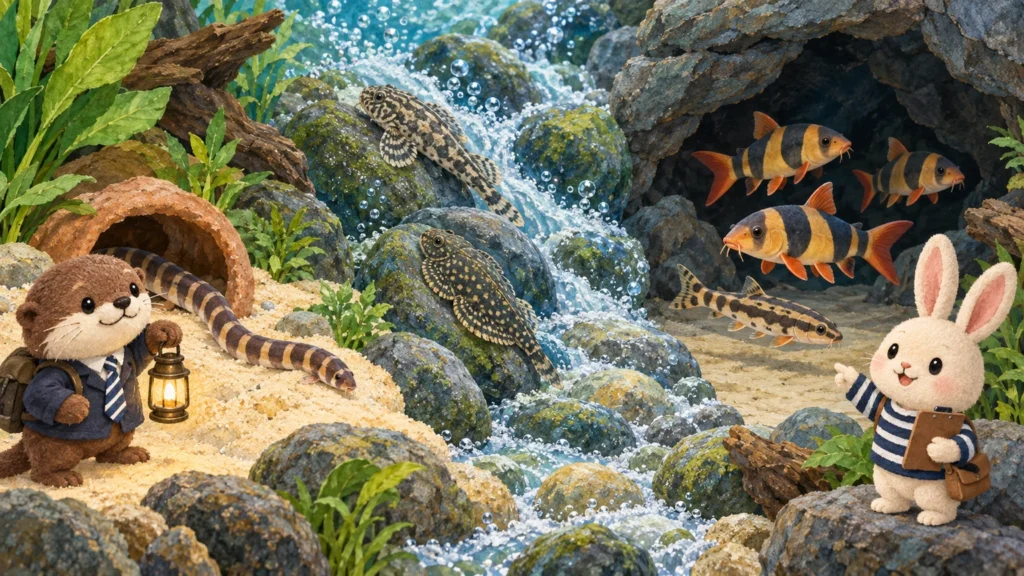 アイのアクアグッズ案内ローチの仲間に合わせる飼育用品|クーリー・流水性・ボーシャの水槽と底砂道具の特徴や使い方、選ぶときのポイントをアイが紹介します。記事はコチラ →
 アイのアクアグッズ案内ラスボラ・ボララスの群泳を楽しむ飼育用品|水槽・ろ過・ヒーター・餌・水草道具の特徴や使い方、選ぶときのポイントをアイが紹介します。記事はコチラ →



コメント