

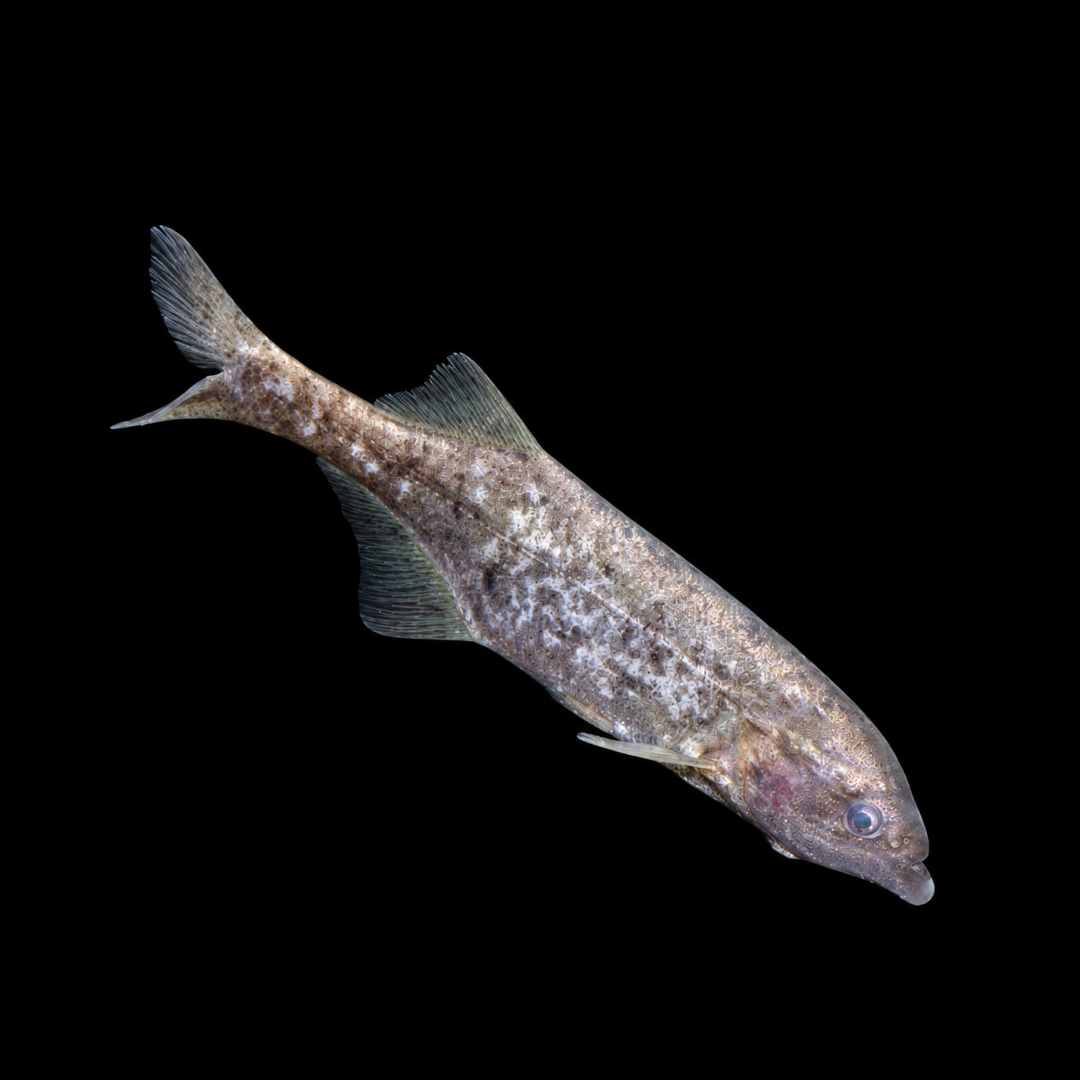
解説 / Description
マルクセニウス・マクロレピドトゥスは、モルミルス科に属するアフリカ産の弱電気魚です。下顎の先端が前方へ張り出した独特の顔つきから、英語では「ブルドッグ」と呼ばれます。尾柄部の発電器官から短い電気パルスを出し、周囲に生じる電場の変化を電気受容器で捉えることで、暗い場所や濁った水中でも障害物や餌の位置を把握します。観賞魚として流通する個体には近縁種が同じ名称で扱われる可能性があるため、外見だけで厳密に同定するのは困難です。飼育では、落ち着ける隠れ家、口先を傷めにくい底床、確実な給餌に加え、十分な水量と安定した水質、継続的な酸素供給を整えることが大切です。 Marcusenius macrolepidotus is an African weakly electric fish in the family Mormyridae. Its projecting lower jaw gives it a distinctive profile and the English common name “bulldog.” A specialized electric organ in the caudal peduncle emits brief pulses, while electroreceptors detect changes in the surrounding electric field. This system helps the fish locate obstacles and food in darkness or turbid water. Closely related species may be traded under the same name, so reliable identification from appearance alone is difficult. Aquarium care should provide secure shelters, a substrate that will not damage the snout, dependable feeding, adequate water volume, stable water quality, and continuous oxygenation.
基本情報 / Basic Information
| 学名 / Scientific Name | Marcusenius macrolepidotus |
|---|---|
| 通称 / Common Name | マルクセニウス・マクロレピドトゥス、ブルドッグ、ブルドッグ・モルミルス Marcusenius macrolepidotus, bulldog, bulldog mormyrid |
| 分類 / Family | アロワナ目・モルミルス科・マルクセニウス属 Order Osteoglossiformes, family Mormyridae, genus Marcusenius |
| 英名 / English Name | Bulldog |
| 分布 / Distribution | 模式産地を含むモザンビークのザンベジ川下流域を中心に、シーレ川下流、プングウェ川、ブジ川などで記録されています。かつては上部ザンベジ、オカバンゴ、南アフリカ、コンゴ川流域などの個体群も本種に含められていましたが、分類の見直しによって複数の近縁種へ分けられました。流通個体を正確に同定するには、採集地、鱗数、体形、電気器官放電の波形、遺伝情報などを総合して確認する必要があります。 The species is centered on the Lower Zambezi drainage in Mozambique, including the type locality, with records from the lower Shire, Pungwe, Buzi, and nearby river systems. Populations from the Upper Zambezi, Okavango, South Africa, and parts of the Congo basin were historically included under this name, but taxonomic revisions have separated several related species. Reliable identification may require locality data, scale counts, body proportions, electric-organ-discharge waveforms, and genetic evidence. |
| 最大体長 / Max Size | 本種名では全長32cmの最大記録が報告されています。ただし、この数値を含む古い記録には分類改訂前の近縁個体群が含まれる可能性があります。飼育設備は安全側に考え、30cm級まで成長する魚として準備してください。 A maximum total length of 32 cm has been published under this species name. Because some older records predate modern taxonomic revisions, they may include related populations. Aquarium planning should therefore allow for a fish approaching 30 cm. |
| 寿命 / Lifespan | 本種に限定した信頼できる飼育寿命は、十分に確立されていません。長期飼育では、酸素量、水温、水質、摂餌状態を安定させ、日々の変化を早めに把握することが重要です。 A reliable captive lifespan specifically established for this species is not available. Long-term care depends on stable oxygen levels, temperature, water quality, and nutrition, together with close daily observation. |
飼育環境 / Aquarium Environment
| 水槽サイズ / Tank Size | 単独飼育でも90cm規格水槽、約180L以上を基本の目安とします。成長した個体や長期飼育には、120cm規格水槽または120cmワイド水槽を用意すると、旋回スペースと水量を確保しやすくなります。小型個体であっても、60cm規格水槽は導入時の一時的な管理にとどめるのが安全です。複数飼育や混泳では、さらに広い底面積と個体ごとの隠れ家が必要です。 For a single specimen, a standard 90 cm aquarium of roughly 180 L or more is a sensible baseline. A standard or wide 120 cm aquarium is preferable for a large adult or long-term maintenance because it provides better turning space and water volume. Even for a small specimen, a 60 cm tank is best limited to temporary acclimation. Groups or community setups require still more floor space and separate shelters for each fish. |
|---|---|
| 水温 / Temperature | 22〜26℃を目安とし、できれば22〜25℃で安定させます。高水温では水中に溶け込める酸素量が減るため、夏季は水面の撹拌、エアレーション、必要に応じた冷却を組み合わせてください。 Maintain 22–26°C, preferably with a stable range of 22–25°C. Because warm water holds less oxygen, summer care should combine surface agitation, aeration, and cooling when necessary. |
| 水質 / Water Quality | 中性付近を基本とし、目安はpH6.5〜7.5の軟水〜中硬水です。数値を細かく追うよりも、アンモニアと亜硝酸を検出させず、硝酸塩や有機物をためない安定した環境を優先します。急激な水温差、pH変動、大量換水による水質変化は避けてください。 Near-neutral water is appropriate, with pH 6.5–7.5 and soft to moderately hard conditions as a practical guide. Stable conditions are more important than chasing exact numbers: ammonia and nitrite should remain undetectable, while nitrate and organic waste should be controlled. Avoid abrupt changes in temperature, pH, or water chemistry during large water changes. |
| レイアウト / Layout | 底床には角のない細かな砂を敷き、塩ビ管、土管、流木、丈夫な陰性水草などを使って、日中に全身を隠せる場所を作ります。隠れ家は出入口を複数設け、追い詰められる袋小路を減らしてください。照明は控えめにし、浮き草や流木の陰で明暗差を作ると落ち着きやすくなります。 Use smooth, fine sand and create full-body daytime refuges with PVC tubes, ceramic caves, driftwood, and hardy shade-tolerant plants. Shelters should have more than one opening so that fish cannot be trapped in a dead end. Keep the lighting subdued and create shaded zones with floating plants or driftwood. |
| 注意点 / Precautions | 十分に立ち上がったろ過と、継続的なエアレーションを用意してください。モルミルス科では大きな脳と代謝要求の関係が研究されていますが、本種について酸素消費量や低酸素限界が直接測定されているわけではありません。それでも、高水温や夜間の酸素低下を避け、溶存酸素を安定させることは安全な管理につながります。強い水流を水槽全体へ当てるのではなく、水面をしっかり動かしながら、魚が休める穏やかな場所も残してください。 Use a mature filtration system and continuous aeration. Research across mormyrid fishes links enlarged brains with substantial metabolic demand, but oxygen consumption and hypoxia limits have not been measured specifically for this species. Even so, avoiding heat and overnight oxygen decline is prudent husbandry. Agitate the surface well without turning the entire aquarium into a strong current, and retain calm areas where the fish can rest. |
餌と給餌 / Feeding
| 餌の種類 / Diet | 冷凍赤虫、イトミミズ、細かくしたミミズ、小型の水生昆虫など、底へ沈む動物質の餌に反応しやすい傾向があります。状態が落ち着けば、高タンパクの沈下性顆粒や小粒ペレットへ慣れる個体もいます。野外で報告されているユスリカやカゲロウの幼虫を中心とした食性には、分類改訂前の近縁個体群の記録が含まれる可能性がありますが、底生無脊椎動物を探るというモルミルス科らしい食べ方は、飼育下の給餌方法を考えるうえで参考になります。 Frozen bloodworms, tubifex, chopped earthworms, and other sinking animal-based foods are often accepted readily. Once settled, some individuals can be trained onto high-protein sinking granules or small pellets. Field reports of feeding on midge and mayfly larvae may include related populations identified before taxonomic revision, but bottom-foraging on invertebrates remains a useful guide for aquarium feeding. |
|---|---|
| 給餌のポイント / Feeding Tips | 導入直後は消灯後または薄暗い時間に与え、スポイトや給餌管で隠れ家の近くへ静かに届けます。混泳魚がいる場合は、本種が実際に餌を口にしたことを確認してください。腹部の厚み、背中の肉付き、活動開始時刻を継続して観察し、食べ残しは早めに取り除きます。人工飼料への切り替えを急がず、食べ慣れた餌に少量ずつ混ぜる方法が適しています。 Feed newly introduced fish after lights-out or under dim lighting, using a pipette or feeding tube to place food quietly near the shelter. In a community aquarium, confirm that the fish actually swallows food rather than merely approaching it. Monitor abdominal fullness, dorsal body condition, and the time at which activity begins, and remove uneaten food promptly. Do not rush a transition to prepared foods; mix small amounts with familiar items over time. |
性格と混泳 / Temperament and Tank Mates
| 性格 / Temperament | 夜行性で、日中は物陰で休み、薄暗くなると底付近を探索します。野外では群れで採集される記録がありますが、水槽内では個体差や相性が大きく、狭い環境では追い回しや餌の独占が起こることがあります。流通個体の種同定が不確かな場合は、近縁種ごとの行動差も考慮し、まずは単独で状態を整えると安全です。 This nocturnal fish rests in cover by day and explores near the bottom as light levels fall. Although wild fish have been recorded in shoals, aquarium behavior varies greatly between individuals, and cramped conditions can lead to chasing or food monopolization. Because traded specimens may not be identified with certainty, beginning with solitary acclimation is the safest approach. |
|---|---|
| 混泳の相性 / Compatibility | 単独飼育が最も管理しやすい魚です。混泳させる場合は、口に入らない大きさで、攻撃性が低く、餌を奪いすぎない中層〜上層魚を選びます。大型肉食魚、攻撃的なシクリッド、縄張り性の強い底生魚、夜間に活発な競合種は避けてください。ほかのモルミルス科魚類との同居が電気信号だけで必ず破綻するとは限りませんが、生活圏、餌、隠れ家、社会的な信号が重なり、相性を予測しにくいため、一般的な混泳方法としては推奨されません。 Solitary maintenance is the easiest option to manage. For a community setup, choose peaceful midwater or upper-water fish that are too large to swallow and do not monopolize food. Avoid large predators, aggressive cichlids, strongly territorial bottom dwellers, and active nocturnal competitors. Cohabitation with other mormyrids does not inevitably fail because of electric signals alone, but overlapping space, food, shelters, and social signaling make compatibility difficult to predict, so it is not recommended as a routine setup. |
病気と対策 / Diseases and Prevention
| かかりやすい病気 / Common Diseases | 本種だけに特有の病気や発症率は、十分に整理されていません。飼育下では、導入時の衰弱、餌不足による痩せ、口先や体表の擦り傷から生じる二次感染、水質悪化や酸素不足に伴う呼吸の乱れに注意します。白点病など一般的な淡水魚の感染症も起こり得ますが、症状だけで原因を決めつけないことが大切です。 Species-specific disease prevalence has not been well documented. In captivity, watch for post-import weakness, weight loss from inadequate feeding, secondary infection following abrasions to the snout or skin, and abnormal respiration associated with poor water quality or low oxygen. Common freshwater infections such as white spot disease may also occur, but symptoms should not be used to assume a diagnosis without further assessment. |
|---|---|
| 対策と予防 / Prevention | 導入時は照明を抑えた別水槽で経過を観察し、呼吸、体表、排せつ物、摂餌を確認します。十分な酸素、安定したろ過、細かな底床、定期的な少量換水を組み合わせ、急な環境変化を避けてください。薬浴が必要な場合は病名を見極め、製品の対象魚、用量、ろ過への影響を確認してから使用します。原因が分からないまま複数の薬剤や塩を重ねる方法は避けます。 Observe new arrivals in a separate, dimly lit aquarium and monitor respiration, skin condition, waste, and feeding. Combine good oxygenation, mature filtration, fine substrate, and regular modest water changes while avoiding abrupt environmental shifts. If medication is necessary, identify the likely condition and check the product’s species suitability, dose, and effect on filtration. Avoid combining multiple medications or salt treatments without a clear diagnosis. |
増やし方(繁殖) / Breeding
| 雌雄の判別 / Sexing | マルクセニウス属や近縁のモルミルス科では、成熟したオスの臀鰭基部に屈曲やくぼみが現れる例が知られています。ただし、過去に本種として研究された南アフリカや上部ザンベジの個体群には、現在は別種とされるものが含まれます。産地と種同定が不明な流通個体では、臀鰭の形だけで雌雄を断定せず、成熟度や複数個体の比較も含めて判断してください。 In Marcusenius and related mormyrids, mature males of some species develop a bend or notch at the base of the anal fin. However, populations from South Africa and the Upper Zambezi that were historically studied under this species name include fishes now recognized as separate species. For aquarium specimens of unknown origin, do not determine sex from anal-fin shape alone; maturity and comparison with other individuals should also be considered. |
|---|---|
| 繁殖形態 / Reproduction | モルミルス科は卵生で、体外受精を行います。雨季の増水に伴う移動、浅い植生帯での産卵、最大約6,000卵という記録は古い広義の「M. macrolepidotus」に基づくため、現在の狭義の本種へそのまま当てはめることはできません。また、鞭毛を持たない精子やオスの臀鰭形態はモルミルス科の繁殖を理解する重要な特徴ですが、本種について家庭水槽で詳細な産卵行動が確立されたわけではありません。 Mormyrids are egg-laying external fertilizers. Records of flood-season movement, spawning in shallow vegetation, and fecundity of up to about 6,000 eggs were published under the former broad concept of “M. macrolepidotus” and cannot be applied uncritically to the species in its current narrow sense. Aflagellate sperm and male anal-fin modifications are important features of mormyrid reproduction, but detailed spawning behavior has not been established for this species in home aquaria. |
| 繁殖のポイント / Breeding Tips | 家庭水槽で再現性のある繁殖方法は確立されていません。繁殖を目指す場合は、まず産地情報と種同定を確認し、成熟した雌雄を安全に分けられる大型設備、十分な隠れ家、継続的な行動観察を用意する必要があります。雨季を模した水位や水質の変化は候補条件になりますが、根拠の薄い急変を与えると体調を崩すため、実験的な操作は慎重に行います。 No repeatable home-aquarium breeding method has been established. Any breeding attempt should begin with locality and species verification, together with a large system that allows mature fish to be separated safely, abundant cover, and continuous behavioral observation. Changes intended to imitate a rainy season may be relevant, but poorly supported or abrupt manipulation can harm the fish and should be approached cautiously. |
雑学と豆知識 / Trivia and Fun Facts
| 1. ブルドッグの輪郭と電気の感覚 / 1. A Bulldog Profile and an Electric Sense | 前へ張り出した下顎は、英名「ブルドッグ」の由来になった特徴です。本種は目だけに頼って水底を探すのではなく、尾柄部から出した短い電気パルスによって周囲に電場を作り、その変化を皮膚の電気受容器で読み取ります。障害物や生き物によって電気的な性質が変わるため、暗い水中でも周囲の輪郭を捉えることができます。The projecting lower jaw inspired the English name “bulldog.” Rather than relying only on vision while searching the bottom, the fish produces brief electric pulses from an organ in the caudal peduncle and reads changes in the resulting field through electroreceptors in the skin. Because objects and living organisms alter the field in different ways, the fish can perceive its surroundings even in darkness. |
|---|---|
| 2. 見た目だけでは解けない分類の歴史 / 2. A Taxonomic History Hidden by Similarity | かつて「マルクセニウス・マクロレピドトゥス」は、東部から南部アフリカまで広く分布する一種と考えられていました。ところが、体形や鱗数だけでなく、電気器官放電の波形と遺伝情報を比較すると、M. altisambesi、M. pongolensis、M. devosi、M. angolensisなどの独立した種が含まれていたことが明らかになりました。観賞魚のインボイス名に古い呼称が残ることがあるため、学名だけで産地や性質を決めつけない姿勢が重要です。Marcusenius macrolepidotus was once treated as a single species ranging widely across eastern and southern Africa. Comparisons of body proportions, scale counts, electric-organ-discharge waveforms, and genetic data later showed that the broad concept included distinct species such as M. altisambesi, M. pongolensis, M. devosi, and M. angolensis. Older names may persist in aquarium trade invoices, so a label alone should not be used to assume a specimen’s origin or behavior. |
| 3. 「脳が60%の酸素を使う」の正しい読み方 / 3. What the “60% Oxygen” Figure Really Means | モルミルス科の大きな脳はよく知られていますが、安静時の全身酸素消費量の約60%を脳が占めるという有名な数値は、エレファントノーズフィッシュとして知られるGnathonemus petersiiで測定されたものです。本種で同じ割合が確認されたわけではありません。一方、モルミルス科を比較した研究では、相対的に脳が大きい系統ほど酸素消費が多く、低酸素への耐性が低い傾向が示されています。飼育では、この比較研究を安全側の管理に生かし、十分な酸素と安定した水温を保つのが適切です。Mormyrids are famous for their large brains, but the often-quoted finding that the brain accounts for about 60% of resting whole-body oxygen consumption was measured in Gnathonemus petersii, the elephantnose fish—not in this species. Comparative research across mormyrids nevertheless found that lineages with relatively larger brains tended to consume more oxygen and tolerate hypoxia less well. In aquarium care, these family-level findings support a cautious emphasis on stable temperature and good oxygenation. |
| 4. 電気パルスは種を見分ける手がかり / 4. Electric Pulses as Taxonomic Clues | モルミルス科の電気パルスは、単に周囲を探るための道具ではありません。パルスの向き、長さ、各相の形には種や個体群ごとの違いがあり、マルクセニウス・マクロレピドトゥス種群の分類を見直す際にも重要な資料になりました。外見がよく似た魚でも、電気信号には別の歴史が記録されていることがあります。Mormyrid electric pulses are more than tools for sensing the environment. Pulse polarity, duration, and phase structure can differ among species and populations, and electric-organ-discharge data played an important role in revising the Marcusenius macrolepidotus species complex. Two fishes that look nearly identical may carry very different evolutionary histories in their electrical signals. |
| 5. 繁殖研究にも残る「旧名」の影響 / 5. How Older Names Affect Breeding Research | 成熟オスの臀鰭の屈曲や電気信号を使った求愛は、モルミルス科の繁殖を象徴する話題です。ただし、本種名で発表された古い行動研究の中には、後にM. pongolensisやM. altisambesiへ再分類された個体群を扱ったものがあります。興味深い行動だからこそ、どの水系の、現在どの種とされる魚で観察されたのかを確かめることが、正確な理解につながります。Anal-fin bends in mature males and courtship involving electric signals are notable features of mormyrid reproduction. However, some older behavioral studies published under this species name examined populations later reassigned to M. pongolensis or M. altisambesi. The behavior remains fascinating, but accurate interpretation depends on checking the locality and the modern taxonomic identity of the fish that was observed. |
まとめ / Conclusion
マルクセニウス・マクロレピドトゥスは、暗い水中を電気で捉えながら静かに暮らす、独自の感覚世界を持つ魚です。流通名だけでは正確な種を判断しにくい難しさがありますが、その分類の奥行きもまた、アフリカの河川ごとに積み重なった進化の歴史を伝えています。 Marcusenius macrolepidotus is a quiet, nocturnal fish that experiences its surroundings through an electric sense. Although trade names do not always reveal the specimen’s exact identity, that taxonomic complexity reflects the evolutionary history accumulated across Africa’s separate river systems.
水槽では、広さと水量に余裕を持たせ、細かな砂、安心できる隠れ家、安定したろ過と酸素供給を整えることが長期飼育の土台になります。消灯後にそっと餌を探す姿や、周囲を確かめるように泳ぐ動きを丁寧に観察するほど、派手さとは異なる知的で繊細な魅力が見えてくるでしょう。 Long-term care begins with generous space and water volume, fine sand, secure shelters, mature filtration, and dependable oxygenation. Careful observation after lights-out reveals a subtle and intelligent presence: a fish quietly searching for food and testing the boundaries of its environment in ways unlike more visually oriented aquarium species.
分布マップ
マルクセニウス・マクロレピドトゥスは、モザンビークのザンベジ川下流域を中心に、シーレ川下流、プングウェ川、ブジ川などで記録されています。地図上の範囲とマーカーは記事の分布情報を地理的に示すための概略表示であり、実際の採集地点や厳密な生息範囲を示すものではありません。分類見直しの対象となった上部ザンベジ、オカバンゴ、南アフリカ、コンゴ川流域の旧記録は、確実な分布地点として表示していません。
この地図は文献化された河川水系をもとにした概略表示です。色付きの範囲、代表マーカー、ポップアップの位置は、実際の採集地点、個体の確認地点、河川内の厳密な生息範囲、分布境界を示すものではありません。
参考文献・根拠資料
分類、分布、生息環境、飼育上の注意、繁殖、魚病管理に関する記述を確認するため、査読論文、学術データベース、国際的な保全評価、獣医学資料を選定しています。観賞魚店、通販サイト、個人ブログ、まとめサイトは含めていません。
資料を読む際の注意
2007年の分類再検討以前に「Marcusenius macrolepidotus」として報告された分布、生態、繁殖記録には、現在の M. altisambesi、M. pongolensis などが含まれる可能性があります。また、90cm・120cm水槽という寸法、細かな砂、シェルター配置、混泳判断は、本種を用いた比較飼育試験で確立された閾値ではありません。最大体長、生息環境、夜行性・底生性、一般的な魚類衛生を踏まえた安全側の飼育提案です。本種に限定した疾病発生率や薬剤感受性の研究も確認できないため、病気と投薬の項目は一般的な観賞魚医療の資料を根拠としています。
分類・学名・種の再検討
-
分類Eschmeyer’s Catalog of Fishes. Marcusenius macrolepidotus (Peters, 1852) species record.原記載名、模式産地、命名者、現在の有効名、モルミルス科への所属を確認するための基礎資料です。
-
分類・分布Kramer, B., Skelton, P. H., van der Bank, F. H. & Wink, M. (2007). Allopatric differentiation in the Marcusenius macrolepidotus species complex in southern and eastern Africa: the resurrection of M. pongolensis and M. angolensis, and the description of two new species (Mormyridae, Teleostei). Journal of Natural History, 41(9–12), 647–708.形態、電気器官放電、ミトコンドリアDNAを統合し、下部ザンベジの狭義の本種と、上部ザンベジ・オカバンゴ、南アフリカ、タナ川などの個体群を区別した中心的資料です。
分布・生息環境・基礎生態
-
分布・保全IUCN Red List of Threatened Species. Marcusenius macrolepidotus species assessment(評価日:2018年6月19日).現在採用されている分布、淡水生息地、保全状況を確認するための国際的な評価資料です。
-
生息環境・体長Froese, R. & Pauly, D. (eds.). FishBase: Marcusenius macrolepidotus species summary.最大体長、水温の記録、底生性、植生の多い泥底環境、夜間活動、食性、旧来の繁殖記録を確認できます。ただし、広い旧分類概念に由来する分布・繁殖情報が混在するため、Kramerほか(2007)と併読する必要があります。
酸素要求・水質管理・飼育上の注意
-
酸素代謝Nilsson, G. E. (1996). Brain and body oxygen requirements of Gnathonemus petersii, a fish with an exceptionally large brain. Journal of Experimental Biology, 199(3), 603–607.「脳が安静時の全身酸素消費量の約60%を占める」という数値の原典です。対象は本種ではなく、同じモルミルス科の Gnathonemus petersii であるため、本種固有の測定値としては扱いません。
-
低酸素耐性Sukhum, K. V., Freiler, M. K., Wang, R. & Carlson, B. A. (2016). The costs of a big brain: extreme encephalization results in higher energetic demand and reduced hypoxia tolerance in weakly electric African fishes. Proceedings of the Royal Society B, 283(1845), 20162157.複数のモルミルス科魚類を比較し、相対的な脳サイズ、安静時酸素消費量、低酸素耐性の関係を検討した資料です。十分な酸素供給を安全側の管理方針とする根拠になりますが、本種単独の限界値を示すものではありません。
-
水質管理Francis-Floyd, R., Watson, C., Petty, D. & Pouder, D. B. Ammonia in Aquatic Systems. University of Florida IFAS Extension, FA031.アンモニアの発生、毒性、測定、ろ過と管理に関する大学エクステンション資料です。アンモニアを検出させない成熟したろ過と、異常時の水質確認を重視する一般的根拠として使用します。
繁殖・雌雄差
-
繁殖総説Saunders, A. N. & Gallant, J. R. (2024). A review of the reproductive biology of mormyroid fishes: an emerging model for biomedical research. Journal of Experimental Zoology Part B: Molecular and Developmental Evolution, 342(3), 144–163.モルミロイド類の繁殖期、性成熟、雌雄差、生殖腺、配偶子、求愛・産卵行動を整理した近年の総説です。飼育下で安定した繁殖法が確立していないという注意を支えます。
-
受精・生殖形態Koenig, L. A. & Gallant, J. R. (2021). Sperm competition, sexual selection and the diverse reproductive biology of Osteoglossiformes. Journal of Fish Biology, 99(3), 740–754.モルミルス科にみられる無鞭毛精子、体外受精、臀鰭を含む繁殖形態を、アロワナ目全体の進化的背景から整理した総説です。
病気・導入時管理・投薬上の注意
-
魚病学Noga, E. J. (2010). Fish Disease: Diagnosis and Treatment, 2nd ed. Wiley-Blackwell.感染症と非感染性疾患の鑑別、体表・鰓・呼吸・摂餌などの観察、環境要因の確認、診断に基づく治療を扱う魚病学の標準的資料です。
-
導入・治療Merck Veterinary Manual. Management of Aquarium Fish.新規導入魚の観察、環境管理を優先する治療方針、診断を伴わない予防的投薬や薬剤の重ね使いを避ける考え方を確認するための獣医学資料です。
最終確認日:2026年7月30日。オンライン資料は更新やURL変更が行われることがあります。




コメント