

解説 / Description
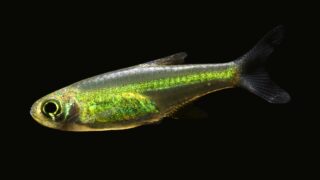
カリクティス・カリクティスは、南米大陸の広い範囲に分布するカリクティス科のナマズで、ヨロイナマズという和名でも知られています。その名のとおり、体の側面は瓦を重ねたような2列の硬い骨板に覆われ、鎧をまとったような姿をしています。コリドラスと同じ科に属しますが、体つきはより細長く、全長は最大でおよそ20cmに達します。乾季に水が淀んで酸素が乏しくなる湿地にも暮らしており、水面で空気を飲み込み、腸で酸素を取り込むという珍しい呼吸法を身につけています。繁殖期にはオスが水面に泡の巣を作り、卵と稚魚を守ることでも知られています。丈夫で人工飼料にもよく慣れるため、飼育そのものは難しくありません。ただし、勢いよく水面へ浮上する習性があるため、飛び出し事故には十分な注意が必要です。どっしりとした渋い風貌と、知るほどに奥深い生態をあわせ持つ、玄人好みの底生魚です。 Callichthys callichthys is a catfish of the family Callichthyidae that is widely distributed across South America, also known in Japan as “Yoroi-namazu” (armored catfish). True to its name, the sides of its body are covered by two rows of hard, overlapping bony plates, giving it the look of a fish clad in armor. It belongs to the same family as Corydoras, but has a more elongated body and reaches a maximum length of about 20 cm. It lives even in wetlands where water stagnates and oxygen runs low in the dry season, and it has developed the unusual ability to gulp air at the surface and absorb oxygen through its intestine. During the breeding season, males are also known for building bubble nests at the surface and guarding the eggs and fry. It is hardy and readily accepts prepared foods, so keeping it is not difficult in itself. However, because it tends to rush up to the surface, great care must be taken to prevent it from jumping out of the tank. With its stout, understated appearance and surprisingly deep biology, it is a bottom dweller much loved by experienced aquarists.
基本情報 / Basic Information
| 学名 / Scientific Name | Callichthys callichthys (Linnaeus, 1758) |
|---|---|
| 通称 / Common Name | カリクティス・カリクティス、ヨロイナマズ、カリクティスArmoured catfish, Cascarudo |
| 分類 / Family | ナマズ目 カリクティス科 カリクティス亜科 カリクティス属Order Siluriformes, Family Callichthyidae, Subfamily Callichthyinae, Genus Callichthys |
| 英名 / English Name | Armoured Catfish, Cascarudo |
| 分布 / Distribution | 南米大陸のアンデス山脈以東に広く分布しています。北はトリニダード島やギアナ地方の河川から、アマゾン川水系、パラグアイ川水系を経て、南はアルゼンチンのラプラタ川流域まで知られています。流れの緩やかな河川の岸辺や湿地、沼、水路など、浅く植物の多い水域を好みます。Widely distributed in South America east of the Andes. It is known from Trinidad and the rivers of the Guianas in the north, through the Amazon and Paraguay river systems, south to the Río de la Plata basin in Argentina. It prefers shallow, vegetated waters such as slow-flowing river margins, swamps, marshes and ditches. |
| 最大体長 / Max Size | 約20cm(飼育下では15cm前後にとどまる個体も多くみられます)About 20 cm (many specimens stay at around 15 cm in captivity) |
| 寿命 / Lifespan | 飼育下では5〜10年程度と考えられており、環境が良ければそれ以上生きる例もあるとされています。Thought to live around 5 to 10 years in captivity, and reportedly longer in good conditions. |
飼育環境 / Aquarium Environment
| 水槽サイズ / Tank Size | 1匹だけで飼うなら、60cm規格水槽(約57L)から飼育できます。成長後の大きさや活発さを考えると、複数飼育や混泳には90cm規格水槽(約160L)以上が適しており、ゆとりを持たせるなら120cm規格水槽が理想的です。底面積が広い水槽ほど落ち着いて過ごしてくれます。A single fish can be kept in a standard 60 cm tank (about 57 L). Given its adult size and activity, a standard 90 cm tank (about 160 L) or larger suits groups or community setups, and a standard 120 cm tank is ideal for extra room. The larger the footprint, the more settled it will be. |
|---|---|
| 水温 / Temperature | 22〜28℃(適応できる範囲は広いものの、急激な温度変化は避けましょう) 22 to 28°C (it tolerates a wide range, but sudden temperature changes should be avoided) |
| 水質 / Water Quality | 弱酸性〜弱アルカリ性(pH6.0〜7.5程度が目安)で、軟水から中硬水まで幅広く適応します。水質への適応力は高いものの、底で暮らす魚のため底床の汚れには影響を受けやすく、定期的な換水と底床掃除が健康維持の基本となります。Slightly acidic to slightly alkaline (around pH 6.0 to 7.5 as a guide), and it adapts to soft through moderately hard water. Although highly adaptable, it lives on the bottom and is easily affected by dirty substrate, so regular water changes and substrate cleaning are the foundation of good health. |
| レイアウト / Layout | 底床には、口先やヒゲ、腹部を傷つけにくい、角のない細かい砂がおすすめです。夜行性で日中は物陰に潜んでいることが多いため、流木や石組み、土管などで隠れ家を用意すると落ち着きます。照明をやや控えめにしたり、浮草で水面に影を作ったりするのも効果的です。また、空気を吸いに浮上するため、水は満水にせず、水面の上に空間を残しておきましょう。Fine, rounded sand is recommended for the substrate so the snout, barbels and belly are not injured. As it is nocturnal and spends much of the day hidden, providing shelters such as driftwood, rockwork or clay pipes helps it settle. Keeping the lighting somewhat subdued or shading the surface with floating plants is also effective. Because it rises to breathe air, do not fill the tank to the brim; leave an air space above the water. |
| 注意点 / Precautions | 最も注意したいのは飛び出し事故です。空気を吸うために勢いよく水面へ浮上し、その勢いのまま水槽の外へ飛び出してしまうことがあります。さらに、湿った場所であれば陸上を這って移動できるため、わずかな隙間からも脱走するおそれがあります。ガラス蓋などで水槽の上部をしっかり塞ぎ、配管やコードを通す隙間も網などで覆っておくと安心です。The greatest concern is jumping. It may shoot up to the surface to gulp air and carry on right out of the tank. It can also crawl across damp ground, so it may escape through even small gaps. Cover the top of the tank securely with a glass lid or similar, and close off gaps for pipes and cords with mesh for peace of mind. |
餌と給餌 / Feeding
| 餌の種類 / Diet | 雑食性で、自然下では水生昆虫の幼虫や小型の甲殻類、植物質などを底から探して食べています。飼育下では沈下性のタブレットやプレコ・コリドラス用の人工飼料によく餌付き、これを主食にできます。冷凍アカムシや冷凍ブラインシュリンプなどを時折与えると栄養のバランスが整い、成長や繁殖の促進にもつながります。Omnivorous; in the wild it forages on the bottom for aquatic insect larvae, small crustaceans and plant matter. In captivity it readily accepts sinking tablets and foods made for plecos and Corydoras, which can serve as its staple. Occasional frozen bloodworms or brine shrimp round out its nutrition and help promote growth and breeding. |
|---|---|
| 給餌のポイント / Feeding Tips | 夜行性のため、消灯前後に給餌すると落ち着いて食べてくれます。混泳水槽では中層や上層の魚に餌を先に取られやすいので、底まで確実に届く沈下性の餌を選びましょう。食欲が旺盛なうえ、食べ残しや排泄物が底にたまりやすいため、与えすぎに注意し、残った餌は早めに取り除くことが大切です。Being nocturnal, it feeds most calmly around the time the lights go out. In community tanks, mid and upper water fish may take the food first, so choose sinking foods that reliably reach the bottom. It has a hearty appetite and leftovers and waste build up easily on the substrate, so avoid overfeeding and remove uneaten food promptly. |
性格と混泳 / Temperament and Tank Mates
| 性格 / Temperament | 基本的には温和で、他の魚に自分からちょっかいを出すことはあまりありません。ただし、同種同士、特にオス同士では縄張りを巡る小競り合いが起こることがあり、繁殖期のオスは巣の周りを強く守ります。日中は物陰でじっとしていることが多く、夜になると活発に底を探り回ります。Generally peaceful and rarely bothers other fish on its own. However, squabbles over territory can occur between members of its own species, especially males, and breeding males defend the area around their nest vigorously. It tends to rest in cover during the day and actively searches the bottom at night. |
|---|---|
| 混泳の相性 / Compatibility | 口に入らない大きさの中型魚とであれば、おおむね問題なく混泳できます。中型のカラシンやエンゼルフィッシュ、温和な南米産シクリッドなどが相性のよい候補です。一方、ネオンテトラのような小型魚や稚エビは、夜間に底を探る際に食べられてしまうおそれがあります。また、底に縄張りを持つ気の荒い大型シクリッドとの組み合わせは、互いのストレスになるため避けた方が無難です。It generally mixes well with medium-sized fish too large to swallow. Good candidates include medium-sized characins, angelfish and peaceful South American cichlids. On the other hand, small fish such as neon tetras and baby shrimp may be eaten while it forages along the bottom at night. It is also best to avoid combining it with aggressive large cichlids that hold territories on the bottom, as this stresses both sides. |
病気と対策 / Diseases and Prevention
| かかりやすい病気 / Common Diseases | 丈夫な魚ですが、導入直後や急な水温変化をきっかけに白点病を発症することがあります。また、粗い砂利や汚れた底床でヒゲや腹部に傷がつくと、その傷から水カビ病や細菌感染を起こすことがあります。ヒゲが短くなったり溶けたように見えたりする場合は、底床環境の悪化を疑いましょう。Although hardy, it may develop white spot disease (ich) shortly after introduction or after a sudden temperature change. In addition, if the barbels or belly are injured by coarse gravel or dirty substrate, fungal or bacterial infections can develop from those wounds. If the barbels look shortened or eroded, suspect deteriorating substrate conditions. |
|---|---|
| 対策と予防 / Prevention | 予防の基本は、細かい砂の底床を清潔に保つことと、水温を安定させることです。ナマズの仲間は薬に敏感な傾向があるとされるため、薬浴は隔離水槽で行い、規定量の半分程度から様子を見ながら慎重に進めると安心です。特にマラカイトグリーンを含む薬はナマズ類への負担が大きいとされており、使用には十分な注意が必要です。治療には、比較的穏やかなメチレンブルー系やアクリノール配合の薬と、0.5%程度の塩水浴を組み合わせる方法がよく用いられます。これらの色素系の薬はシリコンや水草を染めてしまうため、薬浴は必ず別の容器で行いましょう。The basics of prevention are keeping fine sand substrate clean and maintaining a stable temperature. Catfish are considered sensitive to medications, so treat in a separate hospital tank and proceed carefully, starting at about half the recommended dose while observing the fish. Medications containing malachite green in particular are considered harsh on catfish and should be used with great caution. A common treatment is to combine milder methylene blue or acrinol based remedies with a salt bath of about 0.5 percent. These dye-based medications stain silicone and plants, so always treat in a separate container. |
増やし方(繁殖) / Breeding
| 雌雄の判別 / Sexing | 成熟した個体であれば、比較的見分けやすい魚です。オスは胸ビレの先頭にある硬い棘がメスより太く長く発達し、繁殖期にはその縁が赤みを帯びたオレンジ色になります。また、繁殖期のオスは腹部がオレンジ色に色づくことがあります。メスはオスより大きくなる傾向があり、体の幅が広く、腹部もふっくらとして見えます。Mature fish are relatively easy to sex. In males the hard spine at the front of the pectoral fin grows thicker and longer than in females, and its edge turns reddish orange in the breeding season. Breeding males may also develop an orange belly. Females tend to grow larger than males, with a broader body and a fuller-looking belly. |
|---|---|
| 繁殖形態 / Reproduction | 卵生で、オスが泡巣を作るタイプです。繁殖期のオスは、水面に浮かぶ植物や葉の下に、空気と粘液でできた泡の巣を作ります。メスがこの泡巣の中に卵を産み付けると、オスは産卵後も巣の周りにとどまり、卵と孵化した稚魚を外敵から守ります。卵は水温にもよりますが、4〜6日ほどで孵化するとされています。An egg layer in which the male builds a bubble nest. During the breeding season the male builds a nest of air bubbles and mucus beneath floating plants or leaves at the surface. Once the female deposits her eggs in the nest, the male stays nearby after spawning to protect the eggs and hatched fry from intruders. Depending on temperature, the eggs are said to hatch in about 4 to 6 days. |
| 繁殖のポイント / Breeding Tips | 十分に成熟したペア、またはオス1匹に対してメス複数のグループで飼育し、浮草を浮かべてオスが泡巣を作りやすい環境を整えます。南米の雨季を再現するように、普段よりやや低い水温の水で多めに換水すると、産卵のきっかけになるといわれています。産卵後は他の魚に卵を食べられないよう、卵を別の容器に移してエアレーションをかけると確実です。孵化した稚魚には、ブラインシュリンプの幼生や粉末状の人工飼料を与えて育てます。Keep a well-matured pair, or one male with several females, and add floating plants so the male can easily build a nest. Larger than usual water changes with slightly cooler water, mimicking the South American rainy season, are said to trigger spawning. After spawning, moving the eggs to a separate container with gentle aeration is a reliable way to keep other fish from eating them. Raise the hatched fry on newly hatched brine shrimp and powdered prepared foods. |
雑学と豆知識 / Trivia and Fun Facts
| 1. リンネが名付けた「美しい魚」 / 1. The “Beautiful Fish” Named by Linnaeus | カリクティス・カリクティスは、近代分類学の父と呼ばれるカール・フォン・リンネが、1758年に出版した『自然の体系』第10版でSilurus callichthysとして記載した魚です。この第10版は動物の学名の出発点とされる本で、本種は学名の歴史が始まったまさにその時から名前を持つ、由緒ある魚といえます。のちに独立したカリクティス属が設けられ、本種はその属の基準となる種(模式種)になりました。Callichthysという名前は、ギリシャ語で「美しい」を意味するkallosと、「魚」を意味するichthysを組み合わせたものです。装甲をまとった無骨な姿に「美しい魚」という名前は少し意外に感じられるかもしれませんが、光の加減で体側に浮かぶ青やすみれ色の光沢を見ると、その名にも思わず納得させられます。Callichthys callichthys was described as Silurus callichthys by Carl Linnaeus, known as the father of modern taxonomy, in the 10th edition of Systema Naturae published in 1758. This edition is regarded as the starting point of scientific names for animals, so this fish has had a name since the very beginning of that history. A separate genus, Callichthys, was later established, with this species as its type species, the reference species for the genus. The name Callichthys combines the Greek kallos, meaning “beautiful,” and ichthys, meaning “fish.” Calling such a rugged armored fish “beautiful” may seem surprising, but once you see the blue and violet sheen that appears along its flanks in the right light, the name begins to make sense. |
|---|---|
| 2. 広すぎる分布が生んだ多くの別名と「隠れた種」 / 2. Many Synonyms and “Hidden Species” Born of a Vast Range | 本種は南米のきわめて広い範囲に分布しており、地域によって見た目が少しずつ異なります。そのため19世紀には、各地で採集された個体が別々の種として次々に記載され、現在では多くのシノニム(同じ種に付けられた別の学名)が知られています。さらに近年の遺伝子を用いた研究では、外見はそっくりでも遺伝的には分かれている複数の系統が含まれていることが示唆されています。つまり、今は一つの種として扱われているこの魚が、実際にはよく似た複数の種の集まり(種群)である可能性があるということです。アンデス山脈の隆起や川のつながりの変化といった南米大陸の長い歴史が、それぞれの集団を隔ててきたと考えられています。今後の研究によって、分類が整理し直される日が来るかもしれません。This species ranges across a huge area of South America, and its appearance varies slightly from region to region. As a result, in the 19th century fish collected in different places were described one after another as separate species, and many synonyms (other scientific names given to the same species) are now known. Moreover, recent genetic studies suggest that it includes several lineages that look alike but are genetically distinct. In other words, what is now treated as a single species may actually be a group of closely similar species (a species complex). The long history of the South American continent, such as the uplift of the Andes and changes in how rivers were connected, is thought to have separated these populations. Future research may one day reorganize its classification. |
| 3. 腸で息をする魚 / 3. A Fish That Breathes with Its Gut | アマゾンの湿地では、乾季になると水位が下がり、水草や落ち葉の分解によって水中の酸素がほとんどなくなってしまうことがあります。こうした環境を生き抜くため、本種は水面で飲み込んだ空気を腸へ送り、腸の後半部分で酸素を取り込むという方法を身につけました。この部分の腸の壁は薄く、すぐ下に細かい血管が張り巡らされており、効率よく酸素を取り込める構造になっていると報告されています。使い終わった空気は肛門から泡として排出されるため、水槽でも本種が潜っていく際に小さな泡が出るのを見かけることがあります。さらに、近縁の空気呼吸をするナマズでは、血液が酸性に傾くとかえって酸素と結びつきやすくなる特殊なヘモグロビンを持つことが知られています。空気呼吸を続けると血液中の二酸化炭素が増えて酸性に傾きやすくなりますが、この仕組みがあれば、そうした状況でも酸素を体に届けやすくなります。本種でも同様の仕組みが、酸素の少ない環境での暮らしを支えていると考えられています。In Amazonian wetlands, water levels drop during the dry season and decomposing plants and leaves can strip the water of almost all its oxygen. To survive such conditions, this species gulps air at the surface, sends it to its intestine, and absorbs oxygen in the rear portion of the gut. The intestinal wall there is reported to be thin, with a dense network of fine blood vessels just beneath it, allowing oxygen to be absorbed efficiently. The spent air is released as bubbles from the vent, so in an aquarium you may notice small bubbles as the fish dives back down. In addition, related air-breathing catfish are known to have a special hemoglobin that binds oxygen more readily, not less, when the blood becomes more acidic. Breathing air for long periods raises carbon dioxide in the blood and tends to make it more acidic, and this mechanism helps keep oxygen flowing to the body even then. A similar mechanism is thought to support this species’ life in low-oxygen environments. |
| 4. 陸を歩いて新しい水場へ / 4. Walking Overland to New Water | 暮らしていた水たまりが干上がりそうになると、本種は陸に上がって別の水場を目指すことがあるといわれています。硬い胸ビレの棘を地面に突き立てて体を支え、体をくねらせながら這うように進むのです。空気を吸って腸で呼吸できるため、湿った場所であれば、しばらくは水の外でも生きていられると考えられています。この能力を知れば、水槽からの脱走が多いことにも納得がいきます。飼い主にとっては困った習性ですが、厳しい自然を生き抜いてきたたくましさの表れでもあります。When the pool it lives in is about to dry up, this species is said to sometimes leave the water and head for another. It props itself up by digging its stiff pectoral spines into the ground and wriggles its body to crawl forward. Because it can breathe air through its intestine, it is thought to survive out of water for a while as long as its surroundings are damp. Knowing this ability, its frequent escapes from aquariums come as no surprise. It is a troublesome habit for keepers, but also a sign of the toughness that has carried it through harsh natural conditions. |
| 5. 胸ビレで音を出すナマズ / 5. A Catfish That Makes Sounds with Its Fins | 多くのナマズは、浮袋につながる筋肉を震わせて音を出します。しかしカリクティス科の魚は浮袋が小さく骨に覆われており、そうした音を出すための筋肉を持たないとされています。その代わりに、胸ビレの棘の付け根を、それを支える肩の骨とこすり合わせて音を出します。近縁種の研究では、オスとメスで出す音の種類が異なり、縄張り争いや威嚇の場面で鳴き分けていることが報告されています。濁った水の中で姿の見えない仲間に意思を伝えたり、捕食者を驚かせたりする役割があると考えられています。Many catfish produce sound by vibrating muscles attached to the swim bladder. In callichthyids, however, the swim bladder is small and encased in bone, and they are said to lack such sound-producing muscles. Instead, they make sounds by rubbing the base of the pectoral spine against the shoulder bones that support it. Studies of related species report that males and females produce different kinds of sounds and use them in territorial disputes and threat displays. These sounds are thought to help them communicate with unseen companions in murky water and to startle predators. |
| 6. コリドラスとは違う、昔ながらの受精スタイル / 6. An Old-Style Fertilization Unlike Corydoras | 同じカリクティス科のコリドラスでは、オスとメスがT字型に寄り添い、メスがオスの精子を口から取り込んで体内を通過させ、抱えた卵の受精に使うという、脊椎動物の中でも珍しい方法が知られています。一方、本種ではこの「精子飲み」は見られず、卵と精子を水中で出会わせる、より古いタイプの体外受精を行うと報告されています。その代わり、オスは泡巣を作り、卵と稚魚を数週間にわたって守るという手厚い子育てを行います。同じ科の中にこれほど異なる繁殖の方法が見られることは、カリクティス科がどのように進化してきたかを考えるうえで、興味深い手がかりとされています。In Corydoras, which belong to the same family, males and females adopt a T-position and the female takes the male’s sperm into her mouth, passes it through her body, and uses it to fertilize the eggs she holds, a method rare even among vertebrates. This species, in contrast, is reported not to show this “sperm drinking” and instead uses an older type of external fertilization in which eggs and sperm meet in the water. In its place, the male builds a bubble nest and devotedly guards the eggs and fry for several weeks. Such different breeding methods within a single family are regarded as intriguing clues to how the Callichthyidae evolved. |
| 7. 丈夫さゆえの責任 / 7. The Responsibility That Comes with Toughness | 本種は現時点で、外来生物法によって輸入や飼育が規制される特定外来生物には指定されていません。しかし、酸素の少ない水に強く、陸上を移動でき、幅広い水質に適応するというたくましさは、裏を返せば、野外に放たれた場合に定着しやすい性質でもあります。実際、アメリカのフロリダ州では、同じ科のホプロステルヌム・リトラレが野外に定着した例が知られています。日本でも、温暖な地域や水温の安定した水路などでは、定着するおそれがないとはいえません。飼い始めたら最後まで責任を持って飼育し、決して自然の川や池に放さないことが大切です。At present, this species is not designated as an invasive alien species under Japan’s Invasive Alien Species Act, which would restrict its import and keeping. However, its toughness in low-oxygen water, its ability to travel overland and its adaptability to a wide range of water conditions also mean it could easily become established if released into the wild. Indeed, in Florida in the United States, Hoplosternum littorale, a member of the same family, is known to have established wild populations. In Japan too, establishment cannot be ruled out in warm regions or in waterways with stable temperatures. Once you take one home, it is important to care for it for its whole life and never release it into natural rivers or ponds. |
まとめ / Conclusion
カリクティス・カリクティスは、硬い骨板の鎧に身を包み、腸で空気を吸い、陸を這い、胸ビレで音を出すという、多彩な生き残りの術を備えたナマズです。日中は物陰で静かに過ごし、夜になるとヒゲを動かしながら底を探り回る姿には、華やかさとはまた違う、味わい深い魅力があります。 Callichthys callichthys is a catfish equipped with a wide array of survival skills: it wears armor of hard bony plates, breathes air through its gut, crawls over land and makes sounds with its pectoral fins. Resting quietly in cover by day and probing the bottom with its barbels at night, it has a deep charm quite different from showy beauty.
細かい砂の底床と隠れ家、そして隙間のない蓋を用意してあげれば、長く元気な姿を見せてくれるはずです。運が良ければ、水面に泡巣を築いて卵を守る、父親としての一面に出会えるかもしれません。南米の湿地を生き抜いてきたたくましい魚と、じっくり長く付き合っていきたいものです。 Provide a fine sand substrate, places to hide and a lid without gaps, and it should stay healthy for many years. With luck, you may even witness its devoted side as a father, building a bubble nest at the surface and guarding its eggs. It is a hardy fish from the wetlands of South America, well worth keeping company with for a long time.

困りごとの解決から、用品えらび、水槽づくり、生き物えらびまで。飼育に役立つ案内です。
分布マップ
カリクティス・カリクティス(Callichthys callichthys)は、南米大陸のアンデス山脈以東に広く分布しています。北はトリニダード島やギアナ地方の河川から、アマゾン川水系、パラグアイ川水系を経て、南はアルゼンチンのラプラタ川流域まで知られており、流れの緩やかな河川の岸辺や湿地、沼、水路などに暮らしています。
※地図は分布域全体の位置関係をつかむための概略表示です。表示範囲は分布域のおおよその広がりを示したもので、実際の生息範囲を正確に表すものではありません。地図上のマーカーは分布域の中央付近を示す代表地点であり、実際の採集地点ではありません。
参考文献
分類・学名・分布
- Linnaeus, C. (1758). Systema Naturae per regna tria naturae, Editio decima, Tomus I. Holmiae: Laurentius Salvius.
- Reis, R. E. (1998). Anatomy and phylogenetic analysis of the neotropical callichthyid catfishes (Ostariophysi, Siluriformes). Zoological Journal of the Linnean Society, 124(2), 105–168.
- Reis, R. E. (2003). Family Callichthyidae (Armored catfishes). In R. E. Reis, S. O. Kullander & C. J. Ferraris Jr. (Eds.), Check List of the Freshwater Fishes of South and Central America (pp. 291–309). Porto Alegre: EDIPUCRS.
- Shimabukuro-Dias, C. K., Oliveira, C., Reis, R. E. & Foresti, F. (2004). Molecular phylogeny of the armored catfish family Callichthyidae (Ostariophysi, Siluriformes). Molecular Phylogenetics and Evolution, 32(1), 152–163.
- Ferraris, C. J. Jr. (2007). Checklist of catfishes, recent and fossil (Osteichthyes: Siluriformes), and catalogue of siluriform primary types. Zootaxa, 1418, 1–628.
- Fricke, R., Eschmeyer, W. N. & Van der Laan, R. (Eds.). Eschmeyer’s Catalog of Fishes: Genera, Species, References. California Academy of Sciences. https://researcharchive.calacademy.org/research/ichthyology/catalog/fishcatmain.asp
- Froese, R. & Pauly, D. (Eds.). FishBase: Callichthys callichthys. https://www.fishbase.se/summary/Callichthys-callichthys.html
生理・空気呼吸
- Persaud, D. I. The Functional Morphology of the Gut of the Callichthyid Catfishes Hoplosternum littorale (Hancock 1828), Callichthys callichthys (Linnaeus 1758) and Corydoras aeneus (Gill 1858). Thesis, The University of the West Indies.
- Garlick, R. L., Bunn, H. F., Fyhn, H. J., Fyhn, U. E. H. et al. (1979). Functional studies on the separated hemoglobin components of an air-breathing catfish, Hoplosternum littorale (Hancock). Comparative Biochemistry and Physiology Part A, 62(1).
- Weber, R. E., Fago, A., Val, A. L., Bang, A., Van Hauwaert, M.-L., Dewilde, S., Zal, F. & Moens, L. (2000). Isohemoglobin differentiation in the bimodal-breathing Amazon catfish Hoplosternum littorale. Journal of Biological Chemistry, 275(23), 17297–17305.
行動・発音・繁殖
- Hadjiaghai, O. & Ladich, F. (2015). Sex-specific differences in agonistic behaviour, sound production and auditory sensitivity in the callichthyid armoured catfish Megalechis thoracata. PLoS ONE, 10(3), e0121219. https://doi.org/10.1371/journal.pone.0121219
- Kohda, M., Tanimura, M., Kikue-Nakamura, M. & Yamagishi, S. (1995). Sperm drinking by female catfishes: a novel mode of insemination. Environmental Biology of Fishes, 42(1), 1–6.
病気と対策
- Noga, E. J. (2010). Fish Disease: Diagnosis and Treatment (2nd ed.). Ames: Wiley-Blackwell.
外来種・法規制
- Nico, L. G., Walsh, S. J. & Robins, R. H. (1996). An introduced population of the South American callichthyid catfish Hoplosternum littorale in the Indian River Lagoon system, Florida. Florida Scientist, 59, 189–200.
- U.S. Geological Survey. Nonindigenous Aquatic Species Database: Hoplosternum littorale. https://nas.er.usgs.gov/queries/FactSheet.aspx?SpeciesID=338
- 環境省「日本の外来種対策(外来生物法)」 https://www.env.go.jp/nature/intro/



コメント