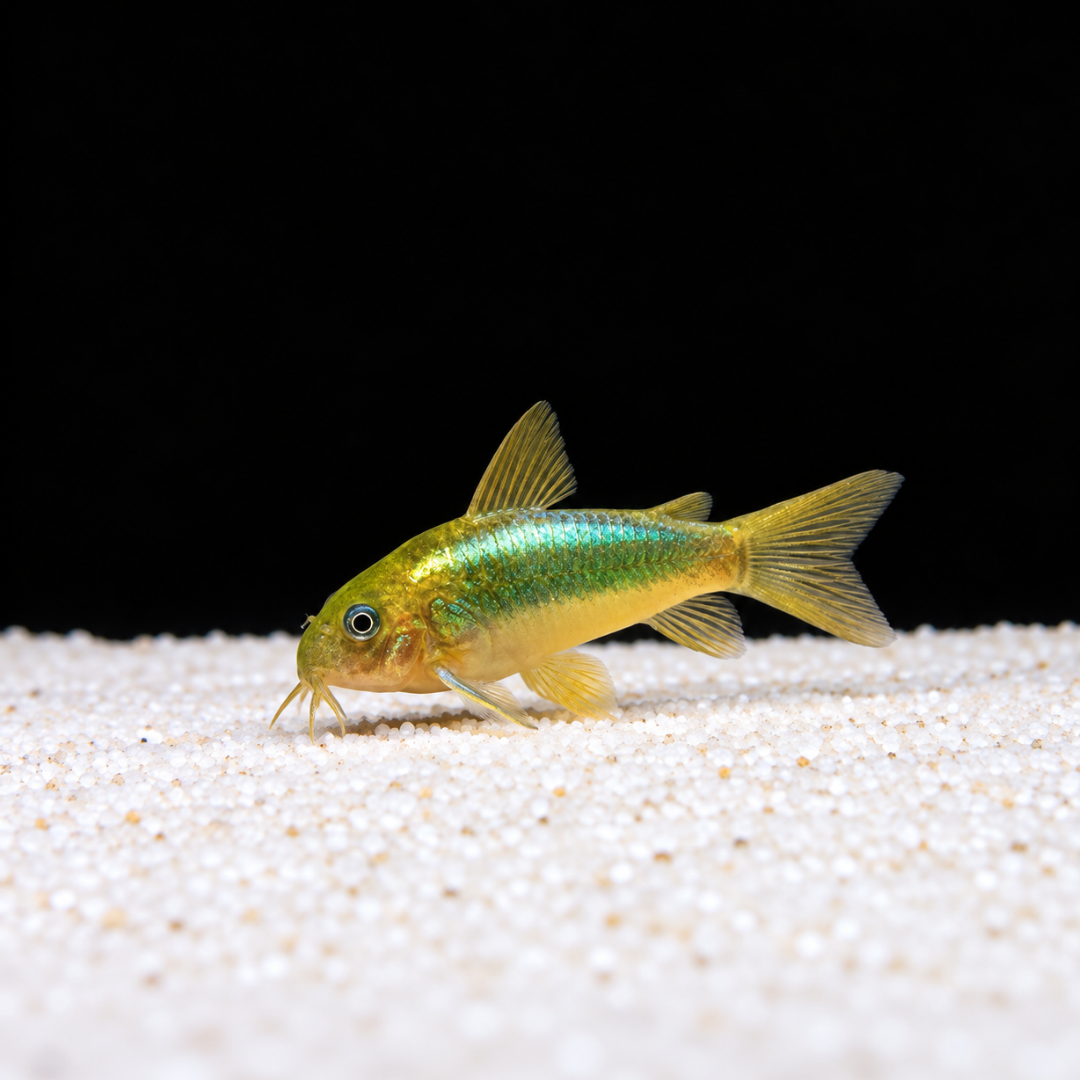
コリドラス・イルミナティ グリーン(コリドラス sp. CW009)は、「グリーンレーザー」の名でも流通する、ペルーのアマゾン川上流域に暮らす小型のナマズです。オリーブ色からブロンズ色の落ち着いた体に、頭の後ろから背中を通って尾の付け根まで、ひと筋のメタリックグリーンのラインが走るのが最大の特徴です。この緑は色素によるものではなく、皮膚の中の微細な結晶が光を反射して生まれる「構造色」と考えられており、見る角度や照明によってエメラルドグリーンから青緑、黄緑へと表情を変えます。赤コリの名で親しまれるアエネウスの仲間で、2024年に発表されたコリドラス類の大規模な分類の見直しでは、アエネウスとともにオステオガステル属(Osteogaster)に含められました。まだ正式な学名が与えられていない未記載種のため、愛好家の間で使われる識別番号「CW009」で呼び分けられています。きれいな水と柔らかな砂底を用意すれば、群れで砂をついばむ愛らしい姿と、ふとした瞬間に光るグリーンの輝きを長く楽しませてくれる魚です。Corydoras Illuminati Green (Corydoras sp. CW009), also sold as the “Green Laser Cory,” is a small catfish from the upper Amazon basin of Peru. Its defining feature is a single metallic green stripe running from behind the head, along the back, to the base of the tail, set against a subdued olive-to-bronze body. This green is not a pigment; it is thought to be a structural color produced by tiny crystals in the skin that reflect light, so the stripe shifts between emerald, blue-green, and yellow-green depending on viewing angle and lighting. It is a relative of the bronze cory, Corydoras aeneus, and in a large-scale reclassification of the corydoras published in 2024 it was placed, together with C. aeneus, in the genus Osteogaster. Because it has not yet received a formal scientific name, it is identified by “CW009,” a code used among hobbyists. Given clean water and a soft sandy bottom, it rewards its keeper for years with endearing group foraging and flashes of green that appear in a passing moment.
基本情報 / Basic Information
学名 / Scientific Name
Osteogaster sp. CW009 (syn. Corydoras sp. CW009)
通称 / Common Name
コリドラス・イルミナティ グリーン、グリーンレーザー、コリドラス sp. CW009Corydoras Illuminati Green, Green Laser Cory, Peru Green Stripe Cory, Corydoras sp. CW009
南米ペルー。プカルパ周辺など、アマゾン川上流のウカヤリ川およびマラニョン川水系から知られています。Peru, South America. Known from the Río Ucayali and Río Marañón systems of the upper Amazon, including the area around Pucallpa.
最大体長 / Max Size
オスで約6.5cm、メスで約7.5cm。メスのほうがひと回り大きく育ちます。About 6.5 cm for males and about 7.5 cm for females. Females grow noticeably larger.
寿命 / Lifespan
本種についての詳しい記録は多くありませんが、コリドラスの仲間は長生きな魚として知られ、良好な環境であれば5〜10年程度は生きると考えられています。Detailed records for this species are limited, but corydoras are known as long-lived fish, and in good conditions it is thought to live around 5–10 years.
飼育環境 / Aquarium Environment
水槽サイズ / Tank Size
群れで暮らす魚なので、5〜6匹以上での飼育が基本です。底面積が広いほど落ち着いて過ごせるため、60cm規格水槽(約57L)以上がおすすめです。少数であれば45cm規格水槽(約35L)でも飼育できますが、水量が少ないぶん水質が変わりやすくなるため、こまめな管理が必要です。As a schooling fish, it should be kept in groups of at least five or six. A larger floor area helps it settle, so a standard 60 cm tank (about 57 L) or larger is recommended. A small group can be kept in a standard 45 cm tank (about 35 L), but the smaller water volume makes conditions change more easily, so closer care is needed.
水温 / Temperature
22〜26℃が適温です。高水温が長く続くと水中の酸素が減り、体力を消耗させる原因になるため、日本の夏場は冷却ファンや水槽用クーラーで水温の上昇を抑えてください。The ideal range is 22–26°C. Prolonged high temperatures reduce dissolved oxygen and wear the fish down, so use a cooling fan or aquarium chiller to keep temperatures in check during hot summers.
水質 / Water Quality
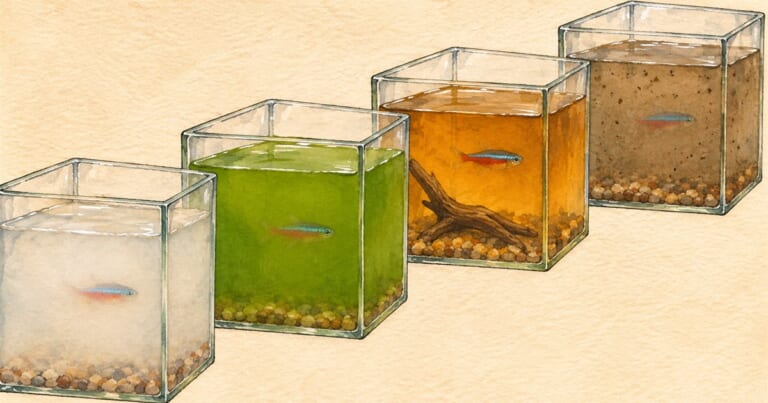
pH6.0〜7.2の弱酸性から中性で、軟水を好みます。特に気をつけたいのがアンモニアや亜硝酸の蓄積で、水が汚れるとヒゲの傷みや体調不良につながります。ろ過能力に余裕のあるフィルターを使い、週に1回、全体の25〜50%程度の換水を習慣にして、きれいな水を保ちましょう。It prefers soft, slightly acidic to neutral water at pH 6.0–7.2. Be especially careful about the buildup of ammonia and nitrite, as dirty water leads to damaged barbels and poor health. Use a filter with plenty of capacity and make a weekly 25–50% water change a habit to keep the water clean.
レイアウト / Layout
砂を口に含み、エラから吐き出しながら餌を探すため、底床には角のない細かな砂が欠かせません。国内で定番の田砂は水質にほとんど影響を与えず、暗めの色合いが背中のグリーンを引き立てるため、本種と特に相性の良い底床です。明るい色のボトムサンドも粒の形は適していますが、水質をややアルカリ性に傾けるとされるため、使う場合は流木などで調整すると安心です。どちらの砂でも、砂の中が汚れて酸素のない状態にならないよう、厚さは0.5〜1cm程度の薄敷きにします。大磯砂のような角のある砂利や、崩れて泥状になるソイルはヒゲを傷める原因になるため避けましょう。流木や水草、浮草で陰を作り、落ち着ける場所を用意してあげると安心して過ごせます。Because it forages by taking sand into its mouth and expelling it through the gills, fine, rounded sand is essential. Tasuna sand, a staple in Japan, has little effect on water chemistry, and its darker tone sets off the green stripe, making it an especially good match. Light-colored Bottom Sand also has a suitable grain shape but is said to push the water slightly alkaline, so if you use it, offsetting it with driftwood is reassuring. Whichever sand you choose, keep the layer thin, about 0.5–1 cm, so it does not become foul and oxygen-depleted. Avoid sharp gravel such as Oiso gravel and soils that break down into mud, as they can injure the barbels. Shade and shelter created with driftwood, plants, and floating plants help it feel secure.
注意点 / Precautions
背鰭と胸鰭には鋭い棘があり、危険を感じるとこれをぴんと立てて固定します。刺さると強い痛みや腫れが出ることがあるため、素手で扱うのは避けてください。網に棘が絡みやすいので、すくうときはプラケースやカップを使うと安全です。また、輸送中のような狭い水の中で強いストレスを受けると、身を守るために体から出した物質で自分自身が弱ってしまうことがあると考えられています(いわゆる自家中毒)。購入後は水合わせを済ませたら袋の水は水槽に入れず、魚だけを移すようにしましょう。暑い時期は輸送の負担が大きくなるため、秋口から春先の涼しい季節に迎えるのがおすすめです。The dorsal and pectoral fins bear sharp spines that it locks upright when it senses danger. Being pricked can cause sharp pain and swelling, so avoid handling it with bare hands. The spines easily snag in nets, so a plastic container or cup is safer for catching it. In addition, when severely stressed in a small volume of water, such as during transport, it is thought that it can be weakened by substances it releases to defend itself (so-called self-poisoning). After acclimation, transfer only the fish and do not add the bag water to the aquarium. Because transport is harder on the fish in hot weather, it is best to bring it home during the cooler months from early autumn to early spring.
餌と給餌 / Feeding
餌の種類 / Diet
自然界では水底の昆虫の幼虫や小さな甲殻類、有機物などを食べる雑食性です。主食には「ひかりクレスト コリドラス」のような、沈んで崩れにくいコリドラス用のタブレットが適しています。副食として、週に2〜3回ほど冷凍赤虫や冷凍ブラインシュリンプ、イトメなどの動物性の餌を与えると、色つやと体調の維持に役立ちます。In the wild it is an omnivore that feeds on insect larvae, small crustaceans, and organic matter on the riverbed. Sinking corydoras tablets that hold their shape, such as Hikari Crest Corydoras, make a good staple. Supplementing two or three times a week with animal-based foods such as frozen bloodworms, frozen brine shrimp, or tubifex worms helps maintain color and condition.
給餌のポイント / Feeding Tips
「水槽のお掃除役」と思われがちですが、他の魚の食べ残しだけでは栄養が足りず、やせてしまいます。底までしっかり届く餌を、本種のために与えることが大切です。夜に活発になる傾向があるため、消灯の少し前に開けた砂地へ落とすと、他の魚に横取りされにくくなります。食欲旺盛で与えた分だけ食べてしまうので、2分ほどで群れ全体が食べきれる量にとどめ、食べ過ぎによる肥満を防ぎましょう。It is often thought of as a tank cleaner, but leftovers from other fish do not provide enough nutrition and it will become thin. It is important to provide food that reliably reaches the bottom specifically for it. Since it tends to be more active at night, dropping food onto open sand shortly before lights-out makes it less likely to be stolen by tankmates. It has a hearty appetite and will eat whatever it is given, so limit portions to what the whole group can finish in about two minutes to prevent obesity.
性格と混泳 / Temperament and Tank Mates
性格 / Temperament
とてもおとなしく、他の魚を攻撃することはほとんどありません。仲間と寄り添って砂底を探り回る社会性の強い魚で、少数で飼うと物陰に隠れがちになります。群れで飼育することで、本来の生き生きとした姿が見られます。It is very peaceful and rarely bothers other fish. It is a highly social species that forages across the sand alongside its companions, and when kept in small numbers it tends to hide. Keeping a group brings out its natural, lively behavior.
混泳の相性 / Compatibility
小型のカラシンやラスボラ、ペンシルフィッシュなど、温和で同じような水質を好む魚とはよく混泳できます。底を荒らす大型魚や、気の強いシクリッド類との混泳は避けてください。また、アエネウスや、ゴールドレーザー(CW010)などのライン色が異なる近縁の仲間とは交雑するおそれがあるため、同じ水槽には入れず、分けて飼育することが勧められています。It mixes well with gentle fish that prefer similar water, such as small tetras, rasboras, and pencilfish. Avoid large fish that disturb the bottom and aggressive cichlids. Because it may hybridize with C. aeneus and with close relatives that have differently colored stripes, such as the Gold Laser (CW010), it is recommended to keep them in separate tanks.
病気と対策 / Diseases and Prevention
かかりやすい病気 / Common Diseases
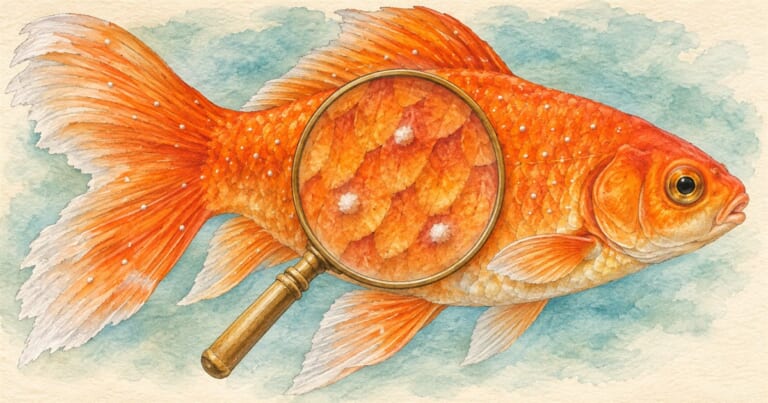
底床の汚れや水質の悪化から細菌に感染し、ヒゲが短くなったり溶けたりする症状がよく見られます。ほかにも、水温の急変による白点病や、細菌による尾ぐされ病に注意が必要です。輸入直後や輸送直後の個体は、ストレスによる自家中毒で急に体が黒ずみ、弱ってしまうことがあります。Barbels shortening or eroding from bacterial infection caused by dirty substrate or poor water quality is commonly seen. Other concerns include white spot disease triggered by sudden temperature changes and bacterial fin rot. Newly imported or newly shipped fish may suddenly darken and weaken from stress-induced self-poisoning.
対策と予防 / Prevention
いちばんの予防は、清潔な底床と安定した水質を保つことです。底砂は薄く敷き、換水のときにプロホースなどで砂の表面のゴミを吸い出しましょう。新しく迎えた個体は、別の水槽でしばらく様子を見てから本水槽に合流させると安心です。コリドラスの仲間は薬に敏感な面があるとされるため、魚病薬で治療する場合は規定量より控えめな量から始め、様子を見ながら進めることをおすすめします。The best prevention is keeping the substrate clean and the water stable. Keep the sand layer thin and siphon debris from its surface during water changes. It is reassuring to quarantine newly acquired fish in a separate tank for a while before adding them to the main aquarium. Corydoras are considered somewhat sensitive to medications, so when treating with fish medicine, it is advisable to start below the standard dose and proceed while observing the fish.
増やし方(繁殖) / Breeding
雌雄の判別 / Sexing
成熟したメスはオスよりもひと回り大きく、体高があり、上から見るとお腹が横に張り出した丸みのある体型になります。オスは比較的細身で、すらりとした体つきをしています。Mature females are noticeably larger than males and deeper-bodied, and when viewed from above their bellies bulge outward. Males are comparatively slim and streamlined.
繁殖形態 / Reproduction
卵生で、粘り気のある卵をガラス面や水草の葉などに産み付けます。オスとメスがT字に交差する「Tポジション」と呼ばれる独特の姿勢で受精が行われ、メスは腹鰭で抱えた数粒の卵を、場所を変えながら1粒ずつ丁寧に貼り付けていきます。水槽内での繁殖例も報告されています。It is an egg layer that attaches sticky eggs to aquarium glass, plant leaves, and similar surfaces. Fertilization takes place in a distinctive posture called the T-position, with male and female crossing at right angles, after which the female carefully places the few eggs held in her pelvic fins one at a time, moving from spot to spot. Successful aquarium spawnings have been reported.
繁殖のポイント / Breeding Tips
繁殖を狙う2週間ほど前から、イトメや冷凍赤虫などの栄養価の高い餌をしっかり与え、メスのお腹を卵で膨らませます。メスのお腹が丸くなり、オスがメスを追いかけるようになったら、普段より2〜3℃低い水で水量の50〜70%ほどを一度に換水し、アマゾンの雨季を再現します。この刺激がきっかけとなって、数日のうちに産卵が始まることがよくあります。産卵が終わったら、親に卵を食べられないよう、指の腹でやさしく撫でるようにして卵をはがし、産卵箱などへ移しましょう。エアレーションを強めにし、ごく少量のメチレンブルーを加えると水カビを防げます。水温25℃前後なら3〜5日ほどで孵化し、数日間はお腹の栄養袋で育つため餌は必要ありません。その後は孵化したてのブラインシュリンプを1日3〜4回与え、2週間ほどかけて細かく砕いた人工飼料に慣らしていきます。稚魚は水カビの生えた食べ残しに触れて死んでしまうことがあるため、砂を敷かない容器で育て、給餌の2時間後には必ずスポイトで食べ残しを取り除いてください。体長2.5〜3cmほどに育てば、親のいる水槽へ合流させられます。About two weeks before attempting to breed, feed nutritious foods such as tubifex and frozen bloodworms generously so the females fill with eggs. Once the females look round and males begin chasing them, recreate the Amazonian rainy season by replacing 50–70% of the water at once with water 2–3°C cooler than usual. This stimulus often triggers spawning within a few days. After spawning, gently roll the eggs off with a fingertip and move them to a breeding box so the parents cannot eat them. Strong aeration and a very small amount of methylene blue help prevent fungus. At around 25°C the eggs hatch in three to five days, and the fry need no food for several days while they absorb their yolk sacs. After that, feed newly hatched brine shrimp three or four times a day, gradually weaning them onto finely crushed prepared food over about two weeks. Fry can die from contact with fungus-covered leftover food, so raise them in a container without sand and always siphon out uneaten food two hours after feeding. Once they reach about 2.5–3 cm, they can join their parents in the main tank.
雑学と豆知識 / Trivia and Fun Facts
1. 名前のない魚を見分ける「CWナンバー」 / 1. CW Numbers: Telling Apart Fish Without Names
南米からは、まだ学名が付いていないコリドラスが次々と輸出されてきます。ところが販売時の呼び名は国や店ごとにばらばらで、同じ名前が別の魚を指してしまうことも珍しくありません。そこで役立っているのが、未記載のコリドラスに通し番号を振る「CWナンバー」です。かつてドイツの観賞魚雑誌が付けていた「Cナンバー」の役割を引き継ぐかたちで、研究者イアン・フラーのウェブサイト「Corydorasworld」から始まり、今ではナマズ専門の情報サイトなどでも広く使われています。本種に振られた番号がCW009です。「イルミナティ」や「グリーンストライプ」といった華やかな商品名の奥で、どの魚の話をしているのかを確かめるための、ひとつの確かな目印となっています。A steady stream of corydoras without scientific names is exported from South America. Their trade names, however, vary from country to country and shop to shop, and it is not unusual for the same name to refer to different fish. This is where CW numbers come in: sequential codes assigned to undescribed corydoras. Taking over the role once played by the “C numbers” issued by a German aquarium magazine, they originated on Corydorasworld, the website of researcher Ian Fuller, and are now widely used on catfish information sites and elsewhere. This species was given the number CW009. Behind flashy trade names such as “Illuminati” and “Green Stripe,” it serves as a reliable marker for confirming exactly which fish is being discussed.
2. コリドラス属の大再編とオステオガステル属の復活 / 2. The Great Reorganization of Corydoras and the Revival of Osteogaster
コリドラス属は170を超える種を抱える大所帯でしたが、遺伝子の研究が進むにつれ、実はひとつの祖先から分かれたまとまりではないことが示されてきました。つまり、見た目が似ているために同じ「コリドラス」としてまとめられていただけで、中身はいくつもの異なる系統の集まりだったのです。そして2024年、ディアスやテンカットらの研究によって、コリドラスの仲間全体の分類が大きく見直されました。旧コリドラス属はいくつかの属に分けられ、昔使われていた属名がいくつも復活しています。そのひとつが、1871年にコープが名付けたオステオガステル属で、エクエスという種を基準とするアエネウスの仲間がここにまとめられました。1858年にトリニダード島から記載された赤コリことアエネウスは、こうしてOsteogaster aenea(オステオガステル・アエネア)と呼ばれるようになり、その近縁であるグリーンレーザーも同じ属に含められています。ちなみにオステオガステルという名は「骨の腹」を意味し、お腹側を骨が覆うこのグループの体のつくりに由来するとされています。長年親しまれた「コリドラス」という呼び名は今後も愛好家の間で使われ続けるでしょうが、その足元では分類の地図が静かに描き直されているのです。The genus Corydoras once held more than 170 species, but as genetic research advanced, it became clear that they did not all descend from a single common ancestor. In other words, they had been grouped together as “Corydoras” largely because they look alike, when in fact the genus was a collection of several distinct lineages. In 2024, a study by Dias, Tencatt, and colleagues substantially revised the classification of the entire corydoras group. The old genus Corydoras was split into several genera, and a number of older genus names were revived. One of these is Osteogaster, named by Cope in 1871, which now houses the aeneus group, with the species O. eques as its reference. The bronze cory, described from Trinidad in 1858, thus became Osteogaster aenea, and its close relative the Green Laser is included in the same genus. Incidentally, the name Osteogaster means “bony belly,” said to refer to the way bones enclose the underside of these fish. The familiar name “corydoras” will likely remain in everyday use among hobbyists, but beneath it, the taxonomic map is being quietly redrawn.
3. 緑の輝きは「色」ではなく「光」 / 3. The Green Glow Is Light, Not Pigment
生き物の体色の多くは、メラニンやカロテノイドといった色素によって生まれます。一方、グリーンレーザーの背中の緑は、皮膚の奥にある虹色素胞という細胞の中で、グアニンという物質の微細な結晶が光を反射・干渉させることで生まれる構造色だと考えられています。シャボン玉の膜が虹色に見えるのと同じように、色そのものを持っているのではなく、光の当たり方によって特定の色が強く見えるしくみです。同じアマゾンに暮らすネオンテトラの青い帯も、この原理で輝いています。そのため、見る角度や照明の種類によって、色合いがエメラルドからブルーグリーン、イエローグリーンへと移ろいます。写真ではフラッシュの強い光を結晶が強く跳ね返し、実物以上にぎらぎらと写ることがありますが、肉眼で見ると落ち着いた体色の中にラインがすっと浮かび上がるのが本来の姿です。薄暗い川底では、この輝きが仲間を見分ける目印として役立っている可能性も考えられています。Most animal coloration comes from pigments such as melanin and carotenoids. The green on the Green Laser’s back, by contrast, is thought to be a structural color created when tiny crystals of a substance called guanine, inside cells called iridophores deep in the skin, reflect and interfere with light. Much as a soap bubble looks rainbow-colored, the fish does not contain the color itself; certain colors simply appear strongly depending on how light strikes it. The blue band of the neon tetra, which also lives in the Amazon, shines by the same principle. As a result, the hue shifts from emerald to blue-green to yellow-green depending on viewing angle and the type of lighting. In photographs, the crystals can strongly bounce back the intense light of a flash, making the fish look far more glaring than in life, but to the naked eye the stripe naturally appears to rise quietly from the subdued body color. On dim riverbeds, it is also thought that this glow may help the fish recognize one another.
4. 水面へダッシュする理由、腸で行う空気呼吸 / 4. Why It Dashes to the Surface: Breathing Air Through the Gut
水槽を眺めていると、底にいたグリーンレーザーが突然水面まで駆け上がり、すぐにまた底へ戻っていく姿を見かけることがあります。これは空気を直接飲み込む行動です。飲み込んだ空気は、細かな血管が張り巡らされた腸の後ろの部分へ送られ、そこで酸素が取り込まれます。乾季に水位が下がり、酸素の少ない水たまりに取り残されても生き延びられるように身につけた能力だと考えられています。ときどき見られる程度なら自然な行動ですが、頻繁に水面へ向かうようであれば、水中の酸素不足や水質悪化のサインかもしれません。水面とフタの間に少しすき間を空けておくと、空気を吸いに上がりやすくなります。While watching the aquarium, you may see a Green Laser suddenly dart from the bottom to the surface and then quickly return. This is air gulping. The swallowed air is sent to the rear section of the intestine, which is laced with fine blood vessels, and oxygen is absorbed there. It is thought to be an ability that lets the fish survive when falling water levels in the dry season leave it stranded in oxygen-poor pools. Occasional trips are perfectly natural, but if it heads to the surface frequently, it may be a sign of low oxygen or deteriorating water quality. Leaving a small gap between the water surface and the lid makes it easier for the fish to come up for air.
5. 小さな体に秘めた防御のしくみ / 5. The Defenses Hidden in a Small Body
進化生物学者ジェレミー・ライトらの研究によれば、ナマズの仲間のうち少なくとも1,250種ほどが、鰭の棘に毒を作る組織を備えていると推定されています。グリーンレーザーも例外ではなく、危険を感じると背鰭と胸鰭の棘を立てて固定し、刺さった相手に毒を送り込みます。人の命に関わるものではありませんが、刺されると強く痛むのはこのためです。さらにコリドラスの仲間には、胸鰭の付け根付近に腋窩腺(えきかせん)と呼ばれる器官があり、強いストレスを受けたときに分泌物を出すことが知られています。この分泌物には、ほかの魚にとって有害な作用があるとも指摘されています。広い川であれば外敵から身を守る頼もしい武器になりますが、輸送用の袋のような狭い水の中では、出した物質が自分自身を傷つけてしまうことがあると考えられています。網ではなくカップで扱う、袋の水を水槽に入れないといった飼育上の注意は、こうした体のしくみに理由があるのです。According to research by evolutionary biologist Jeremy Wright and colleagues, at least about 1,250 catfish species are estimated to have venom-producing tissue associated with their fin spines. The Green Laser is no exception: when it senses danger, it locks its dorsal and pectoral spines upright and delivers venom into whatever they pierce. It is not life-threatening to people, but this is why being pricked hurts so much. Corydoras also have an organ called the axillary gland near the base of the pectoral fins, which is known to release secretions under severe stress, and these secretions have been reported to be harmful to other fish. In a wide river, these serve as dependable defenses against predators, but in a confined volume of water such as a shipping bag, the released substances are thought to sometimes harm the fish itself. Practical advice such as using a cup instead of a net and not adding bag water to the aquarium is rooted in this biology.
6. ライン色の違う仲間たち、レーザー系のコリドラス / 6. Its Differently Striped Kin: The Laser Corydoras
ペルーのアマゾン上流域からは、グリーンレーザーによく似た体つきで、ラインの色が異なるコリドラスがいくつも輸入されています。代表的なのが、黄色から黄金色のラインと、やや明るい緑がかった体をもつゴールドレーザー(CW010)です。ほかにもオレンジ色から赤みがかったラインをもつ仲間にCW014やCW023といった番号が振られていますが、「オレンジレーザー」「レッドレーザー」などの呼び名は愛好家の間でも混同されがちで、どの番号の魚を指すのかがはっきりしないことも少なくありません。そもそも、これらがすべてアエネウスの色違いなのか、それとも見た目がよく似た別々の種なのかは、まだ研究による結論が出ていません。並べて飼いたくなる魅力的な顔ぶれですが、交雑を避けてそれぞれの系統を守るため、水槽を分けて管理することが勧められています。緑、金、橙と、同じ地域にこれほど多彩な輝きが生まれた理由は、今も解き明かされるのを待っています。Several corydoras that closely resemble the Green Laser in body shape but differ in stripe color are imported from the upper Peruvian Amazon. The best known is the Gold Laser (CW010), with a yellow-to-golden stripe and a slightly lighter, greenish body. Others with orange to reddish stripes have been given numbers such as CW014 and CW023, but names like “Orange Laser” and “Red Laser” are often mixed up even among hobbyists, and it is frequently unclear which numbered fish they refer to. Whether all of these are simply color variants of C. aeneus or separate species that merely look alike has not yet been settled by research. They make an attractive lineup that tempts keepers to house them together, but keeping them in separate tanks is recommended to avoid hybridization and preserve each line. Why such a varied palette of green, gold, and orange arose in the same region is still waiting to be explained.
まとめ / Conclusion
コリドラス・イルミナティ グリーン(グリーンレーザー/CW009)は、背中に走るネオングリーンのラインが目を引く、ペルーのアマゾン上流域生まれの小さなナマズです。その輝きは光が生み出す構造色で、照明や見る角度によって控えめにも鮮やかにも表情を変えます。オステオガステル属に分類されながら、今もまだ正式な名前を持たない未記載種であるという少し謎めいた立場も、この魚ならではの魅力です。Corydoras Illuminati Green (Green Laser Cory / CW009) is a small catfish from the upper Peruvian Amazon, striking for the neon green stripe along its back. That glow is a structural color born of light, shifting from understated to brilliant with lighting and viewing angle. Classified in the genus Osteogaster yet still without a formal name of its own, its somewhat mysterious standing is part of its distinctive charm.
きれいな水、薄く敷いた柔らかな砂、そして底までしっかり届く餌。この基本を丁寧に守るほど、グリーンレーザーは群れで砂をついばむ穏やかな日常を見せてくれます。ふと視線を落としたとき、薄暗い水底でひと筋の緑がきらりと光る、その小さな瞬間が、この魚と暮らす何よりの喜びとなるでしょう。Clean water, a thin layer of soft sand, and food that reliably reaches the bottom: the more carefully these basics are kept, the more the Green Laser shares its calm daily life of foraging through the sand with its group. That small moment when you glance down and a single line of green flickers across the dim aquarium floor will likely be the greatest pleasure of living alongside this fish.
Dias, A. C., Tencatt, L. F. C., Roxo, F. F., Silva, G. S. C., Santos, S. A., Britto, M. R., Taylor, M. I. & Oliveira, C. (2024). Phylogenomic analyses in the complex Neotropical subfamily Corydoradinae (Siluriformes: Callichthyidae) with a new classification based on morphological and molecular data. Zoological Journal of the Linnean Society, zlae053. https://doi.org/10.1093/zoolinnean/zlae053
Alexandrou, M. A., Oliveira, C., Maillard, M., McGill, R. A. R., Newton, J., Creer, S. & Taylor, M. I. (2011). Competition and phylogeny determine community structure in Müllerian co-mimics. Nature, 469, 84–88. https://doi.org/10.1038/nature09660
Gill, T. N. (1858). Synopsis of the fresh water fishes of the western portion of the island of Trinidad, W. I. Annals of the Lyceum of Natural History of New York, 6, 363–430.
Fuller, I. A. M. & Evers, H.-G. (2005). Identifying Corydoradinae Catfish: Aspidoras, Brochis, Corydoras, Scleromystax & C-numbers. Ian Fuller Enterprises / A.C.S. GmbH.
Yoshioka, S., Matsuhana, B., Tanaka, S., Inouye, Y., Oshima, N. & Kinoshita, S. (2011). Mechanism of variable structural colour in the neon tetra: quantitative evaluation of the Venetian blind model. Journal of the Royal Society Interface, 8(54), 56–66. https://doi.org/10.1098/rsif.2010.0253
Kramer, D. L. & McClure, M. (1980). Aerial respiration in the catfish, Corydoras aeneus (Callichthyidae). Canadian Journal of Zoology, 58(11), 1984–1991.
Wright, J. J. (2009). Diversity, phylogenetic distribution, and origins of venomous catfishes. BMC Evolutionary Biology, 9, 282. https://doi.org/10.1186/1471-2148-9-282
Kiehl, E., Rieger, C. & Greven, H. (2006). Axillary gland secretions contribute to the stress-induced discharge of a bactericidal substance in Corydoras sterbai (Callichthyidae, Siluriformes). Verhandlungen der Gesellschaft für Ichthyologie, 5, 111–115. https://www.ichthyologie.de/wp-content/uploads/2019/11/Axillary_gland_secretions.pdf
Kohda, M., Tanimura, M., Kikue-Nakamura, M. & Yamagishi, S. (1995). Sperm drinking by female catfishes: a novel mode of insemination. Environmental Biology of Fishes, 42, 1–6.








コメント