
解説 / Description
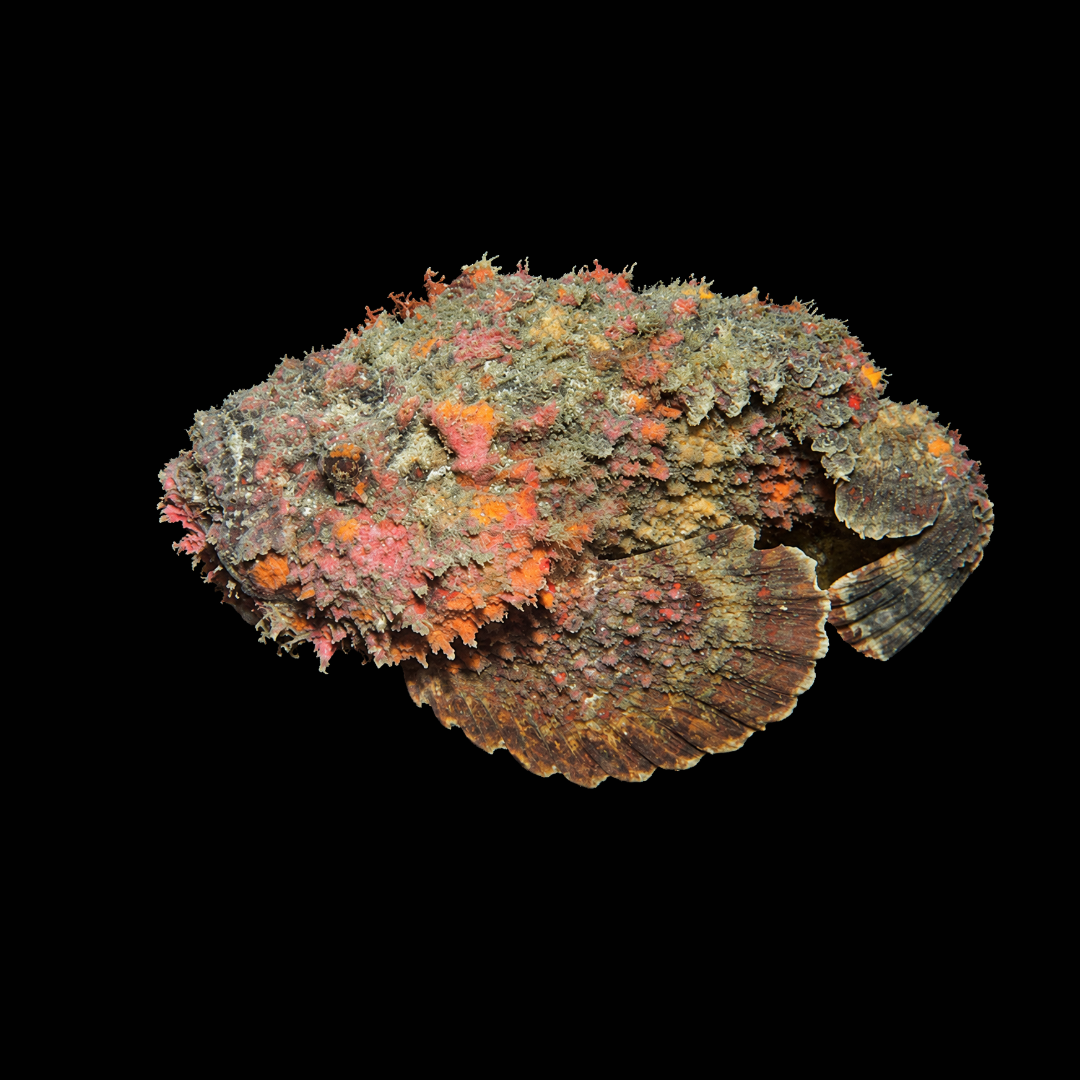
オニダルマオコゼは、岩やサンゴのかけらに似た姿で海底に潜む海水魚です。いぼ状の凹凸に覆われた体、小さな目、上向きに開く大きな口が特徴で、じっと獲物を待ち、近づいた魚や甲殻類を素早く吸い込みます。体色には褐色や灰色のほか、赤みや黄色みを帯びるものもあり、凹凸のある体とともに周囲の風景に溶け込みます。観賞の魅力は、活発な遊泳よりも、巧みな擬態と静止から一転する捕食行動にあります。ただし、背鰭の棘には人命に関わる強力な毒があり、一般家庭での飼育に向く魚ではありません。飼育には大型海水魚の管理経験に加え、魚体に触れずに維持管理できる設備と、事故に備えた体制が必要です。 The reef stonefish is a marine fish that rests on the seabed disguised as a rock or a piece of coral rubble. Its warty body, small eyes and large upward-opening mouth suit an ambush lifestyle: it waits motionless before rapidly engulfing passing fish or crustaceans. Brown or grey coloration, sometimes with reddish or yellowish areas, combines with its irregular outline to blend into the surroundings. Its appeal lies in camouflage and sudden feeding movements rather than active swimming. However, its dorsal spines deliver potentially fatal venom, making it unsuitable for ordinary household aquariums. Keeping one requires experience with large marine fish, equipment that permits maintenance without contact, and an emergency plan.
基本情報 / Basic Information
| 学名 / Scientific Name | Synanceia verrucosa |
|---|---|
| 通称 / Common Name | オニダルマオコゼ。ストーンフィッシュとも呼ばれますが、この呼称は同属の別種にも使われます。Reef stonefish; also called stonefish, a name shared with other members of the genus. |
| 分類 / Family | 条鰭綱・カサゴ目・オニオコゼ科・オニダルマオコゼ属。分類体系によって、目や科の扱いが異なる場合があります。Class Actinopterygii, order Scorpaeniformes, family Synanceiidae, genus Synanceia. Placement at order and family level varies among classifications. |
| 英名 / English Name | Reef stonefish, Stonefish |
| 分布 / Distribution | 紅海・東アフリカからインド洋、西部・中部太平洋に広く分布します。日本では南西諸島などの暖かい海域に生息し、浅いサンゴ礁や岩礁、その周辺の砂礫底、潮だまりなどで見られます。Widely distributed from the Red Sea and East Africa through the Indian Ocean to the western and central Pacific. In Japan it occurs in warm southern waters, including the Ryukyu Islands. Habitats include shallow coral and rocky reefs, adjacent sand and rubble, and tidepools. |
| 最大体長 / Max Size | 大型個体では約40cm。50cmに達するとの報告もあります。成長後の大きさを見込んだ設備が必要です。Large individuals reach approximately 40 cm, with reports of fish reaching 50 cm. Aquarium planning must account for adult size. |
| 寿命 / Lifespan | 野生・飼育下ともに、一般的な寿命を示せるだけの確かな情報は限られています。短期間の飼育を前提とせず、長期にわたって安全に管理できる体制を整えます。Reliable information on typical lifespan in the wild or captivity is limited. Keepers should plan for long-term care and safe management rather than a short commitment. |
飼育環境 / Aquarium Environment
| 水槽サイズ / Tank Size | 成魚1匹を飼育する設備としては、120cmワイド水槽(幅120×奥行60×高さ60cm、寸法から求めた容量約432L)以上を検討し、十分な底面積と安全に隔離できるスペースを確保します。この大きさは飼育を計画する際の目安であり、本種の最低飼育サイズとして確立された基準ではありません。大型個体にはさらに広い水槽が必要です。実際の水量は、水位や底砂、岩の量によって少なくなります。For one adult, consider a Japanese 120 cm wide-format aquarium measuring 120 × 60 × 60 cm or larger, with a nominal geometric capacity of approximately 432 L. Provide ample floor space and room for safe separation. This is a planning guide, not an established species-specific minimum. Large individuals require more space. Actual water volume is lower because of water level, substrate and rock displacement. |
|---|---|
| 水温 / Temperature | 飼育管理の目安は24~27℃程度です。急激な変化を避け、夏の高水温や酸素不足に注意します。ヒーターは魚体が直接触れない位置に設置し、必要に応じて冷却設備も使用します。A practical aquarium target is approximately 24–27°C. Avoid sudden changes and prevent overheating and oxygen depletion during summer. Position heaters where the fish cannot touch them directly, and provide cooling when necessary. |
| 水質 / Water Quality | 通常の海水環境を維持し、塩分33~35‰、pH8.0~8.4程度を管理目安とします。比重を測る場合は、測定器の基準温度を確認してください。アンモニアと亜硝酸は検出されない状態を保ちます。排泄物や残餌による水質悪化に対応できる生物ろ過、プロテインスキマー、十分な酸素供給を組み合わせ、水質の測定結果に応じて換水します。Maintain full-strength seawater, with practical targets of 33–35 ppt salinity and pH 8.0–8.4. When measuring specific gravity, account for the instrument’s calibration temperature. Ammonia and nitrite should remain undetectable. Use established biological filtration, a protein skimmer and adequate oxygenation to manage waste and uneaten food, and adjust water changes according to test results. |
| レイアウト / Layout | 体を休められる広い砂地と、身を隠せる岩陰を用意します。底砂には角の鋭くない細かなサンゴ砂などを使い、岩組みは魚が砂を動かしても崩れないように固定します。岩を複雑に積みすぎず、水槽の外から魚の位置を確認できる構成が適しています。水槽全体に水が循環するようにしながら、魚の休む場所には強い水流が当たり続けないように調整します。Provide open sandy resting areas and sheltered spaces beside rockwork. Use fine, non-sharp marine substrate, and secure rocks so that shifting sand cannot undermine them. Avoid overly complex structures that prevent locating the fish from outside the aquarium. Maintain circulation throughout the tank without directing a strong jet continuously at its resting place. |
| 注意点 / Precautions | 背鰭の毒棘による刺傷は命に関わります。棘は手袋を貫通するおそれがあり、厚手の手袋でも安全は保証されません。手を水槽内に入れずに作業できる長い器具を用い、作業前には必ず魚の位置を確認します。施錠可能な蓋と分かりやすい警告表示を設け、子どもや訪問者が触れられないようにしてください。捕獲や移動は、毒魚の取り扱いに習熟した人が、適切な硬質容器や隔離設備を用いて行います。死後も棘は危険です。刺された場合は直ちに119番へ連絡し、オニダルマオコゼによる刺傷であることを伝えます。救急の手配を優先し、可能であれば患部を40~45℃程度の湯に浸して痛みを和らげます。温度を確認してやけどを防ぎ、温浴のために搬送や受診を遅らせないでください。熱した物を直接当てる、傷を切る、口で吸う、止血帯で締める、深く刺さった棘を無理に抜くといった行為は避け、救急隊の指示に従います。Dorsal-spine injuries can be life-threatening. Spines may penetrate gloves, so even heavy gloves do not guarantee protection. Use long tools that keep hands out of the aquarium, and locate the fish before every task. Fit a lockable lid and clear warnings, preventing access by children and visitors. Capture and transfer require personnel experienced with venomous fish, suitable rigid containers and separation equipment. Spines remain hazardous after death. If stung in Japan, call 119 immediately and identify the fish as a reef stonefish. Prioritize emergency care; if feasible, immerse the affected area in water at approximately 40–45°C to ease pain. Check the temperature to prevent burns, and never delay transport or treatment for immersion. Do not apply heated objects directly, cut or suck the wound, use a tourniquet, or forcibly remove deeply embedded spines. Follow emergency-service instructions. |
餌と給餌 / Feeding
| 餌の種類 / Diet | 魚や甲殻類を主に食べる肉食魚です。飼育下では、適切に解凍した海産魚やエビを中心に、イカなども組み合わせます。乾燥エビや魚の切り身だけに頼らず、餌の種類が偏らないようにします。金魚などの淡水魚を主食として与え続けることは避けます。導入直後には、動く餌にしか反応しない個体もいます。A carnivore feeding mainly on fish and crustaceans. In captivity, offer varied, properly thawed marine fish and shrimp, supplemented with foods such as squid. Avoid relying exclusively on dried shrimp or fish fillets. Goldfish and other freshwater feeder fish should not be used as a staple. Newly acquired individuals may initially respond only to moving prey. |
|---|---|
| 給餌のポイント / Feeding Tips | 長い給餌用トングなどで餌を提示し、器具の先端で口を傷つけないようにします。手渡しでの給餌は厳禁です。成魚では週1~2回程度を目安に、体格や腹部の張り、食欲を見ながら量と間隔を調整します。幼魚には小さな餌を与え、成長や摂餌状態に応じて頻度を調整します。反応が乏しくても魚体をつつかず、残餌は長い器具で回収します。食欲低下が続く場合は、水質、呼吸、口周辺の異常も確認してください。Present food with long feeding tools, taking care not to injure the mouth with their tips. Never hand-feed. For adults, approximately one or two feeding sessions weekly can serve as a starting point, adjusted to body condition, abdominal fullness and appetite. Offer juveniles smaller foods and adjust frequency to growth and feeding response. Do not prod an unresponsive fish. Remove leftovers with long tools, and check water quality, breathing and mouth condition if poor appetite persists. |
性格と混泳 / Temperament and Tank Mates
| 性格 / Temperament | 普段は動きが少なく、底で獲物を待ち伏せします。人を積極的に追って攻撃する魚ではありませんが、動かないからといって安全ではありません。夜間などに移動することもあるため、いつも同じ場所にいると思い込まないようにします。Generally sedentary, it waits on the bottom for prey. It does not normally pursue people, but remaining motionless does not make it safe. It may move at night or at other times, so never assume it is still in its usual location. |
|---|---|
| 混泳の相性 / Compatibility | 安全管理と確実な給餌のため、基本は単独飼育とします。口に入る魚やエビは捕食されるおそれがあり、見た目の体長だけで混泳の可否を判断できません。体表をかじる魚や、餌を素早く奪う魚との同居も適しません。同種同士でも、大きな体格差がある場合の捕食リスクや管理の難しさを考慮し、安易に複数を同居させないでください。Solitary housing is preferable for safe maintenance and reliable feeding. Fish and shrimp that fit into its mouth may be eaten; body length alone is not a reliable guide to compatibility. Skin-nipping species and fast competitors for food are also unsuitable. Housing several stonefish together requires consideration of predation risk when sizes differ and the increased difficulty of safe maintenance. |
病気と対策 / Diseases and Prevention
| かかりやすい病気 / Common Diseases | 本種でどの病気が多いかを示す情報は限られています。飼育では、海水白点病などの寄生虫病、外傷に伴う細菌感染、水質悪化や酸素不足による不調に注意します。もともと体表に凹凸があり、表皮が剥がれることもあるため、見た目だけで病気と判断せず、呼吸の速さ、食欲、発赤や潰瘍の有無も併せて観察します。Information on disease frequency in this species is limited. Potential aquarium problems include marine white spot and other parasitic diseases, bacterial infection following injury, and distress caused by poor water quality or low oxygen. Naturally irregular skin and shedding can complicate assessment, so monitor breathing, appetite, redness and ulceration rather than appearance alone. |
|---|---|
| 対策と予防 / Prevention | 導入時は安全に隔離・観察できる設備を用意し、水温や塩分が急変しないように順化させます。日常は水質測定と残餌の除去を続け、異変があればまずアンモニア、亜硝酸、酸素供給を確認します。薬剤の使用や淡水浴は自己判断で行わず、魚類の診療に対応する獣医師などに相談してください。治療や移動の際にも毒棘の危険は変わりません。素手でつかんだり、網に絡んだ魚を手で外したりしないようにします。Use a quarantine setup that permits safe observation and maintenance, and acclimate without abrupt temperature or salinity changes. Test water regularly and remove uneaten food. If problems arise, first check ammonia, nitrite and oxygenation. Consult an aquatic veterinarian before using medication or freshwater dips. Treatment and transfers do not reduce the spine hazard: never grasp the fish or free it from a net by hand. |
増やし方(繁殖) / Breeding
| 雌雄の判別 / Sexing | 外見だけで雌雄を確実に判別することは困難です。体の大きさや腹部の膨らみは、成長段階や摂餌状態によっても変わるため、判別の決め手にはなりません。雌雄を確かめるために魚を持ち上げたり、腹部を押したりする行為は危険です。Reliable sexing by external appearance is difficult. Size and abdominal fullness also vary with growth and feeding, so they are not decisive indicators. Lifting or pressing the fish to determine sex is hazardous. |
|---|---|
| 繁殖形態 / Reproduction | 卵を産んで繁殖する卵生の魚です。本種の詳しい産卵条件や卵・仔魚の発育については情報が限られており、飼育下での繁殖に利用できる具体的な条件は明らかではありません。Oviparous, reproducing by laying eggs. Detailed information on this species’ spawning conditions and egg and larval development is limited, and specific conditions suitable for aquarium breeding are not well established. |
| 繁殖のポイント / Breeding Tips | 家庭水槽で安定して繁殖させるための方法について、十分な情報はありません。親魚の組み合わせ、卵の管理、仔魚の餌や育成条件など、不明な点が残ります。繁殖を目的に安易に同居させず、まずは単独個体の長期飼育と、魚体に触れない管理を優先します。There is insufficient information to provide a reliable home-aquarium breeding method. Broodstock pairing, egg care, larval foods and rearing conditions remain poorly documented. Avoid casually introducing additional adults for breeding; prioritize long-term individual care and maintenance without contact. |
雑学と豆知識 / Trivia and Fun Facts
| 1. 岩に似た姿を映す名前 / 1. A Name That Reflects Its Appearance | 種小名の「verrucosa」は、ラテン語で「いぼの多い」という意味を持ちます。体表の凹凸は魚らしい輪郭を目立たなくし、周囲の岩やサンゴのかけらと見分けにくくしています。英名の「stonefish」も、石に似た姿をそのまま表した名前です。ただし、この英名は本種だけでなく、同じオニダルマオコゼ属の近縁種にも使われます。流通名だけでなく学名まで確かめることで、よく似た魚を区別し、それぞれの特徴を正しく捉えやすくなります。The epithet verrucosa means “warty” in Latin. The irregular skin helps obscure the outline of a fish, making it difficult to distinguish from surrounding rocks and coral rubble. The English name stonefish likewise describes its appearance. However, that name also applies to close relatives in Synanceia. Checking the scientific name alongside a trade name helps distinguish similar fishes and understand their individual characteristics. |
|---|---|
| 2. 動かない暮らしを支える瞬発力 / 2. Stillness Supported by a Sudden Strike | 海底で長く静止する姿は、何もしていないようにも見えます。しかし、待ち伏せ型の捕食者にとって、見つからずに獲物を待つことは重要な狩りの方法です。砂に体を一部埋めると輪郭がさらに分かりにくくなり、頭の上側にある目で周囲の様子を捉えます。獲物が近づくと口を急に広げ、水とともに吸い込むように捕らえます。長い静止と一瞬の動きは対照的ですが、どちらも待ち伏せによる捕食を支えています。A fish resting motionless on the seabed may appear to be doing nothing. For an ambush predator, however, waiting unseen is an important hunting strategy. Partial burial further conceals its outline, while eyes positioned high on the head monitor the surroundings. When prey approaches, rapid mouth expansion draws it inward with the surrounding water. Long periods of stillness and brief bursts of movement are complementary parts of ambush feeding. |
| 3. 魚なのに「脱皮」する理由 / 3. Why a Fish Sheds Its Skin | オニダルマオコゼでは、表皮の外側が剥がれ落ちる現象が知られています。「脱皮」と呼ばれますが、エビやカニが硬い外骨格を脱いで成長する仕組みとは異なります。海底であまり動かずに暮らす魚は、体表に藻類などが付着しやすくなります。古い表皮を剥がすことには、こうした付着物を取り除く役割があると考えられています。そのため、飼育中に皮が剥がれたからといって、すぐに病気とは限りません。ただし、発赤や潰瘍、呼吸の乱れを伴う場合には、正常な表皮の更新と決めつけずに状態を確認する必要があります。Reef stonefish are known to shed the outer layer of their skin. Although often called moulting, this differs from the shedding of a rigid exoskeleton by shrimps or crabs. A sedentary fish is prone to algae and other material accumulating on its surface. Shedding old skin is thought to help remove these attachments. Skin shedding in captivity is therefore not necessarily a sign of disease, but accompanying redness, ulcers or abnormal breathing require further assessment. |
| 4. 毒棘は獲物を仕留める槍ではない / 4. Defensive Spines Rather Than Hunting Weapons | 背鰭には通常13本の強い棘があり、その毒は主に身を守るために働きます。獲物を捕らえるのは大きな口で、毒棘を刺して狩りをするわけではありません。背中を踏まれるなどして圧力が加わると、棘に沿って毒が傷の中へ入ります。これは魚の鰭の棘と毒腺による仕組みで、クラゲの刺胞とは異なります。巧みな擬態は身を隠す助けになる一方、周囲の動物や人が気づかずに接近することもあります。そうした接触に対する防御として、背中の毒棘が働きます。Usually 13 stout dorsal spines provide defence. Prey is captured with the mouth rather than stabbed with venomous spines. Pressure on the back can cause venom to enter a puncture wound along a spine. This apparatus consists of fin spines and associated venom glands, unlike the stinging cells of jellyfish. Effective camouflage conceals the fish, but also allows animals or people to approach without noticing it. The dorsal spines provide protection during such contact. |
| 5. 皮膚の分泌物から広がる研究 / 5. Research Inspired by Skin Secretions | 本種の化学的な特徴は、背鰭の毒だけではありません。皮膚のいぼ状の部分にある腺の分泌物から、シナンスイン類と呼ばれる臭素を含む化合物が見つかっています。2025~2026年に発表された研究では、シナンスインA~Eの構造や苦味、寄生原虫リーシュマニアの増殖に対する作用が調べられました。なかでもシナンスインCは、試験した条件下で原虫の増殖を抑える作用を示しました。これは実験室で確認された性質であり、人の感染症を治療できることや、安全に使えることを示すものではありません。また、苦味が自然界で捕食者を遠ざける働きを持つかどうかも、十分には明らかになっていません。皮膚から分泌される物質を一つずつ調べることで、この魚が持つ化学的な性質への理解が進んでいます。Its chemical characteristics extend beyond dorsal-spine venom. Glands within the skin tubercles produce secretions containing brominated compounds known as synanceins. Studies published in 2025–2026 examined synanceins A–E, their structures and bitterness, and their effects on the growth of the parasitic protozoan Leishmania. Synancein C showed growth-inhibitory activity under the experimental conditions. This laboratory finding does not establish that the compound can safely treat infections in people. Whether bitterness deters predators in nature also remains insufficiently understood. Studying the individual substances in these secretions is gradually clarifying the fish’s chemical properties. |
| 6. 「オコゼ」という呼び名の奥にある違い / 6. Different Fishes Behind a Shared Japanese Name | 日本には「オコゼ」と名のつく魚がいくつもいますが、名前が似ていても同じ種とは限りません。食用魚として知られるオニオコゼは、オニダルマオコゼとは別属の魚です。そのため、オコゼにまつわる伝承や食文化を、すべて本種のものとして扱うことはできません。オニダルマオコゼも沖縄などで食用にされることがありますが、取り扱いには毒棘への専門的な対処が必要です。食べられる魚であることと、安全に扱えることは別であり、飼育者が自分で調理や毒棘の切除を試みるべきではありません。同じ呼び名でひとまとめにせず、それぞれの魚を区別することは、人との関わりを理解するうえでも大切です。Several Japanese fish names include okoze, but similar names do not necessarily refer to the same species. The oniokoze valued as a food fish belongs to a different genus from the reef stonefish. Traditions and food culture associated with okoze therefore cannot all be attributed to this species. Reef stonefish are also eaten in places such as Okinawa, but handling requires specialist precautions against venomous spines. Being used as food does not make a fish safe to handle, and aquarium keepers should not attempt preparation or spine removal. Distinguishing these fishes is important for understanding their different relationships with people. |
まとめ / Conclusion
オニダルマオコゼは、岩に紛れる姿と、獲物を捕らえる瞬間の素早さが印象的な魚です。いぼ状の皮膚、上向きに開く口、身を守る毒棘には、海底で待ち伏せて暮らす魚ならではの特徴が表れています。静かな姿をじっくり観察すると、泳ぎ回る魚とは異なる生き方が見えてきます。 The reef stonefish is striking for both its rock-like appearance and the speed of its feeding strike. Its warty skin, upward-opening mouth and defensive spines reflect a life spent waiting on the seabed. Careful observation of its stillness reveals a way of living quite different from that of actively swimming fishes.
飼育には、十分な広さと安定した海水環境に加え、魚体に触れずに世話を続けられる設備と経験が欠かせません。安全な管理が難しい場合には、水族館で観察する楽しみ方もあります。その生態と危険性を理解し、適切な距離を保つことが、この独特な魚と向き合ううえで大切です。 Keeping one requires adequate space, stable seawater and the equipment and experience needed for ongoing care without contact. Where safe management is not possible, observing it in a public aquarium offers another way to appreciate it. Understanding both its biology and its hazards, while maintaining an appropriate distance, is essential to a responsible relationship with this distinctive fish.
気になる道具や飼い方を見つけてみませんか?
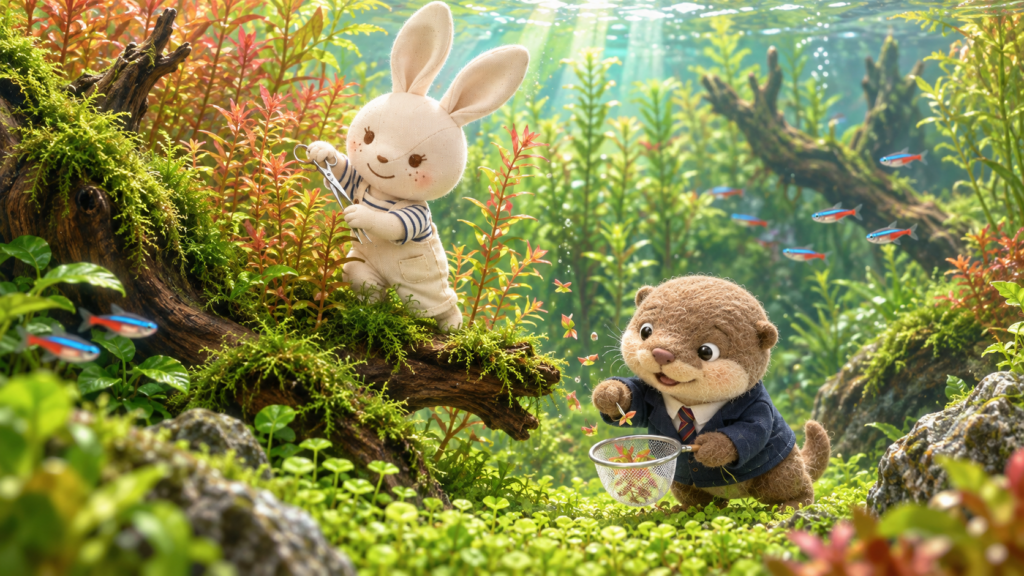 アイのアクアグッズ案内水草トリミングの道具とやり方|ハサミ・ピンセットを水草に合わせて選ぼう伸びすぎた水草は切っていい? 有茎草の差し戻し、前景草の絨毯、流木のモスを整える場面から、水草用ハサミ・ピンセット・ゴミ取りネットの選び方と片付けを紹介します。記事はコチラ →
 アイのアクアグッズ案内海水魚の底砂の選び方|サンゴ砂・ライブサンドとおすすめ商品道具の特徴や使い方、選ぶときのポイントをアイが紹介します。記事はコチラ →
さまざまな飼育テーマをご紹介。リンク先の記事には広告・商品紹介が含まれます。
案内・紹介記事一覧へ →分布マップ
オニダルマオコゼ(Synanceia verrucosa)は、紅海・東アフリカからインド洋、西部・中部太平洋に広く分布します。日本では南西諸島などの暖かい海域に生息し、浅いサンゴ礁や岩礁、その周辺の砂礫底、潮だまりなどで見られます。
地図は分布地域の位置関係を示す概略表示です。表示範囲全体に生息することを意味するものではなく、正確な分布境界や生息密度は示していません。マーカーは沖縄周辺に置いた代表地点で、実際の採集地点や個体の確認位置ではありません。Google Earthのリンクも同じ代表地点を中心に開きます。
参考文献
-
海洋研究開発機構(JAMSTEC)・BISMaL
Synanceia オニダルマオコゼ属
分類・属の和名。 -
Bray, D. J.(2020)/Museums Victoria・Fishes of Australia
Reef Stonefish, Synanceia verrucosa
分類、分布、生息環境、形態、食性、毒棘。 -
Lennox-Bulow, D. ほか/Queensland Museum(2024年オンライン公開)
Diel activity patterns and habitat preferences of stonefish (Synanceia spp.) in captivity
飼育下での活動と生息場所の選好。Memoirs of the Queensland Museum – Nature, 65: 1–7。 -
バルセロナ水族館(L’Aquàrium de Barcelona)
Stonefish — Synanceia verrucosa
食性と卵生の繁殖形態。 -
フロリダ大学・UF/IFAS Extension
Fish Health Management Considerations in Recirculating Aquaculture Systems—Part 3: General Recommendations and Problem-Solving Approaches
循環式飼育設備における水質管理、ろ過、給餌、疾病予防の一般原則。 -
Yanong, R. P. E./フロリダ大学・UF/IFAS Extension
Cryptocaryon irritans Infections (Marine White Spot Disease) in Fish
海水魚の白点病、症状、診断、隔離と予防。 -
Australian and New Zealand Committee on Resuscitation(ANZCOR)
Guideline 9.4.5 — First Aid Management of Marine Envenomation
毒魚による刺傷時の救急対応と温浴による疼痛緩和。 -
沖縄県警察
オニダルマオコゼ
毒棘による事故の注意点と40~45℃程度の温浴。 -
皮膚構造・表皮脱落に関する研究論文(1973)
Observations on skin structure and sloughing in the stone fish Synanceja verrucosa and related fish species as a functional adaptation to their mode of life
皮膚の構造と表皮が剥がれ落ちる現象。 -
Bioscience, Biotechnology, and Biochemistry(2025)
Brominated bitter compounds from the skin tubercle gland of the stonefish Synanceia verrucosa
皮膚腺分泌物から単離されたシナンスインA~Cの構造と苦味。 -
Kawabe, R. ほか(2026)
Synanceins D and E from the ichthyocrinotoxin of the stonefish Synanceia verrucosa and antileishmanial activities of synanceins
シナンスインD・Eと、A~Eの寄生原虫に対する増殖阻害試験。Bioscience, Biotechnology, and Biochemistry, 90(2): 173–180。 -
Queensland Museum(2025)
The palatability of stonefish (Synanceia spp.) ichthyocrinotoxins to potential predators
皮膚分泌物が捕食者の摂餌に与える影響の実験的検討。
コメント