

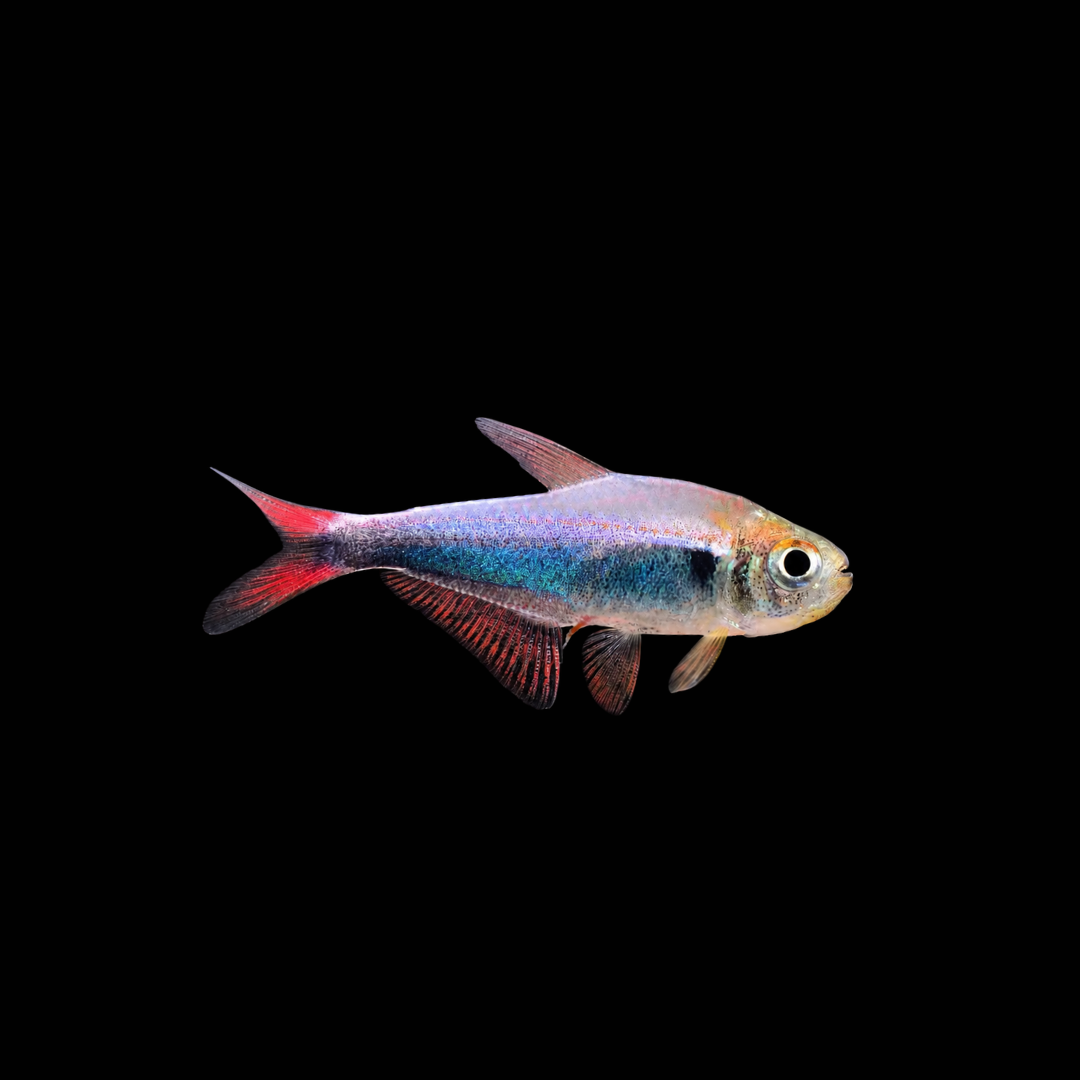
解説 / Description
ファラガテトラは、ペルーのリオ・ナナイ水系から記載された小型のテトラで、青く光る体側と赤く染まるヒレの対比が大きな魅力です。かつては観賞魚市場で学名未定の Hyphessobrycon sp. として扱われていましたが、現在は Hyphessobrycon margitae Zarske, 2016 という学名で整理できます。国内では「ファラガテトラ」や「パープルブルーファラガテトラ」といった流通名で親しまれますが、「ホタルファラガ」や「アズール」系の名称は、品種名として固定されたものではなく、近縁または類似した Hyphessobrycon sp. を含む流通上の呼び分けとして慎重に扱うのが安全です。 The Faraga tetra is a small tetra described from the rio Nanay drainage in Peru, admired for the contrast between its blue reflective body stripe and reddish fins. It was once traded as an unidentified Hyphessobrycon sp., but it can now be treated as Hyphessobrycon margitae Zarske, 2016. In Japan it is commonly sold under trade names such as Faraga Tetra and Purple Blue Faraga Tetra. Names such as Hotaru Faraga and Azul types should be handled carefully, as they are trade labels that may include related or similar Hyphessobrycon sp. rather than fixed cultivar names of this species.
基本情報 / Basic Information
| 学名 / Scientific Name | Hyphessobrycon margitae Zarske, 2016 |
|---|---|
| 通称 / Common Name | ファラガテトラ、パープルブルーファラガテトラ。これらは国内流通名であり、学術上の品種名ではありません。ホタルファラガなどは Hyphessobrycon sp. として扱われる例もあり、本種の確立された品種名とは限りません。Faraga Tetra, Purple Blue Faraga Tetra. These are Japanese trade names, not scientific cultivar names. Names such as Hotaru Faraga are sometimes treated as Hyphessobrycon sp., so they should not be stated as confirmed cultivars of this species. |
| 分類 / Family | カラシン目、オオエソ科 Acestrorhamphidae、ヒフェソブリコン亜科 Hyphessobryconinae、ヒフェソブリコン属。2016年の原記載では Characidae として扱われたため、古い資料や観賞魚店ではカラシン科表記が残ることがあります。Order Characiformes, family Acestrorhamphidae, subfamily Hyphessobryconinae, genus Hyphessobrycon. The original 2016 description used Characidae, so older literature and aquarium-trade materials may still use the characid family name. |
| 英名 / English Name | Red-Blue Peru Tetra, Red Blue Peru Tetra |
| 分布 / Distribution | 南米ペルー。学術上のタイプ産地はロレト州のリオ・ナナイ水系です。観賞魚流通ではペルー産として入荷し、インボイスや店舗表示に他の河川名が添えられる場合がありますが、学術的に確認されているタイプ産地はリオ・ナナイ水系です。South America: Peru. The scientific type locality is the rio Nanay drainage in Loreto. In the aquarium trade, imported fish may be labelled with other Peruvian river names, but the rio Nanay drainage is the safest distributional basis for this species. |
| 最大体長 / Max Size | 標準体長で約4cm、全長ではおおむね4〜5cmほど。About 4 cm standard length, usually around 4 to 5 cm in total length. |
| 寿命 / Lifespan | 飼育下ではおおむね3〜5年程度が目安です。導入時の状態、水温、水質の安定度によって差が出ます。Usually about 3 to 5 years in aquariums, depending on the condition of the fish at introduction and the stability of temperature and water quality. |
飼育環境 / Aquarium Environment
| 水槽サイズ / Tank Size | 群れで泳がせる魚なので、基本は60cm規格水槽、約57〜60L以上がおすすめです。少数なら45cm規格水槽でも維持できますが、発色や行動を楽しむなら6〜10匹以上をゆったり泳がせられる水量が向きます。Because this is a shoaling tetra, a standard 60 cm aquarium of roughly 57 to 60 liters or larger is recommended. A small group can be maintained in a 45 cm tank, but a roomier setup for 6 to 10 or more individuals brings out better coloration and behavior. |
|---|---|
| 水温 / Temperature | 22〜26℃を目安にします。短時間ならやや高めの水温にも耐えますが、28℃を超える状態が長く続くと体力を消耗しやすいため、夏場は冷却ファンなどで管理すると安心です。 Aim for 22 to 26°C. The fish can tolerate slightly higher temperatures for short periods, but long exposure above 28°C may be stressful, so cooling support is helpful in summer. |
| 水質 / Water Quality | 弱酸性〜中性、軟水寄りの水を好みます。目安はpH5.5〜7.0前後、GHは低めから中程度です。水道水だけでpHが高めに出る地域では、流木、マジックリーフ、ピート系ろ材、RO水の併用などで急変させずに調整します。Slightly acidic to neutral, soft to moderately soft water is preferred. A practical target is around pH 5.5 to 7.0 with low to moderate GH. If local tap water is alkaline, driftwood, Indian almond leaves, peat-based media, or partial use of RO water can help, but changes should be gradual. |
| レイアウト / Layout | 暗めの底床、流木、落ち葉、水草を組み合わせ、明るすぎない陰影のあるレイアウトにすると青い体色が見えやすくなります。中層を泳ぐため、前面や中央には遊泳スペースを残し、背面や側面に隠れ場所を作ると落ち着きます。A darker substrate, driftwood, leaf litter, and plants help the blue sheen stand out. Keep some open midwater swimming space while providing cover toward the back and sides of the tank. |
| 注意点 / Precautions | 導入直後は色が薄く見えることがありますが、暗めの環境、安定した水質、落ち着いた混泳相手によって発色しやすくなります。ワイルド個体は輸送疲れを残していることがあるため、水合わせを丁寧に行い、最初の数日は過度な照明や強い水流を避けます。Newly introduced fish may look pale at first. Darker surroundings, stable water, and calm tank mates help coloration develop. Wild-collected fish may arrive stressed from transport, so acclimate carefully and avoid intense lighting or strong current during the first few days. |
餌と給餌 / Feeding
| 餌の種類 / Diet | 人工飼料に餌付きやすく、細かなフレーク、顆粒、マイクロペレットを主食にできます。色揚げやコンディション維持には、冷凍アカムシ、冷凍ミジンコ、ブラインシュリンプなどを補助的に与えるとよいでしょう。It usually accepts prepared foods readily, including fine flakes, granules, and micro pellets. Frozen bloodworms, frozen daphnia, and brine shrimp are useful supplements for conditioning and color maintenance. |
|---|---|
| 給餌のポイント / Feeding Tips | 1日1〜2回、数分で食べ切れる量を与えます。小型魚なので一度に多く与えるより、細かい餌を少量ずつ行き渡らせる方が安定します。残餌は水質悪化につながるため、底に溜まる前に量を調整します。Feed once or twice a day, only as much as they can finish within a few minutes. Small, frequent portions are better than large meals. Reduce the amount if uneaten food starts to collect on the bottom. |
性格と混泳 / Temperament and Tank Mates
| 性格 / Temperament | 基本的には温和で、群れで泳ぐ中層性の小型カラシンです。オス同士がヒレを広げて見せ合うディスプレイを行うことがありますが、十分な水量と隠れ場所があれば深刻な争いには発展しにくい魚です。Generally peaceful, shoaling, and midwater-oriented. Males may display to each other by spreading their fins, but serious aggression is unlikely when space and cover are adequate. |
|---|---|
| 混泳の相性 / Compatibility | 同程度のサイズの温和なテトラ、ラスボラ、小型コリドラス、小型ロリカリア、アピストグラマなどと相性がよいです。口に入るサイズの魚を捕食する大型魚、気の荒いシクリッド、ヒレをつつく魚との混泳は避けます。Good tank mates include peaceful tetras, rasboras, small Corydoras, small loricariids, and dwarf cichlids. Avoid larger predatory fish, aggressive cichlids, and fin-nipping species. |
病気と対策 / Diseases and Prevention
| かかりやすい病気 / Common Diseases | 本種だけに特有の病気が知られているわけではありません。水温変化や輸送ストレスが重なると、白点病、尾ぐされ、肌荒れ、水カビなど一般的な小型熱帯魚のトラブルが出ることがあります。No disease is known to be unique to this species. Like many small tropical fish, it may develop ich, fin rot, skin irritation, or fungal problems when stressed by transport, temperature swings, or poor water quality. |
|---|---|
| 対策と予防 / Prevention | 導入時の水合わせ、検疫、急なpH変化を避けることが大切です。水換えは少量を定期的に行い、硝酸塩を溜めすぎないようにします。薬浴が必要な場合は、小型カラシンに負担が出ないよう規定量を守り、酸欠を避けるためにエアレーションを強めます。Careful acclimation, quarantine, and avoidance of sudden pH changes are important. Perform regular partial water changes to prevent nitrate buildup. If medication is needed, follow the label dose carefully and increase aeration to avoid oxygen stress. |
増やし方(繁殖) / Breeding
| 雌雄の判別 / Sexing | 成熟したオスは体がやや細身で、ヒレの赤みが強く出やすい傾向があります。メスは腹部に丸みが出やすく、発色はオスより控えめな個体が多く見られます。ただし、若魚や入荷直後の個体では判別が難しいことがあります。Mature males tend to be slimmer and show stronger red coloration in the fins. Females are often rounder in the belly and more subdued in color. Juveniles and newly imported fish can be difficult to sex reliably. |
|---|---|
| 繁殖形態 / Reproduction | 卵生で、親魚が卵を守らないばら撒き型の産卵を行います。親が卵を食べることがあるため、繁殖を狙う場合は親魚と卵を分ける工夫が必要です。It is an egg-laying scatterer that does not guard its eggs. Adults may eat eggs, so planned breeding requires a way to separate the eggs from the parents. |
| 繁殖のポイント / Breeding Tips | 小型水槽にウィローモスや産卵モップを入れ、弱酸性寄りの清浄な軟水でペアまたは少数グループを入れます。産卵後は親魚を戻し、卵と稚魚を暗めで静かな環境に置きます。孵化後に泳ぎ出した稚魚には、インフゾリア、微細な稚魚用フード、成長後にブラインシュリンプ幼生を与えます。Use a small spawning tank with Java moss or spawning mops and clean, soft, slightly acidic water. Introduce a pair or small group, then remove the adults after spawning. Keep eggs and fry in a quiet, dim environment. Once fry become free-swimming, start with infusoria or very fine fry food, then move on to newly hatched brine shrimp as they grow. |
雑学と豆知識 / Trivia and Fun Facts
| 1. 学名と流通名を分けて見る / 1. Scientific Name and Trade Names | Hyphessobrycon margitae という学名は、2016年に記載された種名です。一方で「ファラガテトラ」という名前は、日本の観賞魚市場で定着した流通名です。学名は魚類学上の同定に関わる名前で、流通名はショップや輸入ルートで使われる呼び名です。この2つを分けて理解しておくと、似た名前のテトラを見たときにも混乱しにくくなります。Hyphessobrycon margitae is the scientific name described in 2016, while Faraga Tetra is a Japanese aquarium-trade name. The scientific name is used for taxonomic identification, whereas trade names are used by importers and shops. Keeping these two layers separate helps avoid confusion when similar-looking tetras appear under related names. |
|---|---|
| 2. 「ファラガ」は川の名前ではなく、流通史の名残として扱う / 2. Faraga as a Trace of Trade History | 国内資料では「ファラガ」という名が、ペルーの河川名の読み違いに由来すると説明されることがあります。ただし、学術的なタイプ産地として確認できるのはリオ・ナナイ水系です。「ファラガ」は、採集地が確定した地名というより、日本の観賞魚流通の中で親しまれてきた呼び名です。Japanese aquarium sources often explain the name Faraga as a trade-name remnant caused by a misreading of a Peruvian river name. However, the confirmed scientific type locality is the rio Nanay drainage. Faraga is a name preserved in Japanese aquarium trade history, rather than a confirmed collection locality. |
| 3. ホタルファラガやアズール系は品種名ではない / 3. Hotaru and Azul Names Are Not Cultivar Names | ホタルファラガ、アズールホタルファラガ、アズールレッドラインなどの名は、ショップや輸入便で使われる魅力的な流通名です。しかし、これらを Hyphessobrycon margitae の確定した品種や亜種として記すと、学術的には踏み込みすぎになります。近縁または外見の似た Hyphessobrycon sp. を指す場合もあるため、名前が似ていても同じ魚とは限りません。Names such as Hotaru Faraga, Azul Hotaru Faraga, and Azul Red Line are attractive trade labels used by shops and import shipments. Stating them as confirmed cultivars or subspecies of Hyphessobrycon margitae would go beyond the available taxonomic evidence. They may refer to related or similar Hyphessobrycon sp. forms, so similar trade names do not necessarily identify the same fish. |
| 4. 青色は環境づくりで見え方が変わる / 4. The Blue Color Changes with the Aquarium | ファラガテトラの青い輝きは、明るい底砂や強すぎる照明では白っぽく見えやすく、暗めの底床や流木の影の中では深く見えます。これは魚そのものの色が急に変わるというより、鱗の反射、照明角度、背景色、魚の緊張度が重なって印象を変えるためです。落ち着いた水槽で群れを泳がせると、青と赤のコントラストが少しずつ本来の美しさに近づきます。The blue sheen can look washed out over bright sand or under overly intense lighting, but deeper and richer over a dark substrate and among driftwood shadows. This is not simply a sudden change in body color; it reflects the interaction of scale reflection, light angle, background color, and stress level. In a calm, well-planted aquarium, the blue and red contrast gradually becomes more vivid. |
まとめ / Conclusion
ファラガテトラは、派手さだけでなく、名前の由来や分類の変化、流通名の重なりまで含めて楽しめる奥行きのある小型カラシンです。学名は Hyphessobrycon margitae Zarske, 2016 として確認し、ホタルファラガやアズール系の名は品種名ではなく流通上の関連名として扱うと、より正確に魅力を伝えられます。 The Faraga tetra is a small characin with depth beyond its vivid appearance, including its naming history, taxonomic updates, and overlapping trade names. Treating the scientific name as Hyphessobrycon margitae Zarske, 2016 while handling Hotaru and Azul names as related trade labels rather than cultivar names allows its appeal to be presented more accurately.
暗めの底床、落ち着いた照明、清浄で軟水寄りの水、そして安心できる群れがそろうと、青い体側と赤いヒレは水槽の中で静かに存在感を増していきます。小さな体にペルー産テトラらしい繊細な色彩を宿す本種は、日々の観察を重ねるほど味わいが深まる魚です。 With a dark substrate, gentle lighting, clean soft-leaning water, and the security of a group, the blue body stripe and red fins gain a quiet presence in the aquarium. This small Peruvian tetra rewards careful observation, revealing more of its delicate beauty over time.

気になる道具や飼い方を見つけてみませんか?
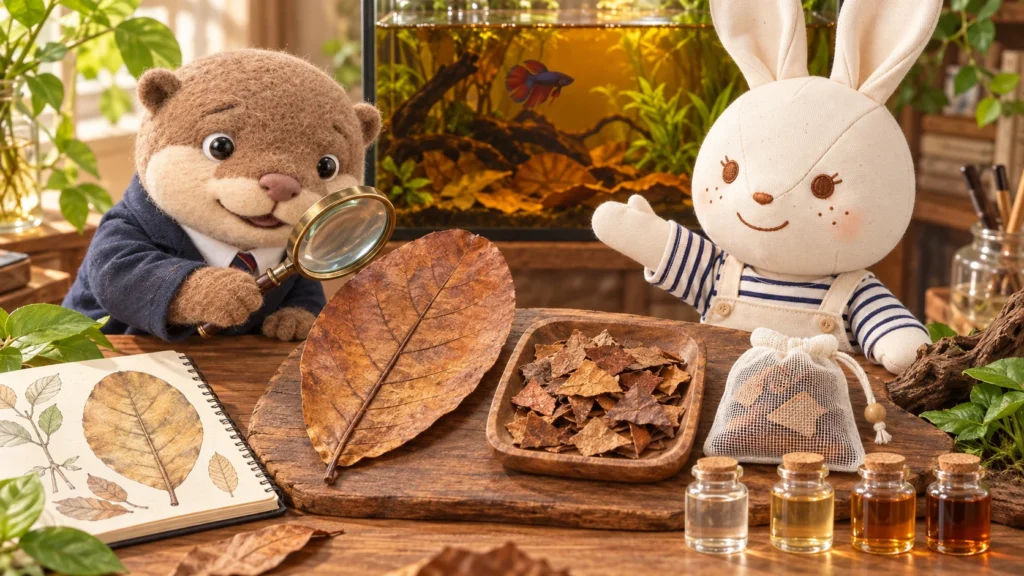 アイのアクアグッズ案内マジックリーフ物語|一枚の葉がアクアリウム用品になるまで道具の特徴や使い方、選ぶときのポイントをアイが紹介します。記事はコチラ →
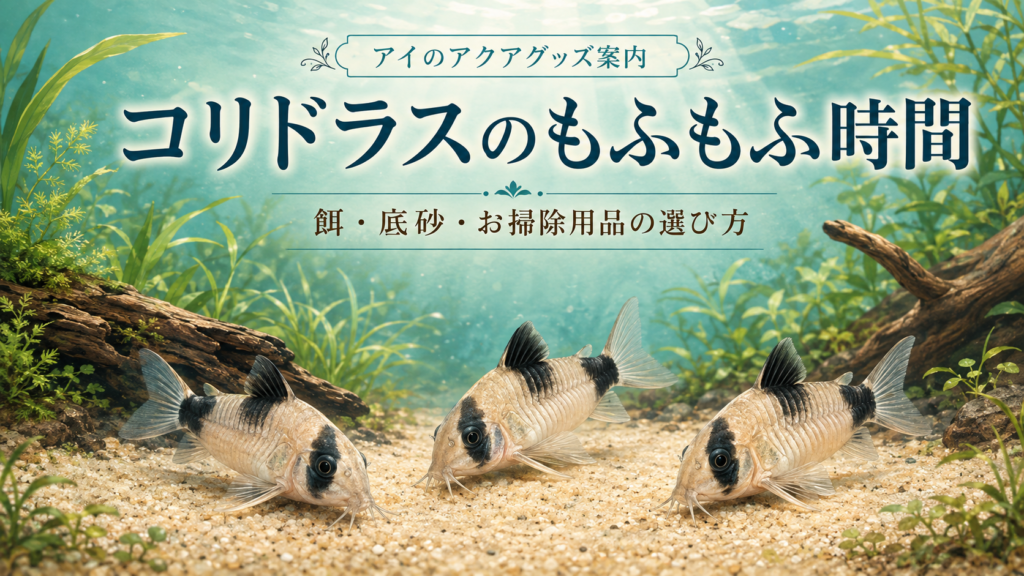 アイのアクアグッズ案内コリドラスのもふもふ時間を楽しむ|餌・底砂・お掃除用品の選び方コリドラスのもふもふする食事風景を楽しむために。沈む餌2種類の違い、口元に配慮した底砂、食べ残しを回収する道具を、アクアグッズナビゲーターのアイが紹介します。記事はコチラ →
 アイのアクアグッズ案内バルブの仲間に合わせる飼育用品|チェリーバルブ・スマトラ・中型種の水槽とろ過道具の特徴や使い方、選ぶときのポイントをアイが紹介します。記事はコチラ →
 アイのアクアグッズ案内水換え・底砂掃除の道具の選び方|砂利・砂・ソイルに合うクリーナーとポンプ道具の特徴や使い方、選ぶときのポイントをアイが紹介します。記事はコチラ →
さまざまな飼育テーマをご紹介。リンク先の記事には広告・商品紹介が含まれます。
案内・紹介記事一覧へ →分布マップ
ファラガテトラの分布として示される南米ペルー、ロレト州のリオ・ナナイ水系をもとに、分布イメージ用の概略代表地点を表示しています。
この地図は分布欄の内容から作成した概略プロットです。表示地点は分布イメージ用の代表地点であり、実際の採集地点や厳密な生息範囲を示すものではありません。
参考文献・根拠資料
分類、分布、生息環境、飼育条件、繁殖、病気と注意点を支えるために、原記載論文、国際的な魚類データベース、査読付きレビュー、獣医学系マニュアルを中心に選定しています。店舗、通販、個人ブログ、趣味系まとめサイトは除外しています。
-
Zarske, A. (2016). Hyphessobrycon margitae spec. nov. – ein neuer Salmler aus dem Einzugsgebiet des río Nanay in Peru (Teleostei: Characiformes: Characidae). Vertebrate Zoology, 66(2), 105–115.
根拠として使った内容:学名、原記載年、タイプ産地、形態的識別点、近縁種との比較、体色の特徴。 https://vertebrate-zoology.arphahub.com/article/31536/ -
Fricke, R., Eschmeyer, W. N. & Van der Laan, R. (eds.). Eschmeyer’s Catalog of Fishes. Hyphessobrycon margitae Zarske, 2016.
根拠として使った内容:有効名としての扱い、現在の科・亜科、分布、淡水魚であること、原記載情報の確認。 https://researcharchive.calacademy.org/research/ichthyology/catalog/fishcatget.asp?spid=74522 -
Froese, R. & Pauly, D. (eds.). FishBase. Hyphessobrycon margitae Zarske, 2016.
根拠として使った内容:分類、分布、最大体長、淡水・中層性の環境情報、近縁種との差異、ヒトへの危険性がないこと。 https://www.fishbase.se/summary/Hyphessobrycon-margitae.html -
Morris, C., et al. (2021). The physiology of fish in acidic waters rich in dissolved organic carbon, with specific reference to the Amazon basin: Ionoregulation, acid-base regulation, ammonia excretion, and metal toxicity. Journal of Experimental Zoology Part A: Ecological and Integrative Physiology, 335, 843–863.
根拠として使った内容:アマゾンのブラックウォーターが酸性、低イオン、溶存有機炭素に富む環境であること。記事中の弱酸性・軟水寄りの環境説明を補強する背景資料。 https://onlinelibrary.wiley.com/doi/10.1002/jez.2468 -
MSD Veterinary Manual. Breeding and Reproduction of Fish.
根拠として使った内容:繁殖には栄養状態や水質などの環境条件が関わること、卵をばらまく産卵型、産卵床・水温・pH・餌などの繁殖条件の考え方。 https://www.msdvetmanual.com/all-other-pets/fish/breeding-and-reproduction-of-fish -
Merck Veterinary Manual. Management of Aquarium Fish.
根拠として使った内容:観賞魚管理における水質、検疫、バイオセキュリティ、薬剤使用時の注意、温度が魚の生理や免疫に影響すること。 https://www.merckvetmanual.com/exotic-and-laboratory-animals/aquarium-fish/management-of-aquarium-fish -
Merck Veterinary Manual. Environmental Diseases of Aquatic Animals in Aquatic Systems.
根拠として使った内容:水質悪化が環境性疾患の主要因であること、アンモニア、亜硝酸、硝酸塩、溶存酸素、pH、温度変化が魚の健康に与える影響。 https://www.merckvetmanual.com/exotic-and-laboratory-animals/aquatic-systems/environmental-diseases-of-aquatic-animals-in-aquatic-systems -
MSD Veterinary Manual. Parasitic Diseases of Fish.
根拠として使った内容:白点病の原因、症状、感染拡大、治療時に水温や薬剤間隔を考慮する必要があること。記事中の病気・薬浴・導入時の注意点を補強する資料。 https://www.msdvetmanual.com/exotic-and-laboratory-animals/aquarium-fish/parasitic-diseases-of-fish
補足:ホタルファラガ、アズール系などの流通名は、信頼性の高い非商業資料で学術的な品種名として確認できるものではないため、参考文献ではなく本文中の注意書きとして扱っています。




コメント