
解説 / Description
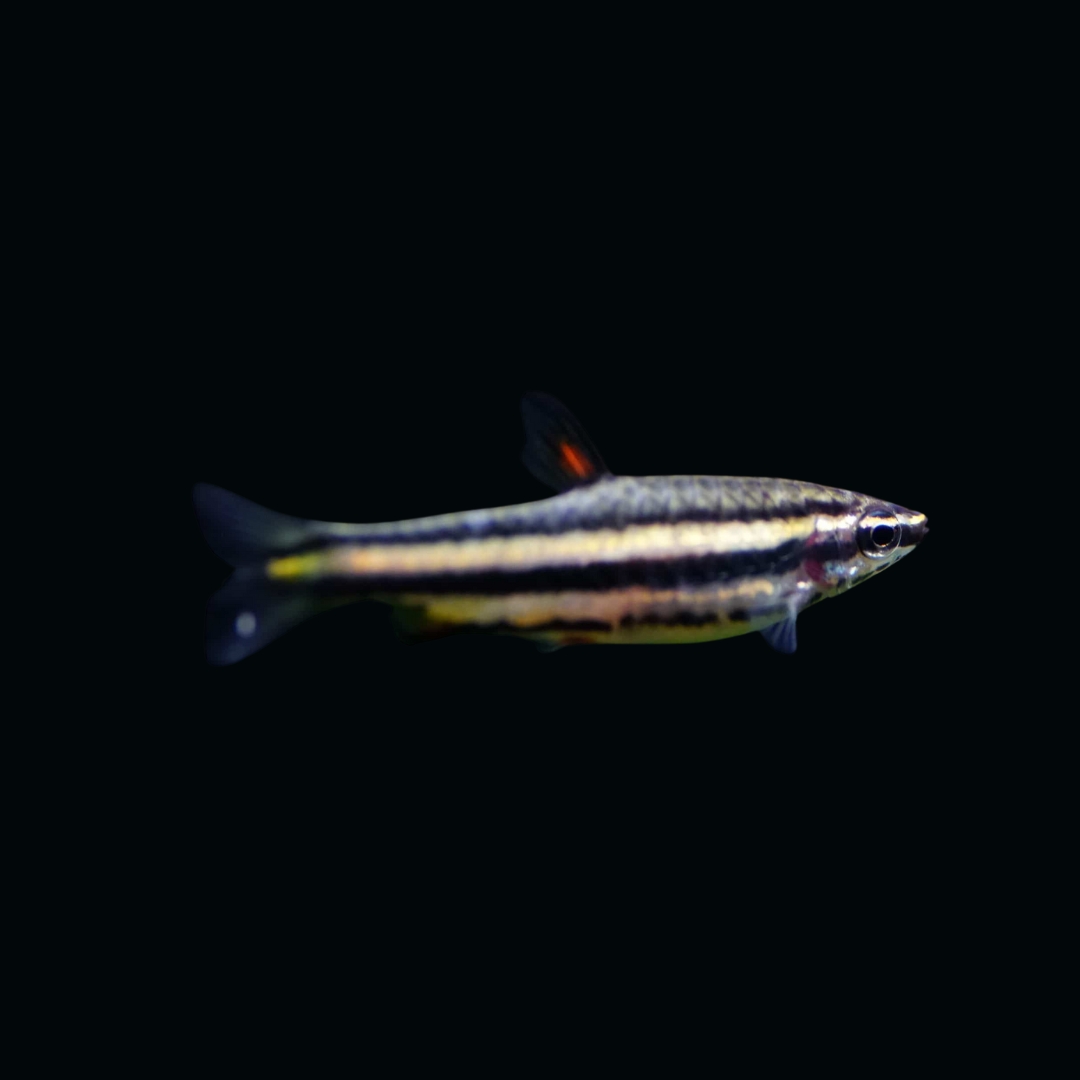
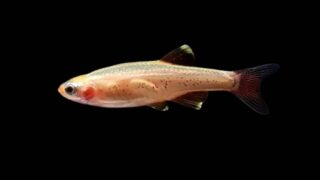
マジナータスペンシルは、南米原産の小型ペンシルフィッシュの仲間です。金色から銀色を帯びた体に3本の黒い縦帯が入り、控えめながらも整った美しさを見せてくれます。体は小さく、性格も比較的おとなしいため、水草水槽や小型魚中心の混泳水槽に取り入れやすい魚です。 The dwarf pencilfish is a small South American pencilfish with a refined appearance. Its golden to silvery body is marked by three dark horizontal stripes, giving it a subtle but elegant look. Its small size and generally peaceful temperament make it well suited to planted aquariums and community tanks with other small fish.
本種は「ドワーフペンシルフィッシュ」とも呼ばれ、日本では「マジペン」の愛称でも親しまれています。ナノストムス属らしい小さな口で水草や流木の表面をついばむ姿が可愛らしく、環境が合うと赤みや金属感のある発色も引き立ちます。弱酸性から中性寄りの軟水、穏やかな水流、浮き草や水草の陰を用意すると、落ち着いた群れの姿を楽しみやすい魚です。 It is also known as the dwarf pencilfish, and in Japan it is often affectionately called “Maji-pen.” Like many members of the genus Nannostomus, it has a tiny mouth and often pecks at surfaces such as plants and driftwood. In suitable conditions, its red and metallic tones become more noticeable. Soft, slightly acidic to neutral water, gentle flow, and shaded areas created by floating plants or dense planting help bring out its natural behavior.
基本情報 / Basic Information
| 学名 / Scientific Name | Nannostomus marginatus Eigenmann, 1909 |
|---|---|
| 通称 / Common Name | マジナータスペンシル、ドワーフペンシルフィッシュ、マジペンDwarf pencilfish |
| 分類 / Family | カラシン目 レビアシナ科 ナノストムス属Order Characiformes, family Lebiasinidae, genus Nannostomus |
| 英名 / English Name | Dwarf Pencilfish |
| 分布 / Distribution | 南米北部からアマゾン川流域にかけて広く分布します。ガイアナ、スリナム、ブラジル、ペルー、コロンビアなどの記録が知られ、現地では流れの緩やかな小河川、湿地、落ち葉や水草の多い水域に生息するとされています。It is widely distributed across northern South America and parts of the Amazon basin, with records from Guyana, Suriname, Brazil, Peru, Colombia, and nearby regions. In nature, it is associated with slow-moving streams, swampy habitats, and waters rich in leaf litter, roots, and aquatic vegetation. |
| 最大体長 / Max Size | 約3〜3.5cmAbout 3–3.5 cm |
| 寿命 / Lifespan | 一般的には約2〜5年ほどです。環境が安定し、弱酸性から中性寄りの軟水で丁寧に飼育できれば、より長く楽しめることもあります。Typically about 2–5 years. With stable conditions and careful care in soft, slightly acidic to neutral water, individuals may live longer. |
飼育環境 / Aquarium Environment
| 水槽サイズ / Tank Size | 小型魚ですが、群れで落ち着かせることを考えると45cm水槽以上が扱いやすく、10匹前後以上で飼うなら60cm規格水槽、約50〜60L前後を目安にすると安定します。単独や少数よりも、ある程度まとまった数で泳がせることで本来の魅力が出やすくなります。Although small, it does best with space for a group. A tank of 45 cm or larger is manageable, while a standard 60 cm tank of about 50–60 L is a good guideline for a group of around ten or more. It shows its natural appeal better in groups than as a single fish or very small number. |
|---|---|
| 水温 / Temperature | 24〜27℃前後が飼育しやすい範囲です。許容範囲としては22〜30℃ほどまで対応することがありますが、長期飼育では25〜26℃前後に安定させると調子を保ちやすくなります。 A range of about 24–27°C is suitable. It may tolerate roughly 22–30°C, but for long-term care, keeping the tank stable around 25–26°C is recommended. |
| 水質 / Water Quality | 弱酸性から中性付近の軟水を好みます。目安はpH5.8〜7.0前後、硬度は低めから中程度までです。日本の水道水は地域差があるものの比較的軟水寄りのことが多く、本種に合わせやすい傾向があります。硬度を強く上げる石材や、極端なアルカリ性環境は避けた方が無難です。It prefers soft water from slightly acidic to near neutral, roughly pH 5.8–7.0, with low to moderate hardness. Japanese tap water is often relatively soft depending on the region, which can make this species easier to keep. Avoid hardening stones and strongly alkaline conditions. |
| レイアウト / Layout | 暗色系の底床、流木、水草、浮き草を組み合わせた落ち着いたレイアウトがよく合います。強い光だけの開けた水槽では警戒して発色が薄く見えることがあるため、水草の茂みや浮き草の根、流木の陰など、魚が隠れられる場所を作ることが大切です。A calm layout with dark substrate, driftwood, aquatic plants, and floating plants suits this species well. In very open tanks under strong light, it may become nervous and appear paler, so shaded areas and hiding places among plants, floating roots, and driftwood are important. |
| 注意点 / Precautions | 強い水流は苦手です。外部式フィルターを使う場合はシャワーパイプや向きの調整で水流を弱め、スポンジフィルターなど穏やかなろ過も選択肢になります。また、口が非常に小さいため、餌の粒の大きさには注意が必要です。導入直後は痩せやすいため、食べられているかをよく観察してください。Strong current should be avoided. If using an external filter, reduce the flow with a spray bar or careful outlet positioning; gentle filtration such as a sponge filter is also suitable. Because the mouth is very small, food size matters. Newly introduced individuals can lose condition if they are not feeding well, so observe them closely. |
餌と給餌 / Feeding
| 餌の種類 / Diet | 細かい人工飼料、顆粒フード、フレークを細かく砕いたもの、冷凍コペポーダ、ミジンコ、アルテミア幼生などを与えます。野生下では微小な甲殻類や昆虫の幼虫などを食べる小型の微小肉食魚に近い性質を持ちますが、水槽内では水草や流木表面のバイオフィルム、微細な藻類をついばむ様子も見られます。Offer fine prepared foods, small granules, crushed flakes, frozen copepods, daphnia, and newly hatched brine shrimp. In nature it behaves largely as a small micropredator feeding on tiny crustaceans and insect larvae, but in aquariums it may also peck at biofilm and fine algae on plant and wood surfaces. |
|---|---|
| 給餌のポイント / Feeding Tips | 一度に多く与えるより、細かい餌を少量ずつ行き渡らせる方法が向いています。活発な魚と混泳している場合は餌を取られやすいため、水面だけでなく水流に乗せて中層にも餌が届くようにすると安心です。痩せやすい個体には、冷凍の微小餌やアルテミア幼生を補助的に使うと立て直しやすくなります。Small, frequent feedings work better than large meals. In community tanks with faster fish, make sure food reaches the midwater rather than staying only at the surface. For thin individuals, frozen microfoods or newly hatched brine shrimp can help restore condition. |
性格と混泳 / Temperament and Tank Mates
| 性格 / Temperament | 温和で臆病な傾向のある小型魚です。単独や少数では隠れがちになることがあるため、できれば6匹以上、可能であれば10匹前後以上の群れで飼育すると落ち着きやすくなります。群れの中では小競り合いのような追いかけ合いを見せることがありますが、深刻な攻撃につながることは多くありません。It is a peaceful and somewhat shy small fish. Single individuals or very small groups may hide, so keeping at least six, and preferably around ten or more, helps them feel secure. Minor chasing may occur within the group, but serious aggression is uncommon. |
|---|---|
| 混泳の相性 / Compatibility | 小型テトラ、小型ラスボラ、コリドラス、小型のオトシンクルス、温和なドワーフシクリッドなどとの相性がよい魚です。大きな魚、気性の荒い魚、素早く餌を独占する魚との混泳は避けた方が無難です。エビの稚エビは食べられる可能性がありますが、成体の小型エビとは環境次第で混泳されることもあります。Suitable tank mates include small tetras, small rasboras, Corydoras, small Otocinclus, and peaceful dwarf cichlids. Avoid large, aggressive, or very fast-feeding species that may intimidate or outcompete it. Tiny shrimp fry may be eaten, though adult dwarf shrimp are sometimes kept with it depending on the setup. |
病気と対策 / Diseases and Prevention
| かかりやすい病気 / Common Diseases | 白点病、尾ぐされ、エロモナス症状、痩せ、導入時のスレや水質変化による不調に注意します。特別に病弱な魚ではありませんが、小型で体力の余裕が少ないため、不適切な水質や強い水流、餌不足が続くと一気に状態を崩すことがあります。Watch for ich, fin rot, Aeromonas-related symptoms, emaciation, transport damage, and stress from sudden water changes. It is not especially fragile, but because it is small, prolonged poor water quality, strong current, or insufficient feeding can quickly weaken it. |
|---|---|
| 対策と予防 / Prevention | 急な水質変化を避け、弱酸性から中性付近の安定した軟水を保つことが基本です。導入時は水合わせを丁寧に行い、痩せている個体には細かい餌を確実に食べさせます。定期的な少量換水、過密飼育の回避、フィルターの目詰まり防止、強すぎない水流管理が予防につながります。The key is stable soft water from slightly acidic to near neutral, with no sudden changes. Acclimate new fish carefully and ensure thin individuals receive suitably fine foods. Regular small water changes, avoiding overcrowding, maintaining filtration, and keeping flow gentle all help prevent problems. |
増やし方(繁殖) / Breeding
| 雌雄の判別 / Sexing | 成熟したメスは腹部に丸みが出て、抱卵時にはふっくらと見えます。オスは比較的細身で、背鰭や腹鰭などの赤みが強く出やすい傾向があります。臀鰭の形状や縁取りにも差が出るとされますが、若魚やコンディションの低い個体では判別が難しいことがあります。Mature females develop a rounder belly, especially when carrying eggs. Males are usually slimmer and may show stronger red coloration on the dorsal and pelvic fins. Differences in anal fin shape and edging are sometimes noted, but sexing can be difficult in young or poorly conditioned fish. |
|---|---|
| 繁殖形態 / Reproduction | 水草や産卵モップの中に卵をばらまく散卵型です。親魚は卵を食べる性質が強いため、通常の混泳水槽で稚魚を多く残すことは難しいです。繁殖を狙う場合は、専用の繁殖水槽を用意し、産卵後に親魚を取り出す方法が基本になります。It is an egg-scattering species that deposits eggs among plants or spawning mops. Adults readily eat eggs, so raising fry in a normal community aquarium is difficult. For planned breeding, use a dedicated breeding tank and remove the adults after spawning. |
| 繁殖のポイント / Breeding Tips | 繁殖水槽は暗めにし、pH5.5〜6.5前後、硬度の低い軟水、水温25〜27℃前後を目安にします。ウィローモスや産卵モップを入れ、親魚には事前にアルテミア幼生や冷凍の微小餌を与えてコンディションを整えます。卵はおよそ1〜2日で孵化し、仔魚は数日後に泳ぎ出しますが、初期の口が非常に小さいため、最初からアルテミア幼生だけでは食べられない場合があります。自由遊泳直後はインフゾリア、ゾウリムシ、ワムシなどの微小な初期餌料を用意し、成長に合わせてアルテミア幼生へ移行することが成功の鍵です。Set up a dim breeding tank with very soft water, around pH 5.5–6.5, and a temperature of 25–27°C. Add fine plants such as Java moss or spawning mops, and condition the adults with newly hatched brine shrimp and frozen microfoods beforehand. Eggs usually hatch in about 1–2 days, and fry become free-swimming a few days later. Because the fry have extremely small mouths, newly hatched brine shrimp may be too large at first. Infusoria, paramecia, rotifers, or other tiny first foods should be prepared, with brine shrimp introduced once the fry are large enough. |
雑学と豆知識 / Trivia and Fun Facts
| 1. 小さな口を意味する属名 / 1. A genus name referring to a tiny mouth | 属名のNannostomusは、「小さい」を意味する語と「口」を意味する語を組み合わせた名前とされます。実際にマジナータスペンシルの口はとても小さく、餌を豪快に食べるというより、水面や水中を漂う微細な餌、あるいは水草や流木表面の生物膜を丁寧についばむように食べます。この小さな口は、繁殖時にも重要な意味を持ちます。稚魚の口も極めて小さいため、一般的なブラインシュリンプの幼生ですら初期には大きすぎることがあり、インフゾリアやワムシのようなさらに小さな初期餌料が必要になるのです。The genus name Nannostomus is generally interpreted as a reference to a “small mouth.” This is easy to understand when watching the dwarf pencilfish feed. Rather than taking large bites, it delicately picks at tiny drifting foods or biofilm on plants and wood. This tiny mouth also matters during breeding. The newly free-swimming fry are so small that even newly hatched brine shrimp may be too large at first, making infusoria, rotifers, or similarly tiny first foods essential. |
|---|---|
| 2. 種小名marginatusと3本ライン / 2. The species name marginatus and its three stripes | 種小名のmarginatusは「縁取られた」「明確な縁を持つ」といった意味に由来するとされ、本種の体側を走る黒い帯を連想させる名前です。マジナータスペンシルの魅力は派手な一色の発色ではなく、金色や銀色の地色に黒いラインがきれいに整理されて入る、端正なデザインにあります。地域によって赤みや黄色みの出方が異なるとされ、南米の広い分布域の中で、同じ種の中にも水系ごとの表情がある点が愛好家の関心を集めています。The species name marginatus is associated with the idea of being “bordered” or “clearly edged,” which fits the dark stripes along the body. The appeal of this fish is not a single flashy color, but a neat, refined pattern of dark bands over a golden or silvery base. Color details such as red or yellow tones may vary by locality, and this regional variation across its broad South American range is one reason it interests dedicated aquarists. |
| 3. 夜になると模様が変わるナイトペイント / 3. Nighttime pattern changes known as night paint | ナノストムス属の魚では、昼と夜で体の模様が変わる現象が知られています。日中は3本の縦帯がはっきり見えますが、暗くなるとそのラインが薄れ、かわりにぼんやりした横帯状の模様が浮かぶことがあります。これは単なる気分の変化ではなく、体内時計や光環境に関係した生理的な反応と考えられています。水槽で夜間にそっと観察すると、昼間とは違う姿に気づくことがあり、小さな魚の中に野生のリズムがそのまま残っていることを感じさせてくれます。Members of Nannostomus are known for changing their body pattern between day and night. During the day, the three horizontal stripes are clear, but in darkness they may fade and be replaced by softer vertical or saddle-like markings. This is thought to be a physiological response linked to light and internal rhythms rather than a simple change of mood. Observing them quietly at night can reveal a very different appearance, reminding us that even small aquarium fish carry wild daily rhythms within them. |
| 4. ドワーフと呼ばれるが最小種ではない / 4. Called dwarf, but not the smallest | 本種はドワーフペンシルフィッシュと呼ばれますが、ナノストムス属の中で最小の種というわけではありません。さらに小型の種類も知られており、マジナータスペンシルの「ドワーフ」という呼称は、かつて流通していた他のペンシルフィッシュと比べて小柄に見えたことに由来する、観賞魚名としての歴史的な呼び方と考えると自然です。名前だけを見ると極小魚のように感じられますが、実際には3cm前後の扱いやすい小型魚として、水草水槽の中でほどよい存在感を持ちます。Although widely called the dwarf pencilfish, it is not the smallest species in the genus. Some Nannostomus species are even smaller. The name “dwarf” is best understood as a historical aquarium name, likely reflecting how small it appeared compared with other pencilfish that were familiar to aquarists at the time. In practice, it is a manageable small fish of around 3 cm that still has a noticeable presence in planted aquariums. |
| 5. コケ取り魚としての現実的な見方 / 5. A realistic view of its algae-eating role | マジナータスペンシルは、日本の水草水槽でアオミドロなどの細い藻類をついばむ魚として紹介されることがあります。ただし、ヤマトヌマエビのように目に見えて大量のコケを処理する生き物ではなく、あくまで発生初期の微細な藻類やバイオフィルムをついばむ補助的な存在と考えるとよいでしょう。水質管理、照明時間、栄養バランスを整えたうえで、本種の小さな口が細かい部分をつついてくれる。その控えめな働き方こそが、レイアウト水槽で重宝される理由です。In Japanese planted aquariums, this species is sometimes valued for pecking at fine algae such as hair algae. However, it should not be expected to remove large amounts of algae like Amano shrimp. It is better viewed as a supporting fish that grazes on very fine early-stage algae and biofilm. When water quality, lighting, and nutrient balance are already well managed, its tiny mouth can help pick at delicate surfaces, and this subtle role is part of why aquascapers appreciate it. |
まとめ / Conclusion
マジナータスペンシルは、3本の黒いラインと小さな体が魅力の、温和で飼いやすい小型ペンシルフィッシュです。弱酸性から中性寄りの軟水、穏やかな水流、水草や浮き草のある落ち着いた環境を整えることで、群れで泳ぐ自然な姿と繊細な発色を楽しむことができます。 The dwarf pencilfish is a peaceful and manageable small pencilfish known for its three dark stripes and compact body. In soft, slightly acidic to neutral water with gentle flow and a calm layout of plants and floating cover, it displays natural schooling behavior and delicate coloration.
繁殖はやや難しく、特に孵化直後の稚魚に合う微小な初期餌料を用意できるかが大きなポイントになります。一方で、通常飼育では水草水槽との相性がよく、微細な藻類をついばむ実用面も期待できます。派手さだけでなく、昼夜で変わる体色や地域変異といった奥深さまで楽しめる、長く付き合うほど魅力が増す魚です。 Breeding is somewhat challenging, especially because the tiny fry require very small first foods immediately after becoming free-swimming. For everyday care, however, it is an excellent match for planted aquariums and may also help graze on fine algae. Beyond its quiet beauty, its day-night color changes and regional variation give it a depth that becomes more rewarding the longer you keep it.
気になる道具や飼い方を見つけてみませんか?
 アイのアクアグッズ案内エーハイムはおもちゃから始まった? 小さな噴水から水槽へ、アイとコタロウの探訪道具の特徴や使い方、選ぶときのポイントをアイが紹介します。記事はコチラ →
 アイのアクアグッズ案内プレコ飼育に必要なもの|餌・流木・ろ過・隠れ家・掃除用品道具の特徴や使い方、選ぶときのポイントをアイが紹介します。記事はコチラ →
さまざまな飼育テーマをご紹介。リンク先の記事には広告・商品紹介が含まれます。
案内・紹介記事一覧へ →参考文献
本記事では、分類・分布・形態・飼育環境に関する情報を整理するにあたり、以下の文献およびデータベースを参考にしました。販売店・通販サイトなどの店舗系ページは参考文献から除外しています。
- Eigenmann, C. H. (1909). Reports on the expedition to British Guiana of the Indiana University and the Carnegie Museum, 1908. Report no. 1. Some new genera and species of fishes from British Guiana. Annals of the Carnegie Museum, 6(1), 4-54.
- Weitzman, S. H. (1966). Review of South American characid fishes of subtribe Nannostomina. Proceedings of the United States National Museum, 119(3538), 1-56.
- Weitzman, M. J., & Weitzman, S. H. (2003). Family Lebiasinidae. In R. E. Reis, S. O. Kullander, & C. J. Ferraris, Jr. (Eds.), Checklist of the Freshwater Fishes of South and Central America (pp. 241-251). EDIPUCRS.
- Fricke, R., Eschmeyer, W. N., & van der Laan, R. (Eds.). Eschmeyer’s Catalog of Fishes. California Academy of Sciences. https://researcharchive.calacademy.org/research/ichthyology/catalog/fishcatmain.asp
- Froese, R., & Pauly, D. (Eds.). FishBase: Nannostomus marginatus Eigenmann, 1909. https://www.fishbase.se/summary/11919
- GBIF Secretariat. GBIF Backbone Taxonomy: Nannostomus marginatus Eigenmann, 1909. https://www.gbif.org/species/2355640
- Seriously Fish. Nannostomus marginatus — Dwarf Pencilfish. https://www.seriouslyfish.com/species/nannostomus-marginatus/
- Fishipedia. Nannostomus marginatus fish sheet. https://www.fishi-pedia.com/fishes/nannostomus-marginatus

コメント