
解説 / Description
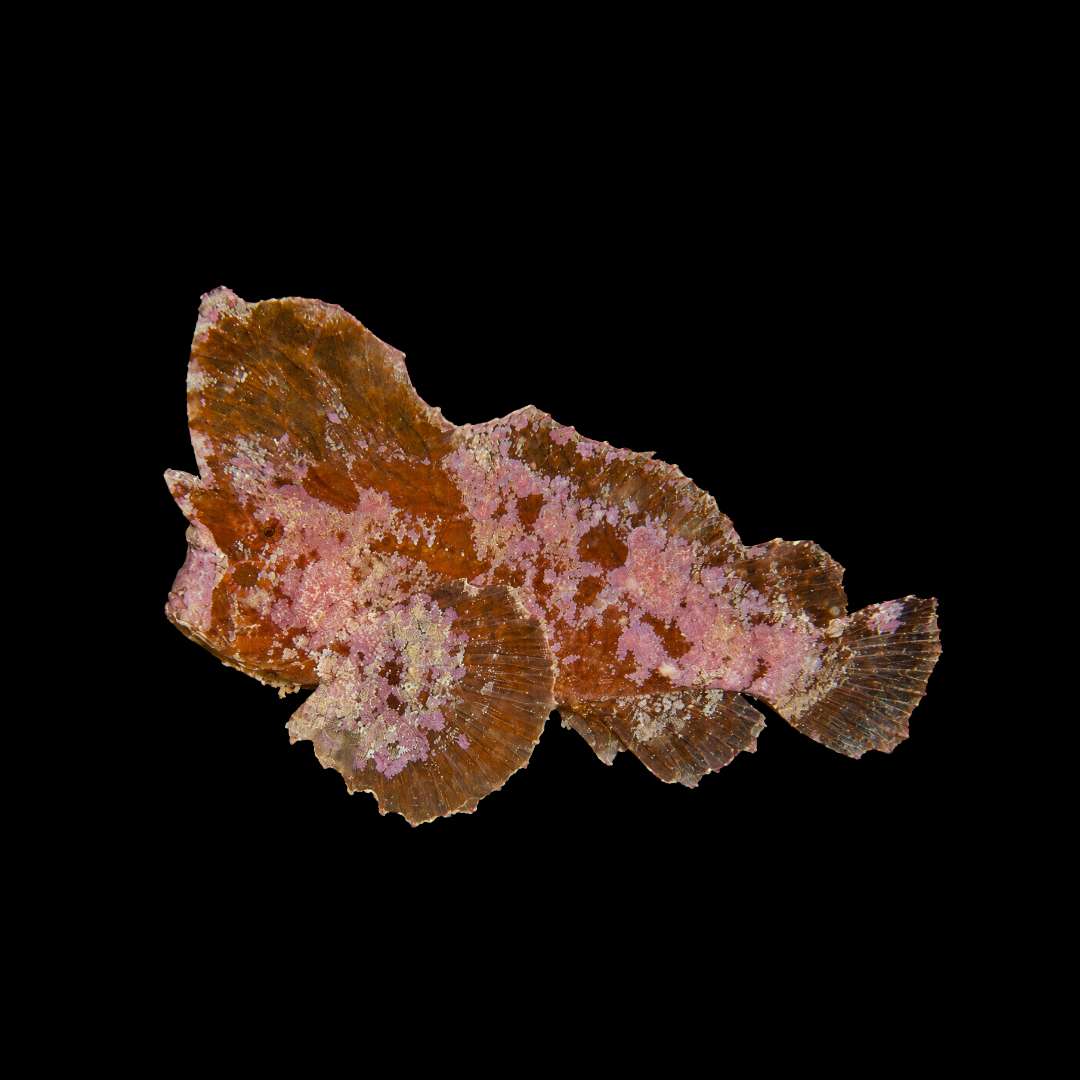
ツマジロオコゼは、薄く平たい体と高く立ち上がる背鰭をもち、枯葉や海藻片に紛れるように暮らす小型の海水魚です。茶褐色や黄褐色、赤褐色など個体ごとに異なる色合いを見せ、体をゆっくり揺らす姿には、泳ぎ回る魚とは違った趣があります。自然下では小型の甲殻類などを待ち伏せて捕らえる肉食魚で、水槽でも落ち着ける場所と、その個体に合った給餌が大切です。冷凍餌や人工餌を食べる個体もいますが、餌付けには個体差があり、背鰭などの毒棘への配慮も欠かせません。静かな専用環境を整え、一匹ずつの様子を丁寧に見守れる中~上級者向けの魚です。 The cockatoo waspfish is a small marine fish with a strongly flattened body and a tall dorsal fin, allowing it to blend into fallen leaves and fragments of seaweed. Individuals vary in color from brown and yellowish brown to reddish brown, and their gentle rocking movements offer a very different appeal from constantly swimming aquarium fishes. In nature, this ambush predator captures small crustaceans and other suitable prey. In an aquarium, sheltered resting places and an individual feeding routine are essential. Some specimens accept frozen or prepared foods, but feeding responses vary, and their venomous fin spines require careful handling precautions. This species is best suited to intermediate or experienced aquarists who can provide a quiet, dedicated environment and closely monitor each fish.
基本情報 / Basic Information
| 学名 / Scientific Name | Ablabys taenianotus (Cuvier, 1829) |
|---|---|
| 通称 / Common Name | ツマジロオコゼCockatoo waspfish |
| 分類 / Family | ハオコゼ科 Tetrarogidae、ツマジロオコゼ属 Ablabys。分類体系によっては、ハオコゼ科を独立した科とせず、Synanceiidae 内のハオコゼ亜科 Tetraroginae として扱います。Family Tetrarogidae; genus Ablabys. Some classification systems treat this group as the subfamily Tetraroginae within Synanceiidae rather than recognizing it as a separate family. |
| 英名 / English Name | Cockatoo waspfish |
| 分布 / Distribution | インド・西太平洋。日本では南西諸島、鹿児島県沿岸、紀伊半島などから知られ、伊豆諸島の三宅島にも記録があります。砂や礫に海藻が混じる場所など、身を隠せる構造のある海底で見られます。Indo-West Pacific. Japanese records include the Ryukyu Islands, coastal Kagoshima, the Kii Peninsula, and Miyake-jima in the Izu Islands. It occurs on sheltered, structurally varied bottoms, including sand and rubble mixed with seaweed. |
| 最大体長 / Max Size | 全長約15cm。全長は吻の先から尾鰭の先までを含む長さです。Approximately 15 cm in total length, measured from the tip of the snout to the end of the caudal fin. |
| 寿命 / Lifespan | 不明です。自然下・飼育下ともに、本種の寿命を判断できる信頼性の高い年齢データが十分ではありません。Unknown. Reliable species-specific age data are insufficient to establish a dependable lifespan in either the wild or captivity. |
飼育環境 / Aquarium Environment
| 水槽サイズ / Tank Size | 単独飼育でも90cm規格水槽以上を目安に、底面積と作業空間を広く確保します。90cm規格水槽の例である幅90×奥行45×高さ45cmは、寸法から求めた総容量が約182Lです。底砂や岩、水面の余裕を考慮し、実水量150L以上、できれば200L程度以上を確保できる設計が望まれます。実水量200L以上を目指す場合は、120cm規格水槽の一例である幅120×奥行45×高さ45cm、総容量約243Lなど、さらに余裕のあるサイズを検討してください。これらは安全な作業と安定した飼育を重視した目安で、本種の最低必要容量が実験で確定したものではありません。Even for a single fish, use a tank at least in the Japanese 90 cm standard-size class, prioritizing bottom area and safe maintenance access. A 90 × 45 × 45 cm tank has a calculated gross volume of approximately 182 L. After allowing for substrate, rocks, and space above the waterline, aim for at least 150 L of actual water, preferably around 200 L or more. To achieve more than 200 L of actual water, consider a larger aquarium, such as a Japanese 120 cm standard tank measuring 120 × 45 × 45 cm, with a calculated gross volume of approximately 243 L. These are conservative husbandry guidelines rather than experimentally established minimum requirements for this species. |
|---|---|
| 水温 / Temperature | 24~26℃を飼育上の目安とし、急激な変動を避けます。自然下では水温25℃での産卵が観察されていますが、それだけで耐えられる水温の上限・下限が分かるわけではありません。 Use 24–26°C as a practical husbandry range and avoid abrupt changes. Spawning has been observed in the wild at 25°C, but that observation does not establish the species’ upper or lower temperature tolerance. |
| 水質 / Water Quality | 海水で飼育します。比重1.023~1.026程度、pH8.0~8.4程度を目安に、数値の安定を優先してください。アンモニアと亜硝酸は検出されない状態を維持し、硝酸塩は20mg/L未満を管理上の目安にします。これらは熱帯性海水魚の飼育を踏まえた実務的な設定であり、本種固有の耐性限界を示す数値ではありません。十分にろ過が立ち上がった水槽を使い、食べ残しを回収して水質悪化を防ぎます。Maintain this species in seawater. Practical targets are a specific gravity of approximately 1.023–1.026 and a pH of approximately 8.0–8.4, with stability taking priority. Ammonia and nitrite should remain undetectable, and nitrate below 20 mg/L is a useful management target. These are practical settings based on tropical marine aquarium husbandry, not demonstrated tolerance limits for this species. Use a fully cycled aquarium and remove uneaten food to prevent deterioration in water quality. |
| レイアウト / Layout | 細かな砂を敷いた場所と、小礫や小さな岩を配置した場所を組み合わせます。安全に維持できる海藻や人工海藻、岩の陰などで身を隠せる場所をつくりつつ、目の前へ餌を届けられる開けた空間も残してください。水流は弱~中程度を目安に、魚が落ち着ける低流速の場所を必ず設けます。強い照明を一様に当てるより、明暗の差をつくる方が暮らしに合わせやすくなります。岩を安定させ、長い清掃用具で手入れできる通路を確保しておくことも大切です。Combine areas of fine sand with small stones and modest rock structures. Provide camouflage and shelter using suitable macroalgae, artificial seaweed, and shaded spaces, while retaining an open area where food can be presented directly to the fish. Use gentle to moderate circulation and always include a low-flow refuge. A mixture of illuminated and shaded areas is more appropriate than uniformly intense lighting. Secure the rocks and leave clear access routes for maintenance with long-handled tools. |
| 注意点 / Precautions | 背鰭などの棘による有毒魚の刺傷に注意が必要です。素手でつかまず、掃除やレイアウト変更の前には必ず魚の位置を確認します。移送には、棘が絡みやすい網で追い回すより、透明な硬質容器へ水ごと誘導する方法が適しています。死魚の回収時も同じように慎重に扱ってください。 長時間輸送された個体では、袋を開けたまま長時間水合わせを続けることが、かえってアンモニアの影響を強める場合があります。輸送水と隔離水槽の水温・比重を確認し、輸送状態に合った導入方法を選びます。 刺された場合は作業を中止して傷を洗い、医療機関へ相談してください。有毒魚の刺傷一般では、やけどをしない範囲の40~45℃程度の温湯で痛みを和らげる方法がありますが、治療の代わりにはなりません。強い痛み、広がる腫れ、棘が残った疑いがある場合は速やかに受診し、息苦しさなどの全身症状があれば119番通報を優先してください。Venomous fin spines present a puncture-injury risk. Never grasp the fish with bare hands, and locate it before cleaning or rearranging the aquarium. For transfers, gently guide it into a rigid transparent container with water rather than chasing it with a net that may catch its spines. Use the same precautions when removing a dead specimen. After prolonged transport, leaving a fish in an opened shipping bag during extended acclimation can sometimes increase its exposure to toxic ammonia. Check the temperature and specific gravity of both the shipping water and quarantine aquarium, and choose an acclimation method appropriate to the shipping conditions. If stung, stop working, wash the wound, and seek medical advice. For venomous fish injuries generally, immersion in comfortably hot water, approximately 40–45°C without causing burns, may relieve pain but does not replace medical treatment. Seek prompt care for severe pain, spreading swelling, or a suspected retained spine. If breathing difficulty or other systemic symptoms occur, call emergency services; in Japan, dial 119. |
餌と給餌 / Feeding
| 餌の種類 / Diet | 小型の甲殻類を中心とする肉食性で、口に入る小魚も捕食します。飼育では、安全に管理された活きた小エビ、解凍したイサザアミなどのアミ類、海産エビの小片などを利用します。慣れた個体には、イカや海産魚の身の小片、栄養バランスが調整された肉食魚用の人工餌も選択肢になります。乾燥クリルなど一種類の餌だけに偏らず、受け入れる餌を組み合わせてください。無管理の餌魚を継続的に与える方法は、病原体の持ち込みや栄養の偏りの面から優先しません。This carnivore primarily eats small crustaceans and may also consume fish small enough to swallow. Suitable aquarium foods include live shrimp from a controlled source, thawed mysid shrimp, and small pieces of marine shrimp. Once accepted, small pieces of squid or marine fish and nutritionally balanced prepared foods for carnivorous fish can also be used. Offer a varied diet rather than relying exclusively on a single food such as dried krill. Routine use of feeder fish from uncontrolled sources is not preferred because of pathogen-introduction risks and potential nutritional imbalance. |
|---|---|
| 給餌のポイント / Feeding Tips | 購入前に、実際に何を食べているか、数日間続けて摂餌できているかを確認しましょう。導入初期は人工餌への切り替えを急がず、まず食べ慣れた餌で体力を保ちます。長い給餌棒やピンセットを使い、口の少し前で小さな餌をゆっくり動かすと、待ち伏せ型の食べ方に合わせやすくなります。活餌しか食べない個体は摂餌を安定させてから、似た動きをつけた解凍餌へ段階的に移行します。 導入初期は1日1~2回の少量給餌、落ち着いてからは1日1回程度を出発点とし、腹部の張り、痩せ具合、食欲に応じて調整します。この回数は本種の栄養要求から確定したものではありません。薄暗い時間帯も試し、混泳魚に奪われず、本人が飲み込んだことまで確認してください。Before purchase, confirm exactly which foods the fish accepts and whether it has eaten consistently over several days. During initial acclimation, maintain its condition with familiar foods rather than rushing a transition to pellets. Use a long feeding stick or forceps to move a small food item gently just in front of its mouth, matching its ambush-feeding behavior. If it accepts only live prey, first establish reliable feeding, then gradually introduce thawed foods moved in a similar way. One or two small feeding opportunities daily during acclimation, followed by approximately one daily once settled, can serve as a starting routine. Adjust according to appetite, abdominal fullness, and body condition; this frequency is not based on an established nutritional requirement for the species. Try feeding under subdued lighting, and confirm that the waspfish itself swallows the food before tank mates can take it. |
性格と混泳 / Temperament and Tank Mates
| 性格 / Temperament | 普段は動きが控えめで、物陰や底付近に落ち着いている待ち伏せ型の捕食魚です。ただし、おとなしく見えることと、小さな生き物を食べないことは別です。野外では単独で採餌する様子や、個体ごとに分かれた行動範囲が観察されており、群れをつくらないと落ち着かない魚ではありません。薄暗い時間帯によく見られますが、日中の採餌も観察されているため、厳密な夜行性と決めつけずに個体の活動を見守ります。This is a quiet, relatively inactive ambush predator that commonly rests near the bottom or beside cover. However, a calm appearance does not mean it will leave small animals unharmed. Solitary feeding and largely separate individual home ranges have been observed in the wild, so it does not need a shoal to feel secure. Although often encountered under low-light conditions, daytime feeding has also been observed. Watch the individual’s activity rather than assuming that it is strictly nocturnal. |
|---|---|
| 混泳の相性 / Compatibility | 最も管理しやすいのは単独飼育です。混泳させる場合は、捕食されない大きさがあり、つついたり餌を横取りしたりしにくい温和な魚を慎重に選びます。小魚、観賞用のエビ、小型のカニは捕食対象になり得ます。給餌時に素早く餌を奪う魚、底生魚を執拗につつく魚、攻撃的な大型フグやモンガラカワハギ類は避けてください。 サンゴを積極的に食べる性質は知られていませんが、甲殻類を含む水槽全体に安全とはいえず、強く刺すサンゴやイソギンチャクとの接触にも注意します。同種同士も「2匹ならペアになる」とは限りません。複数飼育は、十分な底面積と退避場所、個別給餌、必要に応じた隔離が可能な場合に限って慎重に検討します。Keeping a single specimen is the easiest arrangement to manage. If tank mates are included, choose peaceful fish too large to be swallowed and unlikely to nip or monopolize food. Small fishes, ornamental shrimp, and small crabs may become prey. Avoid rapid, competitive feeders, persistent bottom-fish harassers, and large aggressive puffers or triggerfishes. The species is not known as an active coral eater, but it cannot be considered safe for every inhabitant of an aquarium containing crustaceans. Avoid contact with strongly stinging corals or anemones. Two waspfish will not necessarily form a compatible pair. Consider keeping more than one only when ample bottom space, separate refuges, individual feeding, and separation facilities are available. |
病気と対策 / Diseases and Prevention
| かかりやすい病気 / Common Diseases | 本種で特に多い病気や、その発症率は十分に分かっていません。海水魚一般で注意する病気として、海水白点病、ベルベット病、ハダムシなどの外部寄生虫、傷や寄生虫被害に続く細菌感染が挙げられます。白い点、皮膚や眼の異常、体をこする動作、速い呼吸、食欲低下などを観察してください。もともと動きが少ない魚なので、動かないことだけで体調を判断しないようにします。感染症だけでなく、餌付けの不調による慢性的な痩せも重要な問題です。Species-specific disease frequencies and particular susceptibilities are not well established. Conditions to consider, as with other marine fishes, include marine white spot disease, velvet disease, external flukes, and secondary bacterial infections following injury or parasite damage. Watch for white spots, abnormal skin or eyes, rubbing, rapid breathing, and reduced appetite. Because the species is naturally inactive, lack of movement alone is not a reliable indicator of health. Chronic weight loss caused by unsuccessful feeding is also a significant concern. |
|---|---|
| 対策と予防 / Prevention | 新しい個体は、本水槽と水を共有しない隔離水槽で、少なくとも30日を一つの目安に観察します。日数を満たしたことだけで判断せず、呼吸、皮膚、眼、摂餌、体型が安定していることを確認してください。ホースやバケツなども専用にし、隔離水槽には取り外して洗浄できる隠れ場所を用意します。 日々の残餌回収と水質確認、十分な給餌、混泳ストレスの軽減が基本です。呼吸の急な悪化や進行する皮膚症状が見られたら、魚を診療できる獣医師などへ早めに相談します。本種固有の薬剤安全濃度は十分に分かっていないため、「海水魚だから」という理由だけで銅薬浴や淡水浴を一律に行わず、原因と魚の状態に合わせて対処してください。Observe new fish in an independent quarantine aquarium that shares no water with the display tank, using at least 30 days as an initial guideline. Do not judge readiness by elapsed time alone; confirm stable breathing, skin, eyes, feeding, and body condition. Use dedicated hoses and buckets, and provide removable shelter that can be cleaned. Regular removal of leftover food, water-quality monitoring, adequate nutrition, and reduced social stress are fundamental. Seek advice promptly from a veterinarian experienced with fish if breathing deteriorates suddenly or skin lesions progress. Safe medication concentrations are not well established specifically for this species. Do not automatically apply copper treatment or freshwater baths simply because it is a marine fish; treatment should reflect the suspected cause and the individual’s condition. |
増やし方(繁殖) / Breeding
| 雌雄の判別 / Sexing | 外見だけで確実に判別するのは難しい魚です。三宅島で調べられた少数の成魚では、雌が全長13.5~14.1cm、雄が8.6~10.1cmで、雌の方が大きい傾向がありました。また、雌では体側に上下2群の白斑が見られ、雄では上側の斑が弱いか、見られない傾向が報告されています。ただし、これらは限られた個体の観察結果であり、体長や白斑だけで市販個体の性別を断定することはできません。産卵状態の雌では、腹部の膨らみと体色の黒化も観察されています。Reliable sexing from appearance alone is difficult. In a small sample of adults studied at Miyake-jima, females measured 13.5–14.1 cm in total length and males 8.6–10.1 cm, with females tending to be larger. Females showed two vertically separated groups of white flank markings, while the upper markings tended to be weak or absent in males. These observations involved few individuals and should not be treated as a definitive method for sexing aquarium specimens. Abdominal swelling and darkening of the body were also observed in spawning females. |
|---|---|
| 繁殖形態 / Reproduction | 卵生で、雌雄が水中へ放卵・放精する体外受精です。自然下では日没後に求愛し、並んだ雌雄が底から約1m上昇して、小さな縦方向の輪を描くように動き、逆さになったところで放卵・放精する行動が観察されています。卵は直径約1.2mmの透明な球形で、わずかな浮力があり、小さな黄色い油球を1個含みます。This egg-laying species reproduces by external fertilization, releasing eggs and sperm into the water. Wild observations describe courtship after sunset, followed by the pair rising approximately 1 m above the bottom and making a small vertical loop. Eggs and sperm are released while the fish are inverted. The transparent, spherical eggs are approximately 1.2 mm in diameter, slightly buoyant, and contain a single small yellow oil globule. |
| 繁殖のポイント / Breeding Tips | 家庭水槽で再現性よく仔魚を育てるための手順は、十分に明らかになっていません。野外での産卵行動が分かっていることと、水槽内で次世代を育てられることは別です。雌雄の組み合わせに加え、夕刻の緩やかな減光や、上昇行動を妨げない空間が役立つ可能性はありますが、繁殖を誘発する条件として検証されたものではありません。 卵が得られても、孵化までの時間、仔魚の口の大きさに合う初期餌料、成長に伴う管理方法などには不明点が残ります。ワムシ類や小型カイアシ類なども研究上の検討候補であり、本種で確立した初期餌料とはいえません。繁殖を目的に無理な複数飼育をするより、まず成魚を安定して維持できる環境と給餌を整えることが大切です。A reproducible home-aquarium protocol for raising the larvae is not well established. Knowing how adults spawn in nature is different from being able to rear the next generation in captivity. In addition to a compatible male and female, gradual dimming toward evening and unobstructed space for the spawning ascent might help, but these have not been validated as spawning-induction conditions. Even if eggs are obtained, uncertainties remain about hatching time, appropriately sized first foods, and subsequent larval husbandry. Rotifers and small copepods are possible research candidates, not established first foods for this species. Rather than forcing multiple specimens together for breeding, first establish an environment and feeding routine that reliably maintain healthy adults. |
雑学と豆知識 / Trivia and Fun Facts
| 1. 枯葉に似せるのは、姿だけではない / 1. More Than a Leaf-Shaped Body | ツマジロオコゼを見つけるとき、手がかりになるはずの魚らしい動きが、かえって見当たりません。薄い体を傾けながらゆらゆらと動く姿は、水底にたまった海藻片や枯葉の動きに紛れてしまいます。三宅島で暮らしていた個体も、砂や小石だけでなく、海藻や流れ着いた葉が混じる、流れの穏やかな場所を利用していました。 興味深いのは、この揺れが水流に押されるだけの受け身の動きではないことです。水の動きがない水槽でも、ストレスを受けた個体が波に揺られるような運動を始めた例が観察されています。姿と動きを組み合わせた擬態には、自ら体を動かす仕組みも関わっているのです。ただし、揺れを見たいからと刺激を与える必要はありません。隠れ場所を整え、魚が自分のペースで見せる動きを静かに眺める方が、その暮らしをよく知ることにつながります。When looking for a cockatoo waspfish, the movements normally used to recognize a fish may be unexpectedly absent. Its thin body tilts and rocks in ways that blend into seaweed fragments and fallen leaves on the bottom. Individuals at Miyake-jima occupied calm areas where sand and small stones were mixed with algae and accumulated leaves. Intriguingly, this rocking is not entirely a passive response to moving water. Stressed individuals were observed making wave-like movements even in aquariums without water movement. Their camouflage therefore combines body shape with actively controlled behavior. There is no need to disturb a fish to make it perform this movement. Providing suitable cover and watching its spontaneous behavior is a better way to understand its life. |
|---|---|
| 2. 「ツマジロ」の名をつくる白い縁 / 2. The Pale Edge Behind the Japanese Name | 名前の「ツマジロ」は、吻から背鰭の前縁へ続く白い帯に由来するとされています。横から見ると、枯葉の輪郭をなぞるように明るい線が入り、地味に思える魚にも繊細な色の対比があることに気づかされます。ただし、すべての個体で白い帯がくっきり見えるわけではありません。帯の目立たない個体もおり、体全体の色合いにも茶褐色、黄褐色、赤褐色などの幅があります。 そのため、白い部分の有無だけで種類や性別を決めることはできません。また、産卵状態の雌が褐色から黒っぽい色へ変化した例もあり、色は単なる個体差だけでなく、状態によっても見え方が変わります。一度の写真だけで判断するより、落ち着いたときの姿や日々の変化を見ていくことで、一匹ごとの特徴が少しずつ分かってきます。The Japanese name “Tsumajiro” is associated with the pale band extending from the snout along the front edge of the dorsal fin. Seen from the side, this light line can trace the outline of the leaf-like body, revealing a subtle contrast in an otherwise inconspicuous fish. However, the band is not equally distinct in every individual, and overall coloration ranges through brown, yellowish brown, and reddish brown. The presence or absence of a conspicuous white area alone is therefore insufficient to determine species or sex. Spawning females have also been observed changing from brown to a much darker color, showing that appearance can reflect condition as well as individual variation. Watching a settled fish over time reveals more than judging it from a single photograph. |
| 3. 学名に残る、分類の歩み / 3. A Scientific Name with a History | ツマジロオコゼは1829年、キュヴィエによって Apistus taenianotus という名前で記載されました。その後、1873年にカウプが設けた Ablabys 属に位置づけられ、現在使われる Ablabys taenianotus という組み合わせになりました。同じ魚であっても、近縁関係の理解が進むにつれて、属の所属が見直されることがあります。 科の扱いにも似た事情があります。日本でなじみのあるハオコゼ科 Tetrarogidae を独立した科として認める体系がある一方、同じまとまりを Synanceiidae 内のハオコゼ亜科 Tetraroginae とする体系もあります。異なる科名を見かけても、それだけで別の魚を指しているわけではありません。学名と分類階級を合わせて見ると、名前の違いの背後にある整理の仕方が理解しやすくなります。The species was described by Cuvier in 1829 as Apistus taenianotus. It was subsequently placed in Ablabys, a genus established by Kaup in 1873, producing the combination Ablabys taenianotus used today. A fish can retain its identity as a species while its genus changes as relationships are reconsidered. A similar distinction applies at the family level. Some systems recognize Tetrarogidae, familiar in Japanese fish classification, as an independent family. Others treat the same group as the subfamily Tetraroginae within Synanceiidae. Encountering a different family name does not automatically mean that a different fish is involved. Looking at both the scientific name and the taxonomic rank helps explain the difference. |
| 4. よく似た仲間を見分ける、小さな孔 / 4. Tiny Pores That Distinguish Similar Species | 枯葉に似た魚同士を見分ける作業では、色や雰囲気よりも、目立たない体のつくりが重要になることがあります。2018年に公表され、2019年に冊子掲載されたツマジロオコゼ属の分類研究では、Ablabys pauciporus と Ablabys gymnothorax の2種が新たに記載されました。 このうち A. pauciporus は、ツマジロオコゼと胸鰭や臀鰭の数えられる特徴が似ていますが、側線に並ぶ孔の数などが異なります。ツマジロオコゼでは20~25個であるのに対し、A. pauciporus では12~13個とされ、背鰭の膜の切れ込みも判断材料になります。こうした違いは、販売写真一枚では確認しにくいものです。産地の分からない個体や「Ablabys sp.」として入荷した魚を、印象だけでツマジロオコゼと断定しないことが、正確な理解につながります。Distinguishing leaf-like fishes can depend more on inconspicuous anatomy than on color or overall appearance. A taxonomic study released in 2018 and included in a 2019 print issue described two additional species of Ablabys: Ablabys pauciporus and Ablabys gymnothorax. Of these, A. pauciporus resembles the cockatoo waspfish in certain pectoral- and anal-fin counts, but differs in features such as the number of lateral-line pores. The reported count is 20–25 in A. taenianotus, compared with 12–13 in A. pauciporus; the shape of the notches in the dorsal-fin membrane also contributes to identification. Such details are difficult to assess from a single sales photograph. A fish of unknown origin, or one offered as Ablabys sp., should not be assigned confidently to this species on overall appearance alone. |
| 5. 三宅島で観察された、日没後の出会い / 5. An Encounter After Sunset at Miyake-jima | 南の海の魚という印象があっても、ツマジロオコゼの暮らしを詳しく伝える観察の舞台の一つは、伊豆諸島の三宅島です。1984年9月22日と23日、水深12m、水温25℃の場所で、それぞれ日没15分後と25分後に産卵が観察されました。普段は別々の範囲で餌を探していた雌雄が、夕刻になると出会い、雄が雌の周囲を回りながら胸鰭や背鰭で触れる行動を見せました。 雌には、その日の昼ごろから開けた場所に現れ、夕方へ向けて体色を暗くしていく変化も見られました。日中の居場所、体色、日没後の動きが、一連の繁殖行動としてつながっていたのです。一方、採取された卵から仔魚を育てる試みは、この観察では行われていません。成魚の行動がこれほど詳しく分かっていても、その先の小さな命をどう育てるかには、まだ解き明かす余地が残っています。Although often associated with southern seas, one of the most detailed accounts of this fish’s life comes from Miyake-jima in Japan’s Izu Islands. On September 22 and 23, 1984, spawning was observed at a depth of 12 m and a water temperature of 25°C, respectively 15 and 25 minutes after sunset. Fish that normally foraged in separate areas came together in the evening, with the male circling the female and touching her with his pectoral and dorsal fins. The female also became conspicuous in open areas around midday and darkened toward evening. Daytime position, changing coloration, and movements after sunset were connected parts of the reproductive sequence. However, no attempt was made in that study to rear larvae from the collected eggs. Even with such detailed knowledge of adult behavior, much remains to be learned about nurturing the next stage of life. |
| 6. 人工餌への一口が、飼育を変える / 6. How Accepting Prepared Food Can Change Aquarium Care | 待ち伏せ型の肉食魚というと、「生きた餌しか食べない」と思われがちです。しかし、ツマジロオコゼの食べ物への反応は一様ではありません。国内には活餌を食べる個体だけでなく、クリルを受け入れる個体や、肉食魚用の人工餌に餌付いた個体の販売例もあります。同じ種類の魚でも、それまでに経験した餌や、給餌のされ方によって飼育の出発点が異なります。 そこで大切なのが、「餌付け済み」という言葉だけでなく、何を、どのように、どのくらい継続して食べているかを見ることです。目の前に落ちた餌を自分で食べるのか、給餌棒で動かす必要があるのかでも、日々の世話は変わります。新しい餌を試す楽しみはありますが、食べ慣れた餌を急に断って無理に切り替える必要はありません。まず確実に食べられる方法を守り、その一匹に合わせて選択肢を少しずつ広げていくことが、落ち着いた飼育につながります。Ambush predators are often assumed to accept only living prey, but feeding responses in the cockatoo waspfish are not uniform. Japanese sales records include specimens taking live food, individuals accepting krill, and fish already trained to eat prepared diets for carnivorous fishes. Even within the same species, previous feeding experience can give each specimen a different starting point in captivity. The important question is therefore not simply whether a fish is described as “feeding,” but what it eats, how it is offered, and how consistently it has accepted it. A fish that takes food independently requires a different routine from one that needs movement from a feeding stick. Trying new foods can be rewarding, but there is no need to abruptly withdraw familiar food to force a transition. Preserve reliable feeding first, then gradually expand the individual’s options. |
| 7. 海から迎える一匹との付き合い方 / 7. Choosing and Caring for a Fish from the Sea | 日本で流通するツマジロオコゼには、フィリピン産と表示された個体も、国内近海産とされた個体もあります。流通例と繁殖技術の状況からは、野生採集に頼る部分が大きいと考えられますが、産地だけで採集の良し悪しや個体の状態を判断することはできません。採集方法について説明があるか、入荷後どのくらい落ち着いているか、痩せや病変がないか、餌を継続して食べているかという、一匹に結びついた情報が大切です。 また、日本にも自然分布する魚だからといって、飼育していた個体を海へ放してよいわけではありません。別の地域に由来する個体や、水槽内で接触した病原体を、地域の海へ持ち込むおそれがあります。迎える前に長く飼える環境を整え、飼育を続けられなくなった場合も放流せず、責任をもって飼える相手への引き継ぎを考えることが、この静かな魚と海の双方を大切にする姿勢です。Cockatoo waspfish offered in Japan include specimens labeled as originating in the Philippines and others described as locally collected. Available trade examples and the state of breeding knowledge suggest substantial reliance on wild collection, but origin alone does not establish collection quality or an individual’s health. More useful questions concern how the fish was collected, how long it has been settled after arrival, whether it has lesions or weight loss, and whether it feeds consistently. Natural occurrence in Japan does not make it appropriate to release an aquarium-kept specimen into the sea. A fish may originate from another regional population or carry pathogens encountered in captivity. Preparing for long-term care before purchase, and arranging a responsible transfer rather than release if circumstances change, respects both the fish and the marine environment. |
まとめ / Conclusion
ツマジロオコゼの魅力は、水槽をにぎやかに泳ぎ回ることではなく、風景に溶け込む姿と、その静けさの中に見える小さな動きにあります。枯葉のように揺れ、近づいた餌へ一瞬だけ反応する様子を眺めていると、控えめな姿の奥に、待ち伏せ捕食魚としての暮らしが感じられます。落ち着ける底面環境と確実な給餌を用意することが、その魚らしい振る舞いを支えます。 The appeal of the cockatoo waspfish lies not in lively swimming displays, but in its ability to disappear into the scenery and reveal subtle movements within that stillness. Watching it sway like a leaf and react briefly to approaching food offers a glimpse into the life of an ambush predator. A sheltered bottom environment and dependable feeding support these characteristic behaviors.
迎えるときは、体調が安定し、食べている餌が分かる個体を選び、90cm級以上を目安にした余裕のある水槽、独立した隔離環境、毒棘に触れずに手入れできる道具を整えておきましょう。混泳のにぎやかさよりも、一匹が安心して食べ、休めることを優先する。その丁寧な付き合いの中で、目立たなかった魚が、水槽を眺めるたびに探したくなる存在になっていきます。 Choose a healthy, settled specimen with a known feeding history, and prepare a spacious aquarium in at least the 90 cm class, an independent quarantine system, and tools that allow maintenance without contact with its venomous spines. Give priority to a fish that can eat and rest securely rather than to a busy community display. Through that attentive care, an initially inconspicuous animal can become the one you look for each time you approach the aquarium.
気になる道具や飼い方を見つけてみませんか?
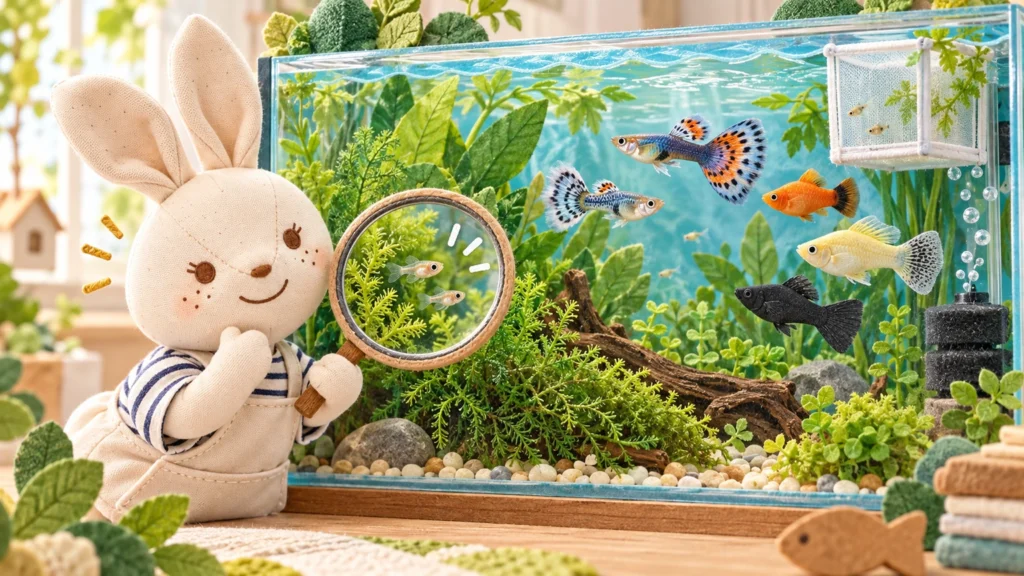 アイのアクアグッズ案内グッピー・プラティ・モーリーを親子で楽しむ飼育用品|水槽・稚魚保護・ろ過・餌・水草道具の特徴や使い方、選ぶときのポイントをアイが紹介します。記事はコチラ →
 アイのアクアグッズ案内水槽のエアーポンプの選び方|水深・音・泡で選ぶおすすめ用品道具の特徴や使い方、選ぶときのポイントをアイが紹介します。記事はコチラ →
さまざまな飼育テーマをご紹介。リンク先の記事には広告・商品紹介が含まれます。
案内・紹介記事一覧へ →分布マップ
ツマジロオコゼ(Ablabys taenianotus)はインド・西太平洋に分布します。日本では南西諸島、鹿児島県沿岸、紀伊半島などから知られ、伊豆諸島の三宅島にも記録があります。
地図は分布地域を広く見渡すための概略表示です。正確な分布境界や、表示範囲内のすべてに生息することを示すものではありません。マーカーとGoogle Earthの表示地点(北緯10度・東経120度)は、位置関係を把握するために便宜的に設定した代表地点であり、実際の採集地点ではありません。
参考文献
分類・分布・生息環境
- Fricke, R., Eschmeyer, W. N. & van der Laan, R.(編)(2026). Eschmeyer’s Catalog of Fishes: Genera, Species, References — Ablabys taenianotus California Academy of Sciences. 種情報・原記載名・異名・分類。
- Chungthanawong, S. & Motomura, H.(2019). Two new species of the waspfish genus Ablabys (Scorpaeniformes: Tetrarogidae) from the western Pacific Ocean Ichthyological Research, 66(1), 114–128. 2018年オンライン公開。DOI: 10.1007/s10228-018-0665-0.
- Motomura, H. ほか(2010). Annotated checklist of marine and estuarine fishes of Yaku-shima Island, Kagoshima, southern Japan Motomura, H. & Matsuura, K.(編)Fishes of Yaku-shima Island. 国立科学博物館, pp. 65–247. 本種の標本記録:p. 93・Fig. 104(PDF)。
- 神奈川県立生命の星・地球博物館. ツマジロオコゼの観察記録:KPM-NR 154767(和歌山県) サイエンスミュージアムネット(国立科学博物館). 記録日:2011年8月28日。管理ID:1558626。
- McGrouther, M.(2022年更新). Cockatoo Waspfish, Ablabys taenianotus (Cuvier, 1829) Australian Museum. 体長・分布・生息環境・食性・毒棘。
- 沖縄美ら海水族館. ツマジロオコゼ 美ら海生き物図鑑. 和名の由来・白帯の個体差・枯葉に似た動き。
繁殖・行動
- Moyer, J. T.・吉川朋子・麻生一枝(1985). 三宅島におけるツマジロオコゼの産卵習性 魚類学雑誌, 32(2), 265–267. DOI: 10.11369/jji1950.32.265.
飼育環境・検疫・疾病(魚類一般)
- Francis-Floyd, R., Yanong, R. P. E. & Petty, B. D.(2026年6月更新). Environmental Diseases of Aquatic Animals in Aquatic Systems MSD Veterinary Manual. 水質管理・アンモニアとpHの関係・塩分・水温。
- Hadfield, C. A. & Clayton, L. A.(2011). Fish Quarantine: Current Practices in Public Zoos and Aquaria Journal of Zoo and Wildlife Medicine, 42(4), 641–650. DOI: 10.1638/2011-0034.1.
- Petty, B. D., Francis-Floyd, R. & Yanong, R. P. E.(2026年6月更新). Parasitic Diseases of Fish MSD Veterinary Manual. 海水白点病・ベルベット病・ハダムシなどの単生類。
- Petty, B. D., Francis-Floyd, R. & Yanong, R. P. E.(2024年9月更新). Bacterial Diseases of Fish MSD Veterinary Manual. 細菌感染と水質悪化・輸送・ストレスの関係。
刺傷への対応(有毒魚一般)
- Queensland Poisons Information Centre(2024年11月更新). Sea creature bites and stings Queensland Health. 「Stonefish and other stinging fish」の項。
ウェブ資料閲覧日:
コメント