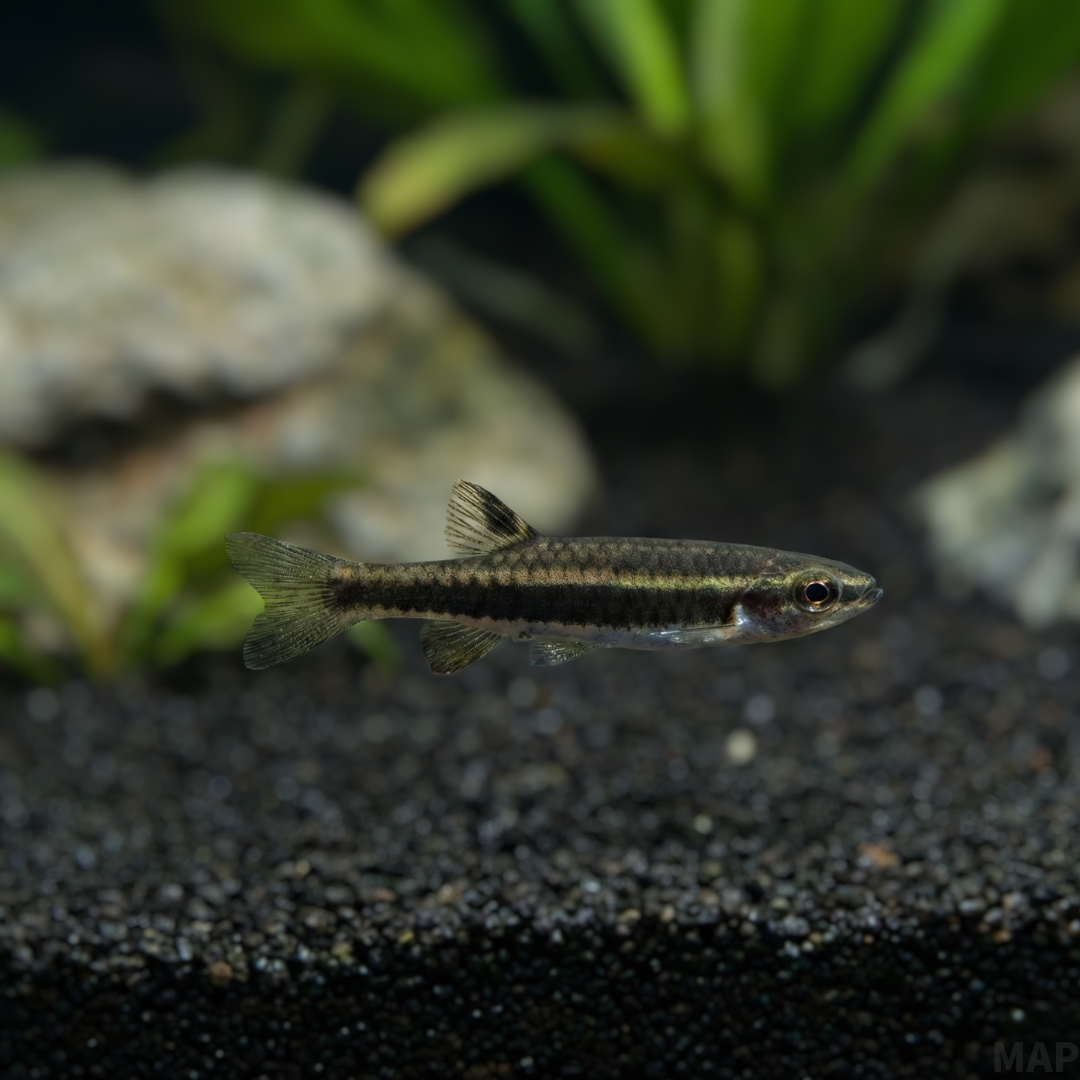
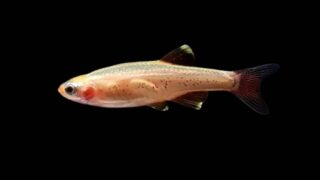
コペラ・アイゲンマニーは、南米のオリノコ川やアマゾン川流域に広く生息する、繊細な美しさを持つ小型カラシンです。日本では長らく「コペラ・メタエ」という名称で親しまれてきましたが、近年の分類学的研究により、これらは同一種であり、学術的には「アイゲンマニー」が正しい名称であることが判明しました。透明感のある体には、光の加減で赤や紫に輝く美しいスポット(斑点)が散りばめられており、派手な原色とは一線を画す、宝石のような輝きを放ちます。特に成熟したオスは背鰭の基部に黒いスポットが現れ、尾鰭の上葉が伸長して赤みを帯びるため、「レッドテール・コペラ」という流通名で呼ばれることもあります。水草の茂みを縫うように静かに泳ぐ姿は、南米の熱帯雨林の水中景観をそのまま切り取ったような趣があり、落ち着いた環境でじっくりと飼育を楽しみたいアクアリストに最適な魚種です。Copella eigenmanni implies a delicate beauty, widely distributed in the Orinoco and Amazon basins of South America. Known for a long time in Japan as “Copella metae,” recent taxonomic studies have revealed that they are the same species, with “Eigenmanni” being the scientifically correct name. Its translucent body is scattered with beautiful spots that shine red or purple depending on the light, emitting a gem-like radiance distinct from flashy primary colors. Mature males, in particular, develop a black spot at the base of the dorsal fin, and the upper lobe of the caudal fin elongates and takes on a reddish hue, sometimes earning them the trade name “Red-Tail Copella.” Swimming quietly through thickets of aquatic plants, they evoke the submerged landscapes of South American rainforests, making them perfect for aquarists who enjoy observing fish in a calm environment.
約3年~5年(適切な飼育下において)Approx. 3-5 years (under proper care)
飼育環境 / Aquarium Environment
水槽サイズ / Tank Size
45cm水槽から飼育可能ですが、群泳とオスのフィンスプレッディングを楽しむなら60cm規格水槽(約60L)以上が推奨されます。Can be kept in tanks from 45cm, but a 60cm standard tank (approx. 60L) or larger is recommended to enjoy schooling and male fin spreading.
水温 / Temperature
23 – 28°C
水質 / Water Quality
弱酸性~中性(pH 5.5 – 7.0)。軟水を好みます。マジックリーフ等を使用したブラックウォーター環境は、魚を落ち着かせ発色を良くするのに効果的です。Weakly acidic to neutral (pH 5.5 – 7.0). Prefers soft water. A blackwater environment using almond leaves etc. is effective for calming the fish and enhancing coloration.
レイアウト / Layout
強い水流を嫌うため、水流は緩やかに設定します。ミクロソリウムやクリプトコリネなどの水草を植え込み、隠れ家を作ると落ち着きます。また、水面近くを好むため浮草も有効です。Prefer gentle water flow as they dislike strong currents. Planting aquatic plants like Microsorum and Cryptocoryne provides shelter and calms them. Floating plants are also effective as they prefer areas near the surface.
注意点 / Precautions
飛び出し事故が非常に多い魚種です。水槽の蓋(フタ)は必須で、給餌口や配管の隙間もスポンジ等で塞ぐなど、徹底した脱走防止対策が必要です。They are prone to jumping out. A tank lid is mandatory, and thorough prevention measures, such as blocking gaps around feeding holes and pipes with sponges, are necessary.
餌と給餌 / Feeding
餌の種類 / Diet
口が小さく上向きについているため、浮上性の人工飼料(フレークや微粒フード)が適しています。色揚げやコンディション維持には、ブラインシュリンプやミジンコなどの活餌や冷凍飼料も併用すると良いでしょう。Suitable for floating artificial foods (flakes or micro-pellets) due to their small, upturned mouths. Live or frozen foods like brine shrimp and daphnia are recommended for color enhancement and condition maintenance.
給餌のポイント / Feeding Tips
痩せやすいため、栄養価の高い餌を少量ずつ回数を分けて与えるのが理想です。大きな粒の餌は食べられないことがあるため、指ですり潰すなどの工夫が必要です。They can lose weight easily, so feeding small amounts of nutritious food multiple times is ideal. They may not be able to eat large particles, so crushing food with fingers may be necessary.
性格と混泳 / Temperament and Tank Mates
性格 / Temperament
基本的に温和ですが、オス同士はヒレを広げて威嚇し合うフィンスプレッディングを行います。これは怪我をするような争いではなく、本種の美しさを堪能できる行動の一つです。Generally peaceful, but males will engage in fin spreading displays to intimidate each other. This rarely leads to injury and is a behavior where the species’ beauty can be fully appreciated.
混泳の相性 / Compatibility
アピストグラマ、コリドラス、オトシンクルス、ペンシルフィッシュなど、サイズや性質が近い南米産小型魚との相性は抜群です。ヒレを齧るスマトラや、動きが激しすぎる魚との混泳は避けてください。Excellent compatibility with South American small fish of similar size and temperament, such as Apistogramma, Corydoras, Otocinclus, and Pencilfish. Avoid fin-nippers like Tiger Barbs or overly active fish.
病気と対策 / Diseases and Prevention
かかりやすい病気 / Common Diseases
導入初期や水質が不安定な時に、ウーディニウム病や白点病にかかることがあります。また、古い水では調子を崩しやすいため、定期的な水換えが重要です。Susceptible to Velvet (Oodinium) or Ich during initial introduction or when water quality is unstable. Regular water changes are important as they can lose condition in old water.
対策と予防 / Prevention
急激な水質変化に弱いため、導入時の水合わせは点滴法などで時間をかけて慎重に行います。弱酸性の軟水をキープすることで、病気のリスクを大幅に減らすことができます。Sensitive to rapid water quality changes, so acclimation should be done carefully over time using the drip method. Keeping weakly acidic soft water can significantly reduce the risk of disease.
増やし方(繁殖) / Breeding
繁殖形態 / Reproduction
水中の水草の葉などに卵を産み付ける「基質産卵型」です。近縁のコペラ・アルノルディのように水上の葉に産卵(スプラッシュ)することはありません。オスが卵を守る習性(父性保護)があります。Substrate spawner that lays eggs on underwater aquatic plant leaves. Unlike the related Copella arnoldi, they do not spawn on leaves above the water (splash). Males exhibit paternal care by guarding the eggs.
繁殖のポイント / Breeding Tips
ミクロソリウムなどの広い葉を持つ水草を用意します。最大の難関は稚魚の育成で、孵化直後の稚魚は非常に小さく、インフゾリア(ゾウリムシ)や極小のパウダーフードが必要です。ブラインシュリンプを食べられるサイズになるまでには時間がかかります。Provide plants with broad leaves like Microsorum. The biggest challenge is raising the fry; they are extremely small after hatching and require Infusoria or very fine powder food. It takes time before they are large enough to eat brine shrimp.
雑学と豆知識 / Trivia and Fun Facts
1. 学名の変遷と「メタエ」の謎 / 1. Taxonomy and the “Metae” Mystery
日本では長らく「コペラ・メタエ」の名で流通してきましたが、2017年の研究で、メタエ(Copella metae)はアイゲンマニー(Copella eigenmanni)と同じ魚であることが確定しました。先に名前が付けられていたアイゲンマニーが正式な学名となりましたが、アクアリウム業界では今でも慣習的にコロンビア便の個体を「メタエ」と呼ぶことが多いです。Long distributed as “Copella metae” in Japan, a 2017 study confirmed that Metae is the same fish as Eigenmanni. While Copella eigenmanni is the valid scientific name, the aquarium industry still customarily calls Colombian specimens “Metae”.
2. ボゴタ・ミステリー / 2. The Bogota Mystery
1912年の記載当時、この魚の産地は「ボゴタ(コロンビアの首都)」と記録されていました。しかし、ボゴタは標高2600mの高地であり、熱帯魚が生息できる環境ではありません。後の調査で、これはボゴタが集荷地であったための誤記であり、実際の生息地はもっと標高の低いメタ川流域の熱帯地域であることが判明しました。In 1912, the locality was recorded as “Bogota”. However, Bogota is a high-altitude city where tropical fish cannot survive. It was later revealed to be a labeling error because Bogota was the shipping point; the actual habitat is the tropical region of the Meta River basin.
3. オスの「トリプルカーブ」 / 3. The Male’s “Triple Curve”
コペラ属のオスの大きな特徴に、上顎骨(maxilla)の形状があります。成熟したオスの口元をよく観察すると、上顎の骨が複雑なS字状(トリプルカーブ)に湾曲しているのが分かります。これはメスには見られない特徴で、ディスプレイや闘争に関係していると考えられています。A major feature of male Copella is the shape of the maxilla. Closely observing a mature male’s mouth reveals a complex S-shaped (triple curve) upper jaw bone. This feature is absent in females and is thought to be related to displays and fighting.
4. スプラッシュしないコペラ / 4. The Copella That Doesn’t Splash
コペラ属といえば、水面上の葉にジャンプして産卵する「スプラッシュ・テトラ(コペラ・アルノルディ)」が有名ですが、実はこの行動をとるのは属内でも一部の種だけです。アイゲンマニーは祖先的な特徴を残しており、水面から飛び出すことなく、水中の安全な葉の裏などに産卵します。Copella are famous for the “Splash Tetra” (Copella arnoldi) which jumps to spawn on leaves above water, but this behavior is unique to only a few species in the genus. Eigenmanni retains ancestral traits and spawns underwater on leaves, without jumping out.
まとめ / Conclusion
コペラ・アイゲンマニーは、派手さこそありませんが、その生態や歴史的背景を知れば知るほど味わい深い魚です。日本の市場ではまだ「メタエ」と呼ばれることが多いですが、その正体は南米の広大な水系に適応した、タクソノミー(分類学)の歴史を背負う存在です。Copella eigenmanni may not be flashy, but it becomes more fascinating the more you know about its ecology and history. Often still called “Metae” in the Japanese market, its true identity is a creature adapted to the vast river systems of South America, carrying a rich taxonomic history.
飼育においては脱走防止と初期飼料の確保というハードルがありますが、水草の茂みでオスが見せるフィンスプレッディングの優雅さと、体に散りばめられたスポットの輝きは、それらの苦労を補って余りある感動を与えてくれるでしょう。While preventing escape and securing initial food for fry can be hurdles, the elegance of the male’s fin spreading in the thickets and the brilliance of their body spots will provide a reward that far outweighs the effort.



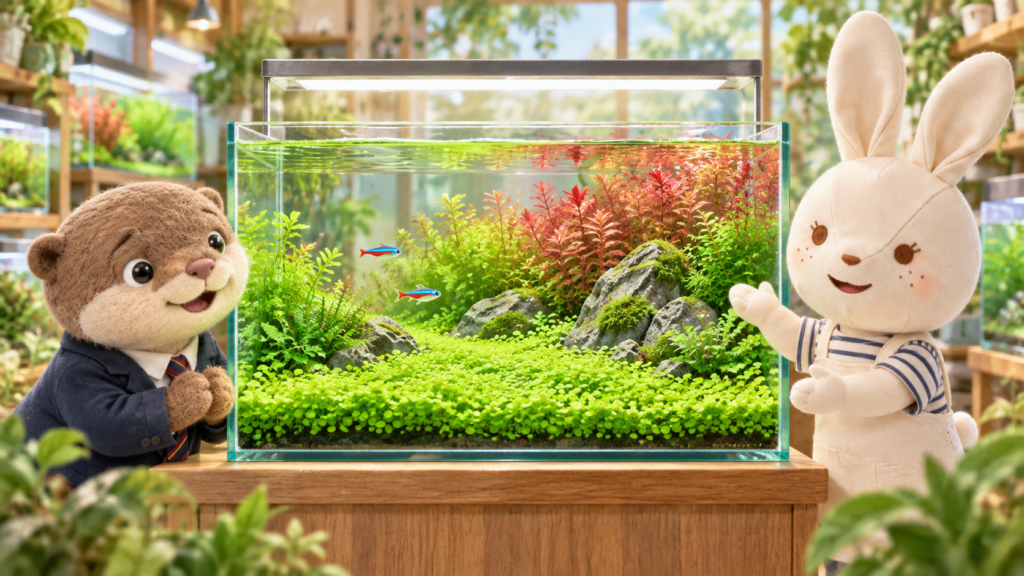 アイのアクアグッズ案内水草用ライトの選び方|緑の絨毯と赤い水草を楽しむ照明・植栽用品道具の特徴や使い方、選ぶときのポイントをアイが紹介します。記事はコチラ →
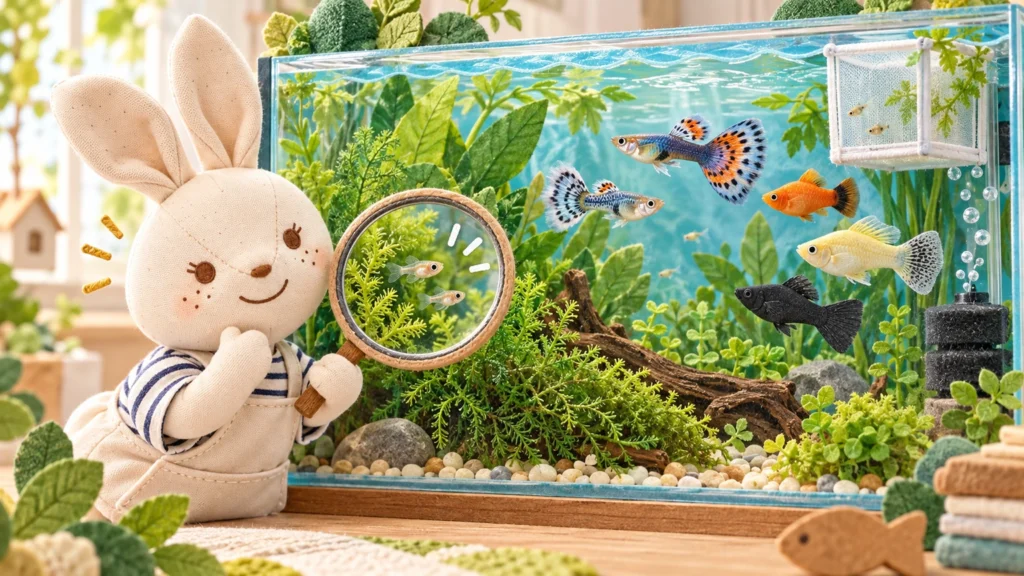 アイのアクアグッズ案内グッピー・プラティ・モーリーを親子で楽しむ飼育用品|水槽・稚魚保護・ろ過・餌・水草道具の特徴や使い方、選ぶときのポイントをアイが紹介します。記事はコチラ →
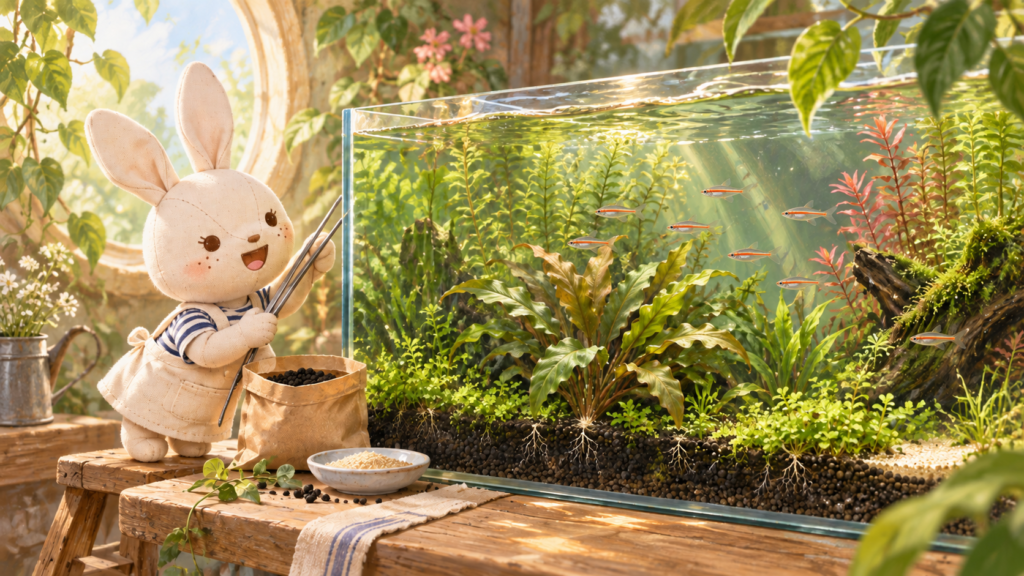 アイのアクアグッズ案内水草用ソイルの選び方|土・砂の違いとおすすめ商品道具の特徴や使い方、選ぶときのポイントをアイが紹介します。記事はコチラ →
 アイのアクアグッズ案内アフリカンシクリッドの飼育用品|水槽・ろ過・底砂・岩組み・餌の選び方道具の特徴や使い方、選ぶときのポイントをアイが紹介します。記事はコチラ →



コメント