

▶ 記事の生体をAMAZONで買う ▶ 記事の生体をYahooで買う
解説 / Description
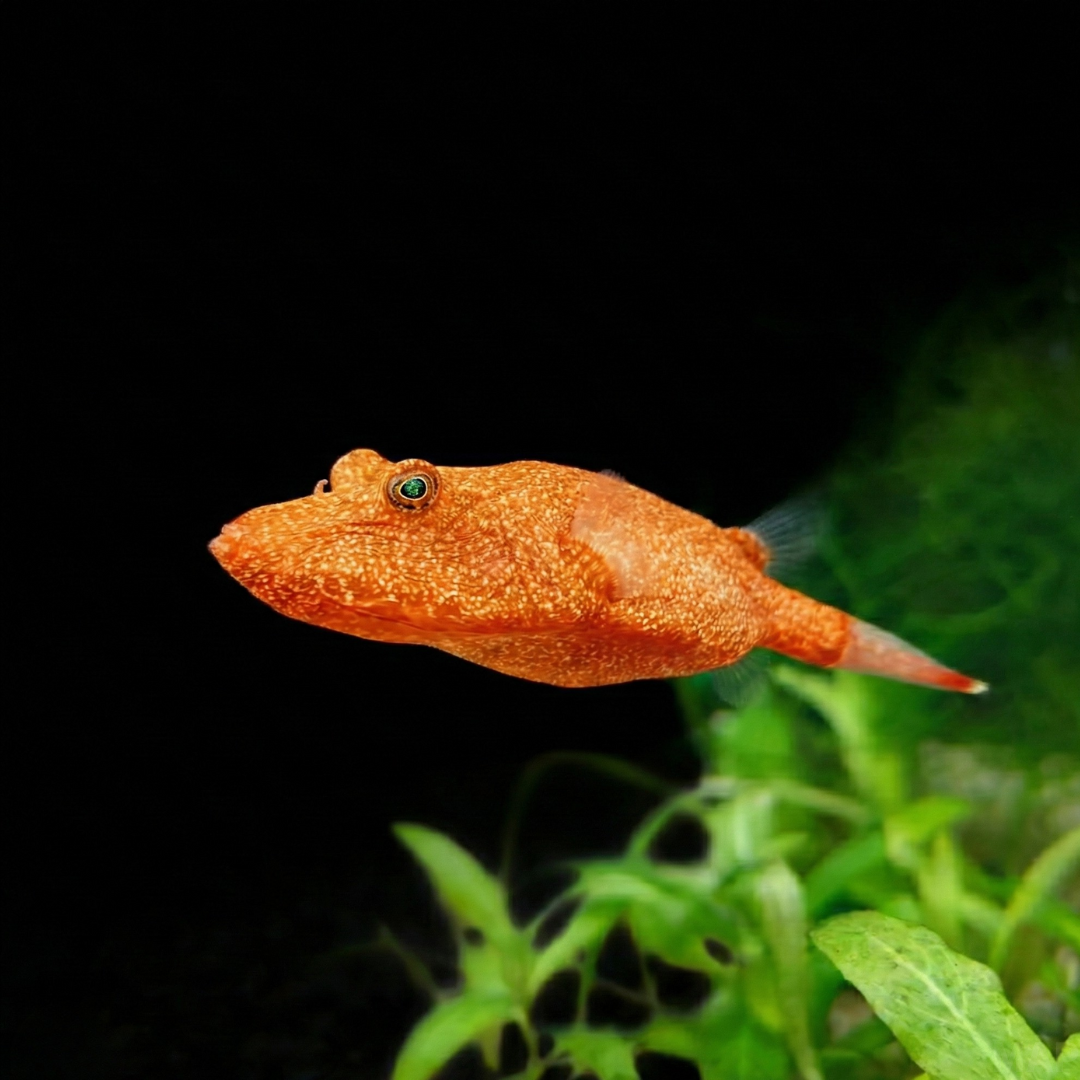
アフリカ大陸中央部を流れる大河、コンゴ河。その激しい急流と渦巻く砂の中に、独自の進化を遂げた奇妙で愛らしいフグが潜んでいます。テトラオドン・ミウルス、通称「ナイルフグ」や「ポテトパファー」と呼ばれるこの魚は、まるでジャガイモのような丸みを帯びた体と、上を向いたユーモラスな顔つきが特徴です。
彼らの最大の特徴は、砂に潜って獲物を待ち伏せする「アンブッシュ(待ち伏せ)」型の狩猟スタイルです。目だけを砂から出し、頭上を獲物が通りかかると、爆発的なスピードで飛び出して捕食します。観賞魚としては、その愛嬌のある仕草や、環境に合わせて体色を変化させる「メタクロシス」能力が魅力ですが、その本性は洗練されたハンターであることを忘れてはいけません。
In the mighty Congo River of Central Africa, amidst rapid currents and swirling sands, hides a uniquely evolved pufferfish: Tetraodon miurus. Commonly known as the Congo Puffer or Potato Puffer, this fish is characterized by its round, potato-like body and humorous, upturned face.
Their most distinctive feature is their “ambush” hunting style, where they bury themselves in the sand with only their eyes visible. When prey passes overhead, they strike with explosive speed. While they are cherished in the aquarium hobby for their charming behavior and ability to change color (metachrosis) to match their surroundings, it is important to remember that they are sophisticated hunters by nature.
基本情報 / Basic Information
| 学名 / Scientific Name | Tetraodon miurus |
|---|---|
| 通称 / Common Name | テトラオドン・ミウルス、ナイルフグ、ポテトパファーCongo Puffer, Potato Puffer |
| 分類 / Family | フグ目 フグ科 テトラオドン属Tetraodontiformes, Tetraodontidae |
| 英名 / English Name | Congo puffer |
| 分布 / Distribution | アフリカ:コンゴ民主共和国(コンゴ河全域、特にキンスカ急流など)Africa: Democratic Republic of the Congo (Congo River basin, specifically Kinsuka rapids) |
| 最大体長 / Max Size | 約 15 cmApprox. 15 cm (6 inches) |
| 寿命 / Lifespan | 10年以上(適切な飼育下において)10+ years (under proper care) |
飼育環境 / Aquarium Environment
| 水槽サイズ / Tank Size | 60cm規格水槽(約60L)以上推奨。底面積の広い90cmスリム水槽なども適しています。Minimum 60cm standard tank (approx. 60L). Tanks with a large footprint, like a 90cm slim tank, are recommended. |
|---|---|
| 水温 / Temperature | 24 – 28 ℃ |
| 水質 / Water Quality | pH 6.5 – 7.5(弱酸性~中性)、軟水を好みます。pH 6.5 – 7.5 (Slightly acidic to neutral), prefers soft water. |
| レイアウト / Layout | 【砂が最重要】 砂に潜る習性があるため、角のない細かい川砂(田砂)やガーネットサンドを、体高の1.5〜2倍(深さ5cm以上)敷くことが必須です。角張った砂利やソイルは皮膚を傷つけるため不向きです。[Sand is Crucial] Fine, smooth river sand or garnet sand is essential, with a depth of at least 5cm (1.5-2 times their body height), as they bury themselves. Sharp gravel or soil can damage their skin. |
| 注意点 / Precautions | 急流に生息していますが、遊泳力は強くありません。水流は強すぎず、しかし溶存酸素量は高く保つ必要があります(エアレーション推奨)。Although they inhabit rapids, they are not strong swimmers. Water flow should not be too strong, but dissolved oxygen levels must be kept high (aeration is recommended). |
餌と給餌 / Feeding
| 餌の種類 / Diet | 小魚、スジエビ等の甲殻類、昆虫(コオロギ等)、ミミズ。 ※金魚(小赤)のみを与え続けるとビタミン破壊酵素(チアミナーゼ)により体調を崩す恐れがあるため、バランス良く与えてください。Small fish, crustaceans (shrimp), insects (crickets), and earthworms. *Avoid feeding exclusively goldfish, as they contain thiaminase which can cause vitamin B1 deficiency. Provide a balanced diet. |
|---|---|
| 給餌のポイント / Feeding Tips | 人工飼料には餌付きにくい傾向があります。ピンセットで餌を動かして誘う訓練が必要です。また、歯が伸び続けるため、定期的に殻付きのエビなどを与えて歯を摩耗させてください。They can be difficult to wean onto artificial pellets. Training with tweezers to simulate movement is often necessary. Feed hard-shelled foods like shrimp regularly to wear down their continuously growing teeth. |
性格と混泳 / Temperament and Tank Mates
| 性格 / Temperament | 非常に攻撃的です。待ち伏せして他魚を襲い、鋭い歯で齧り取ります。一方で飼い主にはよく懐き、餌をねだる「餌くれダンス」を見せる愛らしい一面もあります。Highly aggressive. They ambush and bite other fish with sharp teeth. However, they can become very tame with their owners, often performing a “begging dance” for food. |
|---|---|
| 混泳の相性 / Compatibility | 【単独飼育必須】 同種・他種問わず激しく争うため、原則として1つの水槽に1匹で飼育します。十分な隠れ家があっても混泳は極めてリスクが高いです。[Solitary Keeping Essential] They should be kept alone as they fight fiercely with both conspecifics and other species. Tank mates are highly risky even with ample hiding spots. |
病気と対策 / Diseases and Prevention
| かかりやすい病気 / Common Diseases | 白点病、内部寄生虫、拒食。鱗がないため皮膚病にかかりやすく、また輸入直後の個体は寄生虫を持っていることが多いです。Ich (White Spot Disease), internal parasites, anorexia. Being scaleless makes them prone to skin diseases, and wild-caught individuals often carry parasites. |
|---|---|
| 対策と予防 / Prevention | 魚病薬には敏感なので、規定量の半分程度から慎重に使用します。内部寄生虫には、虫下し成分を含ませたハンバーグ等が有効です。拒食時は水温を少し上げたり、活き餌で刺激を与えます。They are sensitive to medications; use half the recommended dose with caution. Medicated food is effective for internal parasites. For anorexia, try raising the temperature slightly or offering live food. |
増やし方(繁殖) / Breeding
| 繁殖形態 / Reproduction | 基質産卵型。平らな石の上などに産卵し、オスが卵を守る習性があるとされていますが、飼育下での成功例は世界的にも稀です。Substrate spawner. They spawn on flat rocks, and the male guards the eggs, but successful breeding in captivity is extremely rare globally. |
|---|---|
| 繁殖のポイント / Breeding Tips | 雌雄判別が困難な上、ペアリングの段階で激しい殺し合いになることが多いため、繁殖難易度は最高レベルです。挑戦する場合は大型水槽とセパレーターが必須となります。Breeding difficulty is extremely high due to the lack of sexual dimorphism and the risk of lethal aggression during pairing. A large tank and dividers are essential if attempted. |
雑学と豆知識 / Trivia and Fun Facts
| 1. 学名が示す「閉じた尾」 / 1. The Meaning of “Miurus” | 学名の Tetraodon miurus の種小名「miurus」は、ギリシャ語で「閉じた」や「短縮された」を意味する言葉と「尾」を組み合わせたものです。これは彼らの尾柄部が極端に短く、背鰭と臀鰭が尾鰭のすぐ近くにある独特の「ずんぐり体型」を表しています。この体型こそが、砂の中でコンパクトに身を隠すのに最適な進化の形なのです。The specific name “miurus” is derived from Greek words meaning “closed” or “curtailed” and “tail”. This refers to their extremely short caudal peduncle, giving them a unique “stubby” appearance. This body shape is an evolutionary adaptation perfect for compacting themselves to hide in the sand. |
|---|---|
| 2. 変幻自在の色彩「メタクロシス」 / 2. Masters of Metachrosis | ミウルスは環境や気分によって体色を劇的に変化させます。基本の茶褐色から、オレンジ、赤、灰色、黒色へと瞬時に変わることができます。特に赤い底砂(ガーネットサンドなど)を敷くと、赤みが強くなる傾向があり、逆に明るい砂では白っぽくなるなど、底床の色に同調する能力(擬態)が非常に高い魚です。Miurus can dramatically change their body color based on environment and mood. They can shift from brown to orange, red, grey, or black instantly. They have a high ability to mimic the substrate color; for example, using red sand often enhances their red coloration, while light sand may make them appear paler. |
| 3. 急流と酸素のパラドックス / 3. Rapids and Oxygen Paradox | 彼らの故郷コンゴ河のキンスカ急流などは、激しい流れにより水中の溶存酸素量が非常に豊富な環境です。ミウルスは泳ぎが苦手なので、急流そのものは砂に潜って避けていますが、その豊富な酸素を含んだ「きれいな水」を必要とします。そのため、飼育下でもエアレーションを十分に行い、酸欠を防ぐことが長期飼育の鍵となります。Their native habitat, like the Kinsuka rapids, is rich in dissolved oxygen due to the turbulent currents. While Miurus avoid the strong current by burying in the sand, they require this highly oxygenated, clean water. Therefore, providing ample aeration is key to their long-term health in captivity. |
まとめ / Conclusion
テトラオドン・ミウルスは、アフリカの大河が生んだ生粋のハンターでありながら、飼い主と目が合うと餌をねだる愛嬌たっぷりなパートナーにもなり得ます。彼らを迎える際は、単独飼育というルールを守り、彼らが安心して潜れる「ふかふかの砂のベッド」を用意してあげてください。
適切な環境を用意すれば、10年以上にわたり、そのユニークな生態と表情で私たちを楽しませてくれるでしょう。コンゴ河の小さな潜伏者との生活を、ぜひ楽しんでください。
Tetraodon miurus is a born hunter from the great rivers of Africa, yet they can also become charming partners that beg for food when they lock eyes with their owners. When welcoming them, please adhere to the rule of solitary keeping and provide a “fluffy sand bed” where they can bury themselves in comfort.
With the right environment, they will entertain us with their unique ecology and expressions for over 10 years. We hope you enjoy life with this little lurker from the Congo River.

気になる道具や飼い方を見つけてみませんか?
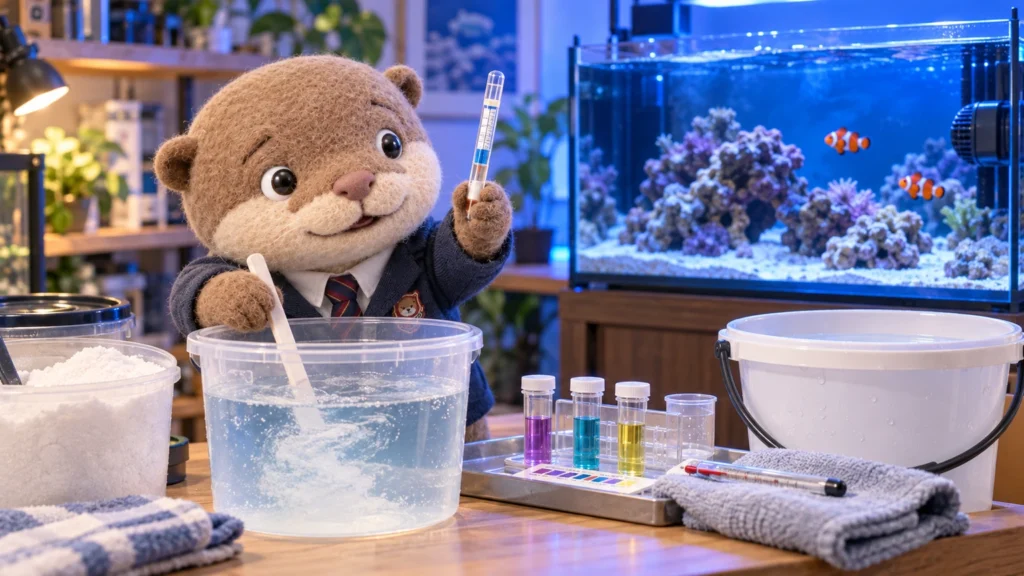 アイのアクアグッズ案内海水魚初心者の必需品|水槽・人工海水・比重計・水質検査道具の特徴や使い方、選ぶときのポイントをアイが紹介します。記事はコチラ →
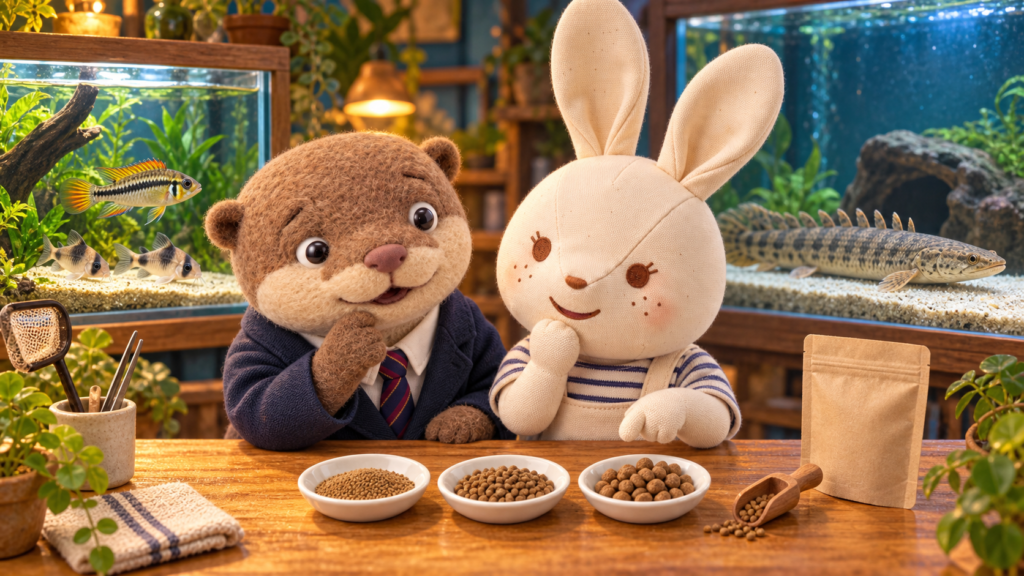 アイのアクアグッズ案内おとひめ物語|養殖生まれの餌を、わが家の魚に合う一粒へ道具の特徴や使い方、選ぶときのポイントをアイが紹介します。記事はコチラ →
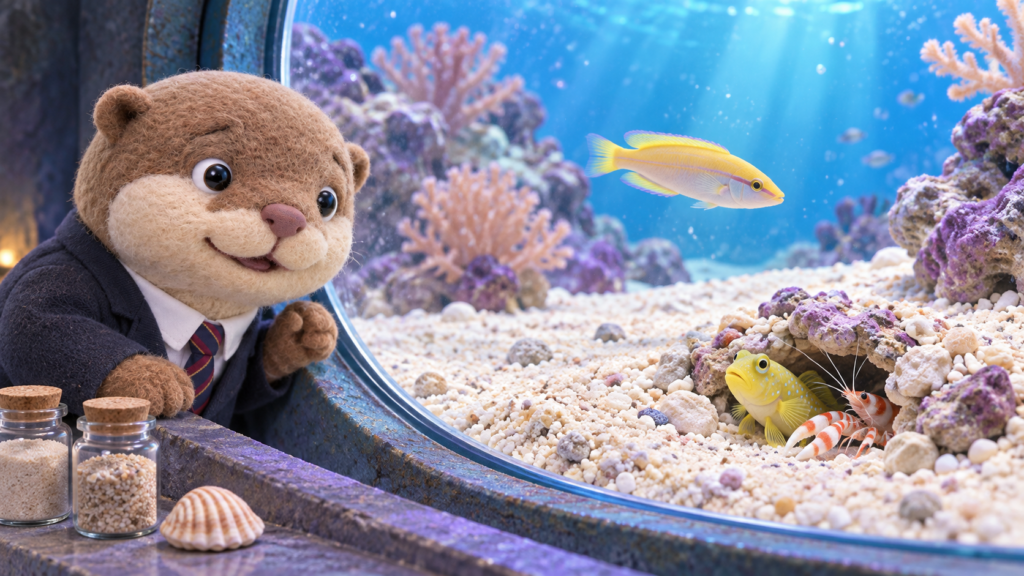 アイのアクアグッズ案内海水魚の底砂の選び方|サンゴ砂・ライブサンドとおすすめ商品道具の特徴や使い方、選ぶときのポイントをアイが紹介します。記事はコチラ →
 アイのアクアグッズ案内グッピー・プラティ・モーリーを親子で楽しむ飼育用品|水槽・稚魚保護・ろ過・餌・水草道具の特徴や使い方、選ぶときのポイントをアイが紹介します。記事はコチラ →
さまざまな飼育テーマをご紹介。リンク先の記事には広告・商品紹介が含まれます。
案内・紹介記事一覧へ →



コメント