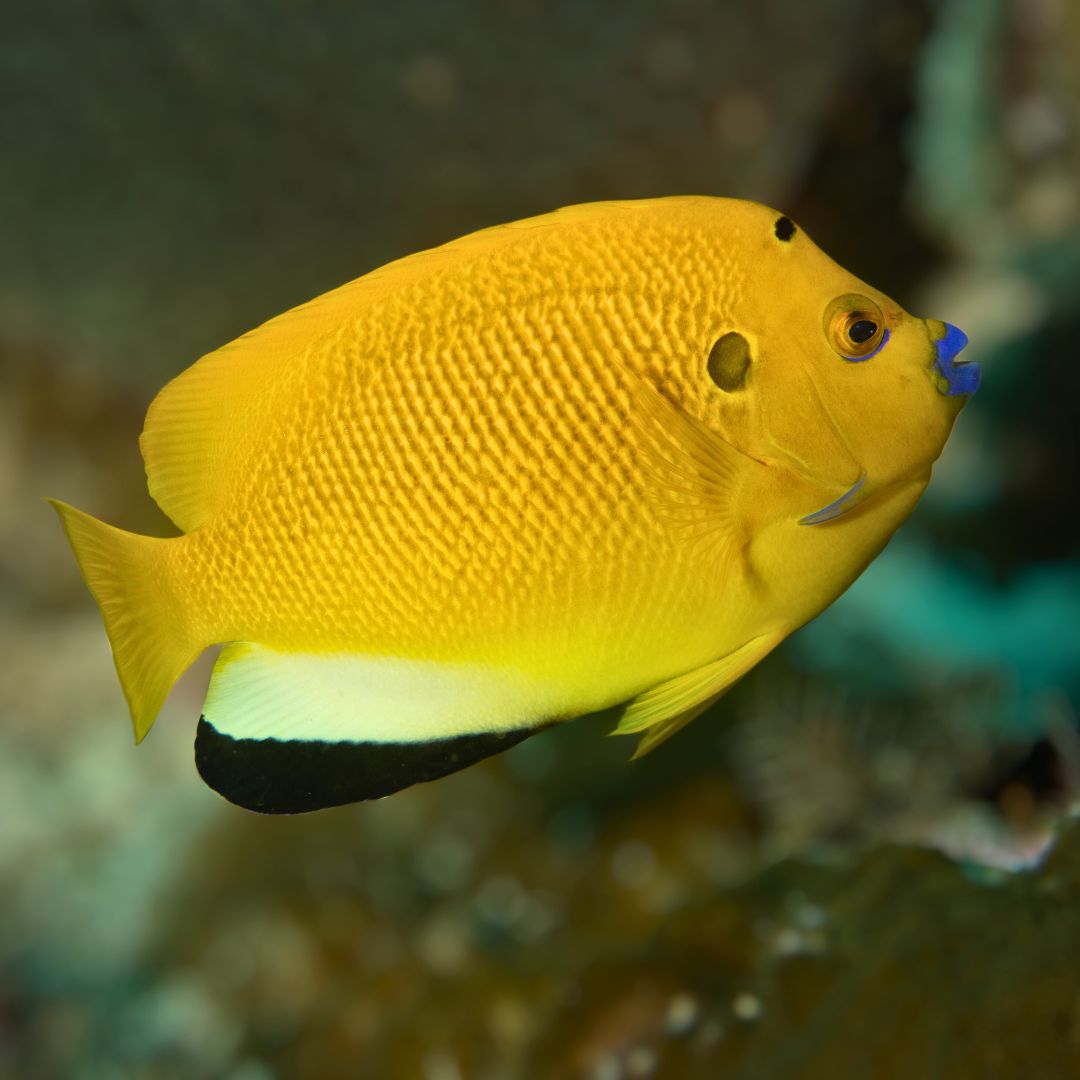
シテンヤッコは、インド太平洋のサンゴ礁に広く生息するキンチャクダイ科の一種です。全身を覆う鮮やかなゴールデンイエローと、唇の鮮烈なブルーのコントラストは、まさに南国の海を象徴する美しさを持っています。成魚になると全長26cmに達する存在感のある魚ですが、幼魚期には目を通る黒いバンドと金色の縞模様を持つなど、成長に伴い劇的な色の変化を見せることでも知られています。その優雅な外観とは裏腹に、強い縄張り意識を持つ「たくましさ」も併せ持っており、広い水槽で悠々と泳ぐ姿はマリンアクアリウムの主役にふさわしい風格を備えています。The Threespot Angelfish is a member of the Pomacanthidae family, widely distributed across the coral reefs of the Indo-Pacific. The contrast between its vibrant golden-yellow body and striking blue lips beautifully represents the splendor of tropical oceans. While adults can reach a length of 26cm, juveniles look remarkably different, possessing a black eye-band and golden bars. This dramatic ontogenetic change is a fascinating aspect of their life history. Despite their elegant appearance, they are robust fish with strong territorial instincts, making them a prestigious centerpiece for large marine aquariums.
導入時のトリートメントと、ストレスの少ない安定した水質の維持Perform quarantine upon arrival and maintain stable water parameters to reduce stress
増やし方(繁殖) / Breeding
雌雄の判別 / Sexing
外見での判別は困難だが、大きな個体がオスである可能性が高いDifficult to distinguish visually; larger individuals are typically male
繁殖形態 / Reproduction
雌性先熟の雌雄同体。メスからオスへ性転換を行うProtogynous hermaphrodite; changes sex from female to male
繁殖のポイント / Breeding Tips
家庭用水槽での繁殖例は極めて稀で、広大な空間が必要となるBreeding in home aquariums is extremely rare and requires vast space
雑学と豆知識 / Trivia and Fun Facts
1. 「非戦闘的な魚」を意味するとされる語源 / 1. Etymology: The “Unwarlike Fish”
属名のアポレミクティス(Apolemichthys)は、ギリシャ語で「戦争に不向きな魚(非戦闘的な魚)」を意味するとされています。一説には近縁種に比べてエラの部分の棘が控えめに見えることに由来するとも言われますが、実際の性格は非常に好戦的で縄張り意識が強く、その名に反して「水槽内の独裁者」になることもしばしばです。The genus name Apolemichthys is said to mean “unwarlike fish” in Greek. While some suggest it refers to less prominent opercular spines compared to relatives, their actual temperament is quite aggressive and territorial, often becoming a dominant force in the aquarium despite the peaceful name.
2. 三点か、四点か? 命名を巡るパラドックス / 2. Three or Four? The Naming Paradox
学名のトリマクラートゥスや英名は「3つの斑点(体側2点+頭部1点)」を意味しますが、標準和名のシテンヤッコは「4つの点」を指します。これは、成長すると頭頂部の斑点が中央で分離し、鰓蓋の点と合わせて合計4つに見えるようになるためです。観察する成長段階の違いが、洋の東西で異なる名前を生んだのです。The scientific name trimaculatus refers to “three spots” (two on the sides, one on the head). However, the Japanese name refers to “four spots” because the forehead spot splits into two as they mature. The different observations of life stages led to distinct names in the West and Japan.
3. 究極のハイブリッド「アーミテージ・エンゼル」 / 3. The Ultimate Hybrid: Armitage Angelfish
かつて独立種と考えられていた「アーミテージ・エンゼル」の正体は、現在では本種とイエローフェイスエンゼル(Apolemichthys xanthopunctatus)の自然交雑個体であることが科学的に結論付けられています。両種の色彩が複雑に融合したこのハイブリッドは、世界中のコレクターが憧れる伝説的なレア個体です。The mysterious “Armitage Angelfish” is now scientifically recognized as a natural hybrid between this species and the Goldflake Angelfish (Apolemichthys xanthopunctatus). This hybrid, showcasing a fusion of both species’ colors, is a legendary rarity coveted by collectors worldwide.
4. 海綿を分解する「特殊な消化能力」 / 4. “Specialized Digestion” for Sponges
野生のシテンヤッコは海綿動物(スポンジ)を主食とする数少ない魚です。海綿は毒やガラス質の鋭い骨片を持つため多くの魚は避けますが、本種はこれらを栄養として吸収できる特殊な消化機能を備えています。この進化的適応が、飼育下での人工飼料への移行(餌付け)を難しくさせる要因となっています。In the wild, they are among the few fish specialized in eating sponges. While most fish avoid sponges due to toxins and sharp spicules, this species has evolved unique digestive capabilities to process them. This specialization is exactly why weaning them onto pellets in captivity can be so challenging.
まとめ / Conclusion
シテンヤッコは、最新の分類体系においても独特の地位を占める、非常に奥の深い海水魚です。飼育の最大の難関である「餌付け」を克服し、適切な水槽サイズを確保できれば、その黄金色の輝きは10年以上にわたって飼育者を魅了し続けてくれるでしょう。The Threespot Angelfish remains a fascinating species in modern ichthyology. If you can overcome the challenge of weaning and provide an appropriately sized tank, its golden brilliance will continue to captivate you for over a decade.
サンゴへの食害リスクなどは正しく理解しておく必要がありますが、それも含めて本種の持つ野生の魅力と言えます。学術的な背景を知ることで、目の前で泳ぐその姿がより一層感慨深いものになるはずです。While the risk to corals must be properly understood, it is all part of this species’ wild allure. Knowing its scientific background will surely deepen your appreciation as you watch it swim before your eyes.

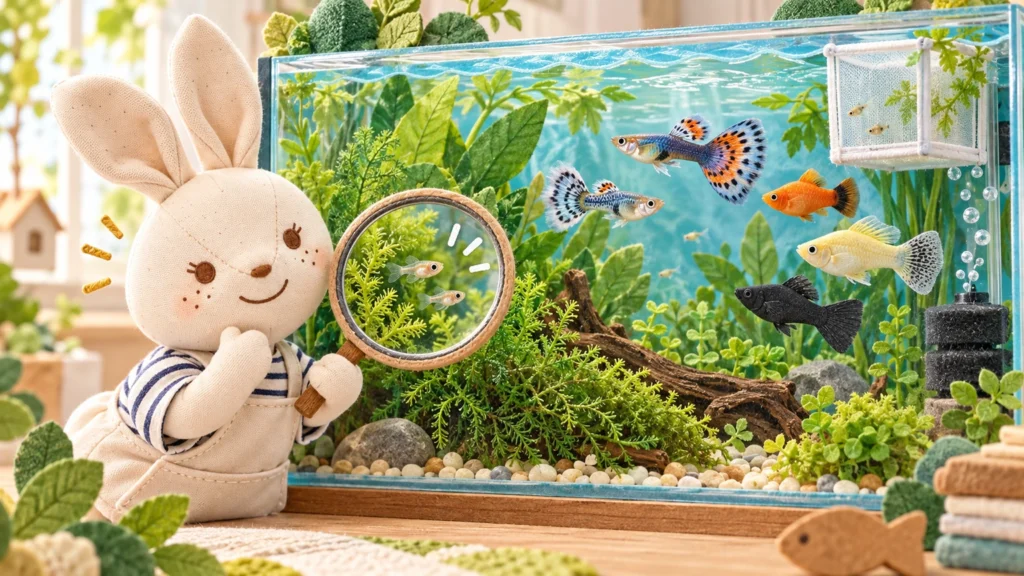 アイのアクアグッズ案内グッピー・プラティ・モーリーを親子で楽しむ飼育用品|水槽・稚魚保護・ろ過・餌・水草道具の特徴や使い方、選ぶときのポイントをアイが紹介します。記事はコチラ →
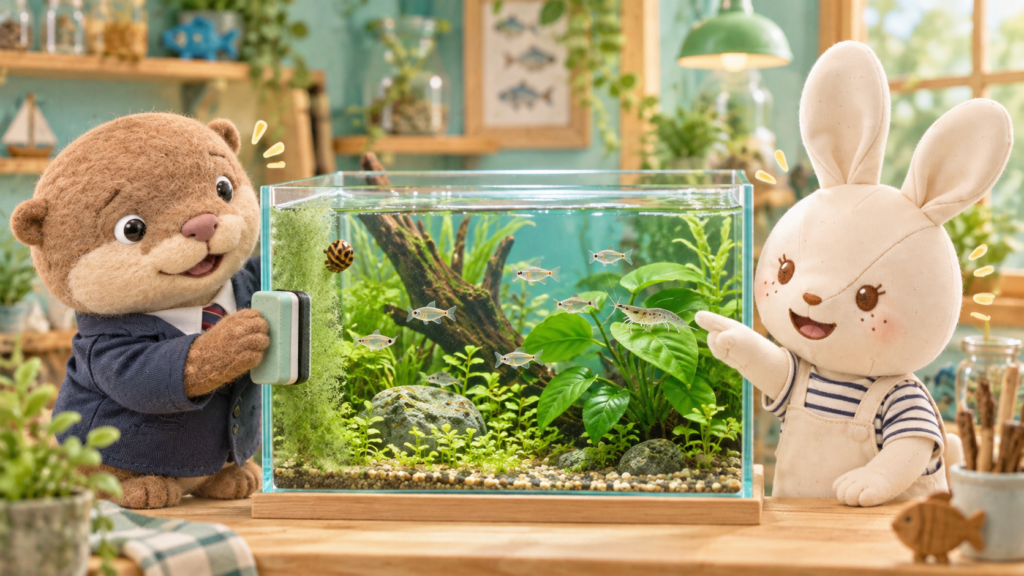 アイのアクアグッズ案内水槽のコケ掃除|道具の選び方とお掃除生体の得意・不得意道具の特徴や使い方、選ぶときのポイントをアイが紹介します。記事はコチラ →
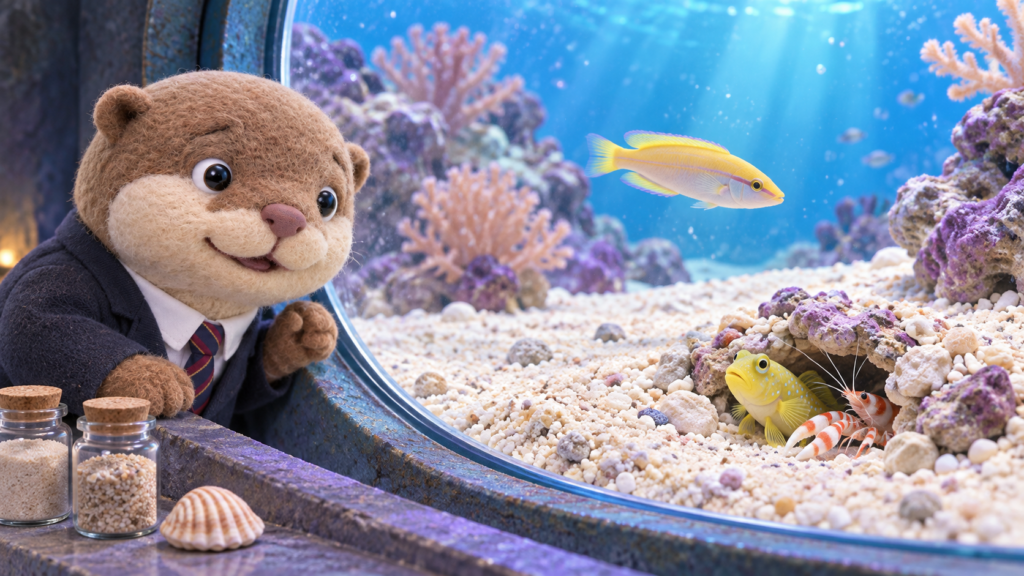 アイのアクアグッズ案内海水魚の底砂の選び方|サンゴ砂・ライブサンドとおすすめ商品道具の特徴や使い方、選ぶときのポイントをアイが紹介します。記事はコチラ →
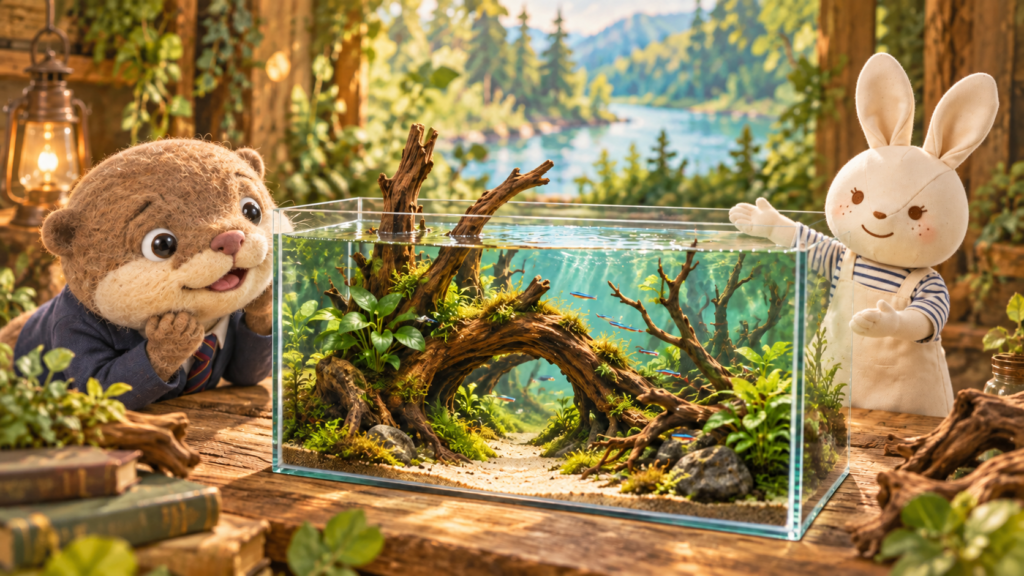 アイのアクアグッズ案内水槽の流木の選び方|枝・マングローブ・アク抜きとおすすめ商品水槽に小さな森を作る流木。枝流木やマングローブという名前の違いから、魚の隠れ家、水草の取り付け、浮く・水が茶色くなるときの準備まで、アイとコタロウが商品とともに案内します。記事はコチラ →
コメント