
▶ 記事の生体をYahooで買う

 ポチップ
ポチップ
解説 / Description
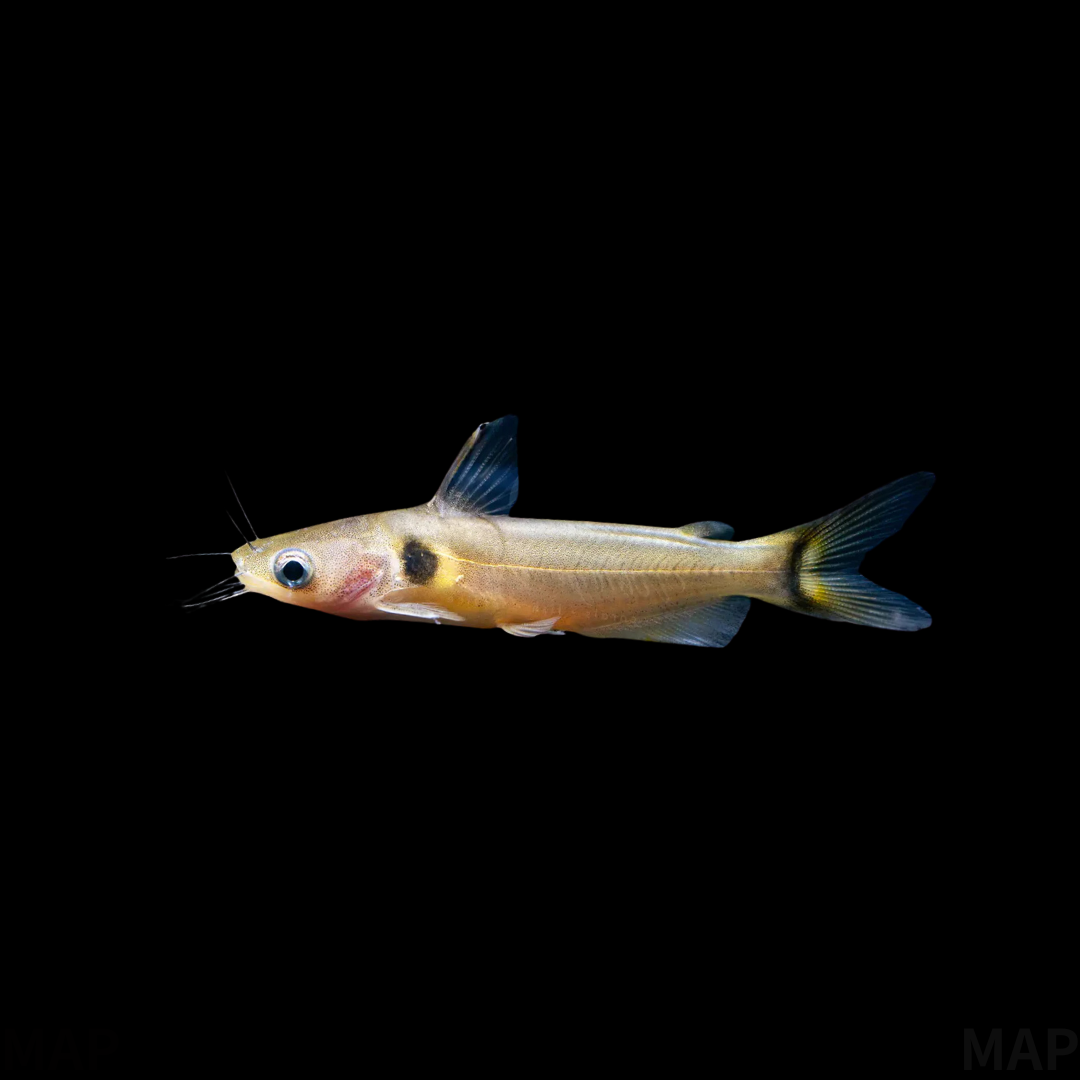
サンキャット(学名:Horabagrus brachysoma)は、インドの西ガーツ山脈周辺を故郷とする、非常に愛らしいナマズの仲間です。最大の特徴は、エラ蓋の後ろにある大きな黒い斑点です。この斑点は明るい色のリングで縁取られており、まるで「日食(Eclipse)」や輝く「太陽」のように見えることから、「サンキャット」や「エクリプスキャット」の名で親しまれています。
黄金色に輝く体と、つぶらな瞳、そして立派な口ヒゲを持つその姿は、一度見ると忘れられない魅力があります。性質は大型ナマズとしては驚くほど温和で、アロワナやポリプテルスといった他の大型魚との混泳相手としても非常に優秀です。「ナマズは地味で怖い」というイメージを覆す、華やかさと愛嬌を兼ね備えた人気種です。
Horabagrus brachysoma, commonly known as the Sun Catfish or Eclipse Catfish, is a charming catfish species native to the Western Ghats of India. Its most distinctive feature is the large black spot behind the gill cover, rimmed with a bright golden ring, resembling a solar eclipse or a shining sun. With its golden body, large expressive eyes, and prominent barbels, this fish possesses an unforgettable allure. Surprisingly peaceful for a large catfish, it makes an excellent tank mate for other large species like Arowanas and Bichirs, overturning the stereotype of catfish being dull or aggressive.
基本情報 / Basic Information
| 学名 / Scientific Name | Horabagrus brachysoma |
|---|---|
| 通称 / Common Name | サンキャット、ホラバグルス・ブラキソマSun Catfish, Eclipse Catfish, Golden Red Tail Catfish |
| 分類 / Family | ホラバグルス科(Horabagridae) ※流通上はギギ科(Bagridae)とされることも多いHorabagridae (Often traded as Bagridae) |
| 英名 / English Name | Sun Catfish |
| 分布 / Distribution | インド(ケララ州、カルナータカ州などの西ガーツ山脈周辺水域)India (Western Ghats region, including Kerala and Karnataka) |
| 最大体長 / Max Size | 45cm(飼育下では30cm程度で止まることが多いが、適切な環境では大型化する)45cm (Often stays around 30cm in captivity, but can grow larger in optimal environments) |
| 寿命 / Lifespan | 10年以上Over 10 years |
飼育環境 / Aquarium Environment
| 水槽サイズ / Tank Size | 90cm規格水槽(約155L)以上推奨。 幼魚期(15cm未満)は60cm規格水槽(約60L)でも飼育可能ですが、成長が早いため早めのサイズアップが必要です。底層を泳ぎ回るため、奥行きのある水槽(奥行き45cm以上)が理想的です。90cm standard tank (approx. 155L) or larger recommended. While a 60cm tank (approx. 60L) is acceptable for juveniles under 15cm, they grow quickly. Tanks with depth (45cm+) are ideal as they swim actively near the bottom. |
|---|---|
| 水温 / Temperature | 23〜28°C |
| 水質 / Water Quality | pH 6.0〜7.5(弱酸性から中性)、軟水〜中硬水。 日本の水道水で問題なく飼育できます。pH 6.0-7.5 (Slightly acidic to neutral), Soft to medium hard water. |
| レイアウト / Layout | 底砂を掘り返す習性があるため、田砂やボトムサンドなど、角がなく細かい砂を薄く敷くのが最適です。日中は物陰に隠れることを好むため、太めの塩ビパイプや大きめの流木を配置してシェルターを作ってください。岩組みは魚が暴れた際に崩れる危険があるため、しっかりと固定するか使用を避けます。Use fine, smooth sand as they tend to dig. Provide shelters using large PVC pipes or driftwood, as they like to hide during the day. Avoid unstable rock structures. |
| 注意点 / Precautions | 夜間に驚いて飛び出すことがあるため、水槽の蓋は隙間なくしっかりと閉め、重石を置くなどの対策をしてください。また、ヒーターによる火傷を防ぐため、ヒーターカバーの装着は必須です。Ensure the tank lid is tightly secured to prevent jumping, especially at night. A heater cover is essential to prevent burns. |
餌と給餌 / Feeding
| 餌の種類 / Diet | 肉食性の強い雑食で、何でもよく食べます。 主食:大型肉食魚用沈下性ペレット(キャット、カーニバルなど) 副食:冷凍アカムシ(幼魚期)、冷凍エビ、きびなごなど。現地では昆虫や植物質も食べています。Omnivorous with a strong preference for meat. Sinking pellets for carnivores are the best staple. Frozen bloodworms (for juveniles), shrimp, and small fish can be given as treats. |
|---|---|
| 給餌のポイント / Feeding Tips | 非常に貪欲で、餌付けに苦労することはまずありません。本来は夜行性ですが、飼育環境に慣れると昼間でも積極的に餌をねだるようになります。肥満になりやすいため、給餌量は腹部の膨らみを見ながら調整し、与えすぎに注意してください。They are greedy eaters and easily accept food. Although nocturnal, they will learn to eat during the day. Be careful not to overfeed, as they are prone to obesity. |
性格と混泳 / Temperament and Tank Mates
| 性格 / Temperament | 大型ナマズとしては非常に温和で、自分と同じくらいの大きさの魚に対して攻撃を仕掛けることはほとんどありません。ただし、口に入るサイズの魚は「餌」として認識し、夜間に捕食してしまうため注意が必要です。Very peaceful for a large catfish and rarely aggressive towards similarly sized fish. However, they will predate on any fish small enough to fit in their mouths, especially at night. |
|---|---|
| 混泳の相性 / Compatibility | アロワナ、ガーパイク、ポリプテルス、オスカーなどの中型〜大型魚との混泳に適しています。特に上層を泳ぐアロワナとは生活圏が被らず、食べ残しを処理してくれるため良いパートナーになります。ネオンテトラやグッピーなどの小型魚、エビ類との混泳は不可能です。Suitable for tank mates like Arowanas, Gars, Bichirs, and Oscars. Small fish like Neon Tetras and shrimp are not compatible as they will be eaten. |
病気と対策 / Diseases and Prevention
| かかりやすい病気 / Common Diseases | 水温の変化による「白点病」にかかりやすい傾向があります。また、水槽壁面や流木に体をぶつけてスレ傷を作ることがあります。Prone to Ich (White Spot Disease) due to temperature fluctuations. Physical injuries from scraping against objects are also common. |
|---|---|
| 対策と予防 / Prevention | ナマズの仲間は鱗を持たないため、魚病薬(特にマラカイトグリーンを含む薬品)に対して非常に敏感で、規定量を使用するとショック死する恐れがあります。白点病の治療には、水温を28〜30°Cに上げる「昇温療法」と、0.3〜0.5%程度の「塩浴」を併用するのが最も安全で効果的です。Catfish are scale-less and sensitive to medications. Avoid full doses of chemicals like Malachite Green. Raising the temperature (28-30°C) and adding salt (0.3-0.5%) is the safest treatment for Ich. |
増やし方(繁殖) / Breeding
| 繁殖形態 / Reproduction | 飼育下での自然繁殖は非常に困難です。現地インドでは、雨季(モンスーン)の水位上昇や水温変化が引き金となり産卵が行われます。Natural breeding in captivity is extremely difficult. In the wild, spawning is triggered by the monsoon season. |
|---|---|
| 繁殖のポイント / Breeding Tips | 一般家庭の水槽での繁殖例はほとんどありません。現在流通しているブリード個体(養殖個体)は、インドの研究機関などで確立されたホルモン剤投与による人工繁殖技術によって生産されています。Breeding in home aquariums is rare. Commercial specimens are produced using hormone-induced breeding techniques established in India. |
雑学と豆知識 / Trivia and Fun Facts
| 1. 名前と「日食」の秘密 / 1. The Secret of the Eclipse | 学名の brachysoma は「短い体」という意味で、同属のナマズに比べてずんぐりとした体型をしていることに由来します。通称の「サンキャット」や「エクリプス(日食)キャット」は、肩にある黒い斑点とそれを囲む金色のリングが、まるで太陽や日食のように見えることから名付けられました。この模様は、暗い水中でも仲間を認識するためのシグナルとして機能していると考えられています。The specific name “brachysoma” means “short body”. The common names “Sun Catfish” and “Eclipse Catfish” come from the golden-rimmed black spot on their shoulder, resembling a solar eclipse. |
|---|---|
| 2. 実は美味しい「マンジャクーリ」 / 2. A Delicacy Named “Manjakoori” | 私たちにとっては可愛いペットですが、故郷のインド・ケララ州では「マンジャクーリ(Manjakoori)」と呼ばれ、非常に美味な高級食材として扱われています。脂の乗った肉質はカレーとの相性が抜群で、特に「マンジャクーリ・フィッシュカレー」は、タピオカ芋と一緒に食べるご馳走として愛されています。In its homeland of Kerala, India, this fish is known as “Manjakoori” and is prized as a delicious delicacy. It is often cooked in a rich fish curry and served with tapioca. |
| 3. 分類のミステリー / 3. Taxonomic Mystery | 長い間、日本のショップでは「ギギ科」のナマズとして紹介されてきましたが、近年のDNA研究や骨格の分析により、独立した「ホラバグルス科(Horabagridae)」に分類されるようになりました。これは彼らが独自の進化の道を歩んできた特別なナマズであることを示しています。Traditionally classified under Bagridae, recent DNA studies have placed them in their own family, Horabagridae, highlighting their unique evolutionary path. |
| 4. 守るべき「危急種」として / 4. Conservation Status | 生息地の開発や乱獲により、サンキャットはIUCN(国際自然保護連合)のレッドリストで「危急種(VU)」に指定されています。私たちが手にするブリード個体(養殖個体)を選ぶことは、現地の野生個体群を守ることにも繋がります。大切に育てて、その魅力を長く楽しんでください。Listed as Vulnerable (VU) on the IUCN Red List due to habitat loss and overfishing. Choosing captive-bred individuals helps conserve wild populations. |
まとめ / Conclusion
サンキャットは、その愛らしい見た目と温和な性格で、大型魚飼育の入門種として、またベテランアクアリストのタンクメイトとして最高のパートナーになります。現地では美味しい食材として愛され、生物学的にも貴重な存在であるこの「太陽のナマズ」を、ぜひあなたの水槽で大切に育ててみてください。 With their adorable appearance and gentle nature, Sun Catfish make excellent partners for both beginners and veteran aquarists. Treasured as a delicacy in their homeland and biologically significant, we hope you enjoy raising this “Solar Catfish” with care in your aquarium.
水槽の中でゆったりと泳ぐ黄金色の姿は、日々の疲れを癒やしてくれること間違いありません。飛び出し事故や白点病にさえ気をつければ、10年以上付き合える長寿な魚です。彼らとの長い付き合いを楽しんでください。 Their golden form swimming gracefully in the tank is sure to soothe your daily stress. With proper care against jumping and diseases, they are long-lived fish that can be with you for over a decade. Enjoy your long companionship with them.

 ポチップ
ポチップ
 ポチップ
ポチップ

コメント