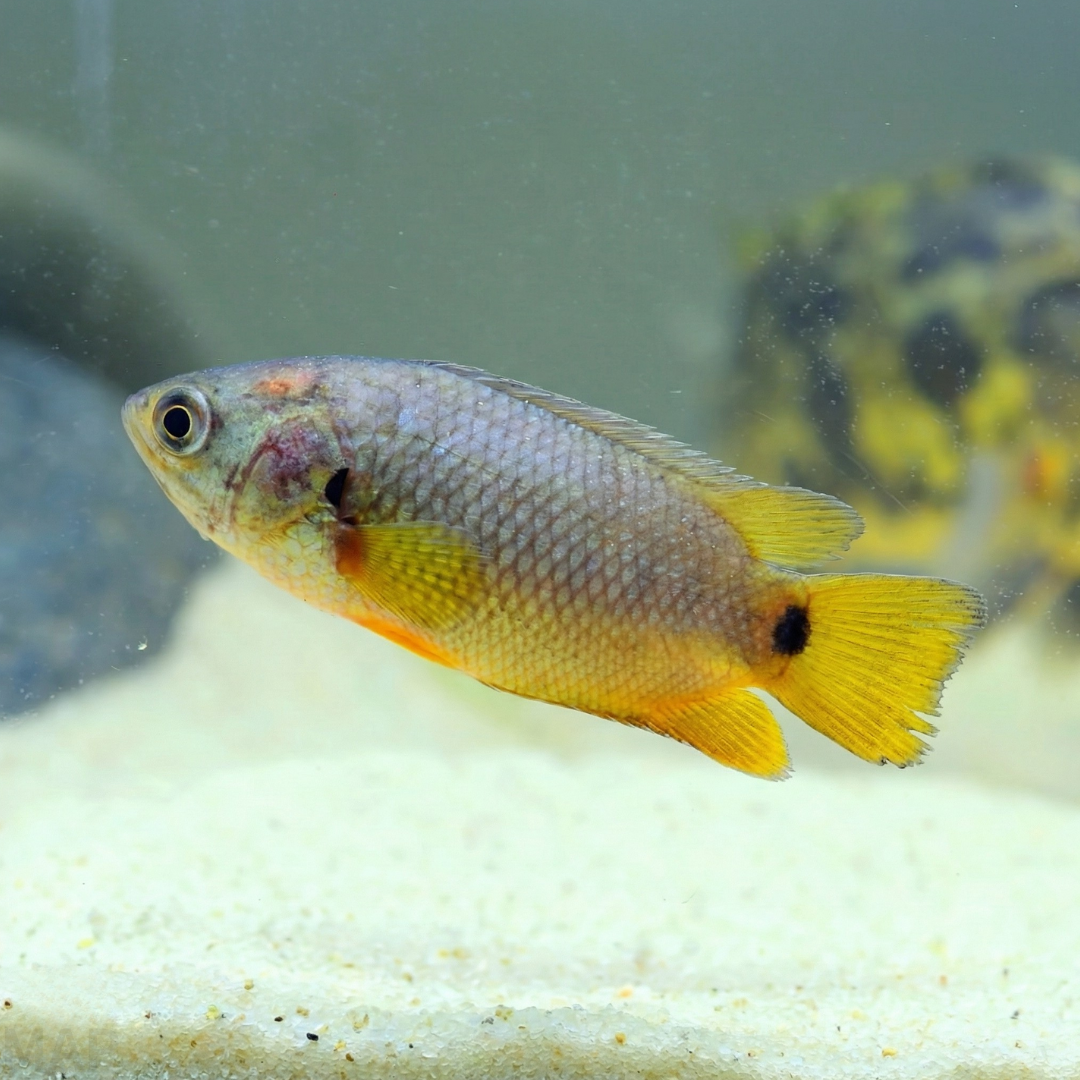
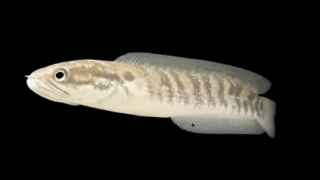
キノボリウオ(アナバス)は、その名の通り「木に登る」という伝説を持つ、アクアリウム界きっての冒険家です。東南アジアの広大な湿地帯や河川に生息する彼らは、「ラビリンス器官」と呼ばれる特殊な呼吸器を持っており、空気中から直接酸素を取り込むことができます。さらに驚くべきは、エラ蓋にある鋭い棘(トゲ)をスパイクのように地面に突き刺し、尾びれを使って力強く陸上を歩く能力です。雨上がりの湿った地面を移動し、時には別の水場へと旅をするその姿は、生命の力強さと進化の不思議さを私たちに教えてくれます。強健で飼育しやすい反面、そのタフさゆえに脱走の名人でもあります。飼育にはしっかりとしたフタが欠かせませんが、野性味あふれる彼らの行動は、見る者を飽きさせない魅力に満ちています。The Climbing Perch, or Anabas, is a legendary adventurer in the aquarium world, famous for the myth that it climbs trees. Inhabiting the vast wetlands and rivers of Southeast Asia, they possess a special respiratory organ called the “labyrinth organ,” allowing them to breathe oxygen directly from the air. Even more surprising is their ability to walk on land by using the sharp spines on their gill covers like spikes and pushing forcefully with their tail fins. Their ability to travel across moist ground after rain, sometimes moving to different water sources, teaches us about the resilience of life and the wonders of evolution. While they are robust and easy to keep, their toughness makes them master escape artists. A secure lid is essential for their tank, but their wild behavior is endlessly fascinating to watch.
基本情報 / Basic Information
学名 / Scientific Name
Anabas testudineus
通称 / Common Name
キノボリウオ、アナバスClimbing perch
分類 / Family
キノボリウオ科(アナバス科)Anabantidae
英名 / English Name
Climbing perch
分布 / Distribution
南アジアから東南アジア全域(インド、タイ、インドネシアなど)。ウォーレス線以西が本来の分布域ですが、パプアニューギニア等にも移入しています。South to Southeast Asia (India, Thailand, Indonesia, etc.). Originally found west of the Wallace Line, but introduced to Papua New Guinea and other regions.
最大体長 / Max Size
約25cm(飼育下では15cm前後で止まることが多いです)Approx. 25cm (Often stays around 15cm in captivity)
寿命 / Lifespan
5年以上(非常に強健で長生きする傾向があります)5+ years (They tend to be very hardy and long-lived)
飼育環境 / Aquarium Environment
水槽サイズ / Tank Size
60cm規格水槽以上推奨(力が強く活発なため、90cm水槽があれば理想的です)60cm standard tank or larger recommended (90cm tank is ideal as they are strong and active)
水温 / Temperature
20〜30℃(22〜28℃が最適)
水質 / Water Quality
pH 5.5〜8.0(弱酸性から中性を好みますが、適応範囲は広いです)pH 5.5-8.0 (Prefers slightly acidic to neutral, but highly adaptable)
レイアウト / Layout
土管や流木で隠れ家を多く作ります。水草はアヌビアスなどの葉が硬く丈夫な種類が適しています。Create many hiding spots with pipes or driftwood. Hardy plants with tough leaves like Anubias are suitable.
注意点 / Precautions
【脱走対策が最重要】水槽のフタは必須です。エラ蓋の棘を使ってわずかな隙間やコードの穴からでも脱走します。フタには重石を置くか、クリップで固定してください。[Escape Prevention is Crucial] A tank lid is mandatory. They can escape through tiny gaps or cord holes using their gill spines. Weight down the lid or secure it with clips.
餌と給餌 / Feeding
餌の種類 / Diet
肉食性の強い雑食です。人工飼料(肉食魚用ペレット)をよく食べます。おやつとして冷凍アカムシなども喜びます。Omnivorous with strong carnivorous tendencies. They eat artificial feed (carnivore pellets) well. Frozen bloodworms are good as treats.
給餌のポイント / Feeding Tips
大食漢ですが、肥満を防ぐため与えすぎに注意します。1日数分で食べきれる量を与えてください。They are gluttonous, but be careful not to overfeed to prevent obesity. Feed an amount they can finish in a few minutes daily.
性格と混泳 / Temperament and Tank Mates
性格 / Temperament
気性が荒く、同種間では激しく争うことがあります。また、口に入るサイズの魚は捕食してしまいます。Aggressive and may fight fiercely with conspecifics. Also, they will prey on any fish small enough to fit in their mouths.
混泳の相性 / Compatibility
基本的には単独飼育が推奨されます。小型魚との混泳は不可です。大型魚との混泳も、棘で相手を傷つけるリスクがあるため避けたほうが無難です。Solitary keeping is basically recommended. Mixing with small fish is impossible. Mixing with large fish is also risky as their spines can injure tank mates.
病気と対策 / Diseases and Prevention
かかりやすい病気 / Common Diseases
非常に強健で病気にはなりにくいですが、飛び出し事故や、狭い隙間に挟まっての怪我には注意が必要です。Very hardy and rarely gets sick, but beware of jumping accidents and injuries from getting stuck in narrow gaps.
対策と予防 / Prevention
隙間を塞ぐこと、安定した水質を保つことが最大の予防です。導入時の水合わせは慎重に行いましょう。Blocking gaps and maintaining stable water quality are the best prevention. Acclimatize carefully when introducing them.
増やし方(繁殖) / Breeding
繁殖形態 / Reproduction
水面に浮かぶ浮遊卵を産みます。ベタのように泡巣を作ることはありません。オスがメスに巻き付いて産卵を促します。They lay floating eggs on the water surface. They do not build bubble nests like Bettas. The male wraps around the female to induce spawning.
繁殖のポイント / Breeding Tips
稚魚は非常に小さく、孵化直後はインフゾリア(ゾウリムシ)などの微細な餌が必要です。親魚は卵を食べてしまうため、産卵後は隔離します。The fry are tiny and need microscopic food like infusoria immediately after hatching. Isolate parents after spawning as they will eat the eggs.
雑学と豆知識 / Trivia and Fun Facts
1. 本当に木に登るのか?名前の由来 / 1. Do they really climb trees? Origin of the name
学名の「Anabas」は「登る」という意味です。1791年、インドでヤシの木の上にいるこの魚が発見され、「木登りする魚」として報告されました。現在では、鳥に運ばれたか、洪水の水位上昇で取り残されたと考えられていますが、このインパクトのあるエピソードが名前の由来となりました。The scientific name “Anabas” means “to climb.” In 1791, this fish was found on a palm tree in India and reported as a “climbing fish.” Although it is now believed they were carried by birds or stranded by floodwaters, this impactful episode became the origin of their name.
2. 陸上移動のメカニズム / 2. Mechanism of land locomotion
彼らはただ跳ねるだけでなく、計算された動きで陸を進みます。エラ蓋にある鋭い棘(スパイク)を地面に突き刺して体を固定し、尾びれを地面に押し付けてキックすることで前進します。空気呼吸ができるラビリンス器官と、この歩行能力のおかげで、水が干上がっても別の水場へ移動できるのです。They don’t just flop around; they move with calculated precision. They spike their sharp gill cover spines into the ground to anchor themselves, then kick off by pressing their tail fin against the ground to move forward. Thanks to their labyrinth organ for air breathing and this walking ability, they can move to another water source even if their home dries up.
3. 現地では人気の「高級食材」 / 3. Popular “Delicacy” locally
日本では観賞魚ですが、ベンガル地方などでは「Koi(コイ)」と呼ばれ、非常に美味で栄養価の高い魚として愛されています。特に「コイ・マチェル・ジョル」というスパイスの効いたカレー料理は有名で、お祝いの席や、病後の滋養強壮食としても振る舞われるほど、生活に根付いた魚なのです。While they are ornamental fish in Japan, in regions like Bengal, they are called “Koi” and loved as a delicious and highly nutritious fish. A spicy curry dish called “Koi Macher Jhol” is particularly famous and is so rooted in daily life that it is served at celebrations and as a restorative meal for recovery from illness.
まとめ / Conclusion
キノボリウオは、水の中から陸へと生活圏を広げようとする進化のドラマを体現したような魚です。その強靭な生命力とユニークな生態は、飼育者に多くの発見を与えてくれるでしょう。ただし、その「生きる力」の強さは、野外に放たれた際に地域の生態系を脅かすリスクも孕んでいます。沖縄などで定着が懸念されている通り、絶対に脱走させず、責任を持って終生飼育することが、この伝説の魚と付き合うための絶対条件です。しっかりとフタをした水槽で、彼らの冒険心あふれる姿をじっくりと観察してみてください。The Climbing Perch embodies the evolutionary drama of expanding life from water to land. Their robust vitality and unique ecology will offer many discoveries to the keeper. However, the strength of their “will to live” also carries the risk of threatening local ecosystems if released into the wild. As feared with their establishment in Okinawa, preventing escape and keeping them responsibly for life are absolute conditions for living with this legendary fish. Please observe their adventurous spirit carefully in a securely lidded tank.
※本稿は、現地の食文化や歴史的背景を含む包括的な調査報告に基づき作成されました。*This article was created based on a comprehensive research report including local food culture and historical background.



 ポチップ
ポチップ


コメント