

解説 / Description
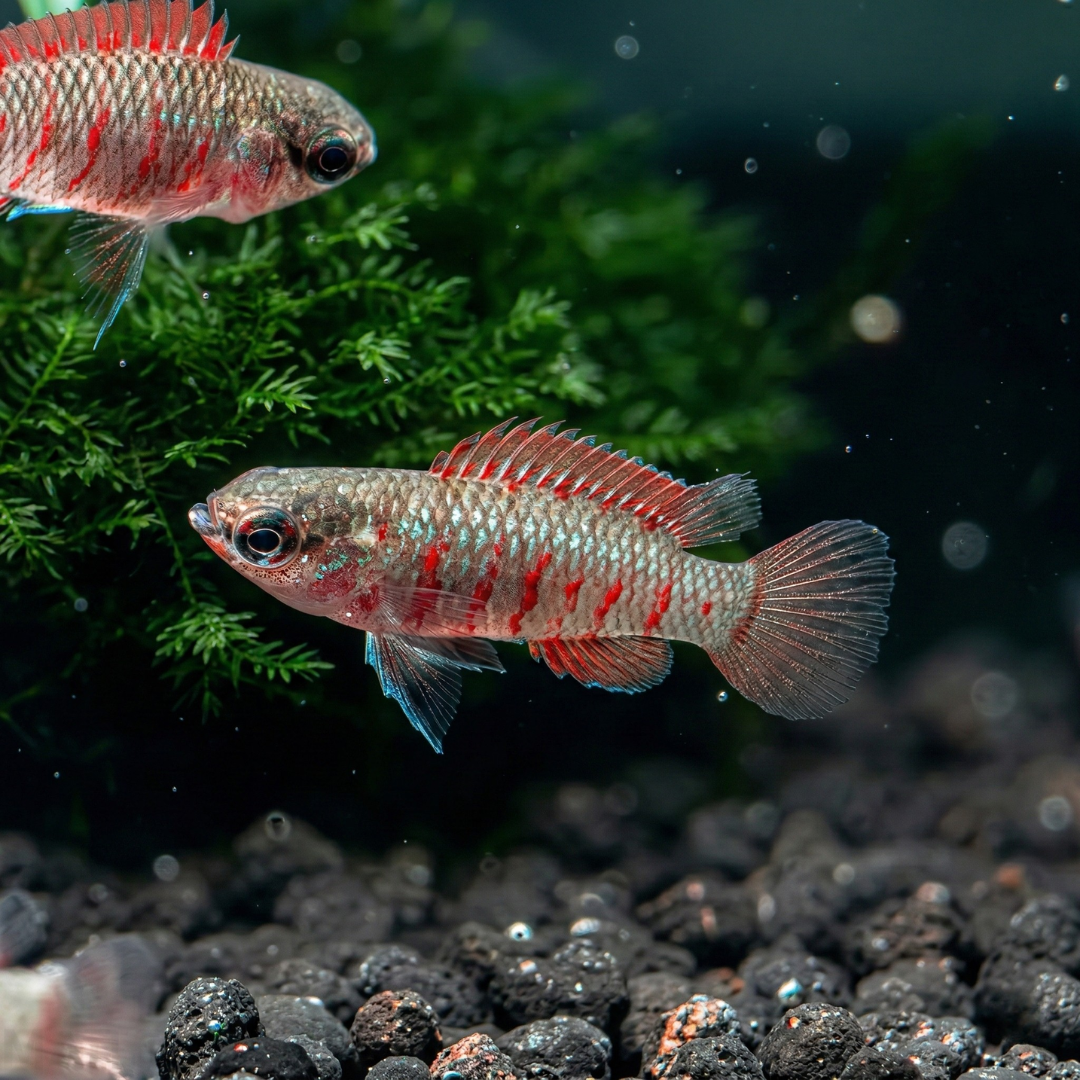
その名の通り「真紅の宝石(Scarlet Gem)」と呼ぶにふさわしい、インド原産の極小魚です。成熟したオスは、燃えるような赤色に青く輝くバンド模様が入り、わずか2cmほどの体とは思えないほどの存在感を放ちます。かつてはバディス属に含まれていましたが、その特異な生態から2002年に新たにダリオ属として再分類されました。水草が茂る小さな水槽(ナノタンク)で、宝石を探すように観察するのがこの魚の醍醐味です。非常に美しい反面、人工飼料をほとんど食べないという偏食傾向があるため、飼育者の技術と愛情が試される魚でもあります。 True to its name, the Scarlet Gem is a tiny, jewel-like fish from India. Mature males display a burning red color with shimmering blue bands, commanding a presence that belies their small 2cm size. Formerly classified under the genus Badis, they were reclassified into the new genus Dario in 2002 due to their unique ecology. Ideally suited for nano tanks with dense vegetation, observing them is like hunting for hidden gems. While incredibly beautiful, they are notoriously picky eaters that rarely accept artificial food, testing the skill and dedication of the aquarist.
基本情報 / Basic Information
| 学名 / Scientific Name | Dario dario |
|---|---|
| 通称 / Common Name | スカーレットジェムScarlet Gem / Scarlet Badis |
| 分類 / Family | スズキ目 バディス科 ダリオ属Perciformes, Badidae, Dario |
| 英名 / English Name | Scarlet Badis, Scarlet Gem Badis |
| 分布 / Distribution | インド(西ベンガル州、アッサム州)、ブラマプトラ川水系India (West Bengal, Assam), Brahmaputra River system |
| 最大体長 / Max Size | オス:約2.0〜2.5cm(メスは一回り小さく地味)Male: 2.0-2.5cm (Females are smaller and duller) |
| 寿命 / Lifespan | Biswas & Marbaniang(2022)は3〜6年と紹介しています。長期飼育データによる平均寿命は未確認です。Biswas & Marbaniang (2022) give a lifespan of 3–6 years. An average lifespan based on long-term captive data has not been verified. |
飼育環境 / Aquarium Environment
| 水槽サイズ / Tank Size | 30cmキューブ水槽(約25L)推奨。20cm規格水槽等の小型水槽でも飼育可能。Recommended: 30cm Cube (25L). Can be kept in smaller tanks like 20cm standard tanks. |
|---|---|
| 水温 / Temperature | 23〜25℃ |
| 水質 / Water Quality | 中性〜弱アルカリ性(pH 6.5〜8.5)。日本の水道水(カルキ抜き済み)によく適応します。Neutral to slightly alkaline (pH 6.5-8.5). Adapts well to Japanese tap water (dechlorinated). |
| レイアウト / Layout | 水流を嫌うため、フィルターの水流は極力弱めます。現地環境を模して細かい砂を敷き、ウィローモスなどの水草を密生させて隠れ家を作ります。They dislike strong currents, so minimize filter flow. Use fine sand and dense plants like Willow Moss to create hiding spots, mimicking their natural habitat. |
| 注意点 / Precautions | 夏場の高水温(30℃以上)には弱いため、クーラーやファンでの対策が必要です。また、極端な酸性水(ソイルの使いすぎ等)は避けてください。Vulnerable to high temperatures (over 30°C) in summer; cooling is necessary. Avoid extremely acidic water. |
餌と給餌 / Feeding
| 餌の種類 / Diet | 【最重要】基本的に生き餌が必要です。沸かしたてのブラインシュリンプ幼生やタマミジンコが最適です。冷凍ベビーブラインシュリンプも有効です。[Critical] Live food is basically required. Freshly hatched Brine Shrimp larvae or Moina (Daphnia) are best. Frozen baby brine shrimp are also effective. |
|---|---|
| 給餌のポイント / Feeding Tips | 「動くもの」に反応する視覚捕食者(マイクロプレデター)です。人工飼料は「食べないもの」と考えて準備をしておくのが無難です。スポイトで目の前に落とすように与えます。They are micropredators that react to movement. It is safer to assume they will not eat artificial food. Feed them by dropping food right in front of them using a pipette. |
性格と混泳 / Temperament and Tank Mates
| 性格 / Temperament | オス同士は縄張り意識が強く、ヒレを広げて争います(フィンスプレッディング)。ただし、他種に対しては無関心で温和です。Males are territorial towards each other and will flare their fins. However, they are indifferent and peaceful towards other species. |
|---|---|
| 混泳の相性 / Compatibility | サイズが小さく動きもゆっくりなため、活発すぎる魚との混泳は餌をとれなくなるので避けます。ミナミヌマエビ等の稚エビは好んで捕食します。Avoid overly active fish as they may outcompete them for food. They will gladly predate on juvenile shrimp (like Neocaridina). |
病気と対策 / Diseases and Prevention
| かかりやすい病気 / Common Diseases | 拒食による痩せ、水質悪化による松かさ病やカラムナリス症。Emaciation due to refusal to eat, Dropsy or Columnaris due to poor water quality. |
|---|---|
| 対策と予防 / Prevention | 最大の予防策は「確実に餌を食べさせること」です。痩せてくると回復が難しいため、日々の観察で腹部の膨らみを確認します。週1回の水換えも必須です。The best prevention is ensuring they eat. Recovery from emaciation is difficult, so check their belly fullness daily. Weekly water changes are essential. |
増やし方(繁殖) / Breeding
| 繁殖形態 / Reproduction | 水草へのばら撒き産卵型です。オスがメスに巻きつくように求愛し、ウィローモスなどの茂みに産卵します。泡巣(バブルネスト)は作りません。Egg-scattering type. Males wrap around females to spawn in dense plants like Willow Moss. They do not build bubble nests. |
|---|---|
| 繁殖のポイント / Breeding Tips | 稚魚が非常に小さく、初期飼料としてインフゾリア(ゾウリムシなど)の準備が不可欠です。また、そもそもメスの入手が非常に困難であることが最初のハードルです。Fry are tiny and require Infusoria as a first food. The biggest hurdle is simply obtaining a female in the first place. |
雑学と豆知識 / Trivia and Fun Facts
| 1. なぜメスが売っていないのか? / 1. The Mystery of the Missing Females | ショップでスカーレットジェムのメスを見かけることは稀です。これは、赤く美しいオスのみを選別して出荷する商業的な慣習と、養殖業者が繁殖用としてメスを囲い込む傾向があるためです。地味な灰色の魚がいればメスの可能性がありますが、劣位のオスが攻撃を避けるためにメスのふり(擬態)をしているケースも多く、プロでも判別が困難です。Females are rarely seen in shops. This is due to commercial selection for colorful males and breeders keeping females for production. Drab grey fish might be female, but sub-dominant males often mimic females to avoid aggression, making identification difficult even for pros. |
|---|---|
| 2. 「バディス」から「ダリオ」へ / 2. From Badis to Dario | かつて本種はバディス属(Badis badis bengalensisなど)とされていましたが、2002年の研究で新属「ダリオ(Dario)」が設立されました。決め手となったのはサイズだけでなく、ダリオ属には「目に見える側線がない」「尾ビレが丸くない(截形)」「親が積極的に子育てをしない」といった明確な違いがあったためです。学名のDarioは、原産地ベンガルの言葉でこの魚を指す「Darhi」に由来します。Formerly classified as Badis, the genus “Dario” was established in 2002. Key differences include the lack of a visible lateral line, a truncated tail fin, and less parental care compared to Badis. The name comes from “Darhi,” the local Bengali word for this fish. |
| 3. 現地の暮らしとビオトープ / 3. Native Habitat & Biotope | 彼らの故郷であるインドのブラマプトラ川水系では、大きな川の本流ではなく、水深数十センチの浅い小川や湿地帯に住んでいます。そこはハイグロフィラやロタラといった日本でもおなじみの水草が密生する場所です。彼らはその草むらを縫うように泳ぎ、水草につく微小な虫を食べて暮らしています。水槽でも水草をたっぷり植えることで、彼らの本来の生き生きとした姿を引き出すことができます。In the Brahmaputra system, they inhabit shallow streams and wetlands, not the main river. These areas are dense with plants like Hygrophila and Rotala. They weave through vegetation hunting micro-bugs. Heavily planted tanks bring out their natural behavior best. |
まとめ / Conclusion
スカーレットジェムは、日本の住宅事情に適した「小さな水槽で楽しめる最高の観賞魚」の一つですが、決して「初心者向けの簡単な魚」ではありません。人工飼料を食べないという頑固な一面があり、飼育者にはブラインシュリンプを沸かす手間を惜しまない愛情が求められます。 The Scarlet Gem is one of the best fish for small tanks, fitting perfectly into Japanese homes, but it is by no means a “beginner’s fish.” Their refusal to eat artificial food requires an aquarist dedicated enough to hatch brine shrimp daily.
しかし、手間をかけた分だけ、オスが見せる婚姻色の輝きや、水草の森を探索する愛らしい仕草で私たちを魅了してくれます。もし運良くペアを入手できたなら、ぜひ繁殖に挑戦し、この小さな命を次世代へと繋いでみてください。それはアクアリストとして一つの到達点と言えるでしょう。 However, the reward is worth the effort. The male’s breeding colors and their charming behavior as they explore the aquatic forest are captivating. If you are lucky enough to find a pair, breeding them is a true milestone for any aquarist.

気になる道具や飼い方を見つけてみませんか?
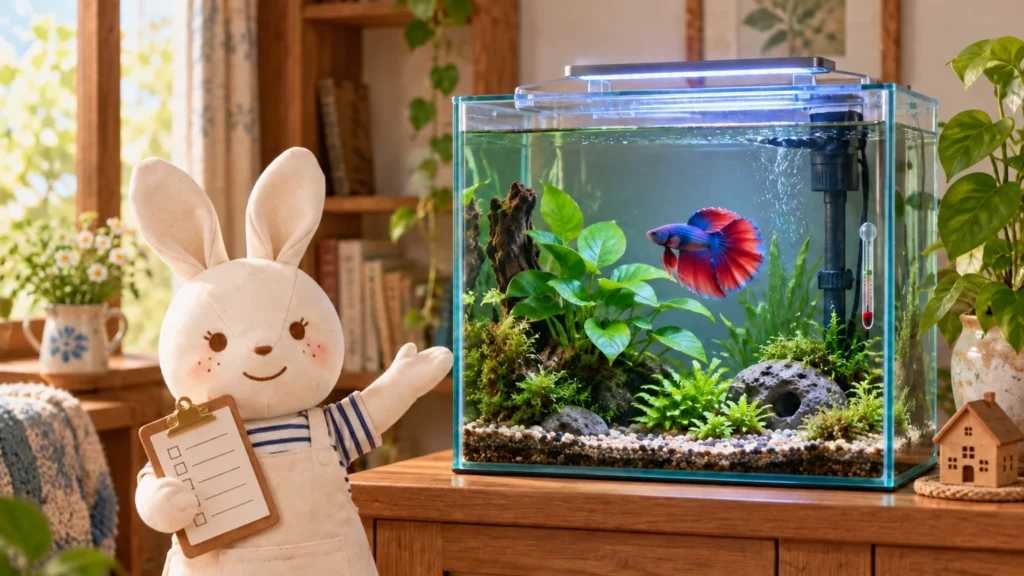 アイのアクアグッズ案内ベタの一匹飼いを楽しむ|水槽・ヒーター・ふた・フィルターの選び方ベタの一匹飼いに向く水槽容量、ふたと空気層、ヒーターと水温計、弱い水流のフィルターを、コタロウとアイの会話で分かりやすく解説します。記事はコチラ →
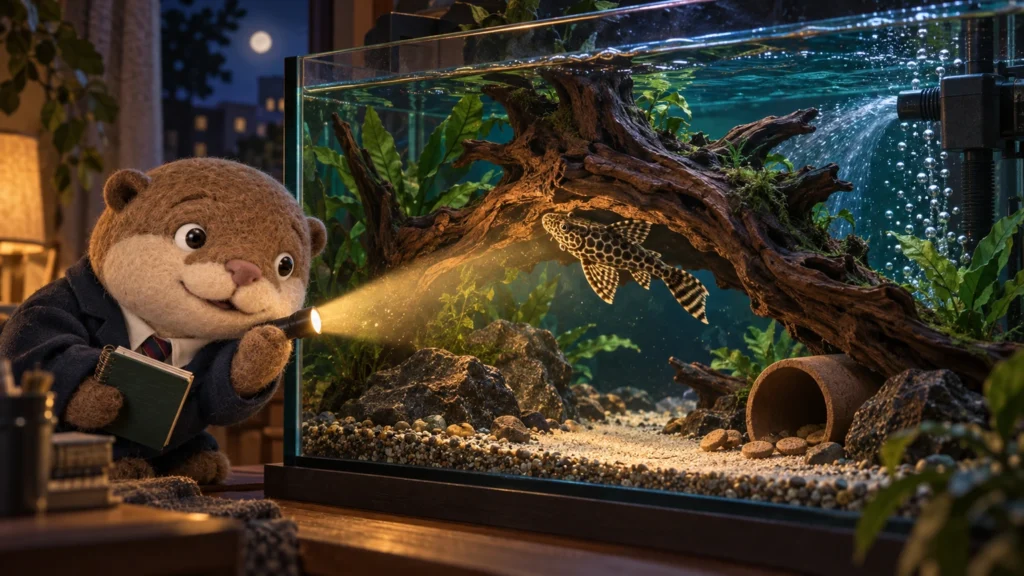 アイのアクアグッズ案内プレコ飼育に必要なもの|餌・流木・ろ過・隠れ家・掃除用品道具の特徴や使い方、選ぶときのポイントをアイが紹介します。記事はコチラ →
さまざまな飼育テーマをご紹介。リンク先の記事には広告・商品紹介が含まれます。
案内・紹介記事一覧へ →分布マップ
スカーレットジェムは、インドの西ベンガル州からアッサム州にかけてのブラマプトラ川水系周辺に分布するとされています。下の地図では、分布イメージを示すために概略代表地点を表示しています。
※このマップは分布欄の記述をもとにした概略プロットです。表示地点は分布イメージ用の代表地点であり、実際の採集地点や厳密な生息範囲を示すものではありません。
参考文献
分類・分布・食性・飼育下の繁殖記録と、活餌・健康管理の一般資料を用途別に掲載しています。各資料が扱う範囲は注釈に示します。
分類・分布・生息環境
Froese, R. & Pauly, D. (eds.). FishBase: Dario dario (Hamilton, 1822), Scarlet badis.
学名、分類、雌雄の形態、インドでの分布、浅い小川の水深・底質・水草群落を確認する資料。掲載される体長は標準体長であり、尾鰭を含む全長とは区別されます。
資料を読む
Kullander, S. O. & Britz, R. (2002). Revision of the family Badidae (Teleostei: Perciformes), with description of a new genus and ten new species. Ichthyological Exploration of Freshwaters, 13(4): 295–372.
ダリオ属の設立とバディス科の分類改訂に関する基礎文献。リンク先は著者の業績一覧で、原論文の全文ではありません。
資料を読む
Brahmane, M. P., Mitra, K. & Mishra, S. S. (2008). RAPD fingerprinting of the ornamental fish Badis badis (Hamilton 1822) and Dario dario (Kullander and Britz 2002) (Perciformes, Badidae) from West Bengal, India. Genetics and Molecular Biology, 31(3): 789–792.
西ベンガル州で採集した両種の遺伝的識別を扱う研究。近縁種との区別と地域の採集記録に対応する資料で、飼育数値や繁殖方法を検証した研究ではありません。
資料を読む
食性・飼育下の繁殖
Biswas, G. & Marbaniang, B. J. (2022). Scarlet Badis (Dario dario): A Hidden Gem of the Brahmaputra Basin. Agriculture & Food E-Newsletter, 4(10): 127–129.
本種のブラマプトラ川水系での分布、水草の多い生息環境、微小な甲殻類・虫などを捕食する食性、雌雄の外観を解説する研究者による紹介資料。査読付きの繁殖実験論文ではなく、人工飼料の拒否率や日本市場の雌の流通事情を直接検証したものでもありません。リンク先は著者が公開した本文です。
資料を読む
Pagel, T. B. (2018). Jahresbericht 2017 der Aktiengesellschaft Zoologischer Garten Köln. Zeitschrift des Kölner Zoos, 61. Jahrgang, Heft 1, p. 24.
ケルン動物園の年次報告。本種の飼育下繁殖による73個体の育成記録を掲載しています。繁殖が実現していることを示す一次記録ですが、産卵手順や初期飼料の詳細を示す資料ではありません。
資料を読む
活餌・健康管理の一般資料
Rottmann, R. W., Graves, J. S., Watson, C. & Yanong, R. P. E. Culture Techniques of Moina: The Ideal Daphnia for Feeding Freshwater Fish Fry. University of Florida, IFAS Extension, CIR1054 / FA024.
淡水魚用のタマミジンコ類の培養、餌の大きさ、給餌量と培養維持を解説する一般資料。本種の孵化直後の仔魚にタマミジンコが適合することや、インフゾリアが必須であることを直接検証した資料ではありません。
資料を読む
Yanong, R. P. E. Fish Health Management Considerations in Recirculating Aquaculture Systems—Part 3: General Recommendations and Problem-Solving Approaches. University of Florida, IFAS Extension, Cir 122 / FA101.
水質、給餌、ストレス、隔離観察、衛生管理など、魚の健康維持に関する一般資料。本種固有の病気の発症率や特定の治療法を示す資料ではありません。
資料を読む
資料の範囲:この文献一覧は、本文の全記述を一括して裏付けるものではありません。飼育水槽の推奨寸法、水温・pHの飼育範囲、人工飼料を受け付けない程度、雌の入手難の原因、孵化直後のインフゾリアの必要性は、上記資料だけでは直接確認できません。寿命欄の3〜6年はBiswas & Marbaniang(2022)の紹介資料に基づく記載です。長期飼育データによる平均寿命の裏付けは確認できていません。
確認日:2026年10月7日。




コメント