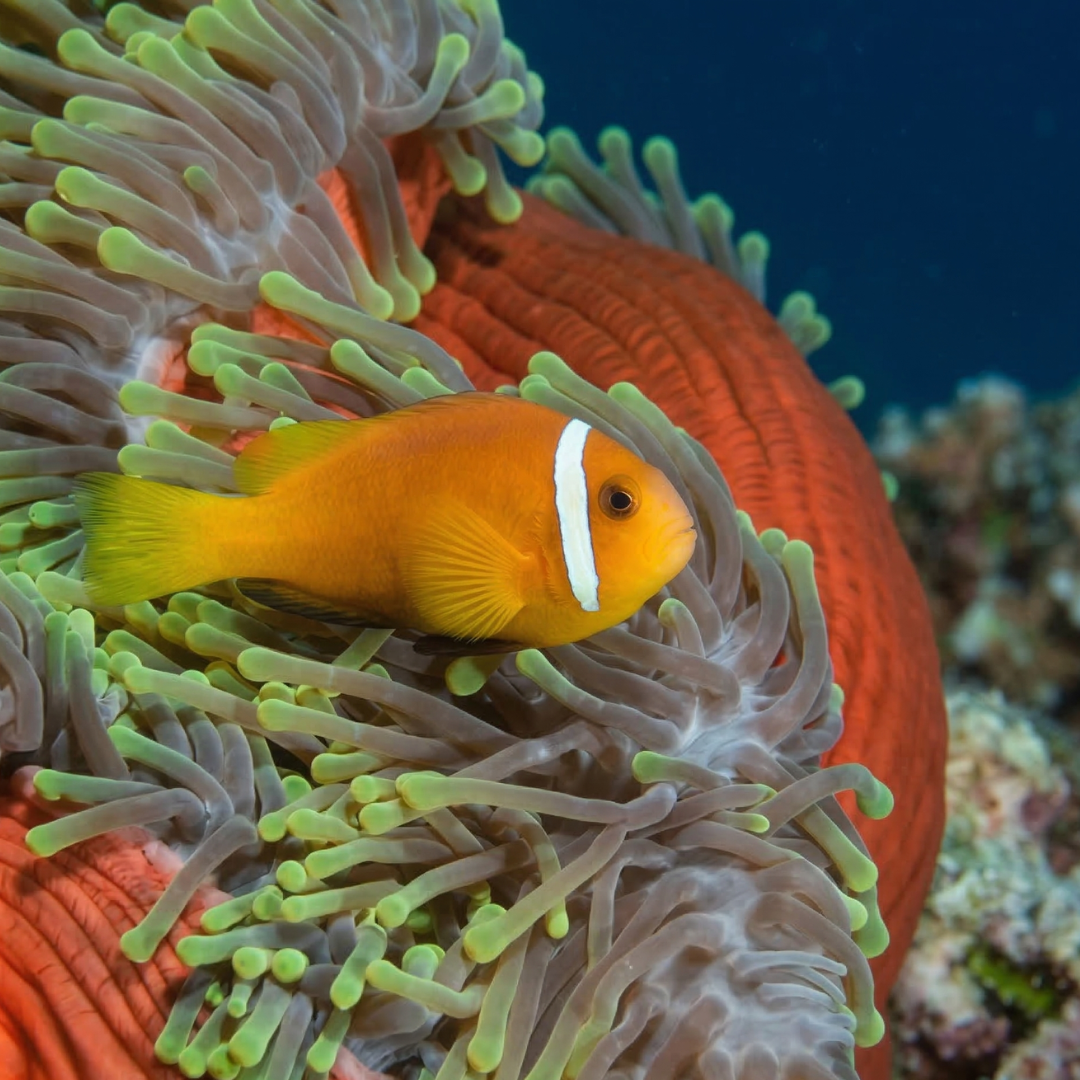
モルジブアネモネフィッシュは、その名の通りモルディブ諸島を中心に、インド洋のごく限られた海域にのみ生息する希少なクマノミの仲間です。赤みがかった深いオレンジ色の体色に、頭部を走る一本の白いライン、そして何よりも種小名に由来する漆黒の腹鰭と尻鰭が、他のクマノミ類にはない気品と存在感を放っています。自然界ではセンジュイソギンチャクただ一種のみを宿主とする「スペシャリスト」であり、強力な毒を持つ触手の中に身を委ねる姿は、マリンアクアリウムにおける最も美しい共生の情景の一つと言えるでしょう。The Maldives Anemonefish is a rare species of clownfish found exclusively in limited areas of the Indian Ocean, primarily around the Maldives. It features a deep rusty-orange body with a single white headbar and distinctive jet-black pelvic and anal fins, from which its specific name is derived. In the wild, they are specialists that bond only with the Magnificent Sea Anemone (Heteractis magnifica). The sight of them nestled within the potent tentacles is one of the most beautiful examples of symbiosis in the marine aquarium.
ライブロックと底砂。共生させる場合は、強光と強いランダムな水流を確保すること。Live rock and sand bed. Ensure intense lighting and strong random water flow if keeping with an anemone.
注意点 / Precautions
導入直後のブルックリネラ病(クマノミ病)に注意。慎重な水合わせとトリートメントが必須。Highly susceptible to Brooklynella (Clownfish Disease) upon introduction. Careful acclimation and quarantine are essential.
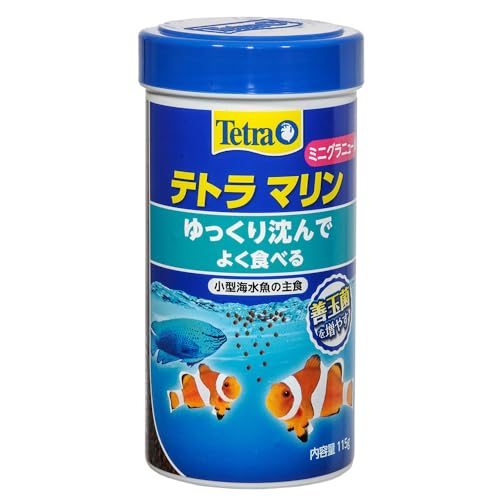
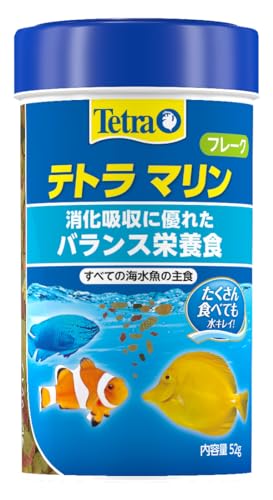
1日1〜2回、少量を。色揚げ効果のある植物性飼料を混ぜると美しいオレンジ色が維持されます。Feed 1-2 times daily in small amounts. Including plant-based foods helps maintain their vibrant orange color.
性格と混泳 / Temperament and Tank Mates
性格 / Temperament
基本的には平和的だが、同種や近縁種に対しては強い縄張り意識を持つ。Generally peaceful but highly territorial toward conspecifics or closely related species.
混泳の相性 / Compatibility
他種との混泳は容易。宿主のセンジュイソギンチャクが他の小型魚を捕食する場合があるため、その点に注意。Good with other species. Be cautious as the host anemone may prey on smaller tank mates.
病気と対策 / Diseases and Prevention
かかりやすい病気 / Common Diseases
ブルックリネラ病(クマノミ病)、白点病、トリコディナ症。Brooklynella hostilis, Marine Ich (Cryptocaryon), and Trichodina.
対策と予防 / Prevention
導入時の水合わせを徹底し、ストレスを最小限に抑えること。殺菌灯の設置も有効。Proper acclimation is vital to minimize stress. UV sterilizers can be effective for prevention.
産卵床として素焼きの鉢を用意。稚魚の育成にはワムシ等の微小な初期餌料が不可欠です。Provide earthen pots as spawning sites. Rotifers are essential as initial food for the tiny larvae.
雑学と豆知識 / Trivia and Fun Facts
1. 学名の由来と「黒い足」の正体 / 1. Etymology and the “Black Feet”
学名の種小名「nigripes」は、ラテン語で「黒い足」を意味します。これは本種の腹鰭が鮮やかな黒色に染まる特徴を捉えたもので、英語圏では「ブラックフィンド・アネモネフィッシュ」の名で親しまれています。クマノミ類の中でも、この「黒い足」を持つのは本種を含むごく一部のグループだけであり、オレンジ色の体とのコントラストは自然界が作り出した芸術品と言えるでしょう。The specific name “nigripes” means “black feet” in Latin, referring to the striking black pelvic fins. Known as the Blackfinned Anemonefish, this contrast with its orange body is a natural masterpiece. Only a few species in the clownfish group possess such distinctive black fins, making it a unique standout in the wild.
2. 猛毒を無効化する「糖」の鎧 / 2. A “Sugar” Armor Against Venom
宿主であるセンジュイソギンチャクの触手には、魚を麻痺させる猛毒の刺胞が無数に備わっています。しかし、本種は平然とその中を泳ぎ回ることができます。最新の研究では、彼らの体表を覆う粘液が通常のタンパク質ベースではなく「糖類」をベースに構成されていることが示唆されています。これにより、イソギンチャクの刺胞はクマノミを「餌」として認識できず、攻撃を仕掛けないという、高度な生化学的ハッキングが行われているのです。The host anemone has venomous nematocysts, yet the fish swims through them unharmed. Recent research suggests their mucus is sugar-based rather than protein-based. This biochemical hacking tricks the anemone into not recognizing the fish as prey, preventing the discharge of stinging cells.
3. モルディブ政府による保護と養殖の夜明け / 3. Maldivian Protection and the Dawn of Aquaculture
かつては乱獲による絶滅も危惧された本種ですが、2020年にモルディブ政府が下した「天然イソギンチャクの輸出全面禁止」により、流通環境は激変しました。現在、日本で手に入る個体は、養殖技術の向上により生まれたブリード個体や、他地域産のイソギンチャクとマッチングされたものが中心です。この変化は、サンゴ礁の生態系を守りながらアクアリウムを楽しむという、持続可能な趣味の世界への第一歩となっています。Due to past overfishing concerns, the Maldives government banned the export of wild anemones in 2020. Today, the market relies on improved aquaculture and sustainable matching with anemones from other regions. This shift marks a vital step toward enjoying the hobby while preserving coral reef ecosystems.
まとめ / Conclusion
モルジブアネモネフィッシュは、その美しい色彩だけでなく、センジュイソギンチャクとの強固な絆や、特異な社会構造など、知れば知るほど深い魅力に溢れた魚です。飼育、特に共生関係の維持には高度な設備と知識が求められますが、それに応えるだけの感動を与えてくれることは間違いありません。The Maldives Anemonefish is a fascinating species, captivating not just with its colors but with its strong bond with the Magnificent Anemone and its unique social structure. While maintaining this symbiotic relationship requires advanced equipment and knowledge, the rewarding experience it offers is truly incomparable.
私たちがこの美しいインド洋の至宝を水槽で迎えるとき、それは単なる観賞ではなく、遥か彼方のサンゴ礁の物語に触れることでもあります。持続可能な飼育を心がけ、自然への敬意を忘れずに、素晴らしいアクアリウムライフを歩んでいきましょう。When we welcome this Indian Ocean gem into our tanks, we are not just observing a fish; we are connecting with the story of distant coral reefs. Let us pursue a sustainable hobby with respect for nature and enjoy a wonderful aquarium life.
Regan, C. T. (1908). Report on the marine fishes collected by Mr. J. Stanley Gardiner in the Indian Ocean. Transactions of the Linnean Society of London. 2. Series. Zoology, 12(3), 217-255.
Madhu, K., & Madhu, R. (2014). Captive breeding and rearing of the Maldives anemonefish Amphiprion nigripes. Indian Journal of Geo-Marine Sciences, Vol. 43(6).
Ministry of Fisheries, Marine Resources and Agriculture, Maldives. (2020). General Fisheries Regulation (2020/R-75).
IUCN Red List of Threatened Species. Amphiprion nigripes (Maldives Anemonefish).
Fautin, D. G., & Allen, G. R. (1997). Field Guide to Anemonefishes and Their Host Sea Anemones. Western Australian Museum.
Dhaneesh, K. V., et al. (2012). Cytogenetic studies on the anemone fish Amphiprion nigripes (Regan, 1908) from Lakshadweep, India. Journal of Marine Biology.
 ポチップ
ポチップ



コメント