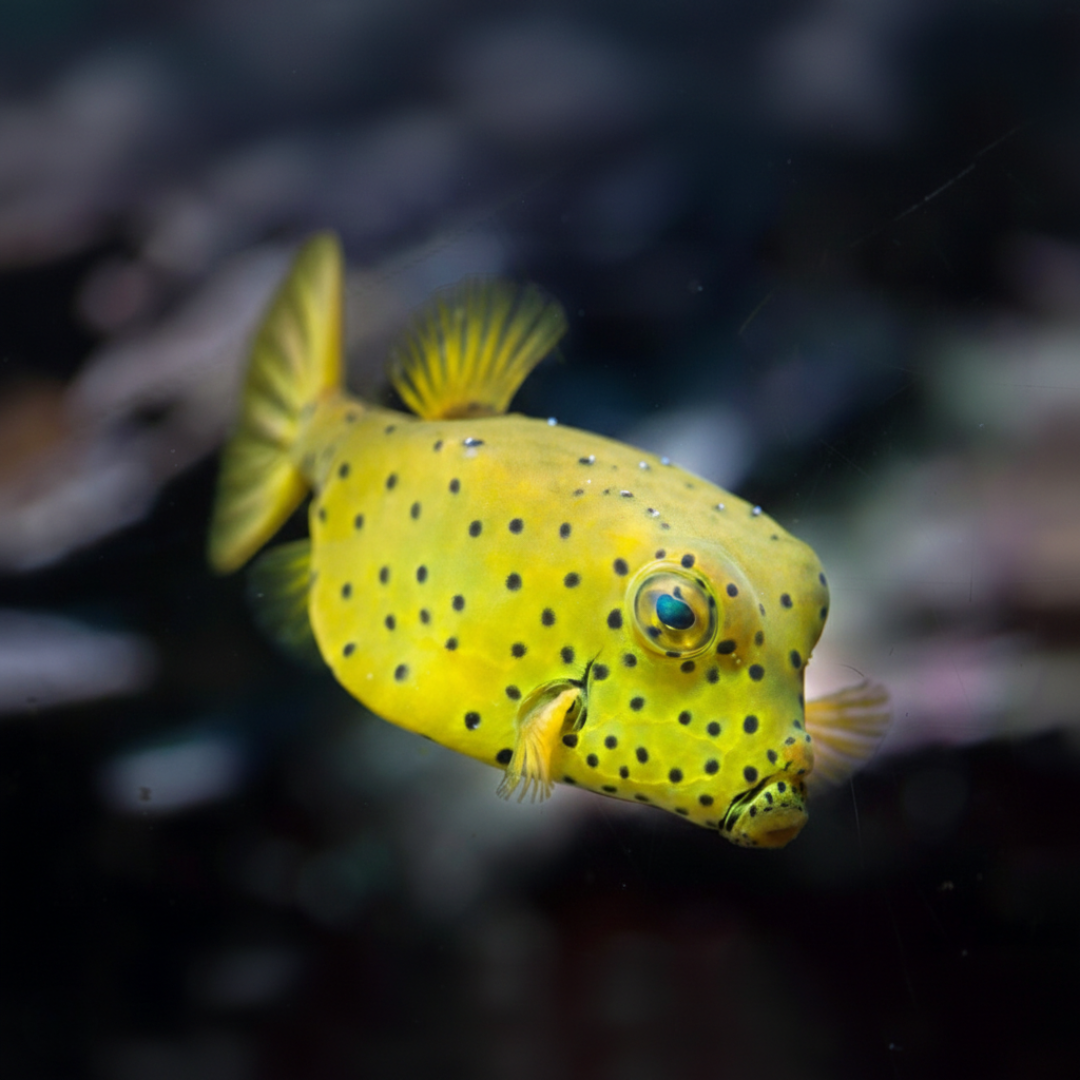
ミナミハコフグは、その名の通り南の暖かい海に生息するハコフグの仲間です。幼魚期に見せる鮮やかな黄色の地色に黒い水玉模様、そしてサイコロのような四角いシルエットは、観賞魚界でも屈指の人気を誇ります。小さなヒレを懸命に動かしてホバリングするように泳ぐ姿は、見る者の心を和ませてくれます。しかし、その愛らしい姿の裏には、外敵から身を守るための強力な毒素や、複雑な骨格構造など、過酷な自然界を生き抜くための驚くべき生態が隠されています。飼育においてはデリケートな一面もありますが、正しく理解して接することで、長く付き合うことのできる素晴らしいパートナーとなるでしょう。The Yellow boxfish (Ostracion cubicus) is a species of boxfish found in the warm tropical waters of the Indo-Pacific. Its vibrant yellow body adorned with black spots and its distinct cube-shaped silhouette make it one of the most popular species in the marine aquarium hobby. While it swims gracefully using its small fins to hover, it possesses remarkable biological features, including potent toxins and a complex skeletal structure developed for survival. Though sensitive in captivity, with proper understanding and care, it becomes a fascinating long-term companion for aquarists.
基本情報 / Basic Information
学名 / Scientific Name
Ostracion cubicus
通称 / Common Name
ミナミハコフグYellow boxfish
分類 / Family
フグ目 ハコフグ科 ハコフグ属Ostraciidae
英名 / English Name
Yellow boxfish, Polka-dot boxfish
分布 / Distribution
インド洋、太平洋の熱帯・亜熱帯海域、日本では和歌山県以南の沿岸域。Tropical and subtropical waters of the Indo-Pacific, including coastal regions south of Wakayama, Japan.
最大体長 / Max Size
35cm~45cm程度Approx. 35cm to 45cm
寿命 / Lifespan
10年以上(適切な飼育環境下)More than 10 years (under optimal conditions)
飼育環境 / Aquarium Environment
水槽サイズ / Tank Size
幼魚期は60cm規格水槽でも可能だが、成魚を見据えると最低でも90cm規格水槽(約160L)、最終的には120cm~150cmワイド水槽が必要。A 60cm tank is acceptable for juveniles, but a minimum of a 90cm standard tank (approx. 160L) or eventually a 120-150cm wide tank is required for adults.
水温 / Temperature
25℃前後(25℃~29℃の範囲で安定させること)
水質 / Water Quality
海水(比重1.020~1.025)、pH 8.1~8.4。非常にデリケートなため、安定した水質が不可欠。Marine water (Specific Gravity 1.020-1.025), pH 8.1-8.4. Requires stable water quality as they are highly sensitive.
レイアウト / Layout
ライブロックで隠れ家を作りつつ、泳ぐスペースを確保。水流は直接当てず、水面を揺らす程度の緩やかなものが理想。Provide caves using live rock while maintaining swimming space. Water flow should be gentle, ideally rippling the surface rather than hitting the fish directly.
注意点 / Precautions
強いストレスを感じると皮膚から「パフトキシン」という毒素を放出。閉鎖環境では自己中毒や他魚の全滅を招くため、ストレス緩和が最優先。Releases a toxin called “pahutoxin” when under severe stress. In closed systems, this can lead to self-poisoning and the death of all tank mates.
餌と給餌 / Feeding
餌の種類 / Diet
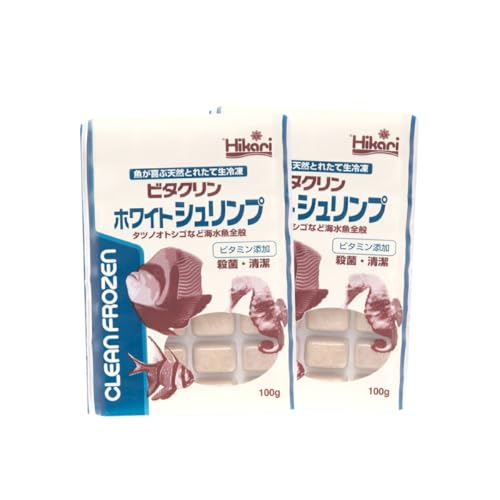
雑食性。アサリ、ホワイトシュリンプ、イサザアミなどの生餌・冷凍餌を好み、徐々に植物性成分を含む人工飼料(ペレット)へ移行。Omnivorous. Prefers live or frozen foods like clams and mysis shrimp. Should be transitioned to high-quality pellets containing vegetable matter.
給餌のポイント / Feeding Tips
餌付け初期は生アサリが有効。口が小さいため小粒の餌を使い、1日2~3回に分けて、食べ残しが出ないよう少量ずつ与える。Fresh clams are effective for initial feeding. Use small-sized pellets due to their small mouths and feed 2-3 times daily in small portions.
性格と混泳 / Temperament and Tank Mates
性格 / Temperament
非常に温和で、動作ものんびりしている。強い相手に攻撃されると、反撃せずに毒を出す恐れがある。Very peaceful and slow-moving. May release toxins if harassed by aggressive tank mates rather than fighting back.
混泳の相性 / Compatibility
パフトキシンのリスクを考慮すると「単独飼育」が絶対的な推奨。混泳させる場合は、極めて温和で生活圏が重ならない小型魚に限定する。Single-species keeping is highly recommended due to the toxin risk. If keeping with others, choose only very peaceful, small fish that inhabit different areas of the tank.
病気と対策 / Diseases and Prevention
かかりやすい病気 / Common Diseases
白点病(非常に罹患しやすい)。粘膜層が薄いため、一度発生すると重症化しやすい。White spot disease (Ich). Their thin mucus layer makes them highly susceptible and prone to severe infections.
対策と予防 / Prevention
銅製剤の使用は厳禁(中毒死の恐れ)。殺菌灯の設置、低比重療法、ビタミン剤やニンニクエキスを混ぜた餌による免疫強化が効果的。Copper-based medications are strictly prohibited as they are toxic to boxfish. Use UV sterilizers, hyposalinity, and vitamin-enriched foods.
増やし方(繁殖) / Breeding
繁殖形態 / Reproduction
卵生。野生下ではペアで産卵を行うが、飼育下での詳細な産卵例は極めて稀。Oviparous. Spawns in pairs in the wild, but successful breeding in home aquariums is extremely rare.
繁殖のポイント / Breeding Tips
家庭内の水槽で繁殖させることは現状では非常に困難。まずは長期的な単独飼育による健康維持に注力すべきである。Currently very difficult to breed in home aquaria. Priority should be given to long-term health maintenance.
雑学と豆知識 / Trivia and Fun Facts
1. 成長とともに変わる「警告」から「隠蔽」への色彩戦略 / 1. Color Strategy: From Warning to Camouflage
幼魚期の鮮やかな黄色は、外敵に対し「自分は毒を持っているぞ」と知らせる警告色として機能しています。しかし、体が大きくなり動きも落ち着いてくる成魚になると、この鮮やかさは失われ、青灰色やくすんだ茶褐色へと変化します。これは周囲の岩場やサンゴ礁に紛れる隠蔽色(クリプシス)へのシフトであり、成長段階に応じた巧妙な生存戦略なのです。The juvenile’s bright yellow color serves as a warning signal to predators. As they grow into adults, they transition to a duller blue-grey or brown, shifting their strategy from warning colors to camouflage (crypsis) to blend in with reefs and rocks.
2. 二重の毒「パフトキシン」と「パリトキシン」の脅威 / 2. The Double Threat: Pahutoxin and Palytoxin
ミナミハコフグは、自ら分泌する「パフトキシン」と、餌から濃縮される「パリトキシン」という2つの強力な毒を持っています。パフトキシンは周囲の魚の呼吸器を破壊し、パリトキシンは人間が誤食すると筋肉融解を引き起こすほどの猛毒です。このため、ハコフグの調理には専門のフグ調理師免許が必須であり、素人の調理は命に関わるほど危険です。The Yellow boxfish possesses two potent toxins: pahutoxin, which it secretes to kill nearby fish, and palytoxin, which accumulates through its diet. Palytoxin is extremely dangerous to humans if ingested, causing rhabdomyolysis, making professional license essential for handling them as food.
3. 自動車開発にも影響を与えた「ハコフグ・パラドックス」 / 3. The Boxfish Paradox and Automotive Design
かつて、その箱型の体は「究極の流線型」であると考えられ、メルセデス・ベンツのコンセプトカーのモデルにもなりました。しかし後の研究で、実はこの体型は水中で非常に不安定であることが判明。ハコフグはこの「不安定さ」を逆手に取り、小さなヒレを細かく制御することで、サンゴの隙間をすり抜ける驚異的な小回り能力(機動性)を実現しているのです。Once thought to be the “ultimate streamlined shape,” the boxfish influenced Mercedes-Benz concept cars. Later research revealed the shape is actually hydrodynamically unstable, which the fish exploits to achieve incredible maneuverability through complex reef environments.
4. 実は「歌う」魚?音によるコミュニケーション / 4. Singing Fish? Acoustic Communication
ミナミハコフグは、浮袋と特殊な筋肉を使って音を出すことができます。ゆったりとした「ハム音」は仲間同士の会話に、突然の大きな「クリック音」は敵への警告に使われると考えられています。見た目の可愛らしさだけでなく、音波というチャネルを通じても複雑な社会活動を行っている、非常に知的な魚と言えるでしょう。The Yellow boxfish can produce sounds using its swim bladder and specialized muscles. Slow “hums” are used for social interaction, while loud “clicks” serve as warnings to predators, revealing a surprisingly sophisticated level of acoustic communication.
まとめ / Conclusion
ミナミハコフグは、そのアイドル的なルックスとは裏腹に、非常に複雑な進化的背景を持つ生命体です。飼育環境下では、毒素による自己中毒や病気への感受性の高さなど、乗り越えるべき壁は少なくありません。しかし、水槽の前に立つあなたをじっと見つめ、小さなヒレを動かして近寄ってくる姿を見れば、その苦労も吹き飛ぶことでしょう。Despite its adorable appearance, the Yellow boxfish is a biological marvel with a complex evolutionary background. While keeping them presents challenges such as toxin management and disease sensitivity, the joy of seeing them hover toward you at the glass makes every effort worthwhile for a dedicated aquarist.
終生のパートナーとして迎えるためには、単なる「可愛い魚」としてではなく、高度に特殊化した「生体システム」として彼らを尊重し、最適な環境を提供し続けることが求められます。正しい知識と深い愛情を持って、この素晴らしい箱型のアイドルとのアクアリウムライフを楽しんでください。To keep them successfully, one must respect them not just as “cute fish” but as highly specialized biological systems. With the right knowledge and deep affection, may you enjoy a wonderful aquarium life with this remarkable cubical idol.
DaimlerChrysler (2005). “Mercedes-Benz Bionic Car Concept.”バイオミメティクス(生物模倣技術)におけるハコフグ形態の応用事例
A. Baksh, et al. (2023). “Chromosome-level genome assembly of the yellow boxfish.”Frontiers in Marine Science. フグ目の進化および体甲形成の遺伝的基盤に関する研究報告
Parmentier, E., et al. (2010). “Dual sound production in the yellow boxfish Ostracion cubicus (Ostraciidae).”The Journal of Experimental Biology. 2種類の音響信号(ハム音とクリック音)の生成メカニズムに関する詳細な解析論文


 ポチップ
ポチップ

コメント