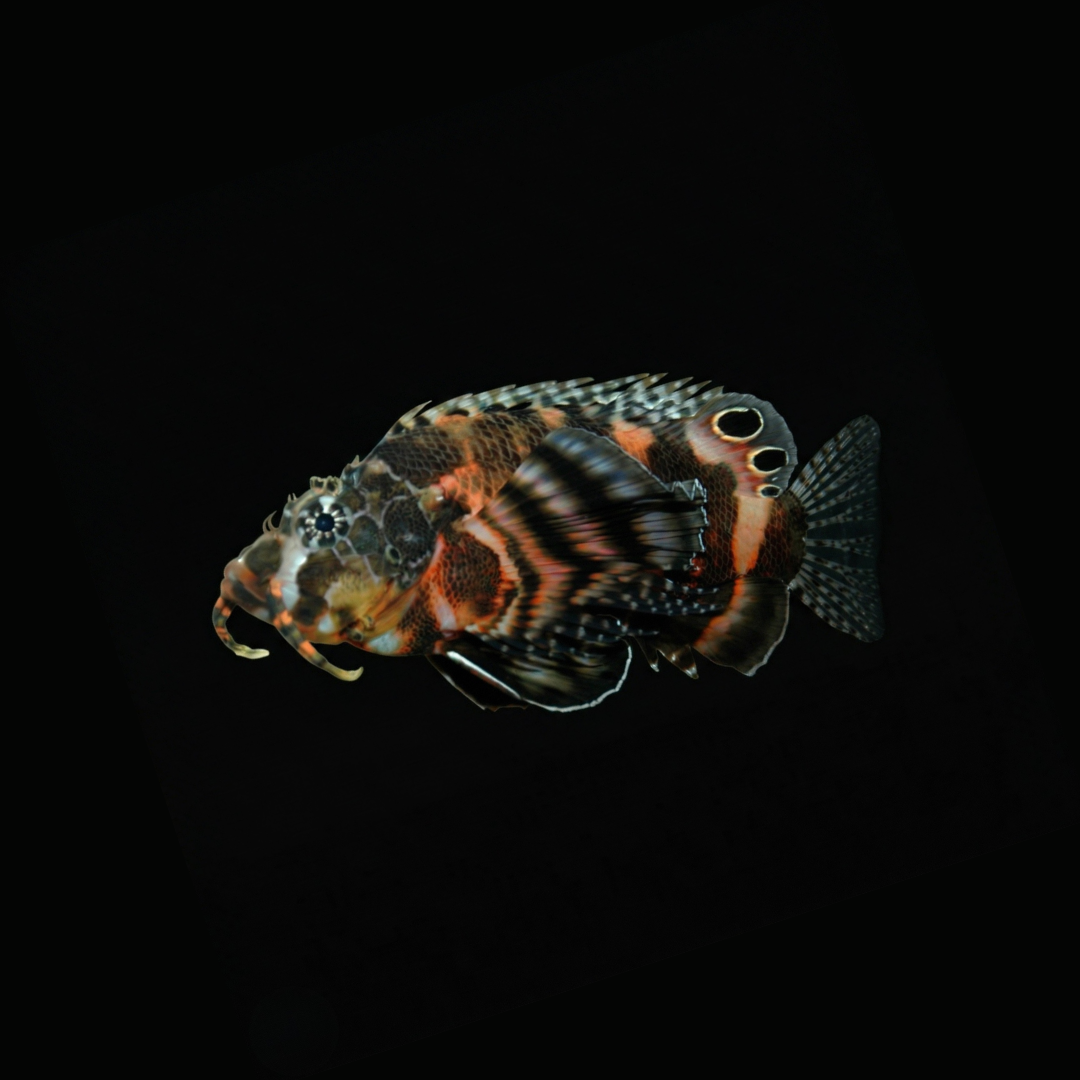
ヒレボシミノカサゴは、インド洋から太平洋のサンゴ礁域に生息する小型のミノカサゴです。最大の特徴は、口元から伸びる2本の長い皮弁(ひべん)で、これが架空の怪人「フー・マンチュー博士」の髭に似ていることから、英語圏ではフー・マンチュー・ライオンフィッシュと呼ばれ親しまれています。背鰭にある2つの大きな眼状斑(目玉のような模様)も特徴的で、これが和名の由来にもなっています。他のミノカサゴ類が中層を優雅に泳ぐのに対し、本種は海底を這うように、あるいはピョンピョンと跳ねるように移動する非常にユニークな生態を持っています。The Fu Manchu Lionfish is a small species of lionfish inhabiting coral reefs across the Indo-Pacific. Its most striking feature is the pair of long lachrimal tentacles extending from its snout, which resemble the mustache of the fictional Dr. Fu Manchu, leading to its popular English name. It is also characterized by two large ocelli (eye-spots) on its dorsal fin, which is the origin of its Japanese name. Unlike other lionfish that swim gracefully in mid-water, this species has a unique ecology, often crawling or hopping along the seabed.
複雑な岩組み、洞窟状の隠れ家、オーバーハングした棚状の構造が必須Complex rockwork, cave-like hiding spots, and overhanging structures are essential.
注意点 / Precautions
背鰭などの棘に強い毒があるため、メンテナンス時は素手で触れないよう厳重に注意Dorsal spines contain potent venom; exercise extreme caution not to touch with bare hands during maintenance.
餌と給餌 / Feeding
餌の種類 / Diet
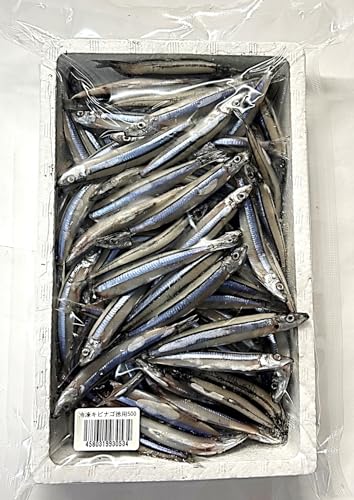
生きたスジエビ、イサザアミ、小魚。慣れれば冷凍のイサザアミやクリル、切り身などLive grass shrimp, mysis shrimp, and small feeder fish. Can transition to frozen mysis or krill once acclimated.
給餌のポイント / Feeding Tips
餌付けが非常に難しく、初期は活き餌が必須。冷凍餌へは給餌棒で動かして誘う工夫が必要Feeding is very challenging; live food is essential initially. Use a feeding stick to mimic movement for frozen food.
性格と混泳 / Temperament and Tank Mates
性格 / Temperament
内気で夜行性が強く、昼間は岩陰に隠れていることが多い。同種間では争うShy and strongly nocturnal, often hiding in crevices during the day. Aggressive toward own species.
混泳の相性 / Compatibility
口に入るサイズの小魚やエビは捕食される。攻撃的な大型魚には鰭をかじられるため注意Small fish and shrimp that fit in its mouth will be eaten. Avoid aggressive large fish that might nip its fins.
病気と対策 / Diseases and Prevention
かかりやすい病気 / Common Diseases
白点病、ウーディニウム症、鰭腐れ病Cryptocaryon irritans (White Spot), Amyloodinium, Fin Rot
対策と予防 / Prevention
導入時の検疫を徹底し、ストレスを与えない静かな環境と清浄な水質を維持するThorough quarantine upon introduction, maintaining a quiet environment and clean water to reduce stress.
増やし方(繁殖) / Breeding
雌雄の判別 / Sexing
外見での判別は極めて困難。一般的にメスの方が腹部がふっくらする傾向があるVery difficult to distinguish visually. Females generally tend to have a rounder abdomen.
繁殖形態 / Reproduction
浮遊性卵を産むとされるが、水槽内での詳細な繁殖記録は乏しいBelieved to be pelagic spawners, but detailed records of captive breeding are scarce.
繁殖のポイント / Breeding Tips
家庭用水槽での繁殖例はほとんどなく、まずは長期飼育を成功させることが先決Breeding in home aquaria is rare; focus should first be on successful long-term maintenance.
雑学と豆知識 / Trivia and Fun Facts
1. フー・マンチュー博士と「髭」の正体 / 1. Dr. Fu Manchu and the True Nature of the “Mustache”
本種の英名「フー・マンチュー・ライオンフィッシュ」は、イギリスの小説に登場する架空の悪役、フー・マンチュー博士が蓄えていた長い口髭に由来します。この髭のように見える部分は「涙骨部の皮弁(びべん)」と呼ばれ、単なる飾りではありません。海底の砂地に潜む小さな甲殻類を探り当てるための触覚のような役割や、獲物をおびき寄せるルアー(疑似餌)としての機能を果たしていると考えられています。The English name derives from the mustache of Dr. Fu Manchu, a fictional villain. These “tentacles” are actually lachrimal flaps that likely function as sensory organs to detect prey in the substrate or act as lures to attract small fish.
2. 海底を「歩く」ラジコンのような動き / 2. “Walking” Like a Remote-Controlled Car
多くのミノカサゴが水中に浮遊して待ち伏せを行うのに対し、ヒレボシミノカサゴは海底に密着した生活を送ります。胸鰭の下部にある鰭条は膜から独立しており、これを足のように使って岩の上を這い回ります。そのカクカクとした独特な動きは、ダイバーやアクアリストから「ラジコンカーのよう」と表現されることもあり、他の魚にはないコミカルかつメカニカルな魅力を持っています。While many lionfish hover, this species stays close to the bottom. Its lower pectoral rays are free from the membrane, allowing it to “walk” or hop along rocks, movements often described as mechanical or like an RC car.
3. 敵を欺く「二つの星(眼状斑)」 / 3. Deceiving Predators with “Two Stars” (Ocelli)
学名の biocellatus は「二つの眼状斑を持つ」という意味です。背鰭の後方にある目玉のような模様は、捕食者に対して「自分はもっと大きな生物の頭部である」と錯覚させたり、本当の頭の位置を誤認させて攻撃を回避したりするための高度な生存戦略です。この「星」のような模様が、和名「ヒレボシ」の由来にもなっています。The scientific name biocellatus means “two eye-spots.” These spots on the dorsal fin serve as a survival strategy to confuse predators about the fish’s size or the location of its actual head.
4. 分類学的な独立:Nemapterois属への回帰 / 4. Taxonomic Independence: Return to Nemapterois
長らくヒメヤマノカミ属(Dendrochirus)に分類されてきましたが、2023年の最新の研究により、他のヒメヤマノカミ類とは系統的に大きく異なることが判明しました。これにより、1938年の記載当初に提唱されていた「ヒレボシミノカサゴ属(Nemapterois)」へと再び分類が戻されました。このように一属一種という独立した地位を与えられたことは、本種がいかにミノカサゴ類の中で特別な進化を遂げた種であるかを証明しています。Long classified in the genus Dendrochirus, a 2023 study revealed it is phylogenetically distinct, leading to its return to the genus Nemapterois. This monotypic status highlights its unique evolutionary path.
まとめ / Conclusion
ヒレボシミノカサゴは、そのユニークな容姿と生態で、アクアリウムにおける「ドワーフ・ライオンフィッシュ」の中でも格別の存在感を放っています。飼育にあたっては、偏食の強さや毒針の危険性など、一筋縄ではいかない面もありますが、それゆえに餌付けに成功し、水槽内をピョンピョンと動き回る姿を見られた時の喜びは、何物にも代えがたいものです。The Fu Manchu Lionfish stands out among dwarf lionfish with its unique appearance and behavior. While challenging due to its picky diet and venomous spines, the reward of successfully acclimating one and watching its mechanical “walk” is unparalleled for a dedicated aquarist.
日本の海にも稀に姿を見せるこの奇妙なハンターは、限られたスペースでもサンゴ礁の神秘を感じさせてくれる、まさにアクアリストの探求心を刺激する魚と言えるでしょう。安全に配慮しながら、その奥深い魅力をぜひ堪能してください。A rare visitor to Japanese waters, this strange hunter brings the mystery of the coral reef into limited spaces, stimulating the curiosity of any dedicated aquarist. Respect its nature, prioritize safety, and enjoy its profound charm.
Fowler, H. W. (1938). The fishes of the groups Elasmobranchii, Holocephali, Isospondyli, and Ostarophysi obtained by the United States Bureau of Fisheries steamer “Albatross” in 1907 to 1910. United States National Museum Bulletin 100, v. 13: 1-844. (原記載資料)
Michael, S. W. (2001). Marine Fishes: 500+ Essential-To-Know Aquarium Species. Microcosm Ltd. (飼育要件および環境設定の基準資料)
Motomura, H., et al. (2023). Taxonomic revision of the lionfish genus Dendrochirus and resurrection of Nemapterois. (系統分類および属の再編に関する最新知見)
Froese, R. and D. Pauly. Editors. (2024). FishBase. World Wide Web electronic publication. www.fishbase.org (生息域、最大体長等の統計データ)
IUCN Red List of Threatened Species. (2015). Nemapterois biocellatus. (保全状況および生態リスク評価)



 ポチップ
ポチップ

コメント