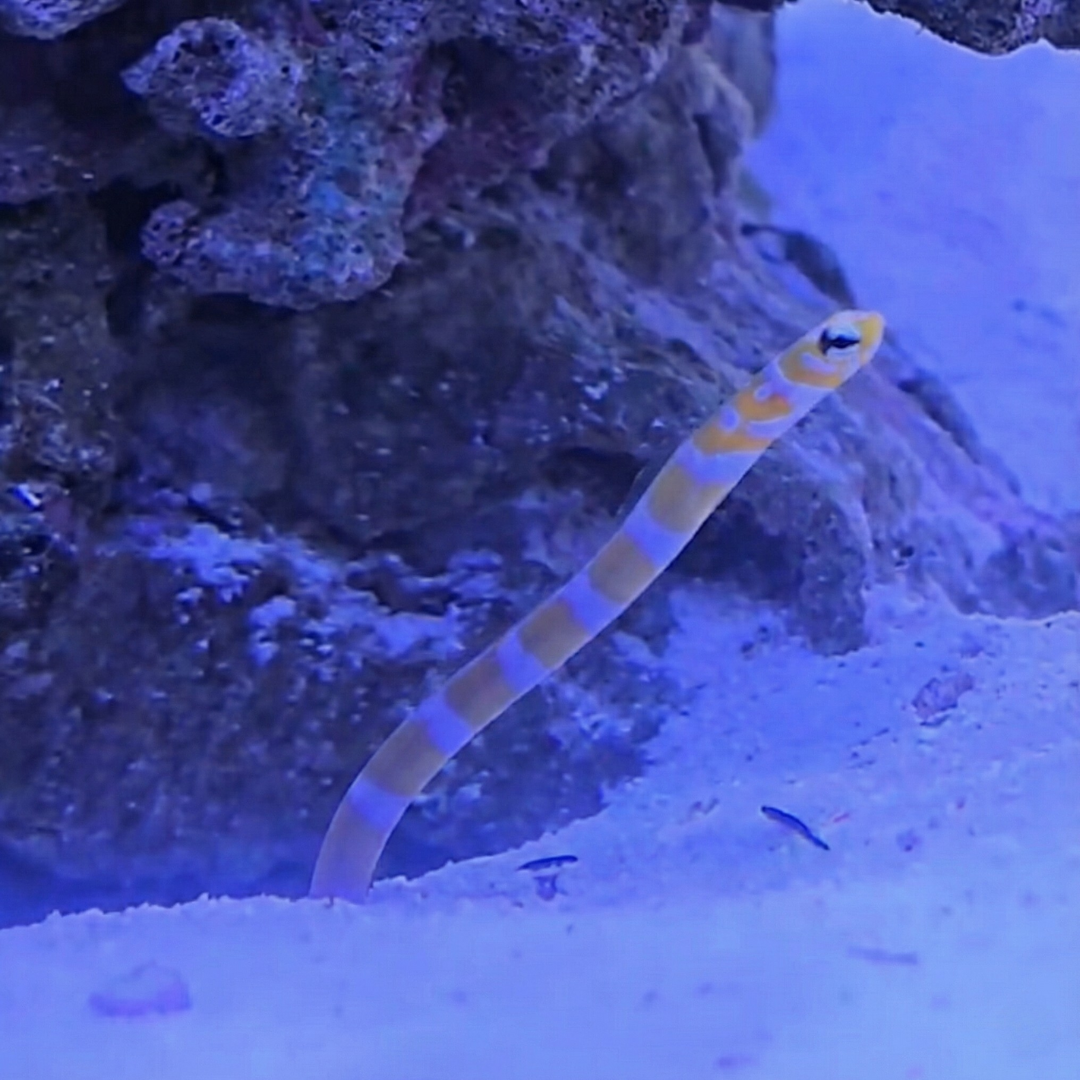
ニシキアナゴは、その鮮やかなオレンジ色と白の縞模様が、日本の伝統織物「錦(にしき)」を連想させることから名付けられた、非常に美しいアナゴの仲間です。別名ガーデンイールとも呼ばれる彼らは、砂底から頭をもたげて水流に揺れる姿が、まるで庭の草木のようであることからその愛称がつきました。サンゴ礁の少し深い場所にコロニーを作って生息しており、そのユーモラスで愛らしい動きは水族館でも絶大な人気を誇りますが、自宅の水槽でその姿を楽しむためには、彼らの生態に合わせた専用の環境を用意する必要があります。Gorgasia preclara, commonly known as the Splendid Garden Eel or Orange-barred Garden Eel, is named for its striking orange and white bands that resemble traditional Japanese “Nishiki” brocade. They protrude from the sandy bottom and sway in the current like plants in a garden, hence the name “Garden Eel.” While they are extremely popular in aquariums for their humorous and adorable behavior, keeping them at home requires a dedicated environment tailored to their unique ecology.
基本情報 / Basic Information
学名 / Scientific Name
Gorgasia preclara
通称 / Common Name
ニシキアナゴSplendid Garden Eel / Orange-barred Garden Eel
分類 / Family
ウナギ目 アナゴ科 チンアナゴ亜科Order Anguilliformes, Family Congridae, Subfamily Heterocongrinae
英名 / English Name
Splendid garden eel
分布 / Distribution
インド西太平洋(モルディブ、フィリピン、インドネシア、琉球列島など)Indo-West Pacific (Maldives, Philippines, Indonesia, Ryukyu Islands, etc.)
最大体長 / Max Size
約40cm(太さは鉛筆程度)Approx. 40cm (Thickness similar to a pencil)
寿命 / Lifespan
長期飼育は難しいが、適切な環境では5年以上Difficult to keep long-term, but 5+ years in proper environment
飼育環境 / Aquarium Environment
水槽サイズ / Tank Size
60cmハイタイプ水槽(高さ45cm以上必須、60cm推奨)、または90cm規格水槽以上。底砂を深く敷くため、高さのある水槽が必要です。60cm high-type tank (Height 45cm+ required, 60cm recommended) or 90cm standard tank or larger. A tall tank is necessary to accommodate a deep sand bed.
水温 / Temperature
24.0℃ – 27.0℃
水質 / Water Quality
比重 1.023 – 1.025 / pH 8.1 – 8.4 / 硝酸塩は20ppm以下に抑える清浄な水質を好みます。SG 1.023 – 1.025 / pH 8.1 – 8.4 / Prefers clean water with nitrates kept under 20 ppm.
レイアウト / Layout
【最重要】底砂は深さ15cm以上(理想は20cm以上)が必要です。パウダーサンドに小粒のサンゴ砂を混ぜて、巣穴が崩れにくいようにします。[Crucial] Sand bed depth must be at least 15cm (ideally 20cm+). Mix fine powder sand with small coral rubble to prevent burrows from collapsing.
注意点 / Precautions
驚くと飛び出す事故が非常に多いため、水槽のフタは隙間なく閉めてください。フランジ付きの水槽が推奨されます。Jumping accidents are very common when they are startled, so the tank lid must be tightly closed with no gaps. Tanks with flanges are recommended.
餌と給餌 / Feeding
餌の種類 / Diet
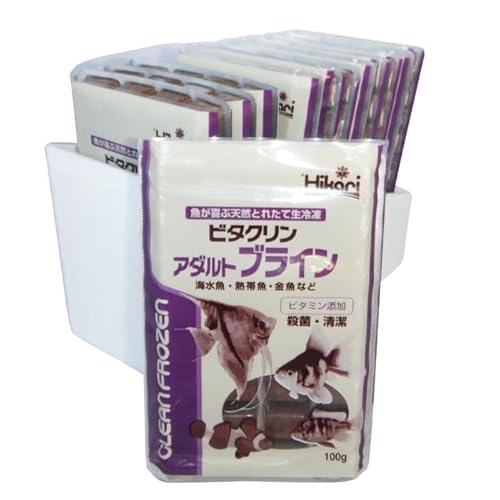
動物プランクトン食です。冷凍コペポーダ、冷凍ブラインシュリンプ、刻んだイサザアミなどを与えます。初期は生きたブラインシュリンプが有効です。Zooplanktivore. Feed frozen copepods, brine shrimp, and chopped mysis shrimp. Live brine shrimp are effective for acclimation.
給餌のポイント / Feeding Tips
「痩せ」が一番の死因です。1日1回ではなく、少量ずつ3〜5回に分けて与えます。スポイトを使い、水流に乗せて顔の前に餌が流れてくるようにする「フロー給餌」がコツです。Emaciation is the leading cause of death. Feed small amounts 3-5 times a day instead of once. Use a pipette to release food into the current so it flows right in front of them.
性格と混泳 / Temperament and Tank Mates
性格 / Temperament
非常に臆病で神経質です。強い水流や、活発に泳ぎ回る魚がいると、巣穴に引きこもってしまい餌を食べなくなります。Very timid and nervous. Strong currents or active tank mates can cause them to retreat into their burrows and stop eating.
混泳の相性 / Compatibility
基本的には同種またはチンアナゴとの混泳がベストです。他魚と泳がせる場合は、タツノオトシゴやヨウジウオなど、穏やかで餌を奪わない種を選びましょう。Best kept with their own kind or Spotted Garden Eels. If kept with other fish, choose calm species that won’t compete for food, such as Seahorses or Pipefish.
病気と対策 / Diseases and Prevention
かかりやすい病気 / Common Diseases
白点病や、底砂の汚れによる細菌性の皮膚炎にかかりやすいです。また、ウナギ目の魚は「銅イオン」に弱いため、銅を含む魚病薬の使用は避けてください。Prone to Ich and bacterial skin infections from dirty substrate. Note that eels are sensitive to copper ions, so avoid medications containing copper.
対策と予防 / Prevention
底砂の中に汚れが溜まらないよう、定期的に専用ホースで掃除をします。砂の環境を清潔に保つことが最大の予防策です。Clean the substrate regularly with a siphon hose to prevent waste buildup. Keeping the sand bed clean is the best prevention.
増やし方(繁殖) / Breeding
繁殖形態 / Reproduction
放卵放精型で、孵化後はレプトケファルス幼生となって海を漂います。Broadcast spawners; hatched larvae become Leptocephalus and drift in the ocean.
繁殖のポイント / Breeding Tips
水槽内での繁殖は極めて困難であり、アマチュアレベルでの成功例はほぼありません。現在は長期飼育に専念するのが一般的です。Breeding in aquariums is extremely difficult, with almost no success stories at the amateur level. Focusing on long-term care is the standard.
雑学と豆知識 / Trivia and Fun Facts
1. 名前の由来はギリシャ神話と着物? / 1. Origins: Greek Myths and Kimono
学名の属名「Gorgasia」は、ギリシャ神話の髪の毛が蛇である怪物「ゴルゴーン(Gorgon)」に由来します。海底から無数の頭をもたげる様子がそう見えたのでしょう。一方、和名の「ニシキ」は高級織物の「錦」から来ており、洋の東西で「恐ろしい怪物」と「美しい織物」という対照的な見立てがなされているのが興味深い点です。The scientific genus name “Gorgasia” comes from the Gorgon of Greek mythology, likely referencing how their heads protrude from the sea floor like snake hair. In contrast, the Japanese name “Nishiki” refers to brocade fabric. It is interesting how they are likened to a “scary monster” in the West and a “beautiful fabric” in the East.
2. チンアナゴとの微妙な違い / 2. Differences from Spotted Garden Eels
よく一緒に展示されるチンアナゴ(Heteroconger hassi)とは、模様だけでなく生態も少し異なります。ニシキアナゴの方がやや深い水深(30m以深など)を好み、性格もより神経質です。また、分類学的にも「属」が異なり、背ビレの始まる位置などで見分けることができます。Apart from patterns, they differ slightly from the Spotted Garden Eel (Heteroconger hassi). Splendid Garden Eels prefer deeper waters (30m+) and are more nervous. They also belong to a different genus, distinguishable by the starting position of their dorsal fins.
3. 「11月11日」は記念日 / 3. November 11th is their Day
数字の「1」が並ぶ様子が、砂から体を出している姿に見えることから、11月11日は「チンアナゴの日」として日本記念日協会に認定されています。この日はニシキアナゴもセットで祝われることが多く、水族館では様々なイベントが開催され、彼らの認知度向上に一役買っています。November 11th is officially recognized in Japan as “Spotted Garden Eel Day” because the row of “1”s resembles them sticking out of the sand. Splendid Garden Eels are often celebrated alongside them, with aquariums holding events that help raise their profile.
まとめ / Conclusion
ニシキアナゴの飼育は、単に魚を飼うというよりも、彼らが安心して暮らせる「砂底の生態系」を部屋の中に再現する試みと言えます。深い砂、穏やかな水流、そしてこまめな給餌と、クリアすべきハードルは高いですが、それらを乗り越えて自宅の水槽で彼らが一斉に揺れる姿を見られた時の感動はひとしおです。Keeping Splendid Garden Eels is less about keeping a fish and more about recreating a “sandy bottom ecosystem” in your room. The hurdles are high—deep sand, gentle flow, and frequent feeding—but the reward of seeing them swaying together in your home tank is incomparable.
水槽の高さを活かし、サンゴや他の穏やかな魚たちと組み合わせることで、まさに「海の中の庭(ガーデン)」を作り上げてください。彼らの繊細な美しさは、アクアリストとしての技術と愛情の証となるでしょう。By utilizing the height of the tank and combining them with corals and other calm fish, you can truly create a “garden in the sea.” Their delicate beauty will stand as a testament to your skills and dedication as an aquarist.



 ポチップ
ポチップ

コメント