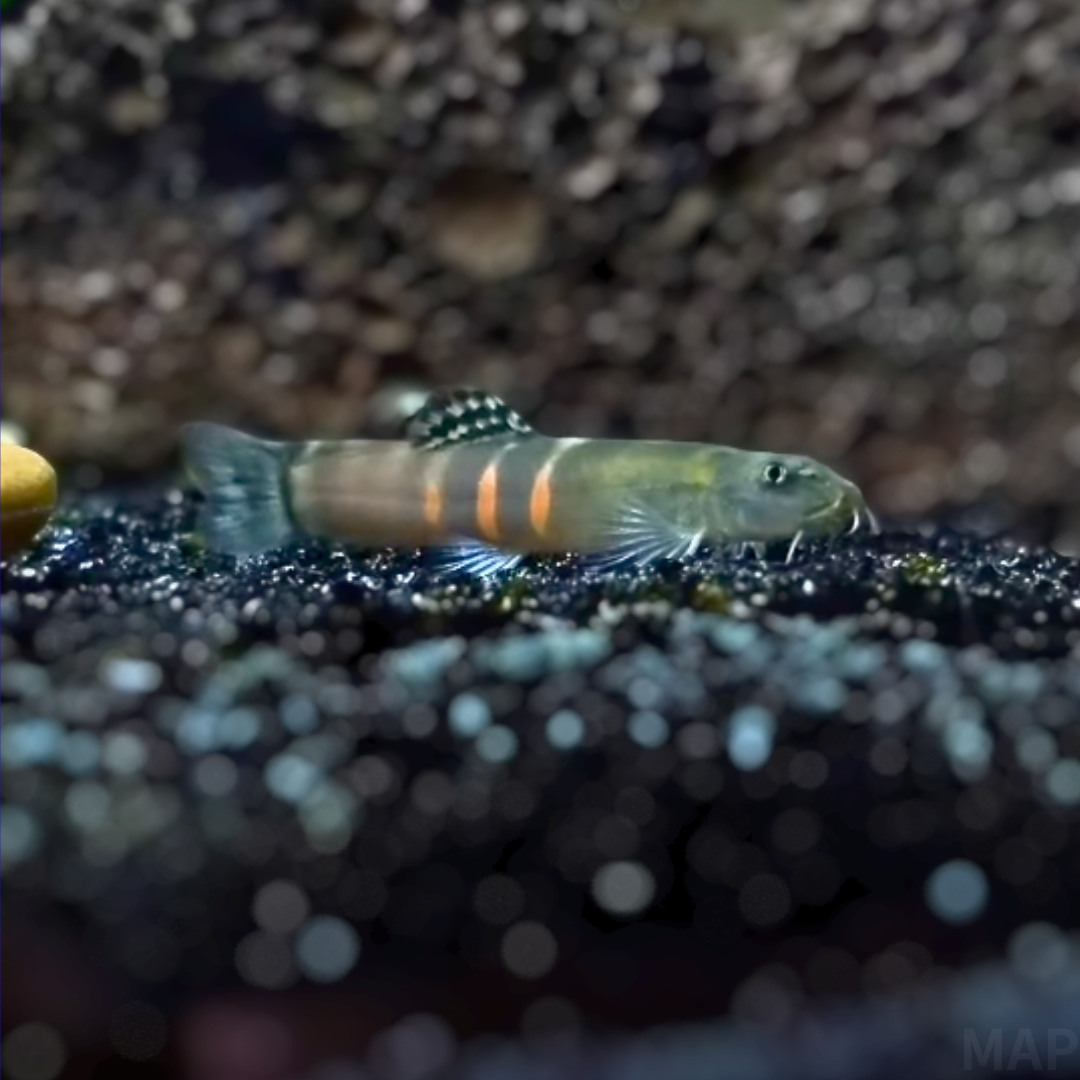
スモモ・ローチは、ミャンマーやタイ西部の渓流域に生息する、愛嬌たっぷりの底生魚です。日本国内ではその鮮やかなピンクやオレンジ色の体色から果実の「李(スモモ)」を連想して名付けられましたが、世界的には「Sumo Loach(スモウ・ローチ)」と呼ばれています。その名の通り、テリトリー争いの際に互いの体を押し付け合う姿は、まるで小さな力士が土俵際で戦っているかのよう。底層をチョコチョコと泳ぎ回る姿や、気分の変化で劇的に変わる体色は見ていて飽きることがありません。「可愛いけれど野性的」なこの魚は、清冽な流れと酸素を愛する、生粋の渓流魚でもあります。Known in Japan as the “Sumomo (Plum) Loach” due to its vibrant pinkish-orange coloration resembling the fruit, this fish is globally recognized as the “Sumo Loach.” As the name suggests, they engage in wrestling-like behavior during territorial disputes, pushing against each other like tiny sumo wrestlers. Their active bottom-dwelling lifestyle and dramatic color changes based on mood make them fascinating to watch. Despite their cute appearance, they are wild hillstream dwellers that thrive in pristine, oxygen-rich currents.
基本情報 / Basic Information
学名 / Scientific Name
Schistura balteata / Schistura atarensis
通称 / Common Name
スモモ・ローチ、スモウ・ローチSumo Loach, Sumomo Loach
分類 / Family
コイ目 ネマケイルス科 Schistura属Cypriniformes, Nemacheilidae, Genus Schistura
英名 / English Name
Sumo Loach
分布 / Distribution
ミャンマー、タイ(テナセリム山脈周辺水系、アタラン川など)Myanmar, Thailand (Tenasserim Hills, Ataran River basin)
最大体長 / Max Size
4cm〜6cm(飼育下では最大8cm前後)4cm – 6cm (Up to 8cm in captivity)
寿命 / Lifespan
適切な環境下で10年以上Over 10 years in appropriate conditions
飼育環境 / Aquarium Environment
水槽サイズ / Tank Size
60cm規格水槽(約60L)以上推奨。底面積の広い90cm規格水槽や90cmスリム水槽が理想的です。Recommended: 60cm standard tank (approx. 60L) or larger. Ideally, a 90cm tank with a large footprint is preferred.
水温 / Temperature
22℃〜26℃
水質 / Water Quality
pH 6.5〜7.5(中性付近)。清浄な水を好みます。pH 6.5 – 7.5 (Neutral). Clean water is essential.
レイアウト / Layout
渓流(リバータンク)を再現します。底床は大磯砂や角のない川砂利を使用し、石組みや塩ビパイプなどで複雑な隠れ家を多数用意します。一方向への強い水流を作ると喜びます。Replicate a hillstream (river tank). Use smooth gravel or river stones for substrate. Provide plenty of hiding spots with rock piles or PVC pipes. A strong, unidirectional water flow is highly appreciated.
注意点 / Precautions
高水温と酸欠に極めて弱いため、夏場のクーラー設置と強力なエアレーションは必須です。また、飛び出し事故も多いため、水槽の蓋は隙間なく閉めてください。Extremely sensitive to high temperatures and low oxygen. An aquarium chiller in summer and strong aeration are mandatory. Ensure the tank is tightly covered to prevent jumping.
餌と給餌 / Feeding
餌の種類 / Diet
動物性タンパク質を好みます。沈下性の人工飼料(キャット、プレコ用タブレット、顆粒フード)を主食にし、冷凍アカムシやブラインシュリンプをおやつとして与えます。Prefers animal protein. Sinking artificial food (tablets for catfish/plecos, granules) as a staple, with frozen bloodworms or brine shrimp as treats.
給餌のポイント / Feeding Tips
水流に乗せて餌を流すと、野生の本能が刺激され活発に食べます。代謝が高く痩せやすいため、十分な量を与えてください。底床の掃除も兼ねて食べ残しが出ないよう調整しましょう。Feeding in the current stimulates their natural instincts. They have high metabolism and can lose weight easily, so feed adequately. Adjust amounts to avoid leftovers.
性格と混泳 / Temperament and Tank Mates
性格 / Temperament
縄張り意識が強く、同種間では激しく争う(スモウ行動をとる)ことがあります。ただし、適切な順位が決まれば致命的な争いにはなりにくいです。好奇心旺盛で、底層付近をホバリングしながら探索します。Territorial and may fight aggressively (sumo wrestling behavior) with their own kind. However, once a hierarchy is established, fatal fights are rare. Curious and often hovers near the bottom exploring.
混泳の相性 / Compatibility
生活圏が重ならない上層魚(ダニオ、ラスボラ類)とは相性が良いです。一方、コリドラスなどの動きが遅い底生魚や、ヒレの長い魚(グッピー、ベタ)は攻撃対象になりやすいため混泳は避けてください。Good with top-dwelling fish like Danios and Rasboras. Avoid slow-moving bottom dwellers like Corydoras or long-finned fish like Guppies and Bettas, as they may be targeted.
病気と対策 / Diseases and Prevention
かかりやすい病気 / Common Diseases
導入初期や水温変化時の白点病、および栄養不足やストレスによる痩せ(ナイフバック)が見られます。Susceptible to Ich (White Spot Disease) during acclimation or temp changes, and emaciation (Knife-back) due to malnutrition or stress.
対策と予防 / Prevention
常に清潔で酸素豊富な水を維持することが最大の予防です。週に一度の水換えと底床掃除を徹底しましょう。痩せている個体には栄養価の高い冷凍餌を多めに与えます。Maintaining clean, oxygen-rich water is the best prevention. Perform weekly water changes and substrate cleaning. Feed nutritious frozen foods to emaciated individuals.
増やし方(繁殖) / Breeding
繁殖形態 / Reproduction
飼育下での繁殖例は極めて稀で、意図的な繁殖方法は確立されていません。野生下では岩の隙間などに産卵する基質産卵型と考えられています。Captive breeding is extremely rare and methods are not established. Thought to be substrate spawners in rock crevices in the wild.
繁殖のポイント / Breeding Tips
非常に困難ですが、外部式フィルターの中から稚魚が発見された事例があります。親魚からの隔離と、豊富な酸素、隠れ家となる微細な隙間が鍵となるようです。Very difficult, but fry have been found inside canister filters. Isolation from parents, abundant oxygen, and tiny crevices for hiding seem to be key factors.
雑学と豆知識 / Trivia and Fun Facts
1. 「スモモ」と「スモウ」の文化的な架け橋 / 1. Sumomo vs. Sumo: A Cultural Bridge
この魚のユニークな名前は、文化の違いを映し出す鏡のようです。英語圏では、縄張り争いで互いに体を押し付け合う姿や、ずんぐりとした体型から、日本の国技にちなんで「Sumo Loach(相撲ローチ)」と名付けられました。しかし日本に入ってきた際、その響きと、流通する個体の多くが持つ鮮やかなピンク色の体色が結びつき、「李(スモモ)」という可愛らしい果物の名前に変化しました。「闘争」から「果実」へ。このネーミングの妙が、日本での人気を後押ししています。The name reflects cultural differences. Globally, they are “Sumo Loaches” due to their wrestling-like fights and stout bodies. In Japan, the sound “Sumo” merged with their pinkish color, transforming the name into “Sumomo” (Japanese plum). A shift from “fighting” to “fruit” helped their popularity in Japan.
2. 分類の真実:あなたは誰? / 2. The Truth of Classification: Who are you?
長年、スモモ・ローチは学名 Schistura balteata として流通してきましたが、実は「本物」の balteata 種は体色が地味で、私たちがよく知るピンク色の個体とは異なると言われていました。そして2023年、ついにタイのアタラン川水系に生息する、尾びれ付近が赤く染まるタイプが Schistura atarensis として正式に新種記載されました。現在日本で愛されている「スモモちゃん」の多くは、実はこの新しい atarensis 種である可能性が高いのです。Long traded as Schistura balteata, the true balteata is actually quite plain. In 2023, the reddish-tailed variety from the Ataran River was officially described as a new species, Schistura atarensis. The “Sumomo” we love in Japan is likely this newly described species.
3. フィルター内繁殖のミステリー / 3. The Mystery of Filter Breeding
スモモ・ローチの繁殖は「狙ってはできない」と言われるほど困難ですが、奇妙な成功例が報告されています。それは、水槽の中ではなく「外部フィルターの中」で稚魚が見つかるというもの。親魚が産んだ卵が強い水流でフィルターに吸い込まれ、そこで親に食べられることなく、豊富な酸素と微生物を食べて育ったと考えられています。このエピソードは、彼らがいかに「流れ」と「酸素」を必要としているかを物語っています。Breeding is notoriously difficult, but strange successes occur: fry found inside canister filters. Eggs likely get sucked in, where they are safe from parents and thrive on oxygen and microorganisms. This story highlights their critical need for flow and oxygen.
まとめ / Conclusion
スモモ・ローチは、その可愛らしい名前とは裏腹に、急流の過酷な環境を生き抜くエネルギッシュな野生児です。彼らを健康に飼育するためには、単なる水槽ではなく、故郷であるテナセリムの渓流を再現するような「環境作り」への情熱が求められます。Contrary to its cute Japanese name, the Sumomo Loach is an energetic survivor of harsh hillstreams. Keeping them healthy requires a passion for creating an environment that replicates their native Tenasserim streams, rather than just maintaining a tank.
清らかな水と十分な広さ、そして隠れ家を用意すれば、彼らは10年以上もの長い間、そのユニークな「スモウ」行動と美しい体色で、あなたのアクアリウムライフを彩り続けてくれる最高のパートナーとなるでしょう。With clean water, ample space, and hiding spots, they can live for over 10 years, coloring your aquarium life with their unique “sumo” behavior and beautiful hues as a perfect partner.



 ポチップ
ポチップ

コメント