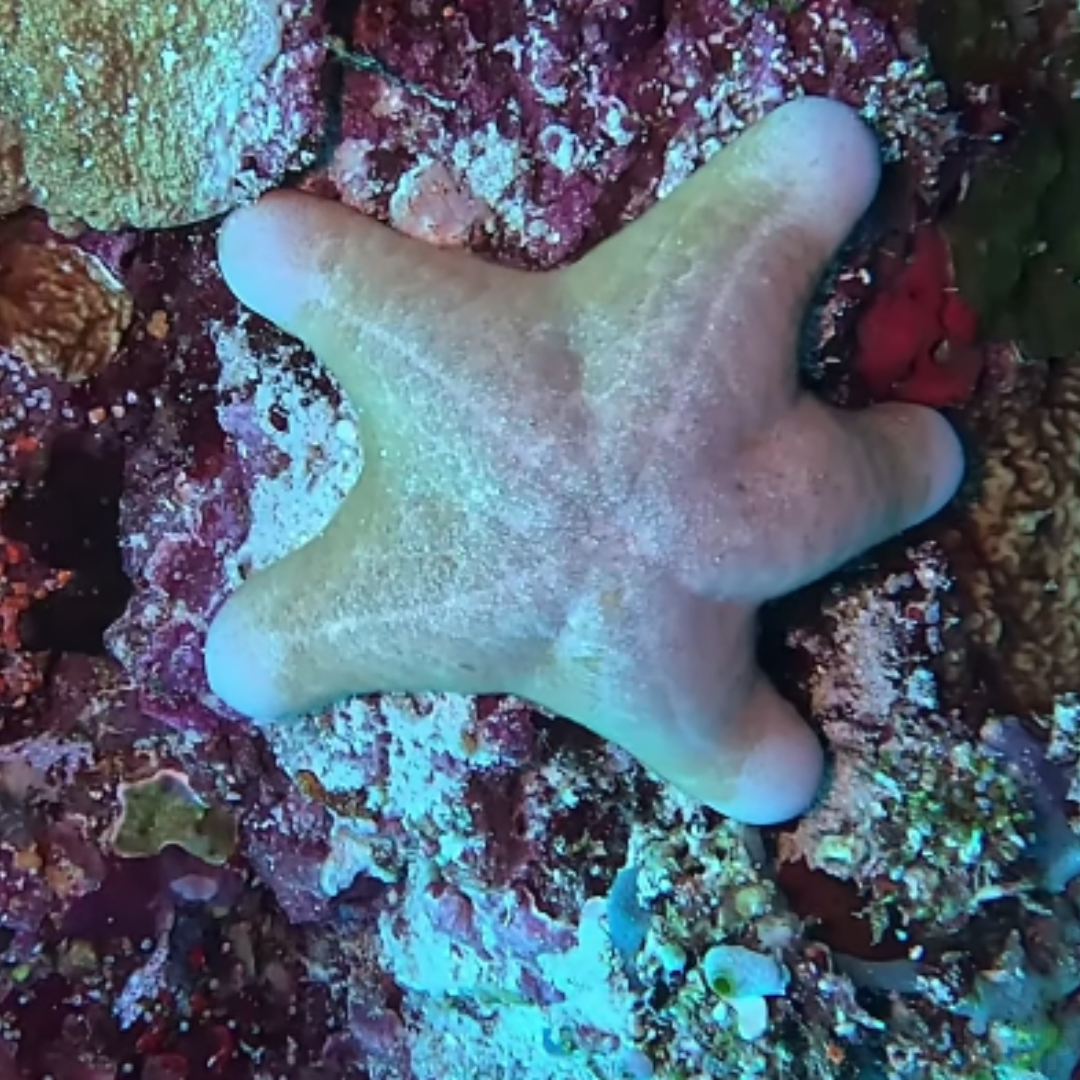
まるで分厚い皮の手袋が海底に落ちているかのような、独特の存在感を放つ大型のヒトデ、それがカワテブクロです。そのふっくらとした肉厚な体と、滑らかでありながらゴムのような弾力を持つ質感は、一度見たら忘れられないインパクトを持っています。淡いピンク色を基調としつつ、個体によってはオレンジやグレーなどの色彩変異も見られ、サンゴ礁の海中景観にユニークな彩りを添えています。一見すると愛嬌のあるおとなしい生き物に見えますが、実はサンゴ礁生態系におけるたくましい日和見捕食者としての側面も持ち合わせており、その生態を知れば知るほど奥深い魅力に気づかされるでしょう。The Granulated Sea Star, known in Japan as “Kawatebukuro” (Leather Glove), is a large starfish with a unique presence, resembling a thick leather glove resting on the seabed. Its plump, fleshy body and smooth yet rubbery texture make a lasting impression. While typically pale pink, color variations such as orange and gray exist, adding a unique touch to the coral reef landscape. Although it appears charming and docile at first glance, it is actually a robust opportunistic predator in the coral reef ecosystem, and the more you learn about its ecology, the more you will appreciate its profound appeal.
基本情報 / Basic Information
学名 / Scientific Name
Choriaster granulatus
通称 / Common Name
カワテブクロ(パン生地のようなヒトデ)Granulated Sea Star / Doughboy Starfish
分類 / Family
コブヒトデ科Oreasteridae
英名 / English Name
Granulated Sea Star / Doughboy Starfish
分布 / Distribution
インド・西太平洋(日本では奄美大島以南)Indo-West Pacific (South of Amami Oshima in Japan)
最大体長 / Max Size
直径 約30cm(飼育下では15〜20cm前後が一般的)Approx. 30cm in diameter (Typically 15-20cm in captivity)
寿命 / Lifespan
詳細な年数は不明だが、適切な環境下では長期飼育が可能Specific years unknown, but long-term care is possible in proper environments
飼育環境 / Aquarium Environment
水槽サイズ / Tank Size
90cm規格水槽(約150L)以上推奨。水質安定のため、可能な限り大きな水量が望ましい。90cm standard tank (approx. 150L) or larger recommended. Larger water volume is preferred for stability.
水温 / Temperature
24〜26℃
水質 / Water Quality
比重 1.023〜1.025(厳密な維持が必要)。急激な変動に非常に弱い。Specific Gravity 1.023-1.025 (Strict maintenance required). Very sensitive to rapid changes.
レイアウト / Layout
ライブロックやサンゴ岩などで自然な岩場を作る。底床はあっても良いが、砂に潜る習性は強くない。Create natural rocky areas with live rock. Substrate is acceptable, but they do not strongly tend to burrow.
注意点 / Precautions
移動の際は絶対に空気に触れさせないこと。管足に空気が入ると弱る原因となる。水合わせは点滴法で1〜2時間かけ慎重に行う。Never expose to air during transfer. Air in tube feet causes weakness. Acclimatize carefully using the drip method for 1-2 hours.
餌と給餌 / Feeding
餌の種類 / Diet
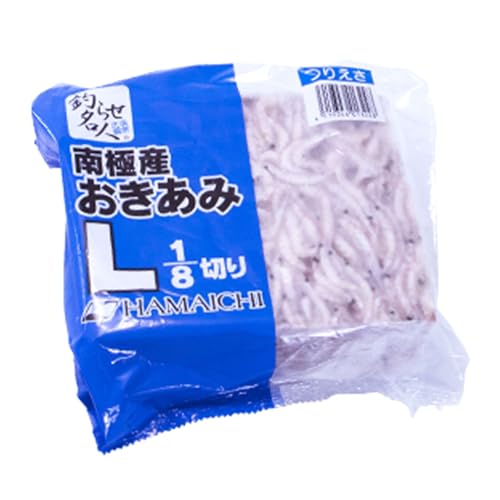
アサリ、イカの切り身、クリル(オキアミ)などの動物性タンパク質。デトリタス(有機堆積物)も食べるが、それだけでは栄養不足になる。Animal proteins such as clams, sliced squid, and krill. They eat detritus, but that alone is nutritionally insufficient.
給餌のポイント / Feeding Tips
週に1〜2回、個体の近くに餌を置くか、覆いかぶせるようにして与える。胃を反転させて消化するため、時間をかけて食べさせる必要がある。Feed 1-2 times a week by placing food near or under the individual. Allow time for them to eat as they evert their stomach to digest.
性格と混泳 / Temperament and Tank Mates
性格 / Temperament
動きは緩慢だが、食欲は旺盛。機会があれば動かない無脊椎動物を捕食する日和見的な性質を持つ。Slow-moving but with a hearty appetite. Opportunistic nature, preying on sessile invertebrates if given the chance.
混泳の相性 / Compatibility
魚類との混泳は問題ないが、サンゴやシャコガイなどは捕食されるリスクが高いため不可。「魚専用水槽」での飼育が推奨される。Compatible with fish, but corals and clams are at high risk of predation. Recommended for “Fish Only” tanks.
病気と対策 / Diseases and Prevention
かかりやすい病気 / Common Diseases
自己融解(体が溶けて崩れてしまう現象)。主に水質ショックやpH、塩分濃度の急変が原因となる。Autolysis (tissue disintegration). Mainly caused by osmotic shock or rapid changes in pH and salinity.
対策と予防 / Prevention
比重計を正確に校正し、塩分濃度を一定に保つこと。導入時の水合わせを徹底することが最大の予防策となる。Calibrate hydrometers accurately and keep salinity constant. Thorough acclimatization at introduction is the best prevention.
増やし方(繁殖) / Breeding
繁殖形態 / Reproduction
放卵放精型(有性生殖)。海中に卵と精子を放出して受精させる。Broadcast spawning (sexual reproduction). Eggs and sperm are released into the water column for fertilization.
繁殖のポイント / Breeding Tips
浮遊幼生の期間を経るため、水槽内での繁殖は極めて困難です。また、アオヒトデ等の仲間とは異なり、体を切って増える(分裂)能力はないため、絶対に切断してはいけません。傷口から腐敗して死んでしまいます。Extremely difficult to breed in tanks. Unlike some other starfish, they do not reproduce by fragmentation. Never cut them, as it will lead to infection and death.
雑学と豆知識 / Trivia and Fun Facts
1. 「パン生地」のようなあだ名 / 1. “Doughboy” Nickname
海外では、そのふっくらとした質感と色合いから「Doughboy Starfish(パン生地の少年のようなヒトデ)」という愛称で呼ばれています。一方、日本ではその形状を「革の手袋」に見立てて「カワテブクロ」と名付けられました。どちらの名前も、このヒトデのユニークな触感と形状を実に見事に表現しています。Overseas, it is nicknamed “Doughboy Starfish” due to its plump texture and color. In Japan, it was named “Kawatebukuro” (Leather Glove) due to its resemblance to a glove. Both names perfectly describe its unique texture and shape.
2. ただの掃除屋ではありません / 2. Not Just a Scavenger
一般的にヒトデは水槽の掃除屋と思われがちですが、カワテブクロは意外にもアグレッシブな食事方法をとります。彼らは食事の際、「噴門胃」と呼ばれる胃袋を口から体外へ反転させて出し、餌を直接包み込んで消化してしまいます。この能力により、動かないサンゴなども食べてしまうことがあるため、レイアウトには注意が必要です。While often thought of as mere scavengers, they have a surprisingly aggressive feeding method. They evert their “cardiac stomach” out of their mouth to envelop and digest food directly. This ability allows them to eat sessile corals, requiring care in tank layout.
3. 体表に見える色の違う部分 / 3. Contrasting Patches on Skin
カワテブクロの体の中央付近には、茶色や赤褐色の小さな突起の集まりが見られることがあります。これは「皮鰓(ひさい)」と呼ばれる呼吸器官の集合体です。分厚い皮膚を持つ彼らにとって、この部分は効率的にガス交換を行うための重要な窓口となっており、危険を感じると体内に引っ込めることもできます。Clusters of brown or reddish-brown projections may be seen near the center of their body. These are “papillae,” respiratory organs. For these thick-skinned starfish, these areas are vital windows for efficient gas exchange and can be retracted when threatened.
4. エビとの奇妙な共同生活 / 4. Symbiosis with Shrimp
自然界のカワテブクロには、しばしば「ヒトデヤドリエビ」という小さなエビが共生しています。このエビは宿主であるヒトデの体色に合わせて自分の色を変える擬態の名人です。水槽導入時に、運が良ければこの小さな同居人が一緒にやってくることがあるかもしれません。In the wild, they often host a small shrimp called *Zenopontonia soror*. This shrimp is a master of camouflage, matching its color to the host starfish. If you are lucky, this small roommate might arrive with the starfish when introduced to the aquarium.
まとめ / Conclusion
カワテブクロは、そのユーモラスな「手袋」のような外見と、存在感のある大きさで、水槽の主役にもなれる魅力的なヒトデです。しかし、その飼育には安定した水質と適切な給餌が必要であり、決して「入れておくだけで良い掃除屋」ではありません。With its humorous “glove-like” appearance and commanding size, the Kawatebukuro is a fascinating starfish that can be the star of the tank. However, keeping them requires stable water quality and proper feeding; they are certainly not just “scavengers to drop in and forget.”
彼らの生態を正しく理解し、サンゴへの食害リスクを管理した上で飼育すれば、長期にわたってそのユニークな姿を楽しませてくれるでしょう。この図鑑が、あなたの水槽に「パン生地のような」新しい仲間を迎える助けとなれば幸いです。By correctly understanding their ecology and managing the risk of coral predation, you can enjoy their unique appearance for a long time. We hope this guide helps you welcome a new “doughboy-like” friend to your aquarium.



 ポチップ
ポチップ

コメント