彼らの魅力は、その透明感あふれる美しさだけではありません。環境の変化に応じて柔軟に生き方を変える驚くべき生存戦略や、失った体のバランスを取り戻す再生能力など、生物学的にも非常に興味深い特徴を持っています。適切な設備と知識があれば家庭でも飼育が可能であり、小さな海を部屋に置く喜びを感じさせてくれる特別な生き物です。
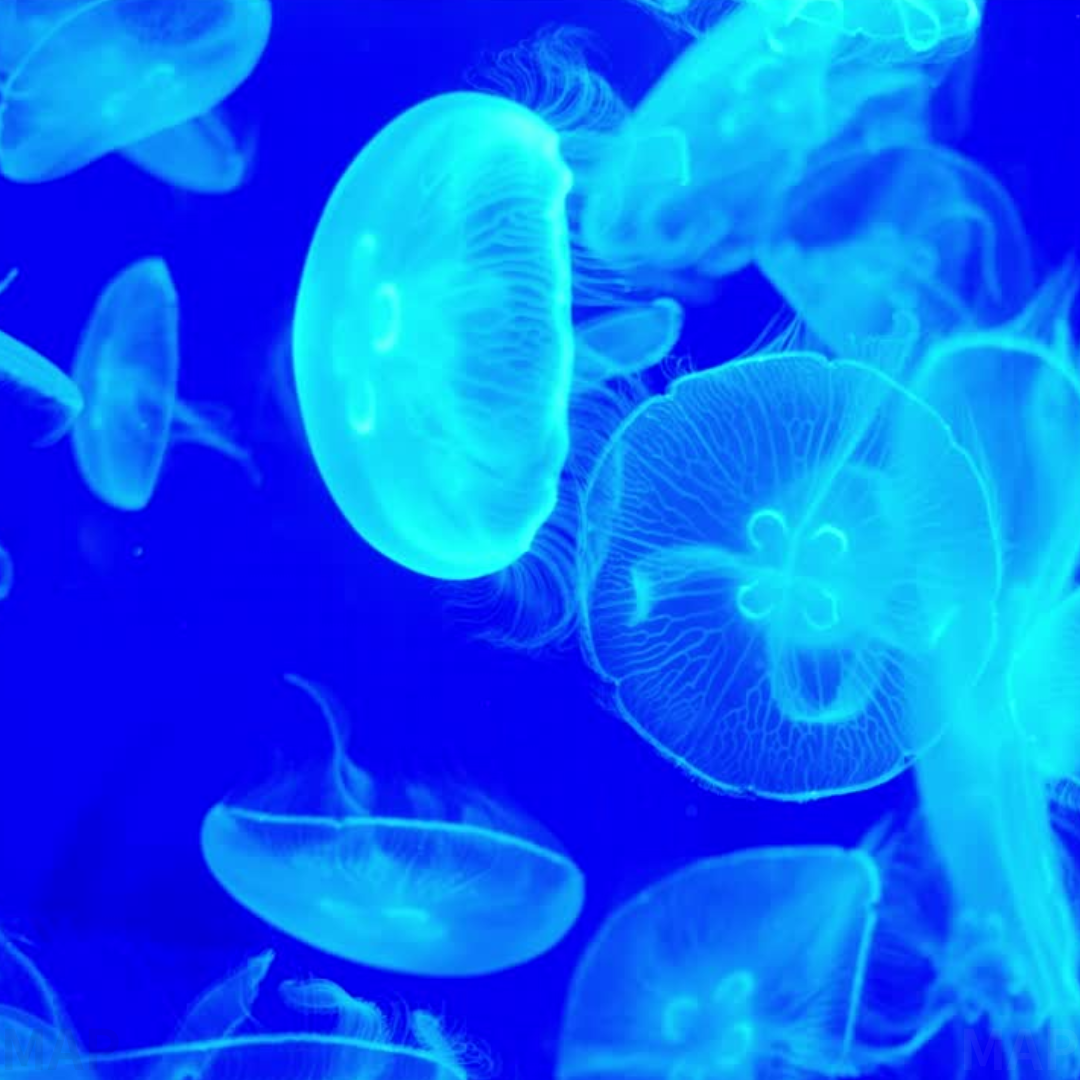
The Moon Jellyfish is a familiar and soothing presence in Japanese aquariums. Drifting gently with the current and pulsating rhythmically, they calm the mind and invite observers into an extraordinary world. Long thought to be a single cosmopolitan species, recent genetic studies have revealed that those found around Japan are a distinct lineage native to the Northwest Pacific, now recognized under the scientific name “Aurelia coerulea”.
Their appeal goes beyond their transparent beauty. They possess biologically fascinating characteristics, such as amazing survival strategies that adapt flexibly to environmental changes and regenerative abilities that restore lost body balance. With proper equipment and knowledge, they can be kept at home, bringing the joy of having a small ocean in your room.
日本(本州以南)、朝鮮半島、中国沿岸などの北西太平洋。米国西海岸の一部にも移入。Northwest Pacific (Japan, Korea, China). Introduced to parts of the US West Coast.
最大体長 / Max Size
傘径 15~30cm程度Bell diameter approx. 15-30 cm
寿命 / Lifespan
クラゲ(メデューサ)世代は半年~1年程度。ポリプ世代は環境次第で数年以上生存可能。Medusa stage: 6 months to 1 year. Polyp stage: Several years or more depending on environment.
飼育環境 / Aquarium Environment
水槽サイズ / Tank Size
30cmキューブ水槽(約25L)以上推奨。水流を回転させられる円形水槽やクラゲ専用水槽(クライゼル式など)が強く推奨されます。30cm cube tank (approx. 25L) or larger. Circular tanks or specialized jellyfish tanks (Kreisel type) that can rotate water flow are highly recommended.
水温 / Temperature
20℃~25℃
水質 / Water Quality
海水(比重 1.020~1.024)。粘液で汚れやすいため、清浄な水質を維持する必要があります。Saltwater (Specific Gravity 1.020-1.024). Needs clean water as mucus can foul it easily.
レイアウト / Layout
突起物や岩などは傘を傷つけるため一切不要です。水流に乗って漂わせるため、ベアタンク(底砂なし)が基本です。No sharp objects or rocks as they damage the bell. Bare tank is standard to allow drifting.
注意点 / Precautions
吸水口への吸い込み事故が最大の死因です。吸水口はスポンジで覆うか、直接触れない構造にする必要があります。また、強い水流や気泡の巻き込みも傘に穴が開く原因となります。Getting sucked into the filter intake is a major cause of death. Intakes must be covered or guarded. Strong currents and air bubbles can also damage the bell.
餌と給餌 / Feeding
餌の種類 / Diet
孵化直後のブラインシュリンプ幼生が最適です。栄養強化された冷凍ブラインシュリンプや、クラゲ用人工飼料も利用可能です。Freshly hatched brine shrimp nauplii are best. Enriched frozen brine shrimp or artificial jellyfish food can also be used.
給餌のポイント / Feeding Tips
1日1~2回、スポイトなどで口腕の近くに優しく吹きかけるように与えます。栄養価を高めるため、孵化後24時間以内のブラインシュリンプを与えるのが理想です。食べ残しはすぐに取り除いてください。Feed 1-2 times a day, gently spraying near the oral arms. Ideally use brine shrimp hatched within 24 hours for nutrition. Remove leftovers immediately.
性格と混泳 / Temperament and Tank Mates
性格 / Temperament
攻撃性はありませんが、触手に刺胞毒を持っています。浮遊生活をしており、自ら積極的に泳ぐというよりは水流に身を任せます。Not aggressive, but possesses stinging cells in tentacles. Planktonic, drifting with the current rather than swimming actively.
混泳の相性 / Compatibility
基本的に単独飼育、または同種同士の飼育が原則です。魚と一緒にすると、魚を刺してしまうか、逆に魚に突かれて食べられてしまいます。Single species tank is the rule. Fish may be stung by the jellyfish or may nip at and eat the jellyfish.
病気と対策 / Diseases and Prevention
かかりやすい病気 / Common Diseases
傘の変形、縮小、白濁、組織の欠損(溶け)。これらは主に水質悪化や細菌感染、不適切な水流による物理的ダメージが原因です。Bell deformation, shrinking, cloudiness, tissue loss (melting). Mostly caused by poor water quality, bacterial infection, or physical damage from currents.
対策と予防 / Prevention
特効薬の使用は難しいため、予防が全てです。水換えを頻繁に行い、常に清浄な海水を保つこと、そしてクラゲが傷つかない適切な「回る水流」を作ることが最大の対策です。Prevention is key as medication is difficult. Frequent water changes to keep water clean and maintaining a gentle “rotating flow” are the best measures.
増やし方(繁殖) / Breeding
繁殖形態 / Reproduction
有性生殖と無性生殖を行います。受精卵から生まれた「プラヌラ」は付着して「ポリプ」となり、分裂して増えます。ポリプは条件が揃うと「ストロビラ」に変態し、次々と「エフィラ(赤ちゃんクラゲ)」を遊離します。Sexual and asexual reproduction. Fertilized eggs become “planula,” settle as “polyps,” and multiply. Polyps become “strobila” and release “ephyra” (baby jellyfish).
繁殖のポイント / Breeding Tips
ポリプを維持することが基本です。ポリプはブラインシュリンプを食べて分裂し増えます。クラゲを発生させたい場合は、ポリプを15℃程度の低温に数週間晒してから水温を上げると、温度変化がスイッチとなりストロビレーション(クラゲの遊離)が始まります。Maintaining polyps is basic. They eat brine shrimp and multiply. To produce jellyfish, expose polyps to low temps (approx. 15°C) for weeks, then raise the temp to trigger strobilation.
雑学と豆知識 / Trivia and Fun Facts
1. 学名の更新と再定義 / 1. Scientific Name Update
かつてミズクラゲは世界中に分布する「Aurelia aurita」という一種だと考えられていました。しかし遺伝子解析の結果、実は見た目がそっくりな10種以上の「隠蔽種」の集まりであることが判明しました。日本や中国などの北西太平洋に住むミズクラゲは、遺伝的に独立した系統であることが分かり、「Aurelia coerulea」という学名で区別されるようになりました。coeruleaは「青色」を意味しますが、実際には白やピンクなど体色は様々です。Moon Jellyfish were thought to be one global species, “Aurelia aurita”. Genetic analysis revealed a complex of over 10 cryptic species. The lineage in the Northwest Pacific (Japan, China) is genetically distinct and now identified as “Aurelia coerulea”.
2. 驚異の裏技「直接発生」 / 2. Direct Development
通常、クラゲの赤ちゃん(プラヌラ)は岩などにくっついてイソギンチャクのような「ポリプ」になります。しかし、日本の福井県や京都府の海では、冬の寒い時期に生まれたプラヌラが、ポリプにならずに泳いだまま直接クラゲ(エフィラ)に変身する「直接発生」という現象が発見されました。これは冬の厳しい環境や外敵から身を守り、春のプランクトン増殖期にタイミングを合わせて成長するための、賢い生存戦略だと考えられています。Typically, planula larvae settle to become polyps. However, in Japan, winter planulae were found to transform directly into jellyfish (ephyra) while swimming, skipping the polyp stage. This “direct development” is a strategy to survive winter and time growth with spring blooms.
3. 再生医療へのヒント / 3. Clues for Regenerative Medicine
ミズクラゲは傷ついた体を治すとき、単に失った部分を生やすだけでなく、残った体を変形させて「左右対称」に戻そうとする機能(対称性の回復)を持っています。対称であることは泳ぐために不可欠だからです。さらに最近の研究では、特定のアミノ酸やインスリンを与えることで、通常は再生しない部分の再生を促せることも分かってきました。このメカニズムは、将来的に人間の再生医療にも応用できる可能性があるとして注目されています。Moon Jellyfish don’t just regrow lost parts; they rearrange existing tissue to restore radial symmetry, which is crucial for swimming. Recent studies show that certain nutrients can induce regeneration, offering potential insights for human regenerative medicine.
4. 貧酸素への強さと大量発生 / 4. Hypoxia Tolerance & Blooms
夏場の東京湾などで問題になる貧酸素水塊(酸素が極端に少ない水)。多くの生き物が死んでしまうこの過酷な環境でも、ミズクラゲのポリプは生き延びることができます。ライバルがいなくなったスペースでポリプが増殖し、その結果、翌春にクラゲが大量発生(ブルーム)することがあります。彼らのタフさが、時に発電所の取水口を詰まらせるほどの爆発的な増殖につながっているのです。Moon Jellyfish polyps can survive in hypoxic (low oxygen) waters where other marine life dies. They colonize these empty spaces, leading to massive population blooms the following spring, sometimes clogging power plant intakes.
まとめ / Conclusion
ミズクラゲ(Aurelia coerulea)は、単に美しいだけの生き物ではありません。彼らは日本の四季や環境の変化に合わせて、生活サイクルさえも変えてしまうほどの適応力を持った、たくましい生命です。水槽の中でふわふわと舞う彼らを眺めるとき、その背景にある何億年もの進化と生存戦略に思いを馳せてみてはいかがでしょうか。
Aurelia coerulea is not just a beautiful creature. They are resilient life forms with the adaptability to alter their life cycles to suit Japan’s changing seasons and environments. As you watch them drift gently in your tank, consider the millions of years of evolution and survival strategies behind their serene appearance.
家庭での飼育には専用の水槽や細やかな水質管理が必要ですが、手をかけた分だけ、彼らは極上の癒やしを与えてくれます。ただし、彼らは繁殖力が強く、地域の生態系に適応した固有の遺伝子を持っています。飼育する際は最後まで責任を持ち、決して野外に放流することのないよう、大切に育ててあげてください。
Keeping them at home requires specialized tanks and careful water management, but the soothing experience they provide is worth the effort. However, they are prolific breeders with genes adapted to local ecosystems. Please raise them responsibly and never release them into the wild.



 ポチップ
ポチップ

コメント