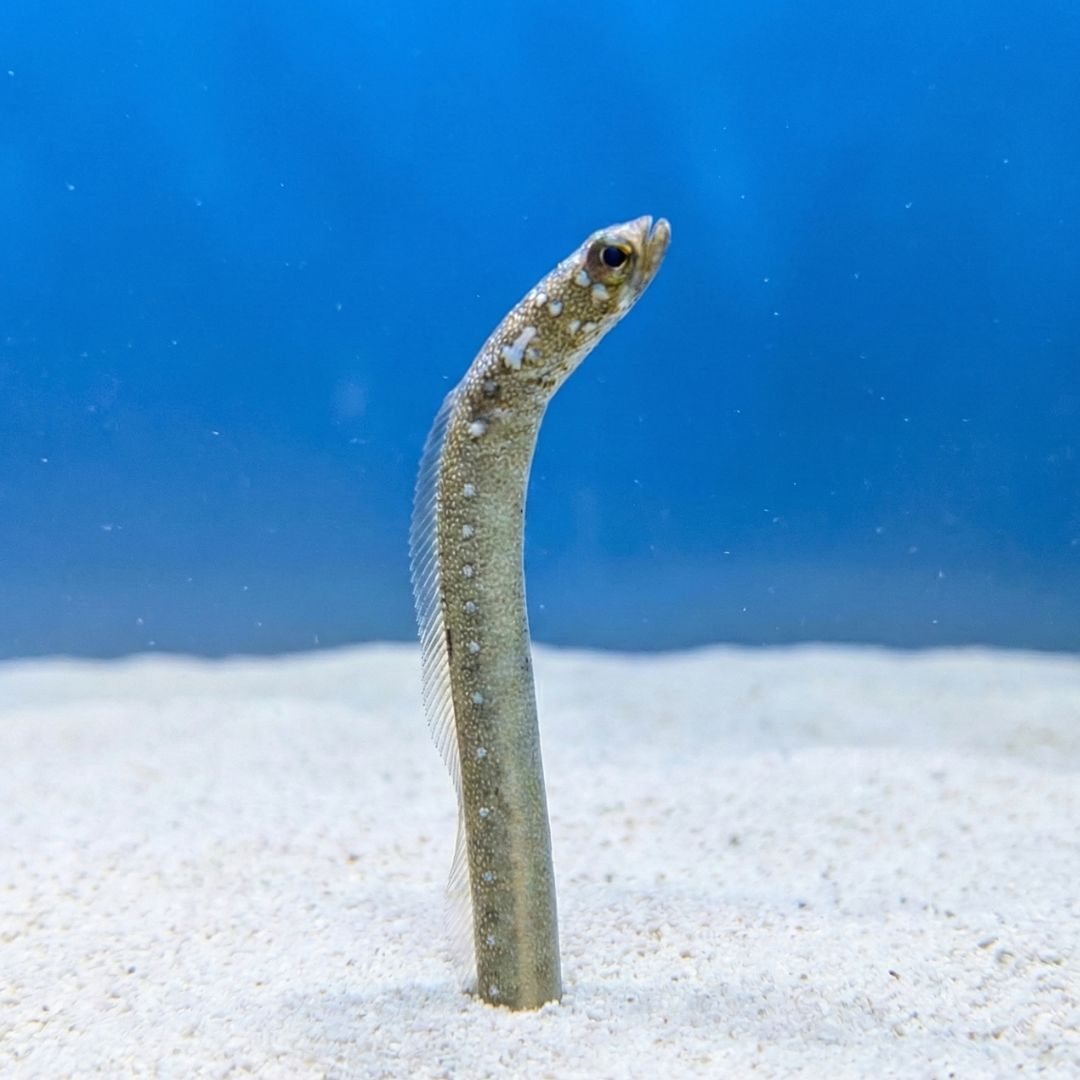
ホワイトスポッテッドガーデンイールは、その名の通り、落ち着いた褐色の体に美しい白い斑点が散りばめられた、シンジュアナゴ属の大型種です。おなじみのチンアナゴやニシキアナゴの仲間ですが、それらよりも深い水深(25m〜50m以深)の砂地斜面を好み、最大で70cmにも達する迫力ある姿が特徴です。日本では流通量が少なく、「知る人ぞ知る」レアな存在ですが、そのシックな美しさと存在感から、ガーデンイール飼育の到達点とも言える憧れの種です。飼育には、彼らの生息環境である「深場の砂地」を再現するための専用設備と、細やかなケアが必要となるため、上級者(エキスパート)向けの魚種とされています。The Whitespotted garden eel is a large species belonging to the genus Gorgasia, characterized by its subdued brownish body sprinkled with beautiful white spots, as its name suggests. A relative of the familiar Spotted garden eel and Splendid garden eel, it prefers deeper sandy slopes (depths of 25m to 50m or more) and can reach an impressive maximum length of 70cm. In Japan, its circulation is limited, making it a rare species known only to enthusiasts. However, due to its chic beauty and presence, it is considered a coveted species representing the pinnacle of garden eel keeping. Raising them requires specialized equipment to reproduce their natural “deep sandy bottom” environment and meticulous care, making it a species suited for expert aquarists.
基本情報 / Basic Information
学名 / Scientific Name
Gorgasia maculata
通称 / Common Name
ホワイトスポッテッドガーデンイール(シロテンシンジュアナゴ、スパゲッティガーデンイールとも)Whitespotted garden eel, Spaghetti garden eel
インド西太平洋(フィリピン、インドネシア、モルディブなど)。水深25m〜50m以深の砂地斜面。Indo-West Pacific (Philippines, Indonesia, Maldives, etc.). Sandy slopes at depths of 25m to 50m or more.
最大体長 / Max Size
約70cm(ニシキアナゴやチンアナゴより大型)Approx. 70cm (Larger than Splendid or Spotted garden eels)
寿命 / Lifespan
不明(具体的なデータなし)Unknown (No specific data available)
飼育環境 / Aquarium Environment
水槽サイズ / Tank Size
高さが重要です。高さ60cm以上のハイタイプ水槽(例:90cm×45cm×高さ60cm規格水槽など)を推奨。総水量150L以上のオーバーフローシステムが望ましいです。Height is crucial. A high-type tank with a height of 60cm or more (e.g., 90cm x 45cm x 60cm standard tank) is recommended. An overflow system with a total water volume of 150L or more is desirable.
底砂が最重要です。最低でも深さ15cm、理想的には20cm〜30cmの厚さが必要です。パウダーサンドと細目サンゴ砂を混合し、巣穴を維持しやすく、かつ通水性も確保した環境を作ります。導入前に底床の生物濾過を完成させておくことが不可欠です。The substrate is most important. A depth of at least 15cm, ideally 20cm to 30cm, is required. Mix powder sand and fine coral sand to create an environment that is easy to maintain burrows and ensures water permeability. It is essential to complete biological filtration of the substrate before introduction.
注意点 / Precautions
飼育難易度は「エキスパート向け」です。飛び出し事故が非常に多いため、水槽の隙間を完全に塞いでください。夜間のパニックを防ぐため、常夜灯(ムーンライト)の点灯が有効です。また、深場生息のため高水温(28℃以上)には弱い可能性があります。Difficulty level is “Expert Only”. Jumping accidents are very common, so completely seal any gaps in the tank. Using a night light (moonlight) is effective to prevent nighttime panic. Also, being a deep-water species, it may be sensitive to high water temperatures (over 28°C).
餌と給餌 / Feeding
餌の種類 / Diet
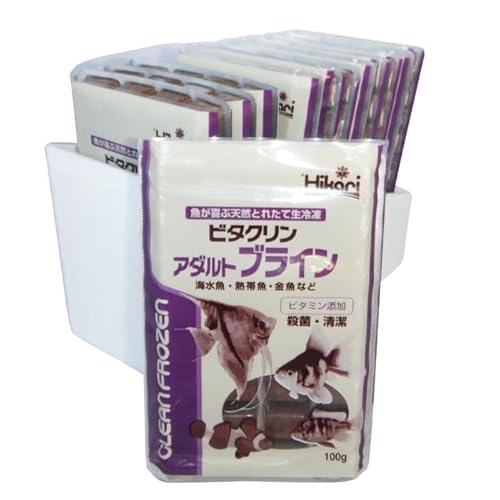
動物プランクトン食です。冷凍コペポーダ、冷凍ブラインシュリンプ(ベビーおよびアダルト)、活ブラインシュリンプなどを好みます。栄養強化のために、ビタミン剤などを添加(エンリッチ)して与えることを推奨します。Zooplanktivore. Prefers frozen copepods, frozen brine shrimp (baby and adult), and live brine shrimp. It is recommended to enrich the feed with vitamins, etc., for nutritional enhancement.
給餌のポイント / Feeding Tips
常に水流に逆らって泳いでいるためエネルギー消費が激しく、痩せやすい魚です。1日3回〜5回の高頻度で給餌を行うのが理想です。水流に乗せて、彼らの目の前に餌が流れていくように工夫してください。Since they always swim against the current, their energy consumption is high, and they are prone to losing weight. Ideally, feed them frequently, 3 to 5 times a day. Devise a way to let the food flow right in front of them, riding the water current.
性格と混泳 / Temperament and Tank Mates
性格 / Temperament
非常に臆病で神経質です。危険や強い刺激を感じると、瞬時に巣穴の奥深くまで潜ってしまいます。驚かせないように静かに見守ることが大切です。Very timid and nervous. When they sense danger or strong stimuli, they instantly dive deep into their burrows. It is important to watch them quietly so as not to startle them.
混泳の相性 / Compatibility
チンアナゴやニシキアナゴとの混泳は非常に良好で、群れを作ることで安心感を与えられます。ハタタテハゼなどの遊泳性ハゼや、動きの遅いヨウジウオ類とも相性が良いです。一方で、オトメハゼなどの底砂を掘り返すタイプのハゼは、巣穴を破壊するため混泳不可です。Compatibility with Spotted and Splendid garden eels is excellent, and forming a group provides a sense of security. They also coexist well with swimming gobies like Firefish and slow-moving pipefish. On the other hand, sand-sifting gobies like the Maiden goby are not suitable as they destroy burrows.
病気と対策 / Diseases and Prevention
かかりやすい病気 / Common Diseases
飛び出し事故が最大の死因です。病気としては、底砂が浅すぎることによる尾端の擦れや外傷(尾腐れ病)、および給餌不足による「痩せ(餓死)」が最も一般的です。Jumping accidents are the leading cause of death. Common diseases include tail abrasions or rot due to insufficient sand depth, and emaciation (starvation) due to inadequate feeding.
対策と予防 / Prevention
水槽の隙間を完全に塞ぐことが第一の予防策です。また、十分な厚さの清潔な底砂を用意し、栄養価の高い餌を頻繁に与えることで、病気に対する抵抗力を維持します。Completely sealing gaps in the tank is the primary preventive measure. Also, providing a sufficiently deep layer of clean sand and frequently feeding nutritious food helps maintain resistance to disease.
増やし方(繁殖) / Breeding
繁殖形態 / Reproduction
雌雄が体を絡ませて放卵放精を行う浮遊性産卵(Pelagic spawning)です。孵化した幼生は「レプトケファルス」と呼ばれる柳の葉のような形状で長期間浮遊します。Pelagic spawning where males and females intertwine and release eggs and sperm. Hatched larvae are called “Leptocephalus” and float for a long period in a willow-leaf-like shape.
繁殖のポイント / Breeding Tips
水槽内での産卵行動までは観察されることがありますが、レプトケファルス幼生の育成は専門の研究機関でも極めて困難であり、一般的な飼育環境での繁殖は確立されていません。While spawning behavior may be observed in aquariums, raising Leptocephalus larvae is extremely difficult even for specialized research institutions, and breeding in general captive environments has not been established.
雑学と豆知識 / Trivia and Fun Facts
1. ゴルゴーンの髪の毛 / 1. Hair of the Gorgon
本種の属名である Gorgasia は、ギリシャ神話に登場する怪物「ゴルゴーン(メドゥーサ)」に由来します。海底の砂から無数の細長い体が立ち上がり、海流に揺らめく様子を、蛇の髪の毛を持つゴルゴーンの頭に見立てたのです。水槽で彼らが一斉に顔を出す姿を見れば、かつての学者が感じた「美しくも恐ろしい」神秘的な感覚を追体験できるかもしれません。The genus name Gorgasia is derived from the monster “Gorgon” (Medusa) in Greek mythology. The sight of countless slender bodies rising from the sand and swaying in the current was likened to the Gorgon’s head of serpentine hair. Seeing them all pop out in an aquarium might let you relive the mysterious “beautiful yet terrifying” sensation felt by past scholars.
2. 「スパゲッティ」という名の混乱 / 2. The “Spaghetti” Confusion
英名では、その太さと姿から「Spaghetti garden eel(スパゲッティ・ガーデンイール)」と呼ばれることがあります。しかし、分類学的には全く異なるハリガネウミヘビ科の魚も「Spaghetti eel」と呼ばれるため、海外の情報を調べる際は注意が必要です。日本ではこの混乱を避けるため、「ホワイトスポッテッド」または「シロテン」という呼称が一般的です。In English, they are sometimes called “Spaghetti garden eels” due to their thickness and appearance. However, distinct fish from the Moringuidae family are also called “Spaghetti eels,” so caution is needed when researching. In Japan, the names “Whitespotted” or “Shiroten” are common to avoid this confusion.
3. 深海の迷彩服 / 3. Deep Sea Camouflage
彼らの「褐色に白い水玉模様」は、単なるおしゃれではありません。水深30m以深の海では赤い光が届かず、世界は青く染まります。その環境下で、不規則な白い斑点は砂底に落ちる陽光の揺らめき(フリッカー)や砂粒の輝きに溶け込み、捕食者から体の輪郭を隠す「分断色」としての役割を果たしていると考えられています。Their “brown with white polka dots” pattern isn’t just for fashion. At depths below 30m, red light doesn’t penetrate, turning the world blue. In that environment, the irregular white spots blend with the flickering sunlight on the sand bottom and the sparkle of sand grains, believed to act as “disruptive coloration” that hides their body outline from predators.
まとめ / Conclusion
ホワイトスポッテッドガーデンイールは、そのシックな美しさと70cmにもなる迫力で、ガーデンイールファンの憧れの存在です。しかし、その飼育には「高さのある水槽」「深い底砂」「頻繁な給餌」という、通常の海水魚飼育とは異なるアプローチが不可欠です。The Whitespotted garden eel is a coveted species for garden eel fans due to its chic beauty and impressive size reaching 70cm. However, keeping them requires an approach different from standard marine fish keeping, specifically “tall tanks,” “deep sand,” and “frequent feeding.”
流通は稀ですが、もし巡り会うことができれば、彼らのために徹底した深場環境を再現する価値は十分にあります。自宅の水槽で揺らめく「ゴルゴーンの髪」を眺める時間は、アクアリストにとって至福のひとときとなるでしょう。They are rarely circulated, but if you encounter one, it is well worth reproducing a thorough deep-sea environment for them. The time spent gazing at the “Gorgon’s hair” swaying in your home aquarium will be a blissful moment for any aquarist.



 ポチップ
ポチップ

コメント