

 ポチップ
ポチップ
解説 / Description
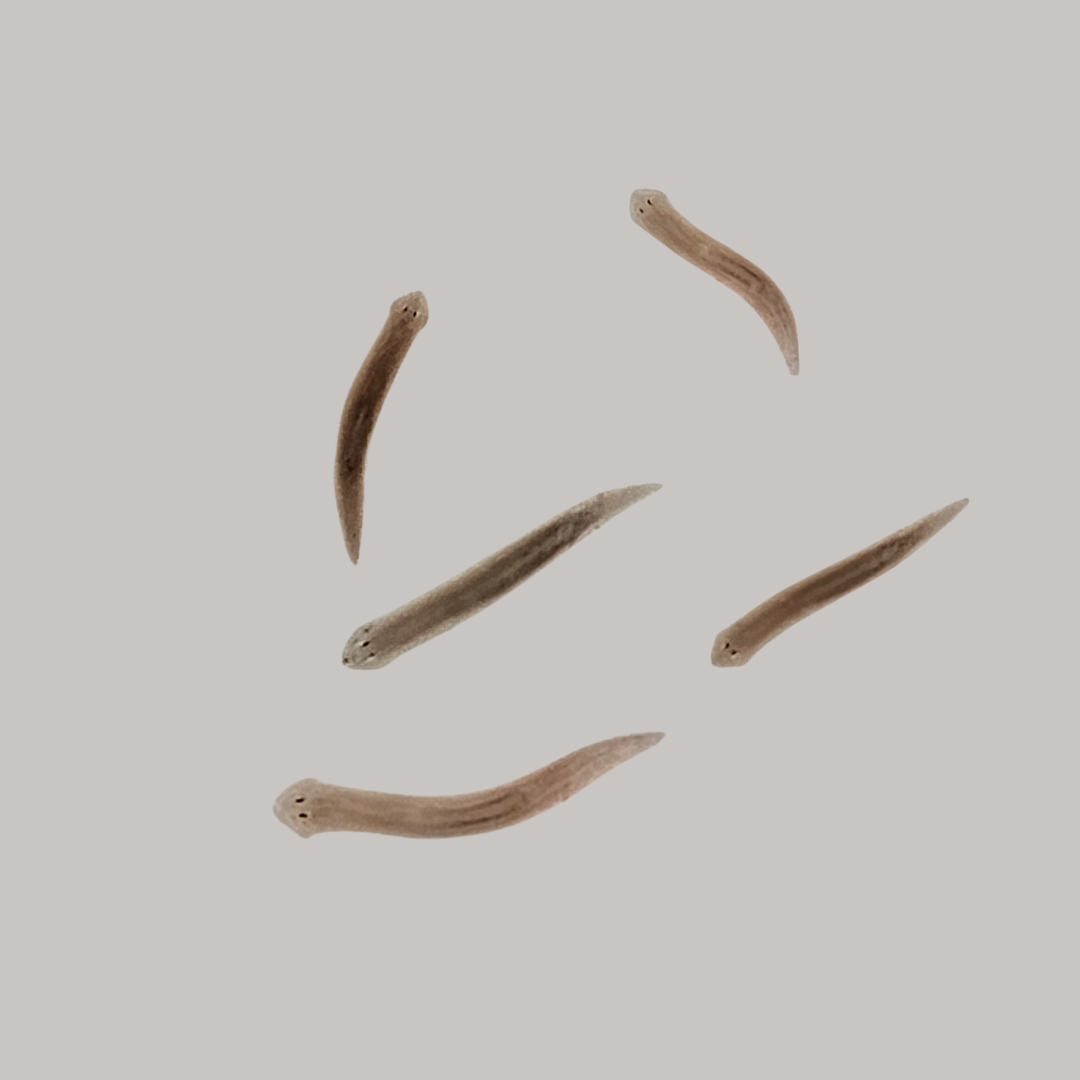
ナミウズムシ(通称:プラナリア)は、その愛らしい「寄り目」と驚異的な再生能力で知られる、日本固有の扁形動物です。一見すると単なる小さな虫に見えますが、彼らは生物学の世界において極めて重要な「モデル生物」としての地位を確立しています。
最大の特徴は、体を切断されても、そのすべての断片が完全な個体として再生するというSFのような能力です。頭部を切られても新しい頭が生え、尾を切られても新しい尾が生え、さらには脳さえも再生します。この能力の源は、全身に分布する万能細胞「ネオブラスト」です。日本国内の小川や水路に広く生息しており、適切な知識があれば自宅の小さな容器で「不老不死」とも言える生命の神秘を観察することができます。アクアリウムにおいては害虫扱いされることもありますが、その生物学的なユニークさは他に類を見ない魅力を持っています。
Dugesia japonica, commonly known as the Planarian, is a flatworm native to Japan, famous for its adorable “crossed eyes” and astonishing regenerative abilities. While they may appear to be simple creatures, they hold a prestigious status as a “model organism” in the field of biology.
Their most remarkable feature is the ability to regenerate a complete individual from any cut fragment of their body. If the head is severed, a new one grows; if the tail is cut, a new one forms; they can even regenerate their own brain. This ability stems from pluripotent stem cells called “neoblasts” distributed throughout their body. Found widely in streams and waterways across Japan, they allow anyone with the right knowledge to observe the mystery of “immortality” in a small container at home. Although sometimes considered pests in aquariums, their biological uniqueness offers an unparalleled fascination.
基本情報 / Basic Information
| 学名 / Scientific Name | Dugesia japonica (Ichikawa & Kawakatsu, 1964) |
|---|---|
| 通称 / Common Name | ナミウズムシ、プラナリアPlanarian, Freshwater Planarian |
| 分類 / Family | 扁形動物門 有棒状体綱 三岐腸目 サンカクアタマウズムシ科Phylum Platyhelminthes, Order Tricladida, Family Dugesiidae |
| 英名 / English Name | Japanese Planarian |
| 分布 / Distribution | 東アジア(日本全土、中国、朝鮮半島など)。平地から低山帯の河川や用水路。East Asia (Japan, China, Korean Peninsula, etc.). Rivers and irrigation channels from plains to low mountainous areas. |
| 最大体長 / Max Size | 1〜3cm程度(伸縮性が高い)Approx. 1-3 cm (Highly elastic) |
| 寿命 / Lifespan | 理論上は不老不死(無性生殖系統)。環境要因による死はある。Theoretically immortal (asexual strains). Mortality is caused by environmental factors. |
飼育環境 / Aquarium Environment
| 水槽サイズ / Tank Size | 浅いタッパーウェア、ガラスシャーレ、ビーカーなど。一般的な規格水槽である必要はなく、小型容器で管理可能。Shallow Tupperware, glass petri dishes, or beakers. Standard aquarium tanks are not necessary; small containers suffice. |
|---|---|
| 水温 / Temperature | 15℃〜25℃ ※28℃以上は危険。30℃で体が溶けて死滅するため、夏場はエアコン管理や保冷剤が必須。*Above 28°C is dangerous. At 30°C, they dissolve and die, so air conditioning or ice packs are essential in summer. |
| 水質 / Water Quality | カルキを抜いた水道水(日本の軟水が適している)。汚濁には比較的強いが、清浄な水を好む。塩分は厳禁。Dechlorinated tap water (Japanese soft water is suitable). Relatively tolerant of pollution but prefers clean water. Salt is strictly prohibited. |
| レイアウト / Layout | 観察や実験目的の場合は、管理しやすいベアタンク(底床なし)が推奨。隠れ家として石や落ち葉を入れると落ち着く。Bare bottom tanks are recommended for observation and ease of maintenance. Stones or fallen leaves provide shelter. |
| 注意点 / Precautions | 脱走の名人であるため、蓋は必須(通気性は確保すること)。直射日光や強い光を嫌うため、暗所で管理する。Lids are essential to prevent escape (ensure ventilation). Keep in a dark place as they dislike direct sunlight and strong light. |
餌と給餌 / Feeding
| 餌の種類 / Diet | 鶏レバー(生または湯通し)、ゆで卵の黄身、サキイカ、冷凍赤虫など。また、一部の専門的な養殖現場においては、「熱帯魚用」「金魚用」「メダカ用」の3種類の人工飼料を粉末にして混ぜ合わせたものが、単独使用よりも栄養バランスに優れ、増殖に有効である可能性が示唆されています。Chicken liver (raw or blanched), boiled egg yolk, dried squid, frozen bloodworms, etc. In some specialized breeding environments, it has been suggested that a powdered blend of three types of artificial feed (tropical fish, goldfish, and medaka) may be more effective for proliferation than single use due to better nutritional balance. |
|---|---|
| 給餌のポイント / Feeding Tips | 週に1〜2回与える。食べた後に水を著しく汚すため、給餌後2〜3時間以内に必ず全量の水を交換することが最重要。食べ残しの放置は全滅に繋がる。Feed 1-2 times a week. Since they foul the water heavily after eating, it is crucial to change 100% of the water within 2-3 hours after feeding. Leaving leftovers will lead to mass death. |
性格と混泳 / Temperament and Tank Mates
| 性格 / Temperament | 普段は石の裏などに隠れているが、餌の匂いがすると活発に動き回る。基本的には大人しいが、弱ったエビや貝を集団で襲う肉食性の一面も持つ。Usually hides under stones but becomes active when smelling food. Generally peaceful, but carnivorous, sometimes attacking weakened shrimp or snails in groups. |
|---|---|
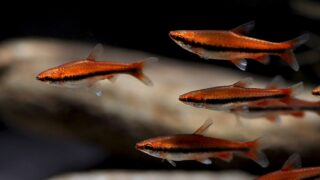
| 混泳の相性 / Compatibility | 基本的には単独飼育推奨。魚に捕食されることは少ないが(不味いため)、スカーレットジェムなどの一部の魚は好んで食べる。逆に稚エビや稚貝にとっては脅威となる。Single-species keeping is recommended. While rarely eaten by fish (due to bad taste), some species like Scarlet Badis will eat them. Conversely, they pose a threat to baby shrimp and snails. |
病気と対策 / Diseases and Prevention
| かかりやすい病気 / Common Diseases | 「自己融解(溶解)」。病気というよりは環境不適応による崩壊現象。30℃を超える高水温や急激な水質悪化により、自身の消化酵素で体が溶けてしまう。“Self-lysis” (melting). A collapse caused by environmental stress rather than disease. High temperatures over 30°C or poor water quality cause them to dissolve via their own digestive enzymes. |
|---|---|
| 対策と予防 / Prevention | 夏場の温度管理と、給餌後の水換えを徹底する。体が白くなったり縮んだりするのは危険信号。塩分には極めて弱いため、塩浴は厳禁。Strictly manage temperature in summer and water changes after feeding. Whitening or shrinking bodies are warning signs. Salt baths are strictly prohibited as they are extremely sensitive to salt. |
増やし方(繁殖) / Breeding
| 繁殖形態 / Reproduction | 主に「分裂」による無性生殖を行う。環境によっては「卵」を産む有性生殖へ切り替わることもある。Mainly asexual reproduction via “fission”. Depending on the environment, they may switch to sexual reproduction and lay eggs. |
|---|---|
| 繁殖のポイント / Breeding Tips | 餌を十分に与え、20℃前後の清潔な水で飼育すれば自然に分裂して増える。人工的にカミソリで切断して増やすことも可能だが、その際は1週間以上絶食させて腸内を空にしてから行うこと。With ample food and clean water around 20°C, they will naturally fission. Artificial cutting with a razor is possible, but they must be fasted for at least a week beforehand to empty their guts. |
雑学と豆知識 / Trivia and Fun Facts
| 1. 万能細胞「ネオブラスト」と不死の秘密 / 1. Neoblasts and the Secret of Immortality |
ナミウズムシの体細胞の約20〜30%は、「ネオブラスト」と呼ばれる未分化な幹細胞で占められています。これは人間でいうところのES細胞やiPS細胞のような万能性を持った細胞が、全身に散らばっている状態です。 体が切断されると、これらの細胞が傷口に集結して「再生芽」を作り、筋肉、神経、眼、腸など、失われたあらゆる組織へと変化して修復します。このシステムにより、彼らは老化せず、分裂を繰り返すことで理論上の「不老不死(不用老)」を実現しているのです。 About 20-30% of a planarian’s body cells are undifferentiated stem cells called “neoblasts.” It is as if pluripotent cells, like human ES or iPS cells, are scattered throughout their entire body. When the body is cut, these cells gather at the wound to form a “blastema,” differentiating into muscles, nerves, eyes, intestines, and any other lost tissue. This system allows them to avoid aging and achieve theoretical “immortality” (negligible senescence) through repeated fission. |
|---|---|
| 2. 脳がなくても記憶が残る? / 2. Memory Without a Brain? |
「記憶は脳にある」という常識を覆すような実験結果があります。学習させたナミウズムシの頭部(脳)を切断し、残った尾部から新しい脳を再生させたところ、その個体は学習の内容を覚えていたのです。 これは、記憶の一部が脳だけでなく全身の神経ネットワークに分散して保存されているか、あるいはDNAの化学的修飾(エピジェネティックな変化)として体細胞に刻まれている可能性を示唆しています。彼らは脳を失っても、私たちがまだ知らない方法で「自分」を記憶しているのかもしれません。 Experiments have challenged the common belief that memory resides solely in the brain. When trained planarians had their heads (brains) removed and regenerated a new brain from the tail, they retained the learned memory. This suggests that memory might be distributed throughout the body’s neural network or imprinted on somatic cells via epigenetic modifications. Even after losing their brains, they may remember “themselves” in ways we do not yet understand. |
| 3. 日本発の技術が世界を変えた / 3. Japanese Technology Changed the World |
現在の世界の再生研究において、ナミウズムシは欠かせない存在ですが、その発展に大きく貢献したのが日本の研究チームです。 かつて遺伝子の働きを調べる実験は非常に手間がかかるものでしたが、日本の研究者が、特殊なRNAを含んだ水にナミウズムシを「浸すだけ」で遺伝子操作ができる「ソーキング法」を開発しました。この画期的な簡易技術により、再生メカニズムの解明が一気に加速したのです。ナミウズムシは、日本の科学技術と共に歩んできたパートナーでもあります。 While planarians are essential to global regeneration research, Japanese research teams have contributed significantly to their prominence. Genetic experiments used to be laborious, but Japanese researchers developed the “soaking method,” allowing gene manipulation simply by soaking planarians in water containing specific RNA. This revolutionary simple technique accelerated the understanding of regeneration mechanisms. Planarians are partners that have walked alongside Japanese science and technology. |
| 4. 食べるもので性が変わる? / 4. Diet Changes Sexuality? |
ナミウズムシには分裂で増える「無性生殖系統」と、卵を産む「有性生殖系統」がありますが、驚くべきことに彼らは後天的に性を獲得することができます。 無性生殖の個体に、近縁種のイズミオオウズムシを食べさせ続けると、その中に含まれる性誘導物質の影響で卵巣や精巣が発達し、有性生殖個体へと「変身」してしまうのです。環境や食べ物に合わせて生き残り戦略を柔軟に変える、彼らのしたたかな生存能力には驚かされます。 Planarians have asexual strains that multiply by fission and sexual strains that lay eggs, but surprisingly, they can acquire sexuality later in life. If asexual individuals are fed a related species, *Bdellocephala brunnea*, sexualizing substances in the food cause them to develop ovaries and testes, “transforming” them into sexual individuals. Their shrewd survival ability to flexibly change strategies based on environment and diet is astounding. |
まとめ / Conclusion
ナミウズムシは、単なる水辺の生き物という枠を超え、生命の可能性を私たちに問いかける深遠な存在です。切っても再生するその体には、老化なき生命維持システムや、脳外記憶といった未解明の謎が詰まっています。
飼育は温度管理と水換えさえ徹底すれば難しくありません。タッパーひとつの小さな世界で、科学者たちを魅了し続ける「不死の生命」の神秘を、ぜひあなたの目でも観察してみてください。
Dugesia japonica transcends being a mere aquatic creature; it is a profound existence that questions the possibilities of life. Its body, which regenerates after being cut, is filled with unsolved mysteries such as an ageless life support system and extracerebral memory.
Keeping them is not difficult if temperature control and water changes are strictly maintained. Observe the mystery of “immortal life” that continues to fascinate scientists in the small world of a single container with your own eyes.
※本稿の作成にあたっては、ナミウズムシの生態、生理、流通および培養技術に関する包括的な調査報告書を参照し、最新の学術的知見を反映させました。 *This article was created with reference to a comprehensive survey report on the ecology, physiology, distribution, and culture techniques of Dugesia japonica, reflecting the latest academic findings.


 ポチップ
ポチップ
▶ 記事の生体をAMAZONで買う ▶ 記事の生体をYahooで買う

コメント