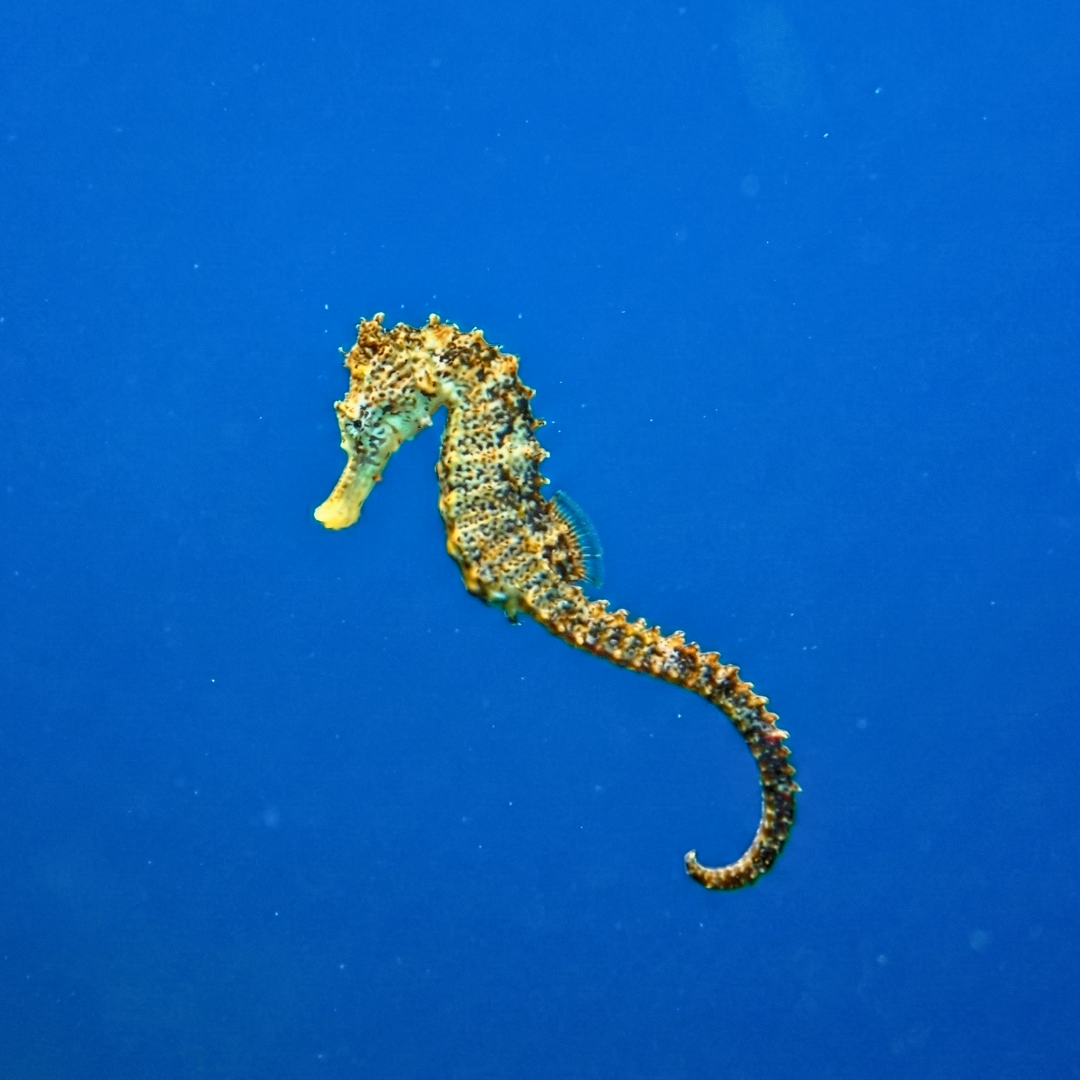
和名に「クロ」とついていますが、実際には黄色、オレンジ、赤褐色など、個体によって驚くほど多彩なカラーバリエーションを持っています。その愛らしい姿と興味深い生態から、水族館でも人気者ですが、飼育には専用の設備と知識が必要です。現在、ワシントン条約(CITES)によって国際的な取引が管理されており、飼育する際は、野生個体群への影響を考慮し、適切に繁殖されたブリード個体を選ぶことが推奨されています。Hippocampus kuda, also known as the Spotted Seahorse or Yellow Seahorse, is one of the most iconic species of seahorses found throughout the Indo-Pacific tropical regions. In Japan, they can be found in shallow waters south of the Kii Peninsula and around Okinawa, often inhabiting seagrass beds. The scientific name “kuda” means “horse” in Malay/Indonesian, perfectly describing their equine appearance.
Despite the Japanese name implying “Black Seahorse,” they exhibit a stunning array of color variations including yellow, orange, and reddish-brown. While they are popular in aquariums, keeping them requires specialized equipment and knowledge. Currently, their international trade is regulated by CITES. It is highly recommended to choose captive-bred individuals to protect wild populations.
ヨウジウオ科タツノオトシゴ属Syngnathidae (Seahorses and Pipefishes)
英名 / English Name
Spotted seahorse
分布 / Distribution
インド太平洋全域(日本、東南アジア、オーストラリア、ハワイなど)。日本では本州中部以南。Indo-Pacific region (Japan, Southeast Asia, Australia, Hawaii, etc.). South of central Honshu in Japan.
最大体長 / Max Size
約15cm〜30cm(飼育下では15-20cm程度が多い)Approx. 15-30cm (Usually 15-20cm in captivity)
寿命 / Lifespan
約3〜5年Approx. 3-5 years
飼育環境 / Aquarium Environment
水槽サイズ / Tank Size
高さが非常に重要です。最低でも高さ45cm以上が必要で、60cm規格水槽(約60L)よりも、60cmハイタイプや60cmワイド水槽(100L以上)が推奨されます。水量が少ないと水質維持が困難です。Height is crucial; a minimum height of 45cm is required. Tanks larger than 100L (e.g., 60cm wide tanks) are recommended over standard 60cm tanks to maintain water quality.
水温 / Temperature
23〜25°C
水質 / Water Quality
清浄な海水を好みます。大食漢で水を汚しやすいため、強力な生物濾過とプロテインスキマーの設置が必須です。Clean seawater is preferred. Strong biological filtration and a protein skimmer are essential as they produce a significant bioload.
レイアウト / Layout
尾を巻き付けるための「止まり木」が必要です。枝状のサンゴ骨格や人工海藻などを立体的に配置します。底砂は敷かない(ベアタンク)方が、食べ残しを掃除しやすく衛生管理が容易です。Hitching posts are necessary. Arrange branch corals or artificial seaweeds vertically. A bare-bottom tank is recommended for easier cleaning and hygiene.
注意点 / Precautions
強い水流は苦手ですが、淀みは病気の原因になります。「流量は多く、流速は遅い」環境を作る工夫が必要です。また、フィルターの吸水口に尾が吸い込まれないよう、ストレーナースポンジを必ず装着してください。They dislike strong currents, but stagnant water causes disease. Create high-volume but low-velocity flow. Always cover filter intakes with sponges to prevent tail injuries.
餌と給餌 / Feeding
餌の種類 / Diet
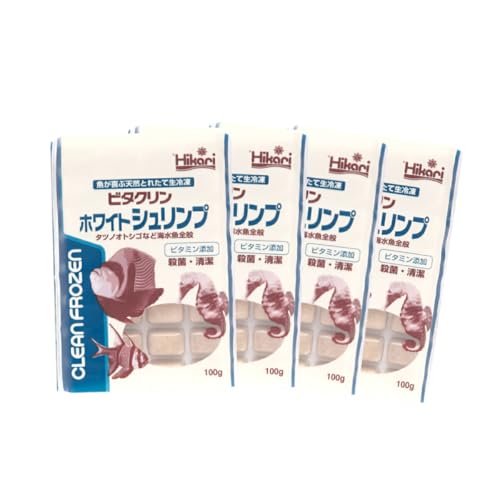
主に冷凍イサザアミ(ホワイトシュリンプより栄養価が高いもの)を与えます。ブリード個体(CB)は冷凍餌に慣れていますが、野生個体(WC)は活きたイサザアミやヨコエビしか食べないことが多く、餌付けは非常に困難です。Mainly frozen Mysis shrimp. Captive-bred (CB) individuals usually accept frozen food, but wild-caught (WC) ones often require live bait like live mysis or amphipods, making feeding difficult.
給餌のポイント / Feeding Tips
1日2〜3回、時間をかけて与えます。水流に乗せて生きているように見せたり、餌皿(フィーディングステーション)を設置して場所を覚えさせると効果的です。食べ残しはすぐに取り除いてください。Feed 2-3 times a day. Drifting the food in the current or using a feeding station is effective. Remove uneaten food immediately.
性格と混泳 / Temperament and Tank Mates
性格 / Temperament
非常に温和で、動きもゆっくりしています。争いを好まず、普段は止まり木に掴まってじっとしていることが多いです。Very peaceful and slow-moving. They dislike conflict and often spend their time holding onto hitching posts.
混泳の相性 / Compatibility
基本的に単独飼育、または同種間での飼育が推奨されます。動きの速い魚や餌を奪う魚と一緒にすると、餓死してしまうリスクが高いです。サンゴとの混泳も可能ですが、毒性の強いサンゴは避けてください。Species-only tanks are highly recommended. Keeping them with fast-moving or aggressive eaters often leads to starvation. Coral tanks are possible, but avoid stinging corals.
病気と対策 / Diseases and Prevention
かかりやすい病気 / Common Diseases
体に気泡が溜まって潜れなくなる「ガス病」や、尾や皮膚が白く壊死するビブリオ菌などの細菌感染症にかかりやすい傾向があります。また、野生個体は寄生虫を持っていることが多いです。Prone to Gas Bubble Disease (buoyancy issues) and bacterial infections like Vibriosis (tail rot). Wild individuals often carry parasites.
対策と予防 / Prevention
水温を25°C以下に保つことが最大の予防策です。高水温は細菌の増殖を招きます。導入時の検疫(トリートメント)と、清潔な環境維持を徹底してください。Keeping the temperature below 25°C is crucial to prevent bacterial growth. Quarantine new arrivals and maintain a clean environment.
増やし方(繁殖) / Breeding
繁殖形態 / Reproduction
オスが腹部にある育児嚢(いくじのう)で卵を保護し、出産するという独特の繁殖生態を持ちます。求愛の際、ペアは絡み合いながら水面へ向かって上昇する美しいダンスを踊ります。Males carry eggs in a brood pouch and give birth. During courtship, the pair performs a beautiful ascending dance while intertwined.
繁殖のポイント / Breeding Tips
水槽内での出産までは比較的容易ですが、生まれた稚魚を育てるのは「至難の業」です。稚魚は非常に小さく、栄養強化したワムシやコペポーダの幼生など、微細な生きた餌が必要です。また、水流で回る特殊な「クライゼル水槽」が必要になることもあります。While birth in the tank is common, raising fry is extremely difficult. Fry require tiny, enriched live foods like rotifers and copepods. Specialized “Kreisel tanks” are often needed.
雑学と豆知識 / Trivia and Fun Facts
1. 学名「kuda」の由来 / 1. Origin of “kuda”
種小名の「kuda」は、インドネシア語やマレー語で「馬」を意味する言葉から名付けられました。また、属名の「Hippocampus」はギリシャ語の「馬(hippos)」と「海の怪物(kampos)」を組み合わせたものであり、まさに彼らは学名においても「馬の中の馬」という位置づけにあります。“Kuda” means “horse” in Indonesian/Malay. Combined with the genus name Hippocampus (Horse + Sea Monster), they are truly the quintessential “Sea Horse.”
2. カメレオンのような変身術 / 2. Masters of Disguise
「クロ」ウミウマという名前ですが、彼らは環境に合わせて体色を変化させる達人です。黄色い個体を黒い背景の水槽に入れると、数週間で黒褐色に変化することがあります。これは外敵から身を守るための擬態であり、気分や求愛時にも色が鮮やかに変わることが知られています。Despite the name “Black” Seahorse (in Japanese), they change color like chameleons to match their surroundings for camouflage. They also change color during courtship.
3. 厳しい法的保護と規制 / 3. Legal Protection
現在、すべてのタツノオトシゴ類はワシントン条約(CITES)附属書IIに掲載され、国際取引には許可が必要です。また、日本国内、特に沖縄県では漁業調整規則により、彼らの棲家であるサンゴやライブロックの採集が厳しく禁止されています。安易な自己採集は避け、正規のルートで輸入された個体やブリード個体を入手することが、種の保全につながります。All seahorses are listed under CITES Appendix II. In Japan (Okinawa), collecting their coral/rock habitat is strictly prohibited. Choosing captive-bred individuals supports conservation.
4. 実はおしゃべり? / 4. Bioacoustics
タツノオトシゴは静かな生き物だと思われがちですが、実は音を出します。餌を食べる瞬間やストレスを感じた時、頭蓋骨を擦り合わせて「カチッ(Click)」という音(スニック音)を発することがあります。静かな水槽環境であれば、食事中の彼らの「おしゃべり」が聞こえるかもしれません。They actually make sounds! They produce a “clicking” sound (snick) by rubbing parts of their skull when feeding or stressed. You might hear them in a quiet tank.
まとめ / Conclusion
クロウミウマは、そのユニークな姿と愛らしい行動で、私たちのアクアリウムライフに特別な彩りを与えてくれます。しかし、その飼育は決して簡単ではなく、高さのある水槽や専用のクーラー、そして日々の丁寧な給餌管理が求められます。特に初心者の場合、餌付けの難しい野生個体よりも、冷凍餌に慣れているブリード個体(CB)から始めることを強くお勧めします。適切な環境を整え、彼らと長く付き合うことで、生命の神秘を間近に感じる素晴らしい体験ができるでしょう。Hippocampus kuda adds a unique charm to any aquarium with its lovely appearance. However, keeping them requires dedication, including tall tanks, chillers, and careful feeding. Beginners are strongly advised to start with captive-bred (CB) individuals that accept frozen food. With the right environment, you can enjoy the mystery of life up close.
この図鑑が、あなたのクロウミウマ飼育の一助となれば幸いです。もし繁殖に成功したら、それはアクアリストとして非常に誇らしい成果となるはずです。We hope this guide helps you in keeping Hippocampus kuda. Successfully breeding them would be a proud achievement for any aquarist.
 ポチップ
ポチップ


コメント