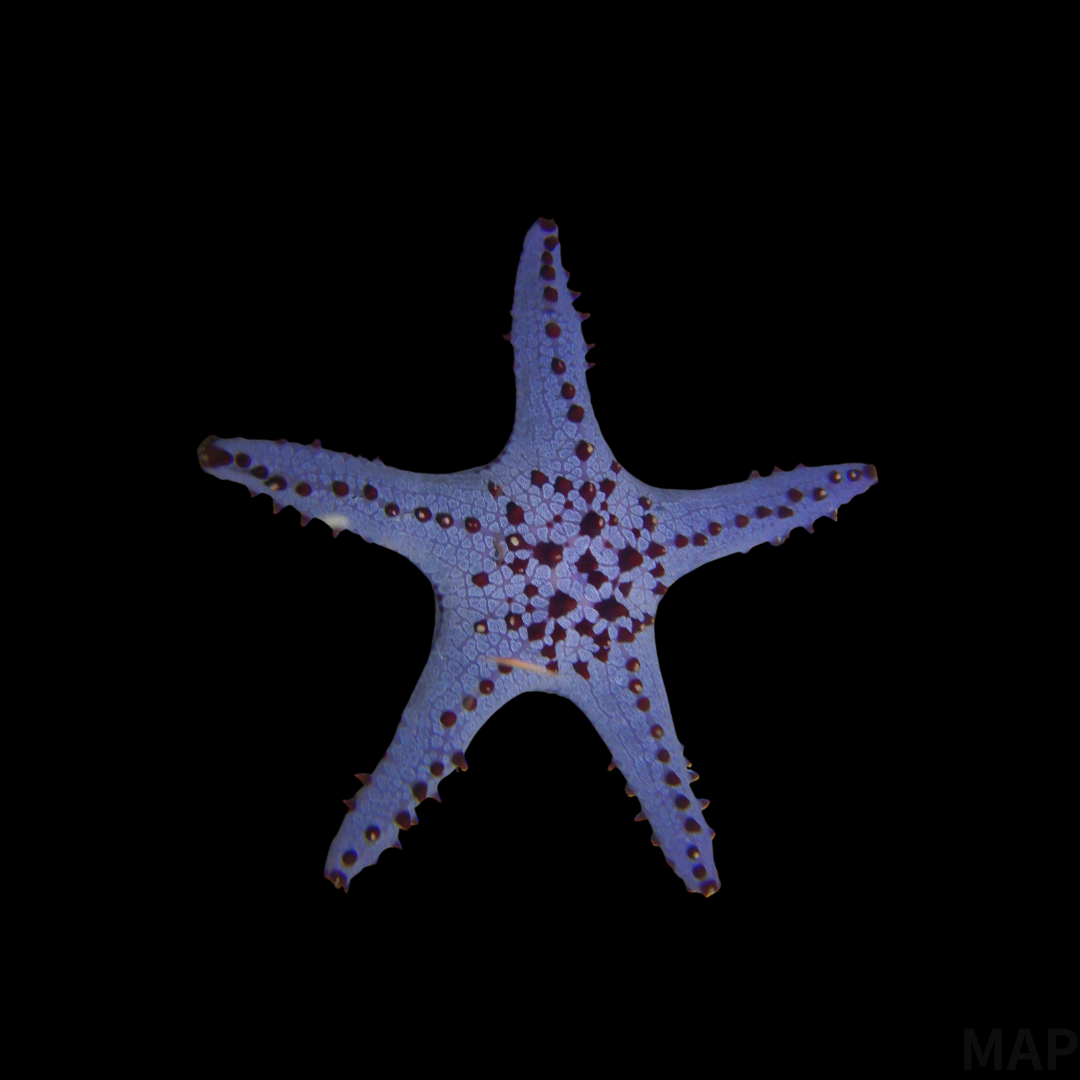
コブヒトデモドキは、西太平洋のサンゴ礁域に生息する大型の美しいヒトデです。「コブヒトデ」という名前で流通していることが多いですが、実際には生物学的に異なる種類であり、鋭角的な棘(コブ)と、鮮やかな網目模様が特徴です。その存在感は水槽の主役級ですが、「掃除屋だから餌はいらない」「丈夫だから簡単」といった誤解により、短期間で死なせてしまうケースが後を絶ちません。本来は非常に長生きで、水槽環境に慣れればユニークな行動を見せてくれる魅力的なパートナーとなります。本種を正しく理解し、適切なケアを行うことで、その真の魅力を引き出すことができます。Pentaceraster alveolatus is a large and beautiful sea star inhabiting coral reefs in the Western Pacific. Often sold under the general name “Knobbed Sea Star,” it is biologically distinct, characterized by sharp conical spines and vivid reticulated patterns. While it has a commanding presence in the aquarium, misconceptions such as “scavengers don’t need feeding” or “they are hardy and easy” often lead to premature death. In reality, with proper care and feeding, they can be long-lived and fascinating tank inhabitants.
基本情報 / Basic Information
学名 / Scientific Name
Pentaceraster alveolatus
通称 / Common Name
コブヒトデモドキ、カラーコブヒトデHorned sea star, Cushion star (shared name)
分類 / Family
オオアカヒトデ科 コブヒトデモドキ属Oreasteridae, Genus Pentaceraster
英名 / English Name
Pentaceraster alveolatus
分布 / Distribution
西太平洋(日本、フィリピン、インドネシア、オーストラリア北部など)Western Pacific (Japan, Philippines, Indonesia, Northern Australia, etc.)
最大体長 / Max Size
直径 20cm – 30cm(飼育下ではやや小型にとどまる傾向あり)Diameter 20cm – 30cm (Tend to be slightly smaller in captivity)
寿命 / Lifespan
長期飼育可能(適切な環境下では数年以上)Long-lived (Several years or more under appropriate conditions)
飼育環境 / Aquarium Environment
水槽サイズ / Tank Size
90cm規格水槽(約150L)以上推奨。最低でも60cmワイド水槽が必要です。底面積を広く取ることが重要です。90cm standard tank (approx. 150L) or larger recommended. At least a 60cm wide tank is required to provide sufficient bottom area.
水温 / Temperature
23℃ – 26℃
水質 / Water Quality
比重 1.023 – 1.025、pH 8.1 – 8.4。比重の急変や低下(1.020以下)は致命的です。S.G. 1.023 – 1.025, pH 8.1 – 8.4. Sudden changes or drops in specific gravity (below 1.020) are fatal.
レイアウト / Layout
底砂(サンゴ砂)が必須です。 パウダーから中目サイズの砂を3cm〜5cmほど敷き、微生物が湧く環境を作ります。Coral sand substrate is essential. Use powder to medium grain size, 3-5cm deep, to encourage microfauna.
注意点 / Precautions
導入時の「水合わせ」が最重要です。点滴法で1〜2時間かけ、慎重に行ってください。空気に触れると体内に気泡が入り弱ることがあるため、移動は常に水中で行います。Acclimation is critical. Use the drip method for 1-2 hours. Avoid exposing them to air, as trapped bubbles can cause harm; always transfer underwater.
餌と給餌 / Feeding
餌の種類 / Diet
アサリ、イカ、エビの切り身などの動物性タンパク質。 沈下性の肉食魚用タブレットも食べます。デトリタス(有機物)だけでは餓死します。Animal protein such as clam meat, squid, and shrimp slices. They also eat sinking carnivore pellets. Detritus alone is not enough to prevent starvation.
給餌のポイント / Feeding Tips
2〜3日に1回、ヒトデの近くや体の下に餌を置きます。魚に横取りされる場合は、ザルなどを被せてガードし、ゆっくり食べさせてください。Place food near or under the starfish every 2-3 days. If fish steal the food, cover the starfish with a basket to allow it to eat undisturbed.
性格と混泳 / Temperament and Tank Mates
性格 / Temperament
基本的には大人しいですが、機会があれば貝類や弱った生物を捕食します。サンゴの上に乗って食害したり、物理的にダメージを与えたりするため、サンゴ水槽には向きません。Generally peaceful but will feed on mollusks or weak animals opportunistically. Not reef safe as they may eat or physically damage corals.
混泳の相性 / Compatibility
スズメダイやハナダイなどは問題ありません。フグ、カワハギ、モンガラカワハギ、大型ベラ、フリソデエビなど、ヒトデを捕食する生物とは絶対に混泳できません。Compatible with damselfish and anthias. Never keep with predators like puffers, triggerfish, large wrasses, or Harlequin shrimp.
病気と対策 / Diseases and Prevention
かかりやすい病気 / Common Diseases
浸透圧ショックによる組織崩壊(体が溶ける)、感染症。一度組織が崩れ始めると回復は困難です。Tissue disintegration due to osmotic shock, and infections. Recovery is difficult once tissue starts to dissolve.
対策と予防 / Prevention
比重と水温を一定に保つことが最大の予防です。購入時に体が硬く、管足でしっかり張り付いている個体を選び、丁寧な水合わせを行ってください。Keeping specific gravity and temperature stable is the best prevention. Select firm, sticky individuals and acclimate them carefully.
増やし方(繁殖) / Breeding
繁殖形態 / Reproduction
自然界では放卵放精を行いますが、一般的な飼育設備での繁殖は極めて困難です。They spawn in the wild, but breeding in typical aquarium setups is extremely difficult.
繁殖のポイント / Breeding Tips
水槽内での意図的な繁殖方法は確立されていません。分裂による増殖(再生)も、中心盤が健全でなければ成功率は低いです。No established method for intentional breeding in aquariums. Regeneration requires a healthy central disc and is not a reliable method of propagation.
雑学と豆知識 / Trivia and Fun Facts
1. よく似た「コブヒトデ」との違い / 1. Difference from “Protoreaster nodosus”
安価に流通する「コブヒトデ(Protoreaster nodosus)」は、コブの先端が丸く鈍いのが特徴です。一方、本種「コブヒトデモドキ」はコブが鋭角的で、体表に網目模様が入ることが多いです。分類学的にも「属」のレベルで異なる別の生き物です。The common “Protoreaster nodosus” has blunt, rounded knobs. In contrast, this species has sharper, conical spines and often features a reticulated pattern. They are biologically different genera.
2. ヒトデヤドリエビとの共生 / 2. Symbiosis with Zenopontonia soror
本種の体表には、しばしば「ヒトデヤドリエビ」という小さなエビが共生しています。 このエビは宿主であるヒトデの色に合わせて自分の体色を変える擬態の名人です。水槽内でこのペアを観察するのは、マリンアクアリウムの通な楽しみ方の一つです。Small shrimp called “Zenopontonia soror” often live on this starfish. They are masters of camouflage, changing color to match their host. Observing this pair is a delight for enthusiasts.
3. 硬さを変える「キャッチ結合組織」 / 3. Catch Connective Tissue
ヒトデの体は、神経の指令一つで岩のように硬くなったり、ゴムのように柔らかくなったりします。これは「キャッチ結合組織」と呼ばれる特殊な構造によるもので、防御時は硬く、狭い隙間を通る時は柔らかくなるという、驚くべき適応能力を持っています。Starfish can instantly change their body from rock-hard to rubbery soft. This is due to “catch connective tissue,” allowing them to harden for defense or soften to squeeze through tight spaces.
まとめ / Conclusion
コブヒトデモドキは、その美しい幾何学模様と堂々とした姿で、水槽に「南国の海」の雰囲気をもたらしてくれます。彼らは単なる掃除屋ではなく、適切な環境と給餌を必要とする立派なペットです。Pentaceraster alveolatus brings the atmosphere of a tropical sea to your tank with its beautiful geometric patterns and majestic presence. They are not just scavengers but proper pets that require a suitable environment and feeding.
特に「水質の安定」と「個別の給餌」を心がければ、非常に長く付き合うことができるパートナーとなります。ぜひ、彼らのゆっくりとした、しかし力強い生命の営みを間近で観察してみてください。With a focus on “water stability” and “targeted feeding,” they can become long-term partners. Please enjoy observing their slow but powerful life processes up close.


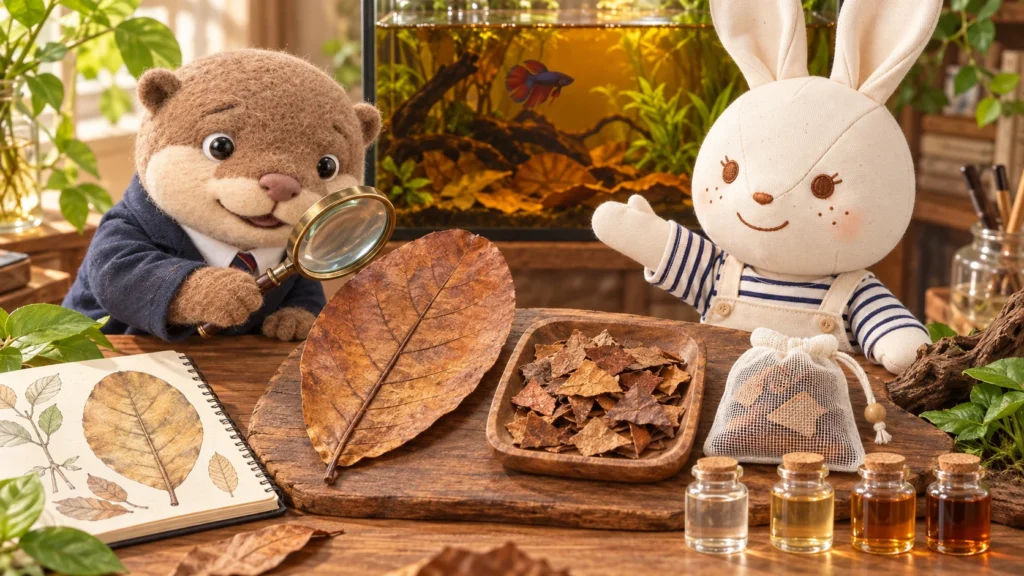 アイのアクアグッズ案内マジックリーフ物語|一枚の葉がアクアリウム用品になるまで道具の特徴や使い方、選ぶときのポイントをアイが紹介します。記事はコチラ →
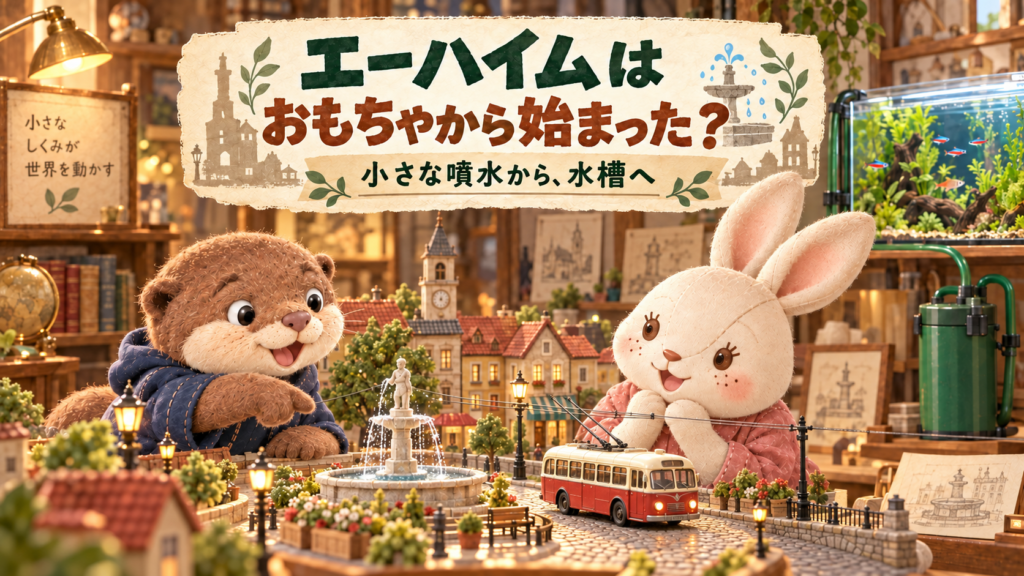 アイのアクアグッズ案内エーハイムはおもちゃから始まった? 小さな噴水から水槽へ、アイとコタロウの探訪道具の特徴や使い方、選ぶときのポイントをアイが紹介します。記事はコチラ →
 アイのアクアグッズ案内コケを食べるコイの仲間に合わせる飼育用品|フライングフォックス・アルジイーター・ガラ道具の特徴や使い方、選ぶときのポイントをアイが紹介します。記事はコチラ →
 アイのアクアグッズ案内水槽用浄水器の選び方|水換えを楽にするタイプとROの違い道具の特徴や使い方、選ぶときのポイントをアイが紹介します。記事はコチラ →



コメント