

 ポチップ
ポチップ
解説 / Description
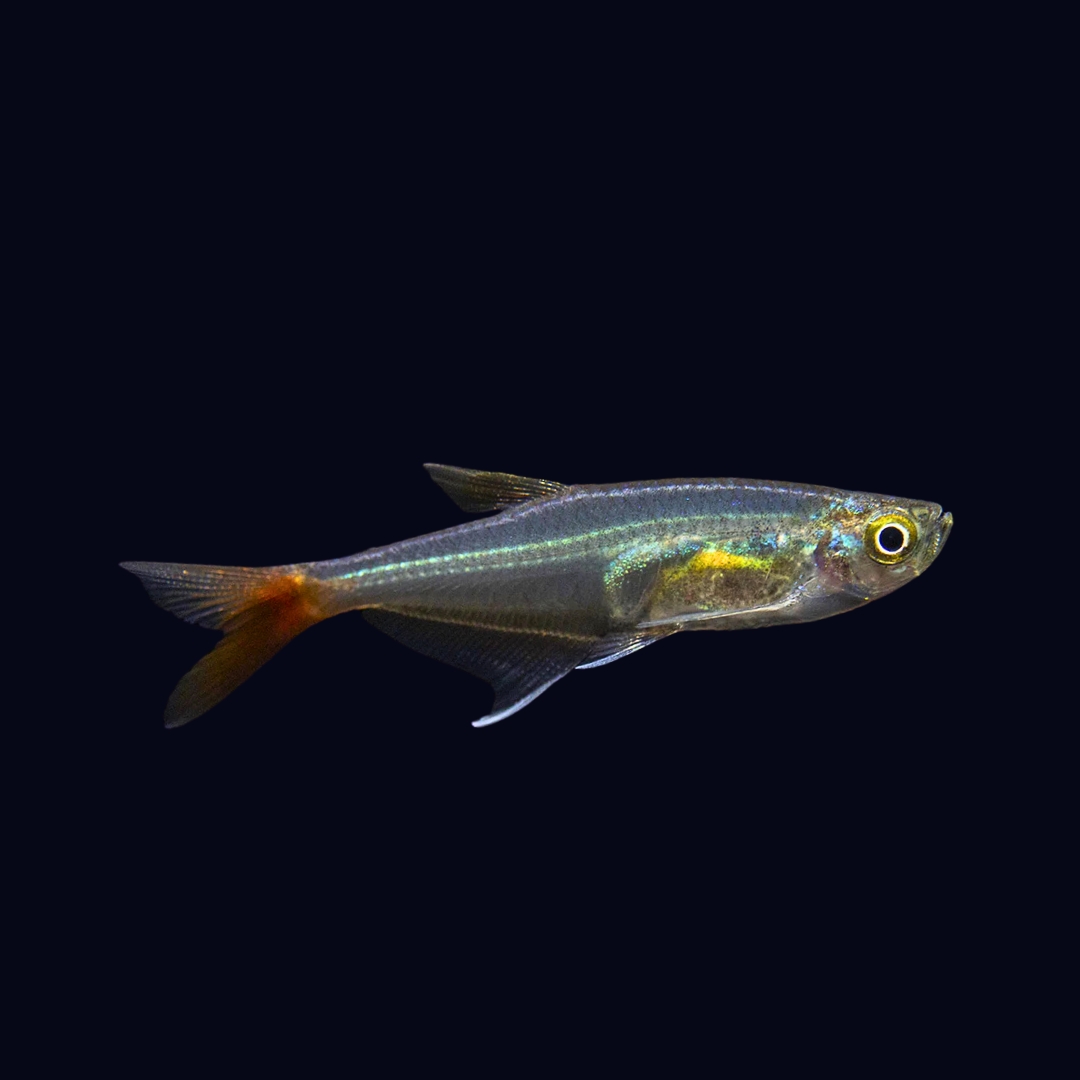
グラスブラッドフィンは、その名の通りガラスのように透き通った体と、血液のように鮮やかな赤色の尾びれを持つ、南米アマゾン川流域原産の小型カラシンです。1930年代から観賞魚として親しまれている歴史ある魚で、その繊細な見た目とは裏腹に非常に丈夫で飼育しやすく、日本の水道水環境にもよく適応します。群れで泳ぐ(群泳)習性が強く、水草水槽の中で一斉に泳ぎ回る姿は、清涼感と躍動感にあふれ、見る者を飽きさせません。「生きた骨格標本」とも呼ばれる独自の透明感は、アクアリウム初心者から熟練者まで幅広い層を魅了し続けています。 True to its name, the Glass Bloodfin possesses a body as transparent as glass, contrasted by a vivid blood-red tail fin. Originating from the Amazon River basin in South America, this small characin has been a beloved ornamental fish since the 1930s. Despite its delicate appearance, it is incredibly hardy and adaptable, making it suitable for various water conditions, including tap water in Japan. They are strong schooling fish, and seeing a group swim together in a planted aquarium provides a refreshing and dynamic spectacle. Their unique transparency, earning them the nickname “living skeleton specimens,” continues to fascinate aquarists ranging from beginners to experts.
基本情報 / Basic Information
| 学名 / Scientific Name | Prionobrama filigera |
|---|---|
| 通称 / Common Name | グラスブラッドフィンGlass Bloodfin |
| 分類 / Family | カラシン科(Characidae)Aphyocharacinae亜科Characidae (Subfamily: Aphyocharacinae) |
| 英名 / English Name | Glass Bloodfin, Red-tailed Glass Tetra |
| 分布 / Distribution | 南米アマゾン川流域(ブラジル、ペルー、コロンビア、エクアドルなど)Amazon River basin, South America (Brazil, Peru, Colombia, Ecuador, etc.) |
| 最大体長 / Max Size | 約6cmApprox. 6 cm (2.4 inches) |
| 寿命 / Lifespan | 4年~8年(最長12年の記録あり)4-8 years (Recorded up to 12 years) |
飼育環境 / Aquarium Environment
| 水槽サイズ / Tank Size | 60cm規格水槽(約60リットル)以上推奨 ※活発に泳ぎ回るため、遊泳スペースの確保が重要です。Recommended: 60cm standard tank (approx. 60L) or larger. *Ample swimming space is important as they are active swimmers. |
|---|---|
| 水温 / Temperature | 22℃ – 28℃ |
| 水質 / Water Quality | pH 6.0 – 7.5(弱酸性~中性)。軟水~中硬水。 ※日本の一般的な水道水(カルキ抜き後)で問題なく飼育可能です。pH 6.0 – 7.5 (Slightly acidic to neutral). Soft to medium hard water. *They adapt well to standard tap water conditions in Japan (after dechlorination). |
| レイアウト / Layout | 遊泳スペースを確保しつつ、後景に水草を植えたネイチャーアクアリウム形式が適しています。底床は暗色系(ソイルや大磯砂)を選ぶと、魚の透明感と赤色が引き立ちます。A Nature Aquarium style with swimming space in the foreground and plants in the background is suitable. Dark substrates accentuate their transparency and red coloration. |
| 注意点 / Precautions | 【飛び出し注意】 遊泳力と跳躍力が非常に高いため、驚いた拍子に水槽から飛び出す事故が多い魚種です。水槽の蓋は隙間なく設置し、隙間はウールマット等で塞いでください。[Jump Risk] They are powerful swimmers and jumpers. Ensure the tank is tightly covered to prevent jumping accidents, especially when they are startled. |
餌と給餌 / Feeding
| 餌の種類 / Diet | 人工飼料(フレーク、小粒顆粒)、冷凍アカムシ、冷凍ミジンコなど。 ※色揚げ成分(カロテノイド)を含む餌を与えると、尾びれの赤みが増します。Flakes, small granules, frozen bloodworms, daphnia, etc. *Feeds containing color-enhancing ingredients (carotenoids) help boost the red tail coloration. |
|---|---|
| 給餌のポイント / Feeding Tips | 口が上向きについており、水面~中層の餌を好みます。沈んだ餌には反応が薄いため、浮上性またはゆっくり沈む餌が適しています。1日1~2回、数分で食べきれる量を与えてください。With their superior mouths, they prefer feeding at the surface or mid-water. Floating or slow-sinking pellets are best. Feed 1-2 times a day, only what they can consume in a few minutes. |
性格と混泳 / Temperament and Tank Mates
| 性格 / Temperament | 非常に温和ですが、臆病な面もあります。強い社会性を持ち、群れ(スクール)を作ることで安心するため、最低でも6匹以上、できれば10匹以上の単位で飼育することをお勧めします。Very peaceful but can be timid. They are schooling fish and feel secure in groups, so keeping at least 6, preferably 10 or more, is highly recommended. |
|---|---|
| 混泳の相性 / Compatibility | ネオンテトラ等の小型カラシン、ラスボラ、コリドラス、オトシンクルスなどとの相性は抜群です。口が小さいため、ヤマトヌマエビ等の成体エビとの混泳も可能です。エンゼルフィッシュ等の大型魚や、ヒレを齧る魚との混泳は避けてください。Excellent with small characins (like Neon Tetras), Rasboras, Corydoras, and Otocinclus. Adult shrimps are generally safe. Avoid large fish like Angelfish or fin-nipping species. |
病気と対策 / Diseases and Prevention
| かかりやすい病気 / Common Diseases | 白点病、カラムナリス病(尾ぐされ病)、エロモナス感染症。Ich (White Spot Disease), Columnaris (Fin Rot), Aeromonas infections. |
|---|---|
| 対策と予防 / Prevention | 水温の急変や水質悪化が主な原因です。週1回程度の定期的な水換え(全水量の20-30%)が予防の基本です。治療薬(メチレンブルーやグリーンFゴールド等)を使用する際は、規定量の2/3程度から開始するなど、慎重に投与してください。Prevent by avoiding sudden temperature changes and maintaining water quality. Regular weekly water changes (20-30%) are key. When using medications, start with a lower dose (about 2/3) as characins can be sensitive. |
増やし方(繁殖) / Breeding
| 繁殖形態 / Reproduction | ばら撒き産卵型(散乱型)。成熟したペアが水草の茂みなどに粘着性の弱い卵を産み落とします。Egg-scattering. Mature pairs scatter weakly adhesive eggs among aquatic plants. |
|---|---|
| 繁殖のポイント / Breeding Tips | 成熟した雌(腹部がふっくらしている)と雄(スリムで色が鮮やか)を、ウィローモスを入れた専用水槽に移します。産卵後は親魚が卵を食べてしまうため、速やかに親魚を取り出します。稚魚は非常に小さいため、初期飼料としてインフゾリアやPSBを与えるのが育成成功の鍵です。Move a mature pair to a separate breeding tank with moss. Remove parents immediately after spawning to prevent egg-eating. Fry are tiny; feeding Infusoria or PSB as a starter food is crucial for survival. |
雑学と豆知識 / Trivia and Fun Facts
| 学名「Prionobrama filigera」の意味Meaning of the Scientific Name | 属名の Prionobrama はギリシャ語の「Prion(鋸)」と「Brama(ブリーム=淡水魚)」を組み合わせたもので、ノコギリのような歯やヒレの形状に由来します。種小名の filigera はラテン語で「糸(filum)を帯びる(gerere)」という意味で、成熟したオスの臀鰭(しりびれ)の一部が糸状に伸びる特徴を見事に表しています。The genus Prionobrama combines “Prion” (saw) and “Brama” (bream), referring to their serrated features. The species name filigera means “bearing thread” in Latin, perfectly describing the elongated filaments on the anal fin of mature males. |
|---|---|
| なぜ体が透明なのか?Why are they transparent? | この透明性は、捕食者から身を守るための高度な生存戦略です。水中の不均一な光の中で背景に溶け込み、シルエットを消すことで発見されにくくしています。一方で尾びれだけが赤いのは、仲間同士の目印(シグナル)となり、群れを維持するために役立っていると考えられています。「見つかりたくないが、仲間とははぐれたくない」という進化の妙が詰まっています。Transparency is an advanced survival strategy to camouflage against predators in the water. Conversely, the red tail acts as a signal for flock members to maintain the school. It’s a balance of evolution: “hiding from enemies while staying visible to friends.” |
| 生きた骨格標本Living Skeleton Specimen | その透明度の高さから、生きたまま脊椎骨の配列や浮袋の形状、食べた餌が消化管を通る様子までも観察することができます。生物学的な興味をそそるだけでなく、子供たちの教材としても非常に価値のある存在です。Their high transparency allows for the observation of internal anatomy like the spine, swim bladder, and digestion process in a living fish, making them scientifically fascinating and educational. |
まとめ / Conclusion
グラスブラッドフィンは、手頃な価格で入手でき、日本の一般的な飼育環境に馴染む丈夫さを持ちながら、その美しさと生態的な面白さは一級品です。透明な体はどんな水草レイアウトにも自然に溶け込み、赤い尾びれが良いアクセントとなります。 Glass Bloodfins are affordable, hardy enough for standard Japanese aquarium conditions, yet offer top-tier beauty and ecological interest. Their transparent bodies blend into any aquascape, with their red tails providing a perfect accent.
群れで泳がせることで彼らの真の魅力である「集団美」を楽しむことができます。飛び出し事故にだけは十分に注意して、ぜひこの「生きた宝石」たちとの生活を楽しんでください。 Keeping them in a school unlocks their true charm of collective beauty. Just be mindful of preventing jumping accidents, and enjoy life with these “living jewels.”

 ポチップ
ポチップ
 ポチップ
ポチップ
▶ 記事の生体をAMAZONで買う ▶ 記事の生体をYahooで買う
コメント