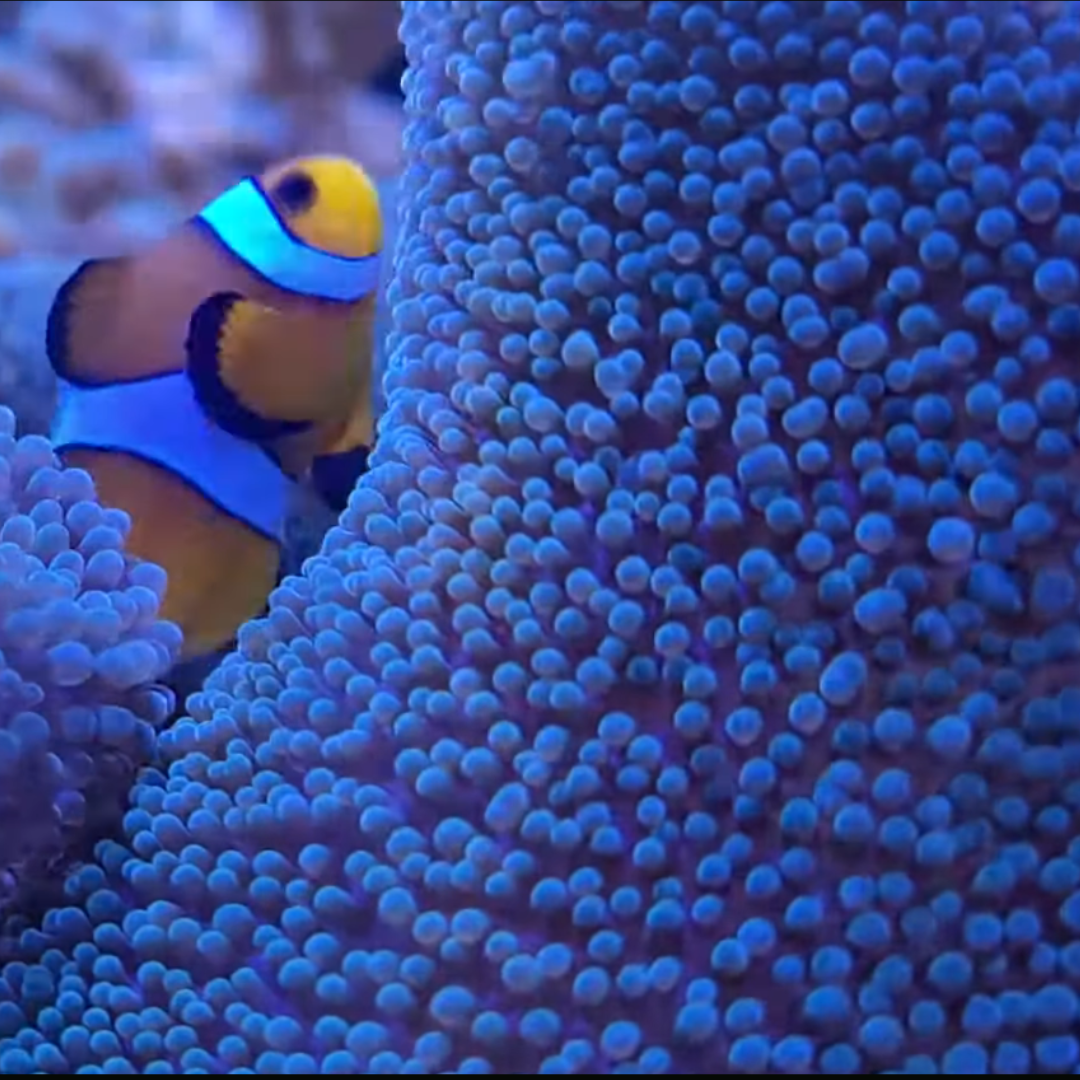
イボハタゴイソギンチャクは、まるで絨毯(じゅうたん)のように底砂の上に広がる姿が美しい、ハタゴイソギンチャク科の大型種です。短いビーズのような触手がびっしりと並び、そこにクマノミたちが体をうずめる様子は、まさにマリンアクアリウムの憧れの光景といえるでしょう。
本種最大の特徴は、岩場ではなく「砂地」を好むという点です。自然界ではサンゴ礁のラグーンなどの開けた砂地に生息し、危険を感じると砂の中へと瞬時に姿を消します。そのため、飼育下でも彼らが安心して根を張れるような、深く厚い砂のベッドを用意してあげることが成功の鍵となります。
日本国内では、特に沖縄産のハンドコート(手採集)個体が非常に状態良く流通しており、適切に管理された個体は強健です。色彩のバリエーションも豊富で、基本の褐色から、鮮やかなグリーン、ブルー、そして宝石のように希少なレッドやマルチカラーなど、コレクション性の高さも魅力の一つです。Stichodactyla haddoni, commonly known as Haddon’s Carpet Anemone, is a large species of the family Stichodactylidae that spreads out over the substrate like a beautiful carpet. Its surface is densely covered with short, bead-like tentacles, and seeing clownfish nestle into them is truly one of the most coveted sights in marine aquariums.
The most distinctive feature of this species is its preference for “sandy bottoms” rather than rocky areas. In nature, they inhabit open sandy areas in coral reef lagoons and will instantly retract into the sand when they sense danger. Therefore, providing a deep, thick sand bed where they can securely anchor themselves is key to successful captivity.
In Japan, hand-caught specimens from Okinawa are distributed in excellent condition and are quite hardy when managed properly. They come in a rich variety of colors, ranging from basic brown to vibrant greens, blues, and even gem-like rare reds or multi-colors, making them highly collectible.
西部太平洋〜インド洋(日本の南西諸島を含む)Indo-West Pacific (including the Nansei Islands of Japan)
最大体長 / Max Size
直径約60cm以上(飼育下では30〜50cm程度が一般的)Over 60cm in diameter (typically 30-50cm in captivity)
寿命 / Lifespan
数十年(長期飼育記録あり)Decades (Long-term captivity records exist)
飼育環境 / Aquarium Environment
水槽サイズ / Tank Size
60cm規格水槽(約60L)以上、推奨は90cm水槽(約150L)以上Minimum 60cm standard tank (approx. 60L), recommended 90cm tank (approx. 150L) or larger
水温 / Temperature
24℃〜26℃
水質 / Water Quality
清浄な海水(硝酸塩10ppm以下、比重1.024-1.026)Clean seawater (Nitrate <10ppm, Specific Gravity 1.024-1.026)
レイアウト / Layout
【重要】厚さ10cm〜15cm以上のパウダー〜小粒のサンゴ砂(ディープサンドベッド)[Important] Coral sand bed (Deep Sand Bed) with a thickness of 10cm to 15cm or more, using powder to small grain sizes.
注意点 / Precautions
足盤を砂の奥のガラス面等に固定する性質があるため、砂が浅いと徘徊し、水流ポンプに巻き込まれる事故が多発します。ポンプには必ずカバーを装着してください。Because they anchor their pedal disc to the glass beneath the sand, shallow sand causes them to wander, leading to frequent accidents where they get sucked into wave pumps. Always use pump covers.
餌と給餌 / Feeding
餌の種類 / Diet
光合成(褐虫藻)に加え、キビナゴ、甘エビ、アサリなどの動物性タンパク質Photosynthesis (Zooxanthellae) plus animal proteins such as silver-stripe round herring, shrimp, or clams.
給餌のポイント / Feeding Tips
1〜2週間に1回程度。口に押し込まず、触手に置くと自分で包み込んで食べます。与えすぎは消化不良の原因となるため注意が必要です。About once every 1-2 weeks. Do not push food into the mouth; place it on the tentacles and let them envelop it. Be careful not to overfeed as it causes indigestion.
性格と混泳 / Temperament and Tank Mates
性格 / Temperament
極めて強い刺胞毒と粘着力を持ち、捕食性が高い。移動することは少ないですが、触れた魚を食べてしまうことがあります。Possesses extremely strong stinging cells and stickiness, making it highly predatory. It rarely moves but may eat fish that touch it.
混泳の相性 / Compatibility
トウアカクマノミが最良のパートナーですが、カクレクマノミなども共生可能です。アカホシカニダマシも共生します。小型のハゼや泳ぎの苦手な魚は捕食されるリスクが高いです。Saddleback Clownfish are the best partners, but Ocellaris Clownfish can also host. Porcelain crabs are also compatible. Small gobies and slow swimmers are at high risk of being eaten.
病気と対策 / Diseases and Prevention
かかりやすい病気 / Common Diseases
輸送ストレスや水質悪化による細菌感染症(ビブリオ病など)。口が開きっぱなしになる、体が溶けるといった症状が出ます。Bacterial infections (e.g., Vibrio) due to transport stress or poor water quality. Symptoms include a gaping mouth and tissue disintegration.
対策と予防 / Prevention
輸入直後の感染症には、隔離水槽でのシプロフロキサシン(抗生物質)を用いた薬浴治療が劇的な効果を発揮します。購入時は口が堅く閉じている個体を選ぶことが最大の予防です。For post-import infections, antibiotic bath treatment with Ciprofloxacin in a quarantine tank is dramatically effective. Choosing a specimen with a tightly closed mouth is the best prevention.
増やし方(繁殖) / Breeding
繁殖形態 / Reproduction
有性生殖(放卵・放精)。水槽内での人為的な切断(フラグ)は細菌感染のリスクが高く、推奨されません。Sexual reproduction (spawning). Artificial fragmentation in aquariums carries a high risk of bacterial infection and is not recommended.
繁殖のポイント / Breeding Tips
水槽内で産卵が起きると水質が急変し、水槽崩壊の危機となるため、むしろ注意が必要です。増やすことよりも、一匹を長く飼い込むことを目指しましょう。Spawning in the tank can cause sudden water quality deterioration and risk a crash, so caution is required. Aim to keep one individual for a long time rather than propagating.
雑学と豆知識 / Trivia and Fun Facts
1. 名前の由来:「イボ」と「鞍(サドル)」 / 1. Name Origin: “Wart” vs “Saddle”
和名の「イボハタゴ」は、短く丸い触手が「イボ(疣)」に見えることに由来し、クマノミの「旅籠(宿)」となることから名付けられました。一方、英名の “Saddle Carpet” は、砂地で波打つ口盤の形が馬の「鞍(サドル)」に見えることに由来します。日本人は「機能」を、西洋人は「形状」を見て名付けた点が興味深いですね。The Japanese name comes from the tentacle’s resemblance to “warts” and its function as an “inn” for clownfish. The English name “Saddle Carpet” refers to its shape resembling a horse saddle when undulating on the sand. It’s interesting that Japan focused on function, while the West focused on shape.
2. 砂のベッドが命綱 / 2. Sand Bed is the Lifeline
本種を岩(ライブロック)の上に配置しようとしても、嫌がってすぐに移動してしまいます。彼らは自然界で、砂の中に隠れた岩盤に足を固定し、危険を感じると砂の中に縮んで隠れるという独自の生存戦略を持っています。水槽内でも10cm以上の深い砂(ディープサンドベッド)を用意することで、彼らは安心して定着し、長期飼育が可能になります。Attempts to place them on rocks usually fail as they move away. In nature, they anchor to rock beneath the sand and retract into the sand for safety. Providing a Deep Sand Bed (10cm+) allows them to settle securely, enabling long-term captivity.
3. 劇的な効果!抗菌薬治療 / 3. Dramatic Effect of Antibiotics
かつて「輸入直後の死亡率が高い」と恐れられた本種ですが、近年、ニューキノロン系抗生物質「シプロフロキサシン」を用いた薬浴プロトコルが確立されつつあり、生存率が飛躍的に向上しています。これは、輸送中にダメージを受けた個体がグラム陰性菌に感染するのを防ぐための処置ですが、実施には隔離水槽や適切な廃液処理の知識が必要です。Once feared for high post-import mortality, survival rates have soared with a protocol using the antibiotic Ciprofloxacin. This treats bacterial infections in stressed imports, though it requires a quarantine tank and proper waste disposal knowledge.
4. 綺麗な花には毒がある / 4. Beautiful but Dangerous
イボハタゴイソギンチャクの刺胞毒は強力で、人間にとっても有害です。皮膚の薄い部分(腕の内側など)に触れると、激しい痛みやミミズ腫れを引き起こします。作業時は長手袋をするか、不用意に触れないよう注意してください。もし刺された場合は、真水や酢ではなく、海水で優しく洗い流してから、お湯で温めると痛みが和らぐことがあります(重症時は皮膚科へ)。Their sting is potent and harmful to humans, causing severe pain and welts on sensitive skin. Wear gloves or avoid touching them. If stung, rinse gently with seawater (not fresh water or vinegar) and soak in warm water to relieve pain. Seek medical help if severe.
まとめ / Conclusion
イボハタゴイソギンチャクは、水槽の底一面に広がる圧倒的な存在感と、クマノミたちが気持ちよさそうにモフモフと戯れる姿を見せてくれる、まさにマリンアクアリウムの華です。しかし、その美しさを維持するためには、彼らが本来生息している「深い砂地」の環境を再現し、強力な光と適切な水流を提供することが不可欠です。Haddon’s Carpet Anemone is truly the flower of the marine aquarium, offering an overwhelming presence covering the tank bottom and the delightful sight of clownfish cuddling in its tentacles. However, maintaining its beauty requires reproducing its natural “deep sand” environment and providing strong lighting and appropriate water flow.
飼育難易度は決して低くありませんが、状態の良い沖縄産個体を選び、適切な環境を用意できれば、数十年単位で付き合える長寿なパートナーとなります。ぜひ、万全の準備を整えて、この「生きた絨毯」を自宅の水槽に迎え入れてみてください。While not easy to keep, if you choose a healthy specimen (preferably Okinawan) and provide the right environment, they can be long-lived partners for decades. Please prepare thoroughly and welcome this “living carpet” into your aquarium.

 ポチップ
ポチップ


コメント