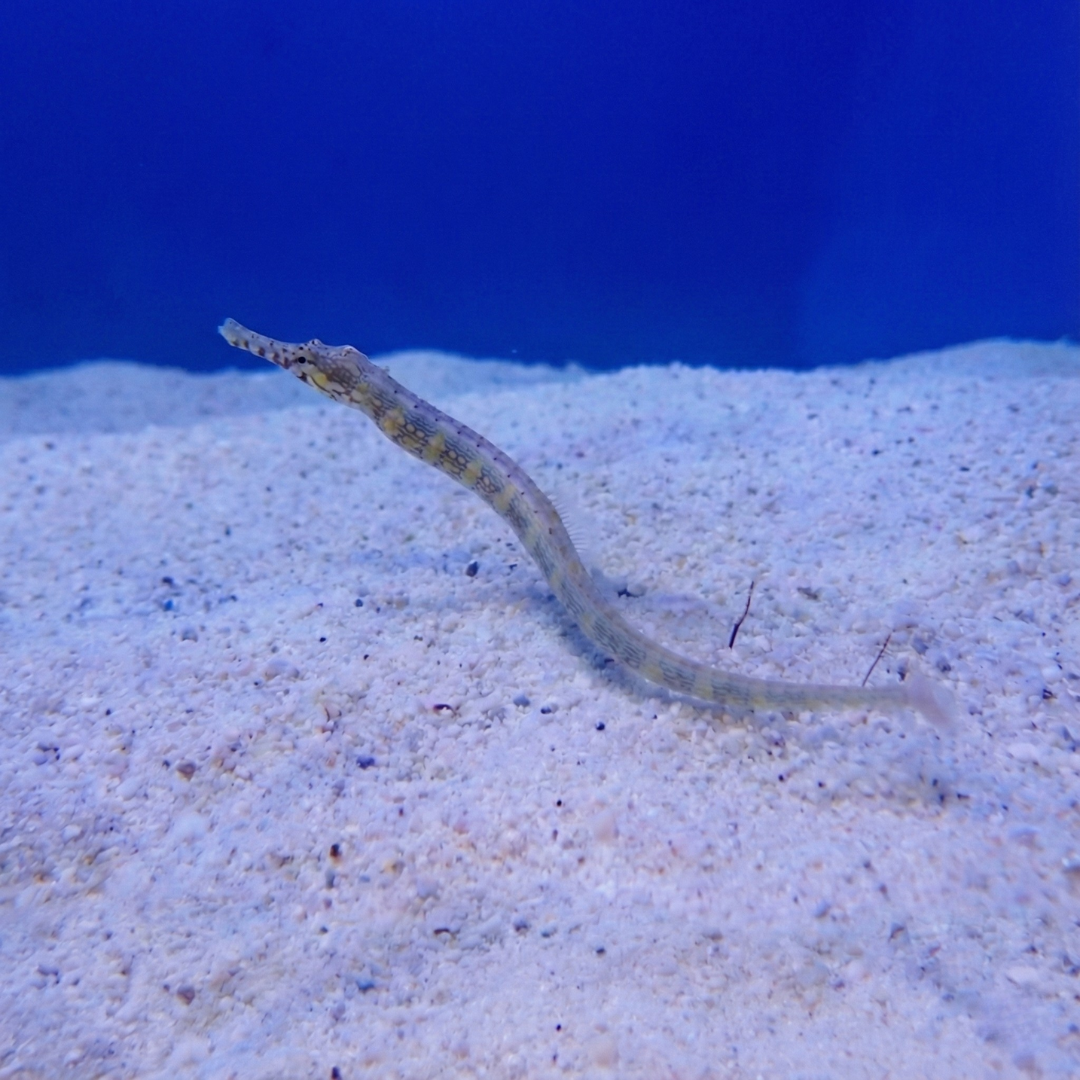
イシヨウジは、サンゴ礁の「ルブルゾーン(瓦礫帯)」と呼ばれる、死んだサンゴや岩が堆積した浅瀬に生息する独特なヨウジウオです。一般的な魚のように中層を泳ぐことは少なく、腹部を海底に密着させて「這う」ように移動することから、英名の一部では「Dragonface Pipefish(ドラゴンの顔をしたヨウジウオ)」とも呼ばれ親しまれています。一夫一婦制を厳格に守り、ペアで寄り添って生活する姿は非常に愛らしいものですが、微小な生き餌を必要とするため、飼育には少しコツが必要です。Corythoichthys haematopterus, commonly known as the Dragonface Pipefish or Messmate Pipefish, is a unique bottom-dwelling pipefish found in the rubble zones of coral reefs. Unlike most fish that swim in the water column, they move by crawling along the substrate with their bellies pressed against the bottom. They are known for their strict monogamous pairing and are often seen snuggled up together. While their behavior is charming, keeping them requires skill, especially in providing adequate micro-live food.
ベアタンク(底砂なし)は不可です。細かいサンゴ砂を敷き、ライブロックを複雑に組んで隠れ家と微生物の発生場所を作ってください。海藻(ウミブドウ等)を茂らせたリフジウムの連結を強く推奨します。Bare bottom tanks are not suitable. Use fine coral sand and live rock to create hiding spots and micro-fauna habitats. A connected refugium with macroalgae is highly recommended.
注意点 / Precautions
強い水流は苦手です。洗濯機のような水流は避け、ポンプの吸水口には必ずスポンジや細かいガードを装着して巻き込み事故を防いでください。Avoid strong currents. Ensure pump intakes are covered with sponges or fine guards to prevent accidents.
餌と給餌 / Feeding
餌の種類 / Diet
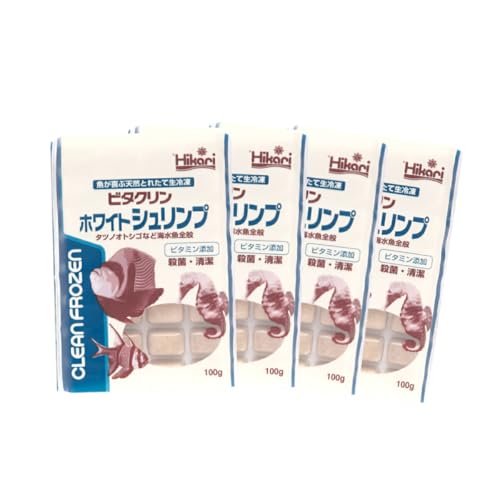
人工飼料はほとんど食べません。初期は生き餌(コペポーダ、ブラインシュリンプ)が必須です。慣れれば冷凍コペポーダや冷凍ホワイトシュリンプ(イサザアミ)を食べます。Rarely accepts artificial food. Live food (copepods, brine shrimp) is essential initially. Can be weaned onto frozen copepods or mysis shrimp.
給餌のポイント / Feeding Tips
胃が小さく食い溜めができないため、1日2〜3回の給餌が必要です。スポイトで目の前に落とすか、決まった場所に餌を置く「給餌ステーション」を作ると効果的です。Feed 2-3 times daily as they have small stomachs. Target feeding with a pipette or using a designated feeding station is effective.
性格と混泳 / Temperament and Tank Mates
性格 / Temperament
非常に温和で大人しい性格です。争いを好みません。Very peaceful and gentle. Does not like conflict.
混泳の相性 / Compatibility
タツノオトシゴや遊泳性の低い小型ハゼとの相性は抜群です。餌を競合するネズッポ類や、攻撃的なスズメダイ、ベラ類との混泳は避けてください。イソギンチャクも捕食される危険があるためNGです。Great with seahorses and small gobies. Avoid competitors like dragonets, aggressive damsels, or wrasses. Anemones pose a predation risk and should be avoided.
病気と対策 / Diseases and Prevention
かかりやすい病気 / Common Diseases
鱗がないため擦れ傷や細菌感染に弱いです。また低水温時には白点病にかかりやすくなります。Susceptible to abrasions and bacterial infections due to lack of scales. Prone to ich in low temperatures.
対策と予防 / Prevention
鋭利なレイアウト素材を避け、適切な水温を維持することが最良の予防です。痩せやすいため、毎日の観察で腹部の膨らみを確認してください。Avoid sharp decor and maintain proper temperature. Monitor their belly fullness daily as they are prone to emaciation.
増やし方(繁殖) / Breeding
繁殖形態 / Reproduction
タツノオトシゴと同様に、雄が腹部の育児嚢(いくじのう)で卵を保護し、孵化させます。早朝や夕方にペアが体を絡ませて上昇する求愛ダンスが見られます。Males carry eggs in a brood pouch, similar to seahorses. Courtship involves a rising dance where the pair intertwines.
繁殖のポイント / Breeding Tips
水槽内での産卵は比較的容易ですが、生まれた稚魚は浮遊生活を送る極小の「仔魚」であるため、育成は極めて困難です。育てるにはSS型ワムシなどの微小初期飼料が必要です。Spawning is common, but rearing larvae is extremely difficult as they are pelagic and require microscopic food like SS-rotifers.
雑学と豆知識 / Trivia and Fun Facts
1. 学名「cf.」に隠された謎 / 1. The Mystery of “cf.”
本種の学名に見られる「cf.」は、「参照せよ(confer)」を意味し、分類が完全に確定していないことを示しています。広範囲に分布するため、地域によって遺伝的に異なる「隠蔽種」が含まれている可能性が高いのです。特にオビイシヨウジ(C. intestinalis)とは非常に似ていますが、イシヨウジは腹部の黒色斑が前方で濃く、尾部後方には目立つ黒斑がない点で見分けられます。The “cf.” in their scientific name implies uncertainty in classification. It suggests the existence of cryptic species across their wide range. They closely resemble C. intestinalis but can be distinguished by the darker belly markings anteriorly and the lack of prominent black spots on the tail.
2. 光るボディの秘密 / 2. Biofluorescence Secrets
近年の研究で、イシヨウジは青色光や紫外線を浴びると、体表が緑や赤色に蛍光発光することが判明しました。これは派手なサンゴ礁の背景に溶け込むための高度なカモフラージュであると同時に、同種間でのコミュニケーションツールとして機能している可能性があります。Recent studies reveal that they biofluoresce green or red under blue/UV light. This serves as advanced camouflage against coral backgrounds and possibly as a communication tool between individuals.
3. 毎朝の「愛の挨拶」 / 3. Daily Love Greetings
イシヨウジのペアは、毎朝お互いに体を寄せ合ったり、平行に泳いだりする「挨拶」の儀式を行います。これは単なる愛情表現ではなく、雌の卵巣成熟と雄の育児嚢の状態を同期させるための重要な社会的行動と考えられています。ペアで購入すると長生きしやすいのは、この安心感によるものかもしれません。Pairs perform a “greeting” ritual every morning, swimming parallel or intertwining. This synchronizes reproductive cycles and strengthens their bond. Keeping them in pairs often leads to better longevity due to this social stability.
まとめ / Conclusion
イシヨウジは、その愛らしい動きと美しい幾何学模様で、自宅の水槽に「小さなサンゴ礁の営み」を再現してくれる素晴らしい魚です。飼育には微生物が湧くような熟成した環境が必要で、決して「簡単」な魚ではありませんが、その分、ペアでの絆やユニークな生態を観察できた時の喜びはひとしおです。With their charming movements and geometric patterns, Dragonface Pipefish bring the intricate life of a coral reef to your aquarium. They require a mature environment rich in micro-fauna and are not “easy” fish, but observing their pair bonding and unique behavior is deeply rewarding.
これから飼育に挑戦される方は、ぜひリフジウムの設置やコペポーダの準備を整え、彼らが安心して「這い回れる」環境を作ってあげてください。If you plan to keep them, we highly recommend setting up a refugium and ensuring a supply of copepods to create a safe environment where they can happily crawl around.

 ポチップ
ポチップ


コメント