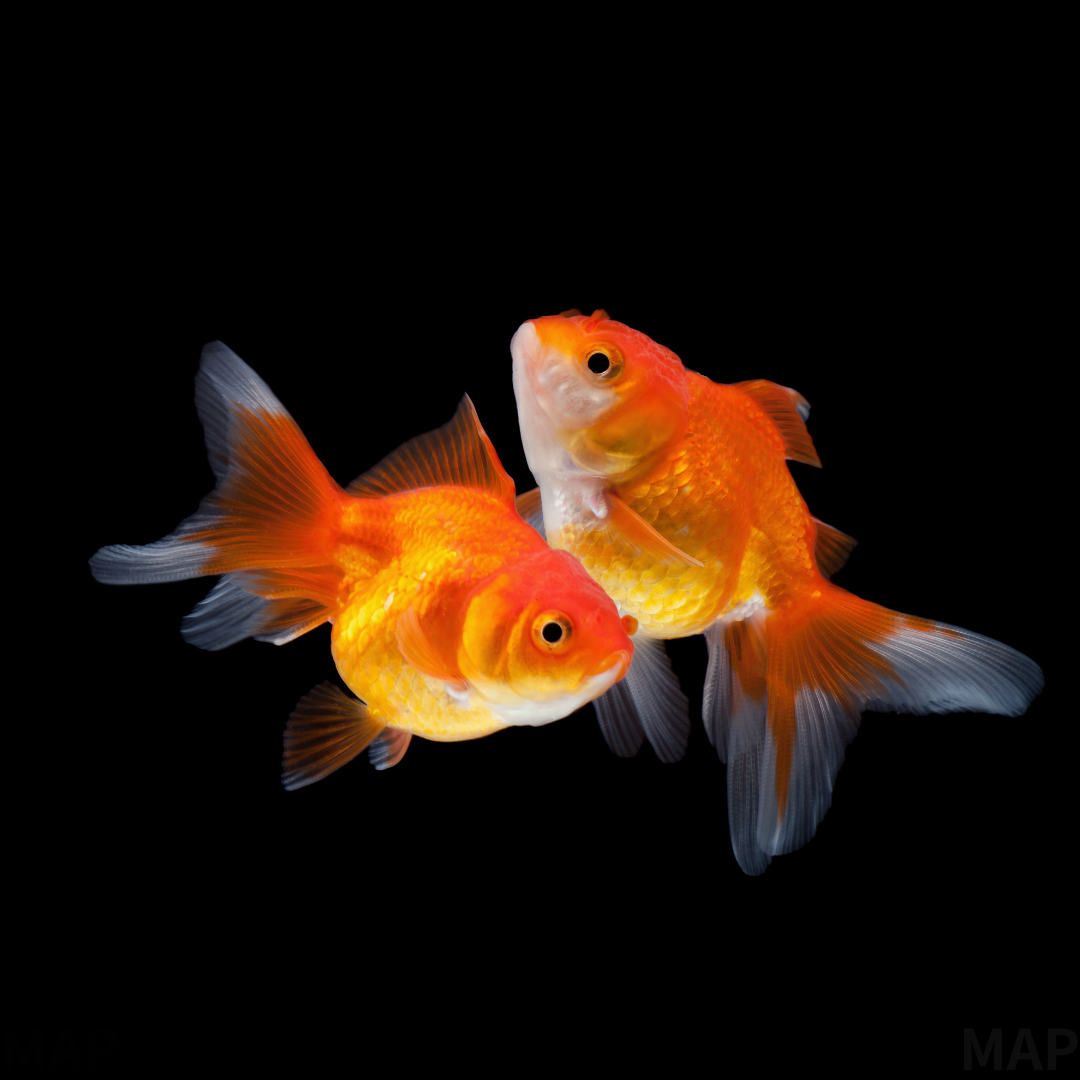
琉金(リュウキン)は、日本の金魚文化において最も古くから親しまれ、かつ芸術的な完成度を誇る品種の一つです。その最大の特徴は、極端に丸みを帯びた卵型の体躯と、高く盛り上がった逞しい背部、そして絹のように優雅に広がる長い尾鰭にあります。江戸時代に琉球を経由して伝来したことからその名が付き、以来、日本国内で独自の審美眼に基づいて磨き上げられてきました。静止時の堂々とした佇まいとしなやかな泳ぎのコントラストは、まさに生きた芸術品と呼ぶにふさわしい魅力を持っています。The Ryukin is one of the oldest and most artistically refined varieties in Japanese goldfish culture. Its most striking features include an extremely rounded, egg-shaped body, a powerfully high-arched back, and long, elegant fins that spread like silk. Named after the Ryukyu Islands through which it was introduced during the Edo period, it has since been meticulously refined in Japan. The contrast between its majestic stillness and its graceful movement makes it a true living work of art.
基本情報 / Basic Information
学名 / Scientific Name
Carassius auratus
通称 / Common Name
琉金(リュウキン)Ryukin Goldfish
分類 / Family
コイ科フナ属Cyprinidae, Carassius
英名 / English Name
Ryukin
分布 / Distribution
改良品種(原産は中国、日本で発展)Selective variety (Originally from China, developed in Japan)
最大体長 / Max Size
約20cm(環境によりそれ以上も)Approx. 20cm (Can be larger depending on environment)
寿命 / Lifespan
10年 〜 15年10 to 15 years
飼育環境 / Aquarium Environment
水槽サイズ / Tank Size
60cm規格水槽(約60L)以上。成魚の複数飼育には90cm規格水槽や120cmワイド水槽が推奨されます。60cm standard tank (approx. 60L) or larger. For multiple adults, 90cm or 120cm wide tanks are recommended.
水温 / Temperature
15度 〜 28度(最適は16度 〜 24度)15C to 28C (Optimal: 16C to 24C)
水質 / Water Quality
pH 6.5 〜 7.5(弱酸性から弱アルカリ性まで適応、急変は避ける)pH 6.5 to 7.5 (Adapts to a wide range, but avoid rapid changes)
レイアウト / Layout
尾鰭を傷つけない滑らかな砂利を使用。鋭利な岩や狭い隙間のある装飾品は避け、穏やかな水流を保つ。Use smooth gravel to avoid damaging the tail. Avoid sharp rocks or decorations with narrow gaps, and maintain a gentle water flow.
注意点 / Precautions
極端な水圧変化や、ヒレが引っかかるような鋭いレイアウトは厳禁。また、水質の悪化は尾腐れやエラ病の直結するため注意が必要。Strictly avoid rapid water pressure changes and sharp layout elements. Be cautious of water quality degradation as it leads to fin rot or gill disease.
餌と給餌 / Feeding
餌の種類 / Diet
人工飼料(沈下性が推奨)、冷凍アカムシ、ブラインシュリンプ、ミジンコ、茹でた野菜(ほうれん草など)。Commercial pellets (sinking type recommended), frozen bloodworms, brine shrimp, daphnia, and boiled vegetables (spinach, etc.).
給餌のポイント / Feeding Tips
少量を回数分けて与える。過食そのものよりも、残餌による水質悪化(アンモニアの蓄積)が健康を害するため、適切な濾過とセットで管理する。Feed small amounts multiple times a day. Rather than overeating itself, water quality degradation from uneaten food is the main risk, so manage with proper filtration.
性格と混泳 / Temperament and Tank Mates
性格 / Temperament
基本的には穏やかだが、餌の争奪時には活発に動く。個体により性格の差がある。Generally peaceful, but can be active during feeding. Personality varies among individuals.
混泳の相性 / Compatibility
オランダ獅子頭などの丸手品種とは良好。和金やコメットなど泳ぎの速い「長手」品種や、粘膜を舐めるプレコ類との混泳は避けるべき。Good compatibility with other round-bodied varieties like Oranda. Avoid fast-swimming “long-bodied” types like Wakin or Comets, and Plecos that may suck on their mucus coat.
病気と対策 / Diseases and Prevention
かかりやすい病気 / Common Diseases
転覆病、白点病、尾腐れ病、エラ病。特に丸い体型ゆえに平衡感覚を失う転覆病には注意。Swim Bladder Disorder, Ich, Fin Rot, and Gill Disease. Pay special attention to Swim Bladder Disorder due to its rounded body.
対策と予防 / Prevention
定期的な換水、水温の安定、導入時の薬浴。転覆病の初期には水温上昇と0.2から0.3パーセントの塩水浴が有効な場合がある。Regular water changes, temperature stability, and preventative baths during introduction. Early-stage Swim Bladder Disorder may respond to increased temperature and 0.2-0.3% salt baths.
増やし方(繁殖) / Breeding
雌雄の判別 / Sexing
繁殖期(春)にオスの胸鰭や鰓蓋に「追星(おいぼし)」と呼ばれる白い突起が現れる。メスは腹部がふっくらとする。During the breeding season (spring), males develop white bumps called nuptial tubercles on their pectoral fins and gill covers. Females become plumper in the abdomen.
繁殖形態 / Reproduction
卵生。水草や産卵床に粘着性の卵を産み付ける。Oviparous. They lay adhesive eggs on aquatic plants or spawning mops.
繁殖のポイント / Breeding Tips
メス1匹に対してオス2匹の割合でペアリング。産卵後は親魚が卵を食べるため、速やかに隔離する。稚魚には初期飼料としてインフゾリアやブラインシュリンプを与える。Pair one female with two males. Separate parents immediately after spawning as they may eat the eggs. Feed fry infusoria or brine shrimp as their first food.
雑学と豆知識 / Trivia and Fun Facts
1. 名前の由来と伝来の歴史 / 1. Origin of the Name and History
琉金という名は、江戸時代の1770年代に中国から「琉球(現在の沖縄県)」を経由して薩摩や長崎へ伝来したことに由来します。当時の人々にとって、この特異な姿の金魚は非常にエキゾチックで、南の島から来た神秘的な魚として「琉球金魚」と呼ばれ、後に略して琉金となりました。The name Ryukin comes from its introduction to Japan in the 1770s via the Ryukyu Islands (modern-day Okinawa). To people of the Edo period, this uniquely shaped goldfish was exotic and mysterious, earning it the name “Ryukyu Kingyo,” which was later shortened to Ryukin.
2. 背中の盛り上がり(キャメルバック)の正体 / 2. The Truth Behind the Hump (Camel Back)
琉金の高く盛り上がった背中は、しばしば背骨の変形と思われがちですが、実は「筋肉の隆起」です。解剖学的な調査により、脊椎そのものは基本的に真っ直ぐであり、肩から背中にかけて蓄積された筋肉の発達によってあの特徴的なアーチが形成されていることが判明しています。The Ryukin’s high hump is often mistaken for a spinal deformity, but it is actually a “muscular protrusion.” Anatomical studies show that the spine itself is basically straight, and the characteristic arch is formed by the development of muscles accumulated from the shoulders to the back.
3. ゲノム重複が生んだ驚異の多様性 / 3. Diversity Born from Genome Duplication
金魚は約1000万年前に全ゲノムが重複するという大規模な遺伝的イベントを経験しています。この「遺伝子の余裕」があったからこそ、本来なら致死的になり得る極端な形態変化も品種として固定することが可能となりました。琉金の姿は、悠久の時と人類の選択が交差して生まれた進化の結晶なのです。Goldfish underwent a major genetic event around 10 million years ago where their entire genome duplicated. This “genetic redundancy” allowed extreme morphological changes, which would normally be lethal, to be stabilized as specific breeds. The Ryukin is a product of evolution shaped by both time and human selection.
4. 伝説の長寿金魚「ティッシュ」 / 4. Tish, the Legendary Long-Lived Goldfish
金魚の最長寿記録としては、イギリスで飼育されていた「ティッシュ」という名の個体が43歳まで生きたというギネス記録があります。ティッシュ自体は一本尾の和金型でしたが、琉金のような丸手品種も、適切な環境(十分な水量と安定した水質)を維持すれば、10年から15年以上という長い年月を共に過ごすことができます。The Guinness World Record for the oldest goldfish is held by a fish named “Tish” from the UK, who lived to be 43. While Tish was a single-tailed variety, round-bodied types like Ryukin can also live for 10 to 15 years or more if provided with an ideal environment including ample water volume and stable quality.
5. ブランド琉金「飯田産」の色彩美 / 5. The Vibrant Beauty of “Iida-bred” Ryukin
日本国内の流通において、長野県飯田地方で生産される琉金は特別な地位を占めています。飯田産の琉金は、他の産地を圧倒するほどの「赤色の濃さ」で知られており、その鮮烈な更紗模様は上級愛好家の間でも最高級ブランドとして高く評価されています。In Japanese domestic distribution, Ryukin produced in the Iida region of Nagano Prefecture hold a special status. They are famous for an intensity of red that surpasses other regions, and their vivid patterns are highly valued as a top-tier brand among advanced hobbyists.
まとめ / Conclusion
琉金は、数百年にわたる日本の美意識と、人為的選択がもたらした生物学的な驚異が融合した、まさに「生きた芸術」です。その優雅な尾鰭を美しく保ち、健やかに育てるためには、水質管理や水流への配慮、そして何よりもその特異な体型を理解した細やかな観察が欠かせません。The Ryukin is a “living art” that fuses centuries of Japanese aesthetics with biological wonders brought about by selective breeding. To keep its elegant fins beautiful and ensure healthy growth, water quality management, consideration for water flow, and, above all, careful observation based on an understanding of its unique body shape are essential.
初心者から上級者まで、飼育者の情熱に応えてくれる深い魅力を持つこの魚は、これからも多くのアクアリストの目を楽しませ、心の安らぎを与えてくれることでしょう。歴史と科学が紡ぎ出したこの優美な金魚との生活を、ぜひ大切に育んでください。From beginners to advanced keepers, this fish offers a profound charm that rewards the passion of its owner. It will surely continue to delight the eyes and bring peace to the hearts of many aquarists. Please cherish your life with this graceful goldfish, woven from history and science.
Chen, Z. et al. (2019) “The genome of goldfish Carassius auratus provides insights into genes and transposable elements contributing to its evolution and phenotypic diversity.” Science China Life Sciences. (全ゲノム重複に関する研究)
Omori, Y. et al. (2017) “Genetic basis for twin-tail morphology in goldfish.” (chdA遺伝子の変異と尾鰭の分岐に関する発生学的エビデンス)
Kon, T. et al. (2020) “Whole-genome duplication and the evolution of goldfish varieties.” (PacBioシーケンシングを用いた遺伝子解析資料)
3. 解剖学的・生理学的調査
金魚の体型形成メカニズムに関する組織学的分析 (筋肉隆起と脊椎構造の相関データ)
日本動物薬品株式会社 (JPD) 研究資料「転覆病の病態生理と平衡感覚障害に関する一考察」
4. その他公式記録
Guinness World Records: “Oldest goldfish” – Case study of Tish (1956-1999)


 ポチップ
ポチップ



コメント