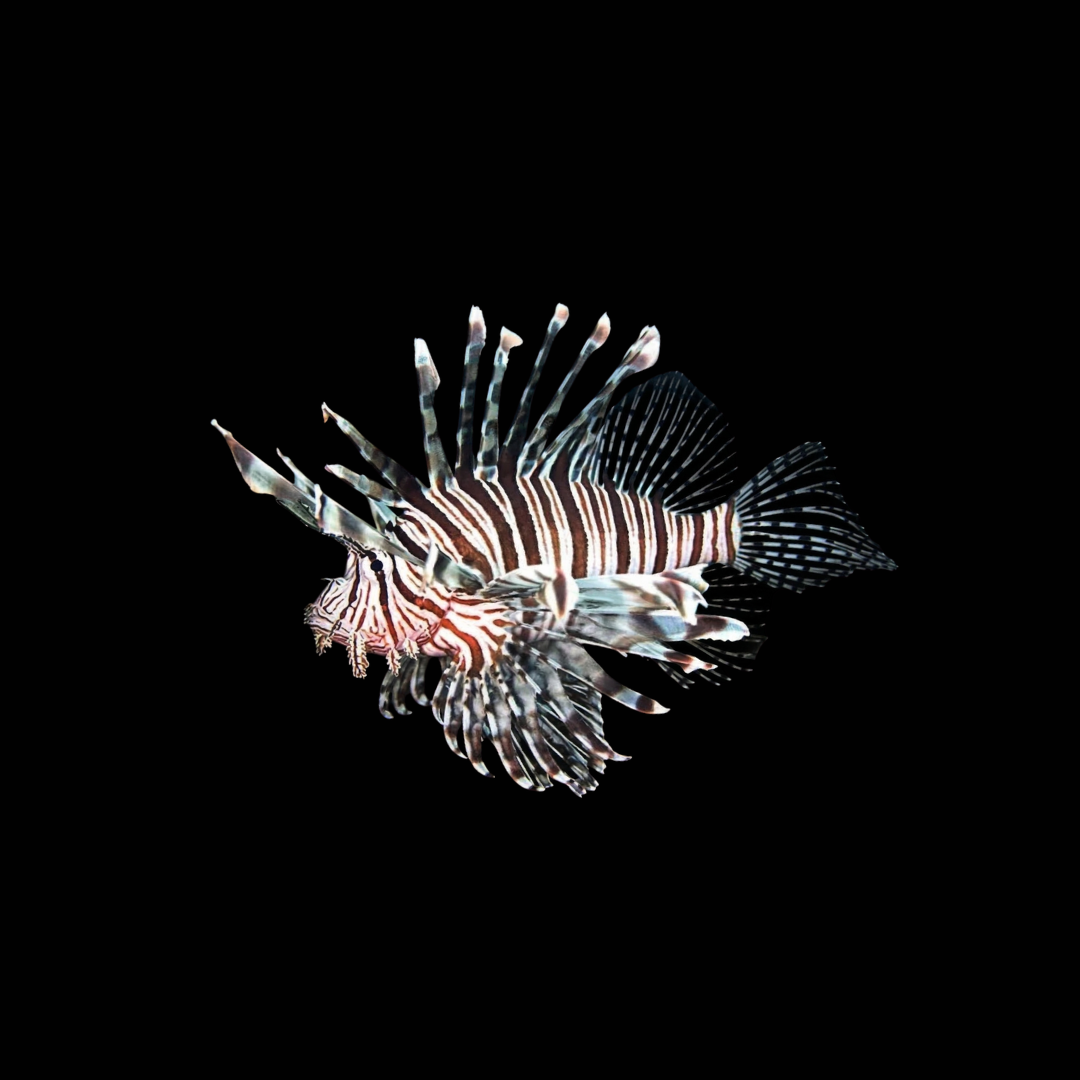
ハナミノカサゴは、熱帯・亜熱帯の海域に生息し、その過剰なまでに装飾的な姿で海洋生態系の中でも異彩を放つフサカサゴ科の魚類です。扇状に広がる大きな胸鰭と、背部から放射状に伸びる長い背鰭の棘条が、まるで日本の伝統的な雨具である蓑(みの)や笠(かさ)を身にまとっているように見えることから、その名が付けられました。その美しさからアクアリウムでも非常に人気がありますが、鰭には強力な毒棘を備えており、獲物に対してはウォータージェットを駆使して狡猾に狩りを行う、極めて洗練された捕食者でもあります。The Red Lionfish (Pterois volitans) is a marine teleost fish from the family Scorpaenidae, known for its extraordinary ornamental appearance in tropical and subtropical waters. Its name in Japanese refers to the long, fan-like fins that resemble traditional rain gear. While popular in aquariums for its majestic beauty, it is a highly sophisticated predator equipped with potent venomous spines and a unique hunting technique involving directed water jets.
基本情報 / Basic Information
学名 / Scientific Name
Pterois volitans
通称 / Common Name
ハナミノカサゴRed Lionfish
分類 / Family
スズキ目フサカサゴ科ミノカサゴ亜科Scorpaenidae, Pteroinae
英名 / English Name
Red Lionfish, Butterfly-cod
分布 / Distribution
インド太平洋全域(南日本からオーストラリア、南太平洋諸島)Throughout the Indo-Pacific, from southern Japan to Australia and South Pacific islands.
最大体長 / Max Size
約35cmApprox. 35 cm
寿命 / Lifespan
10年〜15年程度Approximately 10 to 15 years.
飼育環境 / Aquarium Environment
水槽サイズ / Tank Size
90cm規格水槽(約160L)以上、最終的には120cmワイド水槽(約450L)が望ましい90cm standard tank (approx. 160L) or larger; 120cm wide tank (approx. 450L) is ideal for adults.
水温 / Temperature
24℃〜26℃(安定した水温維持が重要)24°C to 26°C (maintaining a stable temperature is crucial).
水質 / Water Quality
海水(pH 8.1〜8.4)。排泄量が多いため、大型スキマーを備えたオーバーフロー式等の強力な濾過システムが必須Marine (pH 8.1-8.4). Requires powerful filtration like an overflow system with a large protein skimmer due to high waste production.
レイアウト / Layout
ライブロックや擬岩を用い、落ち着ける隠れ家(リフュージ)を配置。泳ぐスペースも確保するProvide caves and crevices using live rock or artificial decor for refuge, while ensuring ample swimming space.
注意点 / Precautions
鰭に強力な神経毒を持つため、メンテナンス時の刺傷事故に最大限の注意を払う。絶対に素手で触れないPay extreme caution to avoid stings during maintenance due to potent neurotoxins in the spines. Never touch with bare hands.
餌と給餌 / Feeding
餌の種類 / Diet
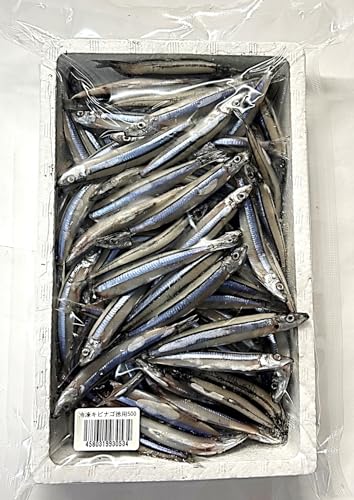
魚食性。導入初期はメダカやエビ等の生餌。慣れればクリルや人工飼料(乙姫等)Piscivorous. Live feeder fish or shrimp initially. Can be transitioned to krill or sinking pellets.
給餌のポイント / Feeding Tips
餌付けは長いピンセットを用い、水流に合わせて動かし狩猟本能を刺激する。週3〜4回の頻度が適量Use long tweezers to mimic prey movement and stimulate hunting instincts. Feeding 3-4 times a week is optimal.
性格と混泳 / Temperament and Tank Mates
性格 / Temperament
ゆったりと泳ぐが、口に入るサイズの生物はすべて貪欲に捕食するジェネラリストな捕食者Calm swimmer, but a voracious generalist predator that considers anything small enough to fit in its mouth as food.
混泳の相性 / Compatibility
小型魚やエビとの混泳は不可。口に入らないサイズの大型ヤッコやハギ類とは混泳可能Incompatible with small fish or shrimp. Compatible with larger angelfish or tangs that cannot be swallowed.
病気と対策 / Diseases and Prevention
かかりやすい病気 / Common Diseases
白点病(クリプトカリオン・イリタンス)、皮膚の細菌感染症Cryptocaryon irritans (Marine White Spot) and bacterial skin infections.
対策と予防 / Prevention
急激な水温変化を避け、殺菌灯の設置や定期的な換水で清潔な水質を維持するAvoid sudden temperature changes; use UV sterilizers and perform regular water changes to maintain water quality.
増やし方(繁殖) / Breeding
繁殖形態 / Reproduction
分離浮遊卵。一度に多数の卵を含む卵塊を放出し、海流に乗せて広範囲へ分散させるPelagic spawners. They release egg masses containing numerous eggs that disperse via ocean currents.
繁殖のポイント / Breeding Tips
家庭用水槽での繁殖例は少ないが、1メスあたり年間200万個以上の卵を産む驚異的な繁殖力を持つRare in home aquariums, but they possess extraordinary fecundity, producing over 2 million eggs per female annually.
雑学と豆知識 / Trivia and Fun Facts
1. 分類学の父リンネから始まる歴史 / 1. A History Starting with Linnaeus
ハナミノカサゴの学術的な歴史は古く、1758年に近代分類学の父カール・フォン・リンネによって記載されました。当初はトゲウオ属として分類されるなど迷走もありましたが、1856年に現在のミノカサゴ属(Pterois)のタイプ種として確定。その過剰な装飾は古くから博物学者たちを魅了し続けてきました。The scientific history of the Red Lionfish dates back to 1758, when it was described by Carl Linnaeus. After various reclassifications, it was established as the type species of the genus Pterois in 1856, having long fascinated naturalists with its excessive ornamentation.
2. 驚異の狩猟戦術「ウォータージェット」 / 2. The Remarkable Water-Jet Hunting Strategy
ただ岩陰で待ち伏せするだけではありません。ハナミノカサゴは口から獲物へ向けて「ウォータージェット(水流)」を噴射し、獲物の感覚を麻痺させる高度な戦術を使います。この水流により獲物の側線感覚を混乱させ、さらに魚の本能である「水流に向かって振り向く習性」を利用して、確実に頭から丸呑みにするのです。They don’t just ambush; they use a directed “water jet” to stun prey. This jet overloads the prey’s lateral line senses and forces them to turn towards the predator’s mouth due to rheotaxis, ensuring a successful head-first capture.
3. 史上最悪の外来種問題と「雑種強勢」 / 3. Invasive Species Crisis and Heterosis
大西洋で爆発的に増殖している個体群の研究により、彼らがインド洋系統と太平洋系統の「交雑種(ハイブリッド)」である可能性が浮上しました。異なる系統が混ざることで生じる「雑種強勢(ヘテローシス)」が、未知の環境への圧倒的な適応力と、在来種を駆逐するほどの強靭な生命力を生み出したと考えられています。Research on Atlantic populations suggests they are hybrids between Indian and Pacific lineages. This “heterosis” (hybrid vigor) is thought to provide them with the extraordinary adaptability and resilience needed to dominate new environments and devastate native ecosystems.
4. 刺された時の応急処置は「お湯」? / 4. First Aid for Stings: Hot Water?
ハナミノカサゴの毒はタンパク質性であるため、熱に弱いという特性があります。万が一刺された場合は、火傷をしない程度(43〜45℃)のお湯に30分以上浸すことで、毒素が変性し痛みが緩和されます。しかし、これはあくまで応急処置。アナフィラキシーのリスクもあるため、速やかに医師の診察を受けることが不可欠です。Lionfish venom is protein-based and heat-labile. Immersing the affected area in hot water (43–45°C) for over 30 minutes can denature the toxin and alleviate pain. However, this is only first aid; immediate medical attention is necessary due to the risk of anaphylaxis.
まとめ / Conclusion
ハナミノカサゴは、その卓越した造形美と、ウォータージェットに代表される驚異的な捕食能力を併せ持つ、海洋進化の結晶とも言える存在です。しかし、その強靭すぎる生命力は、人間の不注意な放流によって、大西洋の生態系を脅かす史上最悪の外来種問題を引き起こすという側面も持っています。The Red Lionfish is a masterpiece of marine evolution, combining stunning aesthetics with incredible predatory skills like the water jet. However, its overwhelming resilience has also led to one of the worst invasive species crises in history, triggered by irresponsible human releases into the Atlantic.
アクアリウムで本種を迎えることは、その美しさを愛でるだけでなく、大型肉食魚を飼いきる責任と、環境への配慮を学ぶことでもあります。適切なハズバンドリーを維持し、この誇り高きハンターとの共生を安全に楽しみましょう。Keeping this species in an aquarium is not just about admiring its beauty, but also about assuming the responsibility of caring for a large predator and respecting the environment. By maintaining proper husbandry, we can safely enjoy the presence of this proud hunter.
Linnaeus, C. (1758). Systema Naturae per regna tria naturae, secundum classes, ordines, genera, species, cum characteribus, differentiis, synonymis, locis. Editio decima, reformata. Holmiae.
Freshwater, D. W., et al. (2009). DNA sequencing confirms the identity of invasive lionfish (Pterois volitans) in the western North Atlantic and Caribbean. Marine Biology, 156(6), 1151-1156.
Albins, M. A., & Hixon, M. A. (2008). Invasive Indo-Pacific lionfish Pterois volitans reduce recruitment of Atlantic coral-reef fishes. Marine Ecology Progress Series, 367, 233-238.
Akins, J. L., et al. (2012). Directed water jets by lionfish (Pterois volitans) to facilitate capture of naive prey. Marine Ecology Progress Series, 458, 1-5.
Schultz, E. T. (1986). Pteroinae (Pisces: Scorpaenidae) from the Western Pacific Ocean and Indian Ocean. Japanese Journal of Ichthyology, 33(3), 215-247.
National Oceanic and Atmospheric Administration (NOAA). Lionfish Biology and Ecology Report.



 ポチップ
ポチップ

コメント