-2.png)

 ポチップ
ポチップ
関連記事
解説 / Description
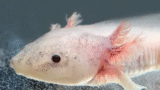
ウーパールーパー(正式和名:メキシコサンショウウオ)は、その愛らしい姿で日本でも広く知られる両生類です。「ネオテニー(幼形成熟)」という特性を持ち、エラのある幼生の姿のまま性的に成熟します。「リューシスティック」は、その中でも最もポピピュラーな品種(モルフ)で、色素細胞の移動不全によって生じる、黒目が特徴の白い体色を持ちます。飼育下では世界中で愛されていますが、野生では深刻な絶滅の危機に瀕しています。飼育には、日本とは異なる原産地の水質(アルカリ性・硬水)と水温(20°C以下)を再現するという、専門的な知識と管理が不可欠です。 The Axolotl (Scientific Name: Ambystoma mexicanum) is an amphibian widely known in Japan for its adorable appearance. It exhibits “neoteny,” meaning it reaches sexual maturity while retaining its larval form with gills. “Leucistic” is the most popular morph, characterized by a white body and black eyes, caused by a failure of pigment cells to migrate properly. While beloved in captivity worldwide, it is critically endangered in the wild. Successful keeping requires specialized knowledge and management to replicate its native habitat’s water conditions (alkaline, hard water) and temperature (below 20°C), which differ significantly from Japan’s.
基本情報 / Basic Information
| 学名 / Scientific Name | Ambystoma mexicanum |
|---|---|
| 通称 / Common Name | ウーパールーパー、メキシコサンショウウオ、アホロートルAxolotl, Mexican Walking Fish |
| 分類 / Family | 両生綱・有尾目・トラフサンショウウオ科Amphibia, Urodela, Ambystomatidae |
| 英名 / English Name | Axolotl, Mexican salamander |
| 分布 / Distribution | メキシコ(ソチミルコ湖とその周辺の運河系に限定)Mexico (Restricted to Lake Xochimilco and surrounding canal systems) |
| 最大体長 / Max Size | 約25cm~30cmApprox. 25cm – 30cm |
| 寿命 / Lifespan | 約10年~15年Approx. 10 – 15 years |
飼育環境 / Aquarium Environment
| 水槽サイズ / Tank Size | 単独飼育で45cm~60cm規格水槽(約35L~57L)以上。十分な水量を確保し、水質の安定を図ることが重要です。A standard 45cm to 60cm tank (approx. 35L – 57L) or larger for a single individual. Securing sufficient water volume is important for water quality stability. |
|---|---|
| 水温 / Temperature | 20°C以下が理想。23°C~24°Cが限界で、25°C以上は生命に関わります。日本の夏は水槽用クーラー(チラー)が必須です。 |
| 水質 / Water Quality | 弱アルカリ性(pH 7.5~8.5)・硬水。日本の中性・軟水は不向きで、pHが低下しやすいため、ろ材や底床にサンゴ砂を使用したり、人工海水の素を少量添加したりして水質を調整する必要があります。Slightly alkaline (pH 7.5-8.5) and hard water. Japan’s neutral, soft water is unsuitable and prone to pH drops. Water quality must be adjusted using coral sand in the filter or substrate, or by adding small amounts of marine salt mix. |
| レイアウト / Layout | 誤飲による腸閉塞を防ぐため、ベアタンク(何も敷かない)が最も安全で推奨されます。砂利を使用する場合は、口に入らない非常に大きな石か、逆に排出されやすい極めて細かい砂(パウダーサンド)のどちらかにします。A bare-bottom tank is safest and recommended to prevent intestinal blockages from ingestion. If using substrate, choose either very large stones that cannot be swallowed or extremely fine sand (powder sand) that can be easily passed. |
| 注意点 / Precautions | 高水温と水質の悪化(特にpHの低下)に極めて弱いです。また、水槽からの飛び出し事故を防ぐため、必ずフタをしてください。Extremely sensitive to high temperatures and poor water quality (especially pH drops). Always use a lid to prevent them from jumping out of the tank. |
餌と給餌 / Feeding
| 餌の種類 / Diet | 肉食性。沈下性の人工飼料(ペレット)が主食になります。冷凍アカムシやイトミミズもおやつとして喜んで食べます。Carnivorous. Sinking pellets should be the staple diet. They also enjoy frozen bloodworms and tubifex worms as treats. |
|---|---|
| 給餌のポイント / Feeding Tips | 幼体(10cm未満)は毎日、成体(10cm以上)は2~3日に1回程度。人工飼料は水を吸うと膨張するため、与えすぎに注意します。食べ残しは水を汚すため、速やかに取り除いてください。Feed juveniles (under 10cm) daily; adults (over 10cm) every 2-3 days. Be careful not to overfeed, as pellets expand in water. Remove any uneaten food immediately as it will pollute the water. |
性格と混泳 / Temperament and Tank Mates
| 性格 / Temperament | 基本的におとなしいですが、動くものに噛みつく習性があります。視力はあまり良くなく、嗅覚で餌を探します。Generally peaceful, but they have a habit of biting at moving objects. Their eyesight is poor; they find food by smell. |
|---|---|
| 混泳の相性 / Compatibility | 単独飼育が原則です。複数飼育では、手足やエラをかじり合い、再生が追いつかなくなることがあります。他の魚やエビは、ウーパールーパーに食べられるか、逆にウーパールーパーが傷つけられるため混泳はできません。Keeping them solitary is the rule. When housed together, they may bite each other’s limbs and gills, leading to injury. Tank mates like fish or shrimp are not possible, as they will either be eaten by the Axolotl or harm it. |
病気と対策 / Diseases and Prevention
| かかりやすい病気 / Common Diseases | 水カビ病(ミズカビびょう)。高水温や水質悪化、外傷などで体力が落ちると、体表に白い綿のようなものが付着します。Fungus (Saprolegnia). When weakened by high temperatures, poor water quality, or injury, a white, cotton-like growth appears on the skin. |
|---|---|
| 対策と予防 / Prevention | 水温と水質の管理(特にpHの維持)が最大の予防です。発症した場合は、0.5%程度の塩水浴や魚病薬(メチレンブルーなど)による薬浴を行います。The best prevention is strict temperature and water quality management (especially maintaining pH). If an infection occurs, treat with a 0.5% salt bath or a fish medication like Methylene Blue. |
増やし方(繁殖) / Breeding
| 繁殖形態 / Reproduction | 卵生。飼育下でも繁殖可能ですが、水温の変動(クーリング)が引き金となることが多く、専門的な管理が必要です。Oviparous (egg-laying). Breeding is possible in captivity, but often requires specialized management, as it is typically triggered by temperature changes (cooling). |
|---|---|
| 繁殖のポイント / Breeding Tips | オスが精包(精子のカプセル)を水槽の底に置き、メスがそれを取り込んで受精します。メスは水草などに卵を産み付けます。The male deposits a spermatophore (sperm capsule) on the tank floor, which the female picks up for fertilization. The female then lays eggs, often attaching them to aquatic plants. |
雑学と豆知識 / Trivia and Fun Facts
| 1. リューシスティックとアルビノの違い / 1. Difference between Leucistic and Albino |
リューシスティックは「黒目」が特徴ですが、アルビノは「赤目」です。この違いは遺伝的な仕組みの違いによるものです。アルビノは色素(メラニン)を「作る能力がない」のに対し、リューシスティックは「色素細胞が体の表面へ移動する過程」に異常があるため白くなります。そのため、移動に成功した一部の色素細胞が、顔などに黒いそばかす状の斑点(ダーティ・リューシスティック)として現れる個体もいます。 Leucistic individuals are characterized by “black eyes,” whereas Albinos have “red eyes.” This difference stems from their genetic mechanisms. Albinos “lack the ability to produce” pigment (melanin), while Leucistics are white because the “process of pigment cell migration” to the body’s surface is disrupted. As a result, some individuals may have black freckle-like spots (Dirty Leucistic) on their faces, where some pigment cells successfully migrated. |
|---|---|
| 2. 「金環」とは?:遺伝子が作る輝き / 2. What is the “Golden Ring”?: A Shine Created by Genes |
瞳の周りに見られることがある輝くリングを「金環(きんかん)」と呼びます。この正体は、イリドフォア(虹色素胞)という光を反射する色素細胞です。このイリドフォアを「作る能力があるか・ないか」は遺伝子によって決まります。 「メラノイド」という品種は、このイリドフォアを「作れない」という遺伝的な特徴(劣性遺伝)を持ちます。そのため、もし「金環のないリューシスティック」がいた場合、それはリューシスティックの遺伝子とメラノイドの遺伝子を両方併せ持つ、「リューシスティック・メラノイド」という複合品種である可能性が非常に高いです。「金環」の有無は、その個体の遺伝的背景を知るための重要な手がかりとなります。 The shining ring sometimes seen around the pupil is called the “Golden Ring.” Its true nature is a collection of light-reflecting pigment cells called iridophores. The “ability to produce” these iridophores is determined by genes. The “Melanoid” morph has the genetic trait (recessive) of being “unable to produce” iridophores. Therefore, if you see a “Leucistic without a Golden Ring,” it is highly likely a “Leucistic Melanoid,” a composite morph possessing both the Leucistic gene and the Melanoid gene. The presence or absence of the “Golden Ring” is a crucial clue to understanding an individual’s genetic background. |
| 3. 品種の起源:突然変異と近親交配 / 3. Origin of Morphs: Mutation and Inbreeding |
「金環なし(メラノイド)」や「リューシスティック」といった特徴は、もともとは遺伝子に生じた「突然変異」によって生まれたものです。野生では目立ってしまいますが、飼育下では、ブリーダーがこれらの珍しい特徴を持つ個体を選び出し、交配を重ねる(選抜育種)ことで、品種として固定化されてきました。 特に「金環なし」のような劣性遺伝の特徴は、普段は隠れていますが、近親交配(血縁の近い個体同士の交配)を続けると、その隠れた遺伝子を両親から受け継ぐ確率が高まり、表に現れやすくなります。現在私たちが目にする多様な品種は、こうした遺伝の仕組みとブリーダーの努力によって生み出されたものなのです。 Traits like “no Golden Ring (Melanoid)” or “Leucistic” originally arose from “mutations” in the genes. While they would stand out in the wild, under human care, breeders selected individuals with these rare traits and bred them repeatedly (selective breeding) to establish them as morphs. Recessive traits like “no Golden Ring” are usually hidden. However, continued inbreeding (mating closely related individuals) increases the probability that offspring will inherit the hidden gene from both parents, causing the trait to appear. The diverse morphs we see today were created through these genetic mechanisms and the efforts of breeders. |
| 4. ネオテニー(幼形成熟)の謎 / 4. The Mystery of Neoteny |
ウーパールーパーの最大の生物学的特徴は「ネオテニー(幼形成熟)」です。これは、エラを持った水生の「幼生」の姿のまま性的に「成熟」する現象です。甲状腺ホルモンを投与すれば陸上形態(サンショウウオの姿)に変態させることも理論上は可能ですが、変態後の飼育は非常に難しく、寿命も縮めてしまうため、絶対に行うべきではありません。 The Axolotl’s greatest biological feature is “neoteny.” This is the phenomenon of becoming sexually “mature” while remaining in the “larval” form with gills. While it is theoretically possible to force metamorphosis into a terrestrial form by administering thyroid hormone, this is extremely difficult to care for post-metamorphosis, shortens their lifespan, and should never be done. |
| 5. 驚異的な再生能力 / 5. Amazing Regenerative Ability |
ウーパールーパーは、失われた手足や尾、さらには脳や心臓の一部といった複雑な組織まで、傷跡を残さず完全に再生する驚異的な能力を持っています。この能力の秘密を解明するため、再生医療の重要なモデル生物として、世界中の研究室で研究が進められています。 Axolotls possess an incredible ability to regenerate lost limbs, tails, and even complex tissues like parts of the brain and heart, completely and without scarring. To unlock the secrets of this ability, they are being studied in laboratories worldwide as an important model organism for regenerative medicine. |
| 6. 飼育個体の起源と野生の現状 / 6. Origin of Captive Individuals and Wild Status |
現在、世界中で飼育されているリューシスティックは、1863年にフランス・パリへ輸送されたごくわずかな個体群(その中にいた1匹のオス)の子孫である可能性が極めて高いと言われています。日本では1980年代にテレビCMで爆発的なブームとなりました。 その一方で、原産地メキシコのソチミルコ湖では、都市化による水質汚染や、食用に持ち込まれたティラピアなどの外来魚による捕食によって、野生の個体群は絶滅危惧IA類(CR)に指定され、絶滅の淵に立たされています。私たちは、野生では失われつつある希少な種を飼育しているという責任を忘れてはなりません。 It is highly likely that all captive Leucistics worldwide are descendants of a very small group (including one male) transported to Paris, France, in 1863. They experienced a massive boom in popularity in Japan in the 1980s due to TV commercials. Meanwhile, in their native Lake Xochimilco in Mexico, the wild population is on the brink of extinction. They are listed as Critically Endangered (CR) due to water pollution from urbanization and predation by invasive fish like tilapia, which were introduced for food. We must not forget the responsibility that comes with keeping a species that is disappearing in the wild. |
まとめ / Conclusion
ウーパールーパー・リューシスティックは、その愛らしさとは裏腹に、生物学的な「パラドックス」を体現しています。飼育下では世界中で繁栄する一方で、野生ではほぼ絶滅状態にあるのです。 The Leucistic Axolotl, despite its cuteness, embodies a biological paradox. While it thrives in captivity worldwide, it is practically extinct in the wild.
日本で彼らを飼育するということは、野生では失われつつある「種」の命を預かる行為です。その飼育には、原産地の水質(アルカリ性・硬水)と水温(20°C以下)を科学的に再現するという、深い理解と責任が伴います。この図鑑ページで紹介した知識が、彼らと長く健康に暮らすための一助となれば幸いです。 Keeping them in Japan means taking responsibility for a life that is being lost in the wild. This requires a deep understanding and the responsibility to scientifically replicate their native water quality (alkaline, hard) and temperature (below 20°C). We hope the knowledge shared on this page will help you live a long and healthy life with them.

 ポチップ
ポチップ

 ポチップ
ポチップ
 ポチップ
ポチップ
▶ 記事の生体をAMAZONで買う ▶ 記事の生体をYahooで買う
コメント