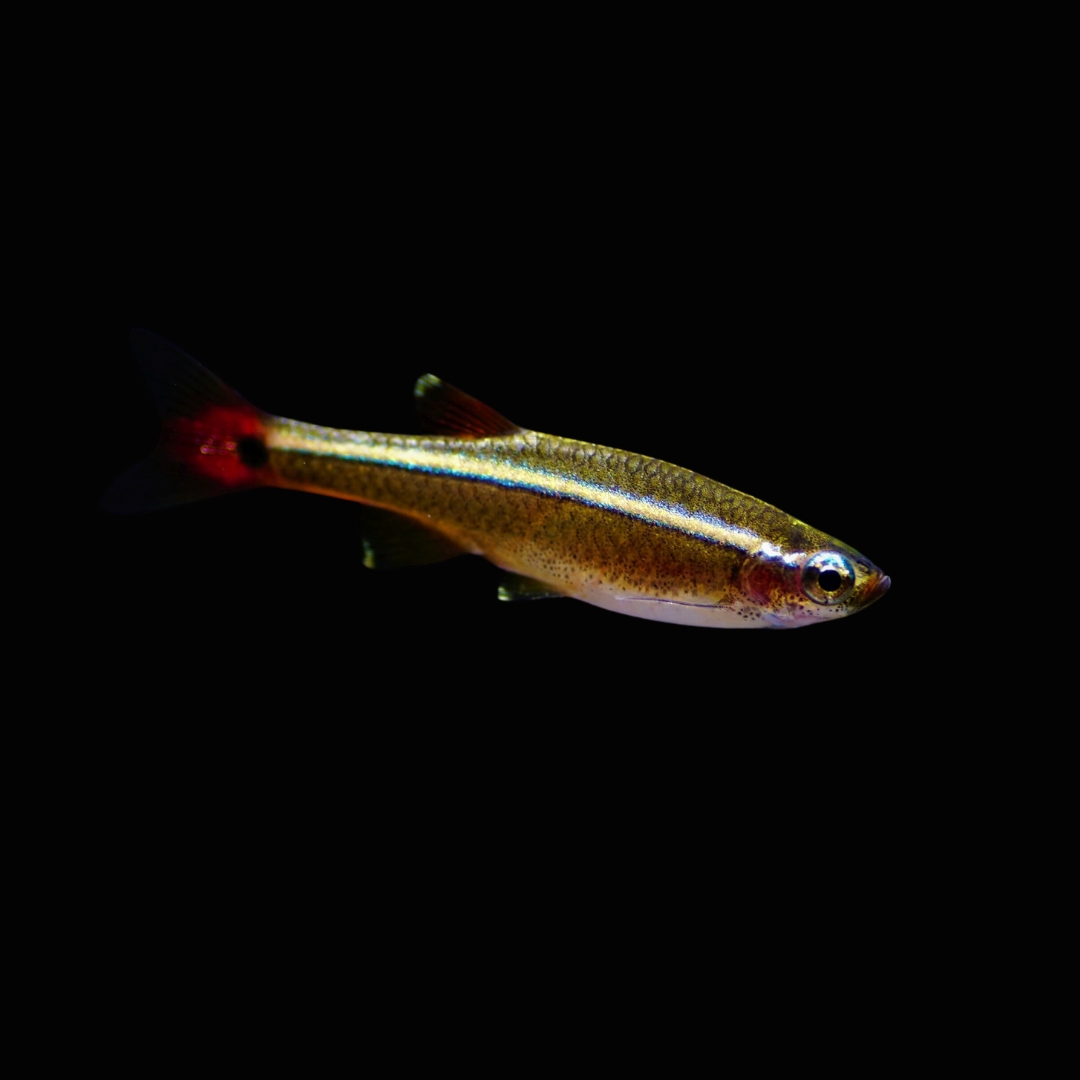
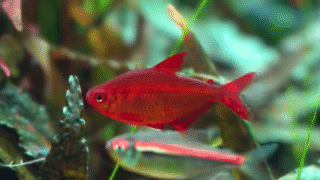
アカヒレは、その名前が示す通り、燃えるような赤い尾ヒレが特徴的な小型のコイ科魚類です。かつては高価だったネオンテトラの代用品として「貧者のネオンテトラ」などと呼ばれることもありましたが、現在ではその野性味あふれる美しさと、飼育環境への驚異的な適応能力から、アクアリウムの入門魚として不動の地位を築いています。「コップでも飼える」というキャッチコピーで広く流通していますが、本来は中国の白雲山(White Cloud Mountain)周辺の清流に生息する魚であり、適切な設備で群泳させた時に見せる輝きは、まさに「生きた宝石」と呼ぶにふさわしいものです。The White Cloud Mountain Minnow (Tanichthys albonubes) is a small cyprinid characterized by its striking red tail fin. While historically called “The working man’s neon” as a substitute for the expensive Neon Tetra, it has established itself as a premier starter fish due to its wild beauty and incredible adaptability. Often marketed as a fish that can be kept in a “cup,” it originally inhabits clear streams around White Cloud Mountain in China. When kept in a proper school within a suitable tank, their shimmering display truly earns them the title of “living gems.”
30cmキューブ水槽(約25リットル)以上を推奨。群泳させる習性があるため、ある程度の遊泳スペースが必要です。Recommended 30cm cube tank (approx. 25 liters) or larger. Swimming space is necessary for their schooling behavior.
水温 / Temperature
18℃〜25℃ (Optimal: 18-25°C)
水質 / Water Quality
弱酸性〜弱アルカリ性(pH 6.0〜8.0)。水質にはうるさくありませんが、清澄な水を好みます。Slightly acidic to slightly alkaline (pH 6.0-8.0). Not picky, but prefers clear water.
レイアウト / Layout
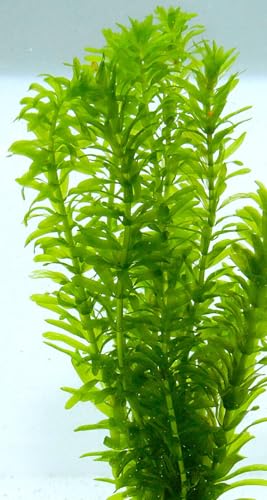
本来は流れの緩やかな小川に生息しているため、水草を繁茂させたレイアウトが適しています。マツモやアナカリスなどの隠れ家を用意すると落ち着きます。Suitable for layouts with dense aquatic plants, mimicking their native slow-moving brooks. Plants like Hornwort provide shelter.
注意点 / Precautions
【夏場の高水温に注意】低温には非常に強いですが、30℃を超える日本の夏は命取りになります。夏場は冷却ファンやエアコン管理が必須です。冬場はヒーターなしでも越冬可能ですが、10℃以下では消化機能が止まるため餌切りが必要です。[Watch for Summer Heat] While very cold-tolerant, Japanese summers over 30°C are fatal. Cooling fans or AC are mandatory. In winter, they can survive without heaters, but stop feeding below 10°C as digestion halts.
餌と給餌 / Feeding
餌の種類 / Diet
人工飼料、ブラインシュリンプ、イサザアミなど。口が小さいため、粒の細かい餌を選びます。Artificial feed, brine shrimp, mysis shrimp. Choose small-grained food for their small mouths.
給餌のポイント / Feeding Tips
水温によって代謝が大きく変わります。適温期(20℃前後)は十分に与えて体を作りますが、水温が低い冬場や高すぎる夏場は給餌量を減らし、消化不良や水質悪化を防ぎます。Metabolism varies greatly with temperature. Feed well during optimal temps (around 20°C), but reduce feeding in extreme cold or heat to prevent indigestion and water fouling.
性格と混泳 / Temperament and Tank Mates
性格 / Temperament
非常に温和で、同種間で群れることを好みます。オス同士はヒレを広げて争う「フィンスプレッディング」を行いますが、相手を傷つけることは稀です。Very peaceful and loves to school. Males engage in “fin spreading” displays but rarely injure each other.
混泳の相性 / Compatibility
メダカ、ドジョウ(クーリーローチなど)、ミナミヌマエビなどとの相性は抜群です。一方、大型の肉食魚や、ヒレをかじる魚、赤い色を敵視するベタとの混泳は避けてください。Excellent with Medaka, Loaches, and small shrimp. Avoid large predatory fish, fin-nippers, or Bettas that may target their red color.
病気と対策 / Diseases and Prevention
かかりやすい病気 / Common Diseases
基本的には強健ですが、急激な温度変化による白点病や、低温時の消化不良による転覆症状が見られることがあります。Generally hardy, but susceptible to Ich from temp shocks and swim bladder issues from indigestion in cold water.
対策と予防 / Prevention
水温管理が最大の予防策です。特に冬場の低水温時に無理に餌を与えないこと、夏場に高水温で酸欠にさせないことが重要です。Temperature management is key. Do not force feed in cold winter water, and prevent oxygen depletion in summer heat.
増やし方(繁殖) / Breeding
繁殖形態 / Reproduction
粘着性のある卵を水草にばら撒くタイプです。ウィローモスなどの茂みを用意すると、毎日のように数個ずつ産卵します。Egg scatterers that lay adhesive eggs on plants. With thick moss, they may spawn a few eggs daily.
繁殖のポイント / Breeding Tips
親魚が卵を食べてしまうため、採卵する場合は卵を隔離します。最大の難関は稚魚の育成で、孵化直後の稚魚は極めて小さく、一般的な餌を食べられません。インフゾリア(ゾウリムシなどの微生物)をあらかじめ培養して与えることが成功の鍵です。Parents eat eggs, so isolate them if possible. The biggest challenge is fry rearing; they are too small for standard food. Culturing Infusoria beforehand is key to survival.
雑学と豆知識 / Trivia and Fun Facts
1. 名前の由来と発見者 / 1. Origin of the Name
学名の「Tanichthys(タニクティス)」は、1930年代に中国でこの魚を発見したボーイスカウト指導者、Tan Kam Fe氏(譚氏)に献名されたもので、「譚さんの魚」を意味します。種小名の「albonubes」はラテン語で「白い雲」を意味し、発見地である白雲山に由来します。この美しい学名は、発見当時の感動を今に伝えています。The genus name “Tanichthys” honors Tan Kam Fe, who discovered the fish in the 1930s, meaning “Tan’s fish.” The species name “albonubes” means “White Cloud” in Latin, referring to White Cloud Mountain.
2. 絶滅と再発見のパラドックス / 2. Extinction Paradox
世界中の水槽で何億匹も泳いでいるアカヒレですが、実は原産地の白雲山周辺では、開発による環境破壊で1980年頃に一度「野生絶滅」したと考えられていました。その後、2000年代に入って奇跡的に野生個体群が再発見されましたが、依然として絶滅の危機に瀕しています。「飼育下では最も繁栄しているが、故郷では消えかけている」というパラドックスは、私たちに保全の重要性を問いかけています。Despite millions in tanks worldwide, wild populations were considered extinct around 1980 due to development. Though rediscovered in the 2000s, they remain critically endangered in the wild, creating a paradox of being ubiquitous in captivity yet rare in nature.
3. 隠蔽種(Cryptic Species)の発見 / 3. Cryptic Species
近年のDNA解析により、これまで全て「アカヒレ」とされていた魚の中に、実は遺伝的に異なる複数の種が含まれていることが判明しました。ベトナムアカヒレ(T. micagemmae)だけでなく、深圳(Shenzhen)や恵東(Huidong)など、中国南部の渓流ごとに異なる種へと進化していたのです。現在流通している個体の中にも、実は新種が含まれているかもしれません。DNA analysis has revealed that “Akahire” actually contains multiple cryptic species. Isolated populations in Vietnam and Southern China have evolved into distinct species, suggesting the fish in your tank might be a hidden new species.
4. 科学を支えるモデル生物 / 4. Scientific Role
アカヒレは観賞用としてだけでなく、環境毒性学の分野でも活躍しています。繁殖サイクルが早く、卵が透明で観察しやすいため、化学物質が生物に与える影響(環境ホルモンなど)を調べるためのモデル生物として利用されています。水槽の中で元気に泳ぐ彼らは、実は水の安全性を教えてくれる「炭鉱のカナリア」のような存在でもあるのです。Aside from being pets, they are model organisms in environmental toxicology. Their transparent eggs and fast breeding cycle help scientists study the effects of chemicals, acting like “canaries in the coal mine” for water safety.
まとめ / Conclusion
アカヒレは、氷の張る池でも生き延びる強靭さと、日本の夏の暑さには耐えられない繊細さを併せ持つ、二面性のある魚です。その強さに甘えて小さな容器に閉じ込めるのではなく、適切な水槽設備と温度管理を用意してあげることで、彼らは数年にわたり美しい姿を見せてくれます。The White Cloud Mountain Minnow is a fish of duality: tough enough to survive freezing ponds, yet fragile in the face of Japanese summer heat. Instead of relying on their hardiness to keep them in small cups, providing proper tank equipment and temperature control will allow them to display their beauty for years.
野生では絶滅の危機に瀕しながら、世界中のリビングで愛され続けるアカヒレ。その小さな体には、地球環境の変遷と、人と魚の関わりの歴史が凝縮されています。このガイドを参考に、ぜひ「小さな宝石」との暮らしを末永く楽しんでください。Endangered in the wild yet beloved in living rooms worldwide, the Akahire embodies the history of environmental change and human-fish interaction. We hope this guide helps you enjoy a long and happy life with these “little gems.”


 ポチップ
ポチップ


コメント