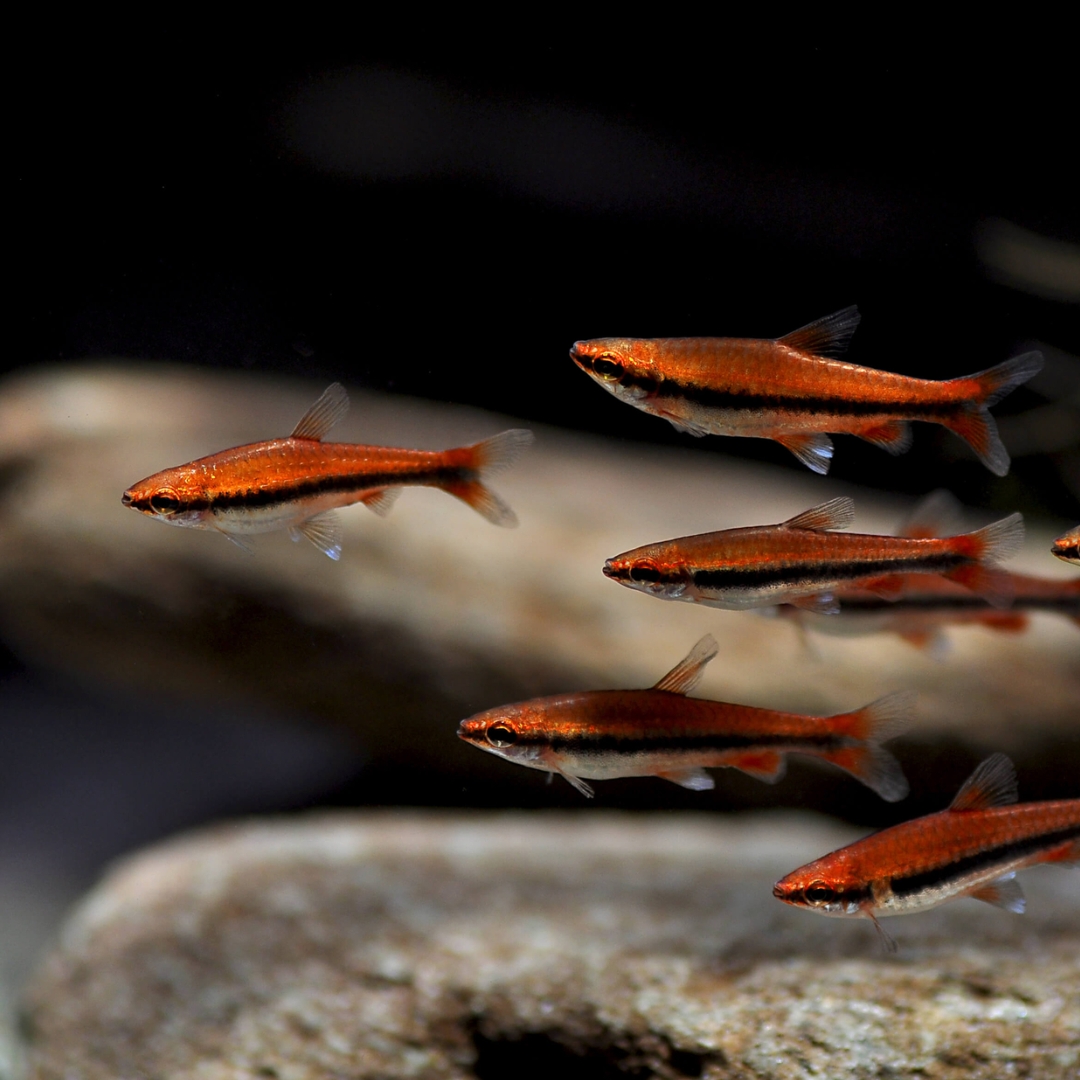
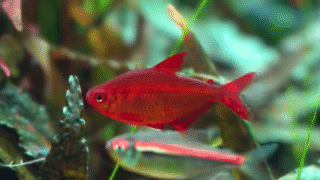
レッドベックホルディ・ペンシルフィッシュは、古くから親しまれている「ベックホルディ・ペンシル(N. beckfordi)」の中でも、特に赤みが強いタイプを指します。一般的に流通している個体は、ブラジル・パラー州などに実在する「野生の赤いベックホルディ(旧名:アリピランガエンシスなど)」を元に、養殖過程でその美しい色彩を固定化したものです。つまり、架空の改良品種ではなく、自然界に息づく赤い色彩変異の血統を受け継いだ存在です。成熟したオスは背部の褐色と腹部の銀白色、そして黒帯を縁取る赤色のコントラストが際立ち、入門種でありながら高価な希少種をも凌駕する美しさを秘めています。The Red Beckford’s Pencilfish refers to the vivid red variant of the classic “Beckford’s Pencilfish” (N. beckfordi). The commonly available individuals are line-bred from naturally occurring red wild populations (formerly known as N. aripirangensis, found in Pará, Brazil, etc.) to fix and enhance their beauty. They are not a fictional hybrid but carry the lineage of the wild “Red” variants. Mature males display a striking contrast of brown, silver, and intense red, rivaling the beauty of rare species despite being a popular beginner fish.
基本情報 / Basic Information
学名 / Scientific Name
Nannostomus beckfordi
通称 / Common Name
レッドベックホルディ・ペンシルフィッシュRed Beckford’s Pencilfish, Golden Pencilfish
分類 / Family
レビアシナ科(ペンシルフィッシュ属)Lebiasinidae
英名 / English Name
Red Beckford’s Pencilfish
分布 / Distribution
アマゾン川下流域、ギアナ、スリナム(流通個体は東南アジアブリードが主流)Lower Amazon, Guyana, Suriname (Market consists mainly of SE Asian bred)
最大体長 / Max Size
約6.5cm(飼育下での標準は3.0~3.5cm程度)Approx. 6.5cm (Standard length in captivity is about 3.0-3.5cm)
寿命 / Lifespan
約3年~5年Approx. 3-5 years
飼育環境 / Aquarium Environment
水槽サイズ / Tank Size
30cmキューブ水槽(約27L)から飼育可能ですが、活発に泳ぐため45cm~60cm規格水槽(約40L~60L)が推奨されます。Can be kept in a 30cm cube tank (approx. 27L), but a 45cm-60cm standard tank (approx. 40L-60L) is recommended for swimming space.
水温 / Temperature
24℃~28℃
水質 / Water Quality
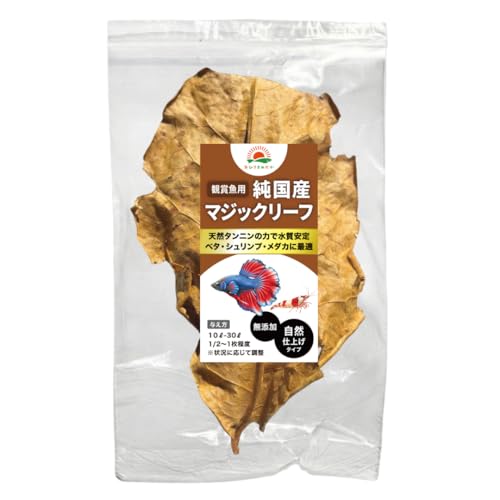
pH 5.5~7.0(弱酸性~中性)。軟水を好みます。マジックリーフ等でブラックウォーターを再現すると、より状態良く飼育できます。pH 5.5-7.0 (Weakly acidic to neutral). Soft water is preferred. Recreating blackwater with almond leaves helps maintain good condition.
レイアウト / Layout
強い水流を嫌うため、フィルターの水流は弱めに調整します。水草が茂った環境や、浮き草で木漏れ日を作ると落ち着きます。底床にはソイルなどの暗い色を使用すると体色が濃くなります。They dislike strong currents, so adjust the filter flow to be gentle. Dense vegetation and floating plants provide comfort. Using a dark substrate helps enhance their coloration.
注意点 / Precautions
驚くと飛び出しやすいため、水槽には隙間のないフタが必須です。また、導入時の水合わせは慎重に行ってください。They are prone to jumping when startled, so a tight-fitting lid is essential. Acclimate them carefully when introducing to a new tank.
餌と給餌 / Feeding
餌の種類 / Diet
人工飼料(フレークや微粒ペレット)、ブラインシュリンプ、ミジンコなど。雑食性で何でもよく食べます。Artificial food (flakes or micro-pellets), brine shrimp, daphnia, etc. They are omnivorous and accept most foods.
給餌のポイント / Feeding Tips
口が小さいため、フレークフードなどは指ですり潰して細かくしてから与えてください。1日2回、数分で食べきれる量を少量ずつ与えるのが理想です。Since their mouths are small, crush flake foods into fine particles. Ideally, feed small amounts twice a day that can be consumed in a few minutes.
性格と混泳 / Temperament and Tank Mates
性格 / Temperament
基本的には温和ですが、寂しがり屋なため5匹~10匹以上の群れで飼育します。オス同士は「フィンスプレッディング」と呼ばれる、ヒレを広げて体を震わせる威嚇行動を行いますが、相手を傷つけることは稀です。Generally peaceful, but they should be kept in groups of 5-10+ as they are shoaling fish. Males display “fin spreading” behavior to intimidate rivals, but rarely cause injury.
混泳の相性 / Compatibility
ネオンテトラやラスボラ、コリドラスなどの小型魚と非常に相性が良いです。ただし、稚エビは食べてしまうため、繁殖を狙うエビ水槽には不向きです。エンゼルフィッシュなどの中型魚との混泳は避けてください。Excellent compatibility with small fish like Neon Tetras, Rasboras, and Corydoras. However, they will eat baby shrimp, so avoid them in shrimp breeding tanks. Avoid mixing with medium-sized fish like Angelfish.
病気と対策 / Diseases and Prevention
かかりやすい病気 / Common Diseases
導入直後の白点病や、極端に痩せてしまう消耗性の疾患(魚類抗酸菌症のリスクなど)に注意が必要です。購入時に背肉が落ちていない、ふっくらした個体を選ぶことが重要です。Watch out for Ich specifically after introduction, and wasting diseases where they become extremely thin. It is important to select plump, healthy individuals when purchasing.
対策と予防 / Prevention
適切な水換えと、マジックリーフなどによる軟水・弱酸性の環境維持が最大の予防になります。痩せている個体は回復が難しいため、早期発見と隔離が大切です。Regular water changes and maintaining soft, acidic water with almond leaves are the best prevention. Emaciated individuals are hard to cure, so early detection and isolation are key.
増やし方(繁殖) / Breeding
繁殖形態 / Reproduction
粘着性のない卵を水草の茂みにばら撒く「卵散布型」です。親魚は卵を保護せず、食べてしまう習性があります。They are “egg scatterers” that release non-adhesive eggs into vegetation. Parents do not care for eggs and may eat them.
繁殖のポイント / Breeding Tips
成熟したペアをウィローモスを敷き詰めた専用水槽に移します。食卵を防ぐため、産卵後は速やかに親魚を取り出します。稚魚は非常に小さいため、初期飼料としてインフゾリア(微生物)が必要です。Move a mature pair to a dedicated tank filled with Java moss. Remove parents immediately after spawning to prevent egg predation. Fry are tiny and require infusoria as initial food.
雑学と豆知識 / Trivia and Fun Facts
1. 神秘的な「ナイトカラー」の秘密 / 1. The Secret of “Night Color”
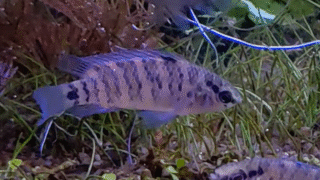
日中は美しい水平の黒いラインを見せる彼らですが、照明を消して夜になると、その姿は劇的に変化します。水平のラインは消え、代わりに太く短い「斜めの縞模様」が体に現れるのです。これは「ナイトカラー」と呼ばれる現象で、夜行性の捕食者から身を守るための迷彩効果だと考えられています。近年の研究では、この変化が「メラトニン」というホルモンによって制御されていることが解明されました。朝、ライトを点灯した直後の「寝ぼけた」ような模様は、彼らが厳しい自然界を生き抜くための進化の証なのです。During the day, they display a beautiful horizontal black line, but at night, their appearance changes dramatically. The horizontal line fades and is replaced by broad, oblique vertical bars. This phenomenon, known as “Night Color,” is thought to be camouflage against nocturnal predators. Recent studies have revealed that this change is controlled by the hormone melatonin. The pattern seen just after turning on the lights is proof of their evolution to survive in the wild.
2. 「赤」は自然界からの贈り物 / 2. Red: A Gift from Nature
本種は1872年に記載されたペンシルフィッシュの「タイプ種」ですが、その分布域は広く、地域によって色彩が異なります。特にブラジルのパラー州などに生息する赤みの強い個体群は、かつて『ナノストムス・アリピランガエンシス』という別種として扱われていました。現在のアクアリウムで親しまれている「レッドベックホルディ」は、人間がゼロから作ったものではなく、この自然界に実在する「赤い個体群」の特徴を受け継ぎ、より美しくなるよう大切に累代飼育されたものなのです。Described in 1872 as the “type species,” this fish has a wide distribution with regional color variants. The intensely red populations from Pará, Brazil, were once classified as a separate species, Nannostomus aripirangensis. The “Red Beckford’s” we enjoy today were not created from scratch but are the descendants of these wild red populations, carefully bred to preserve and enhance their natural beauty.
まとめ / Conclusion
レッドベックホルディ・ペンシルフィッシュは、日本の軟水環境に馴染みやすく、水草レイアウト水槽の主役に最適な熱帯魚です。群れで泳ぐ愛らしい姿、オス同士が見せる情熱的なフィンスプレッディング、そして夜間の不思議な変身と、小さな体に魅力が凝縮されています。The Red Beckford’s Pencilfish is perfectly suited for Japan’s soft water environments and makes an excellent centerpiece for planted tanks. With their charming shoaling behavior, passionate fin spreading displays, and mysterious nocturnal transformation, these small fish are packed with fascination.
安価で入手しやすい魚ですが、大切に飼い込まれた個体が見せる色彩は、決して高価なレア種に劣りません。初心者の方には熱帯魚飼育の楽しさを、ベテランの方には生態観察の面白さを教えてくれる、まさに「生きた水景の名優」として、あなたの水槽を彩ってくれることでしょう。Though affordable and accessible, the coloration of a well-cared-for individual rivals that of any rare species. Whether teaching beginners the joy of fish keeping or offering veterans fascinating ecological observations, they are truly “distinguished actors” of the living aquascape that will brighten your aquarium.


 ポチップ
ポチップ


コメント