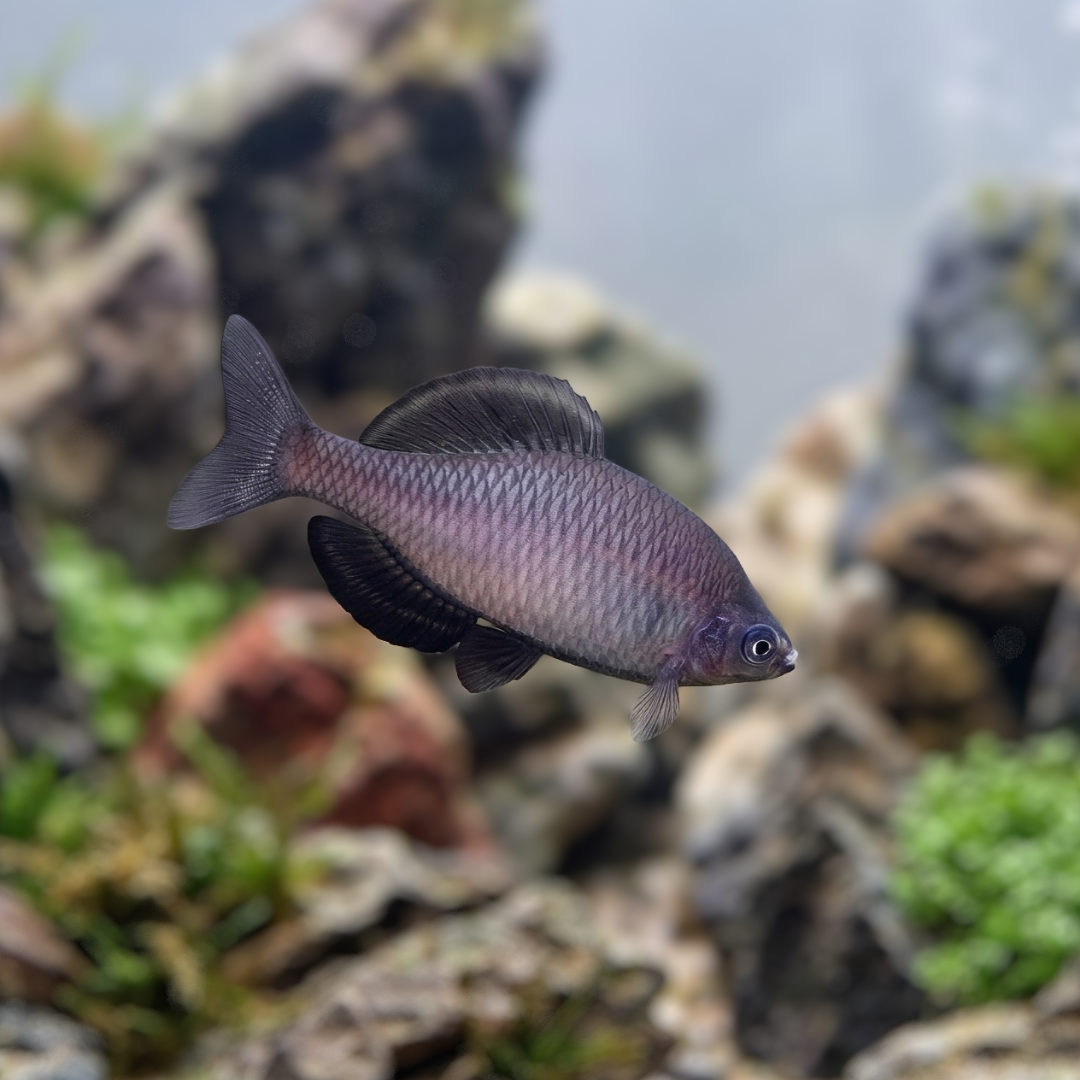
アブラボテは、日本を代表する固有の淡水魚であり、タナゴ類の中でも一際異彩を放つ渋い魅力を持った魚です。多くのタナゴが鮮やかな赤や青の婚姻色を競う中で、本種はオリーブ色を帯びた暗茶褐色の体色を呈し、その姿がまるで魚体に油を塗ったような鈍い光沢を放つことからその名が付けられました。派手さはありませんが、日本の伝統的な美意識である幽玄やわびさびを感じさせる趣があり、成熟したアクアリストから深く愛されています。ずんぐりとした高い体高と、口元にある1対の長い口ひげが特徴で、水槽内でも力強く泳ぐ姿を楽しむことができます。The Oily Bitterling (Tanakia limbata) is a unique freshwater fish endemic to Japan, standing out among bitterlings for its subtle and sophisticated charm. While many bitterlings display vibrant reds or blues during the breeding season, this species develops a deep olive-brown nuptial coloration. Its name, “Aburabote,” comes from its dull, oily metallic luster that looks as if the fish were coated in oil. Although not flashy, it embodies the traditional Japanese aesthetic of “Wabi-sabi” and “Yugen,” earning it deep respect among experienced aquarists. It is characterized by a deep, stout body and a pair of relatively long barbels around its mouth, presenting a powerful presence in an aquarium.
基本情報 / Basic Information
学名 / Scientific Name
Tanakia limbata
通称 / Common Name
アブラボテAburabote
分類 / Family
コイ目 コイ科 タナゴ亜科 アブラボテ属Cyprinidae, Acheilognathinae, Genus Tanakia
英名 / English Name
Oily Bitterling
分布 / Distribution
濃尾平野以西の本州、四国、九州(日本固有種)Western Japan: Honshu (west of Nobi Plain), Shikoku, and Kyushu (Endemic to Japan).
最大体長 / Max Size
約5.0cmApprox. 5.0 cm
寿命 / Lifespan
約2〜3年Approx. 2 to 3 years
飼育環境 / Aquarium Environment
水槽サイズ / Tank Size
45cm規格水槽(約35L)以上、60cm規格水槽(約60L)推奨Minimum 45 cm standard tank (approx. 35L), 60 cm standard tank (approx. 60L) recommended.
水温 / Temperature
22℃〜26℃(繁殖・健康維持に最適な温度帯)22°C to 26°C (Optimal for breeding and overall health).
水質 / Water Quality
pH 6.5〜8.5(中性から弱アルカリ性を好む。カキ殻などで緩衝すると安定します)pH 6.5 to 8.5 (Prefers neutral to slightly alkaline water. Stable buffering with crushed shells is recommended).
レイアウト / Layout
水生植物が繁茂する環境や、石を配置した自然に近い景観。隠れ家が必要です。Provide an environment with dense aquatic plants or natural-looking rock arrangements. Hiding spots are essential.
注意点 / Precautions
18℃以下の低温や30℃以上の高温は避けてください。特に繁殖期は水温管理が成否を分けます。Avoid temperatures below 18°C or above 30°C. Precise temperature control is critical during the breeding season.
餌と給餌 / Feeding
餌の種類 / Diet
雑食性。人工飼料(川魚用)、生餌(赤虫、ミジンコ)、イサザアミなど。Omnivorous. Accepts artificial flakes/pellets, live or frozen foods like bloodworms and mysis shrimp.
給餌のポイント / Feeding Tips
底層付近で索餌するため、沈下性の餌も効果的です。色揚げを意識したバランスの良い給餌が推奨されます。Since they feed near the bottom, sinking foods are effective. A balanced diet helps enhance their unique coloration.
性格と混泳 / Temperament and Tank Mates
性格 / Temperament
縄張り意識が非常に強く、特に繁殖期のオスは攻撃的になります。Strongly territorial, especially males during the breeding season, who can become quite aggressive.
混泳の相性 / Compatibility
同種間では激しく争うことがあります。十分な隠れ家を設け、過密を避けることが重要です。May fight aggressively with their own kind. Providing plenty of hiding spots and avoiding overstocking is vital.
病気と対策 / Diseases and Prevention
かかりやすい病気 / Common Diseases
白点病、尾腐れ病、水カビ病など。Ich (White spot disease), fin rot, and water mold.
対策と予防 / Prevention
急激な水温変化や水質悪化を避け、定期的な換水を行います。新規導入時のトリートメントも有効です。Maintain stable water temperature and quality through regular water changes. Quarantine new arrivals.
増やし方(繁殖) / Breeding
繁殖形態 / Reproduction
淡水二枚貝(マツカサガイ、イシガイ等)の中に産卵する特殊な形態です。Unique reproduction method where eggs are deposited inside live freshwater mussels (Unionidae).
繁殖のポイント / Breeding Tips
繁殖には活きた二枚貝が不可欠ですが、維持が難しいため人工授精の技術も活用されます。水温を22〜26℃に維持することが孵化の絶対条件です。Live mussels are essential for natural breeding, but artificial insemination is also used due to the difficulty of keeping mussels. Maintaining 22-26°C is a absolute requirement for hatching.
雑学と豆知識 / Trivia and Fun Facts
1. 名前の由来と「ボテ」の響き1. Origin of the Name “Aburabote”
和名のアブラボテは、その暗褐色の体色が油を塗ったように見えることに由来します。また「ボテ」という言葉は、西日本各地でタナゴ類を指す地方名「ボテジャコ」からきており、古くから人々に親しまれてきた証でもあります。The name comes from its dark brown nuptial color, which glimmers as if coated in oil (“Abura”). “Bote” is derived from “Botejako,” a traditional regional name for bitterlings in Western Japan, reflecting its long history with the local people.
2. 学名「limbata」の意外な共通点2. Scientific Name “limbata” and Snakeheads
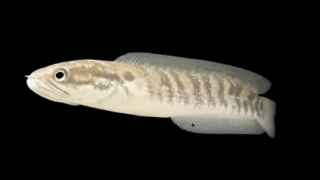
種小名の「limbata」はラテン語で「縁取られた」を意味し、ヒレの縁の色彩に由来します。興味深いことに、全く異なる種類の熱帯魚であるドワーフスネークヘッド(Channa limbata)も同じ種小名を持っています。これは生物学的な分類を超えた、命名における面白い偶然です。The species name “limbata” means “fringed” or “bordered” in Latin, referring to the edges of its fins. Interestingly, the Dwarf Snakehead (Channa limbata), a tropical fish, shares the same species name. This is a fascinating taxonomic coincidence across different families.
3. 朝鮮半島との繋がりを示す系統地理3. Phylogeography: A Link to the Korean Peninsula
分子系統解析の結果、日本のアブラボテの一部は、韓国の特定の河川にのみ生息する希少種と極めて近い姉妹関係にあることが分かっています。これは、氷河期に大陸と日本が陸橋で繋がっていた時代の、壮大な移住の歴史を物語っています。Genetic analysis reveals that some Japanese Aburabote populations are sister groups to a rare species found only in specific Korean rivers. This tells a grand story of migration from the era when the Japanese archipelago was connected to the Asian continent.
4. 交雑がもたらす深刻な環境問題4. The Threat of Hybridization
本来異なる水系の個体を放流すること(異所的侵入)により、近縁種のヤリタナゴ等との間で大規模な交雑が進んでいます。外見はヤリタナゴでも遺伝的にはアブラボテという「遺伝的浸透」が起きており、純粋な在来個体群を絶滅に追い込む深刻な問題となっています。Human-mediated release of fish into non-native basins has led to large-scale hybridization with related species like Tanakia lanceolata. This “genetic introgression” makes it impossible to distinguish pure natives by appearance alone, posing a severe threat to local biodiversity.
まとめ / Conclusion
アブラボテは、その深いオリーブブラウンの色彩とともに、東アジアの悠久の歴史を今に伝える貴重な魚です。二枚貝との不思議な共生関係や、系統地理学的なロマンなど、知れば知るほどその魅力に取り憑かれることでしょう。しかし、彼らが直面している交雑問題や環境悪化は、私たち人間が無秩序な放流を慎み、正しい知識を持って向き合わなければならない課題でもあります。The Oily Bitterling is a precious fish that carries the ancient history of East Asia within its deep olive-brown scales. The more you learn about its mysterious symbiosis with mussels and its phylogeographic romance, the more captivating it becomes. However, the hybridization and environmental issues they face are challenges we must confront by abstaining from reckless releases and approaching nature with correct knowledge.
科学的な知見に基づいた適切な飼育環境を提供し、この日本固有の美しい魚を次世代へと繋いでいくこと。それは、アクアリウムを愛する私たちにできる、最も尊い貢献の一つかもしれません。水槽の中に広がる「和」の美学を、ぜひじっくりと堪能してください。Providing an appropriate environment based on scientific data and ensuring this beautiful Japanese endemic fish survives for future generations is one of the most noble contributions we can make as aquarists. We hope you truly enjoy the “Wa” (Japanese) aesthetic unfolding within your aquarium.
系統地理学:
Tominaga, K., Watanabe, K., Kakioka, R., Mori, S., & Jeon, S. R. (2014). Genetic differentiation and biogeography of the freshwater fish $Tanakia$ $limbata$ (Cyprinidae) in East Asia. $Ichthyological$ $Research$, 61(2), 119-129.
保全遺伝学:
Onikura, N., et al. (2012). Hybridization and genetic introgression between $Tanakia$ $lanceolata$ and $T.$ $limbata$ (Cyprinidae) following cryptic invasion in Western Japan. $Molecular$ $Ecology$ (または関連紀要論文:鬼倉ほか 2012 を参照).
環境モデル:
Cho, S. H., et al. (2023). Predicting the habitat suitability of the endangered freshwater mussel $Aculamprotula$ $coreana$ in South Korea using the MaxEnt model. $Ecological$ $Informatics$ (関連データに基づく推定).


 ポチップ
ポチップ


コメント